 ×
×
 One Day in Heraklion, Crete
 A trip by Sandy PapasGreece Travel Secrets
One Day in Heraklion, Crete
Heraklion is the capital of Crete and the gateway to the Minoan world. One day is enough for the Palace of Knossos, the Archaeological Museum, the city centre and a Peskesi dinner – provided you start early.
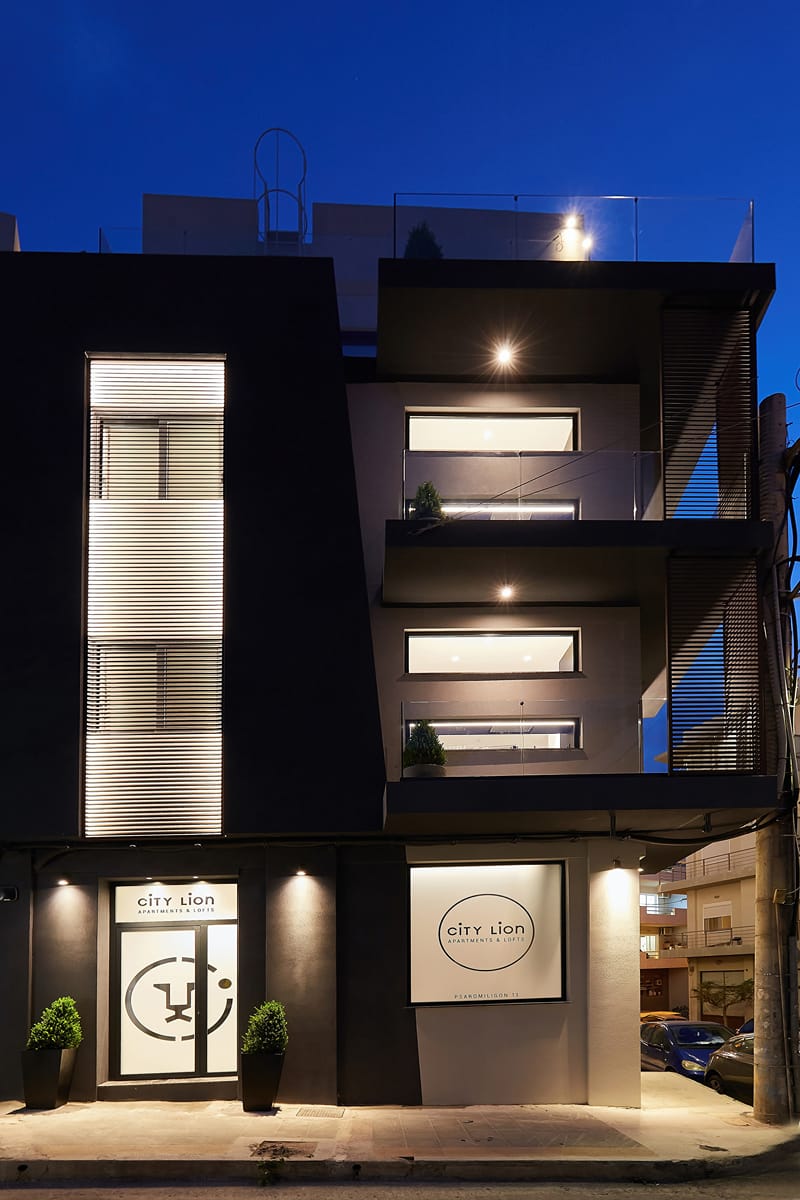
City Lion Heraklion
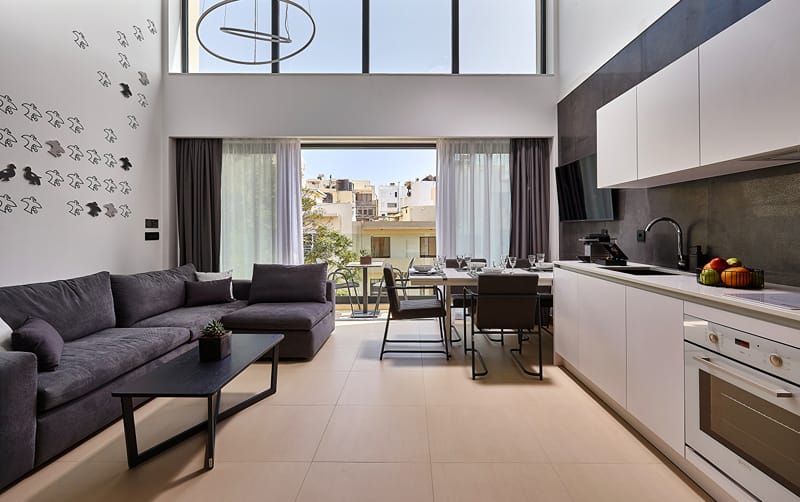
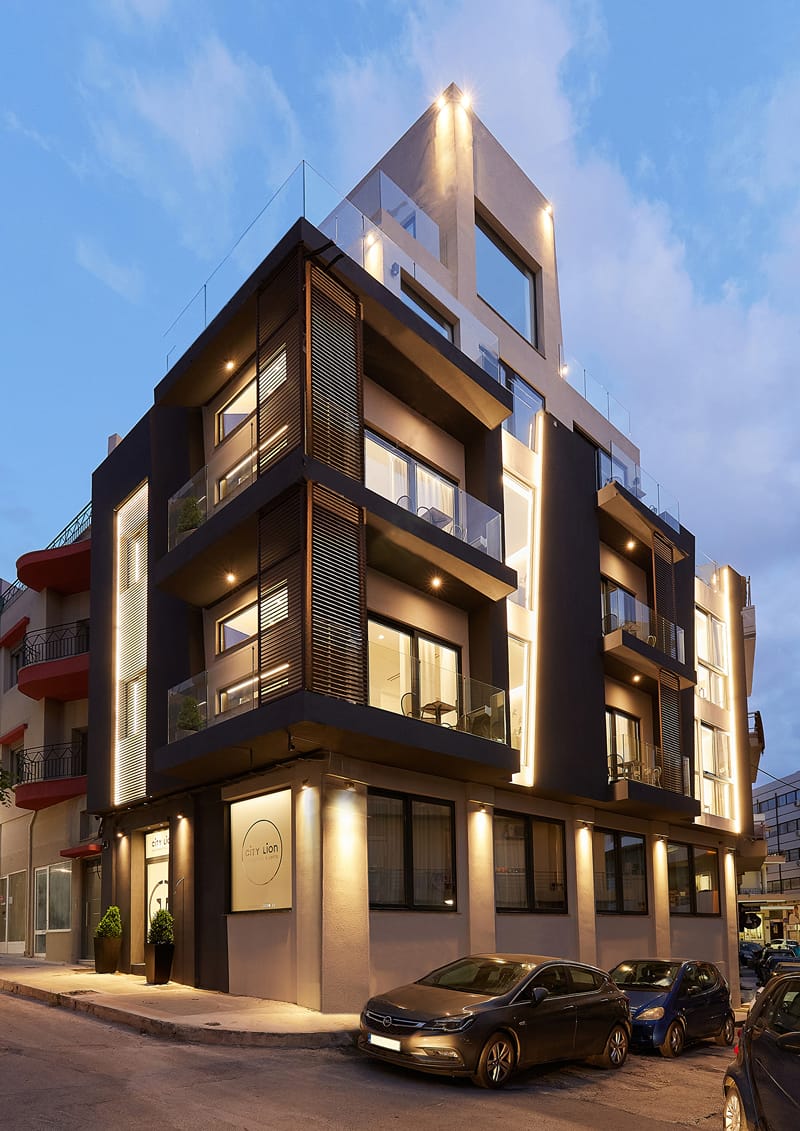
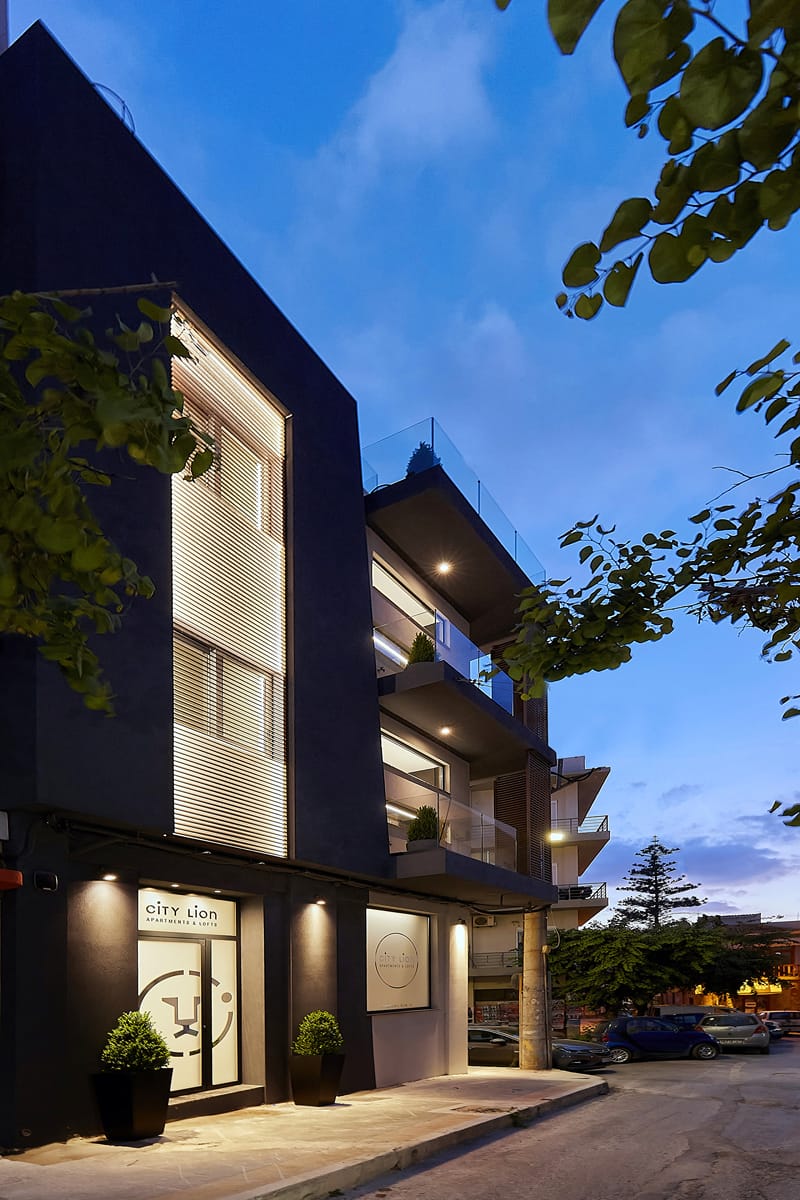
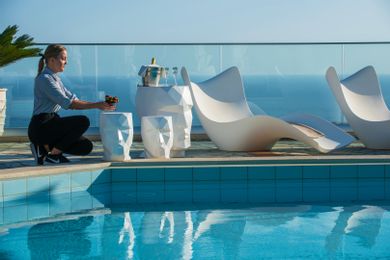
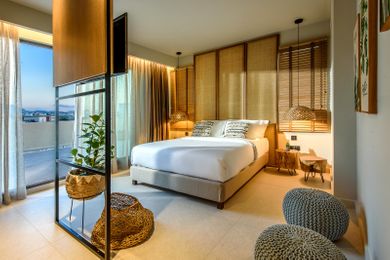
Modern apartments in the heart of the old town, walkable to the museum and the harbour.
 9.5
9.5 Alternative places to stay

HeraklionDay 1
Knossos & the Archaeological Museum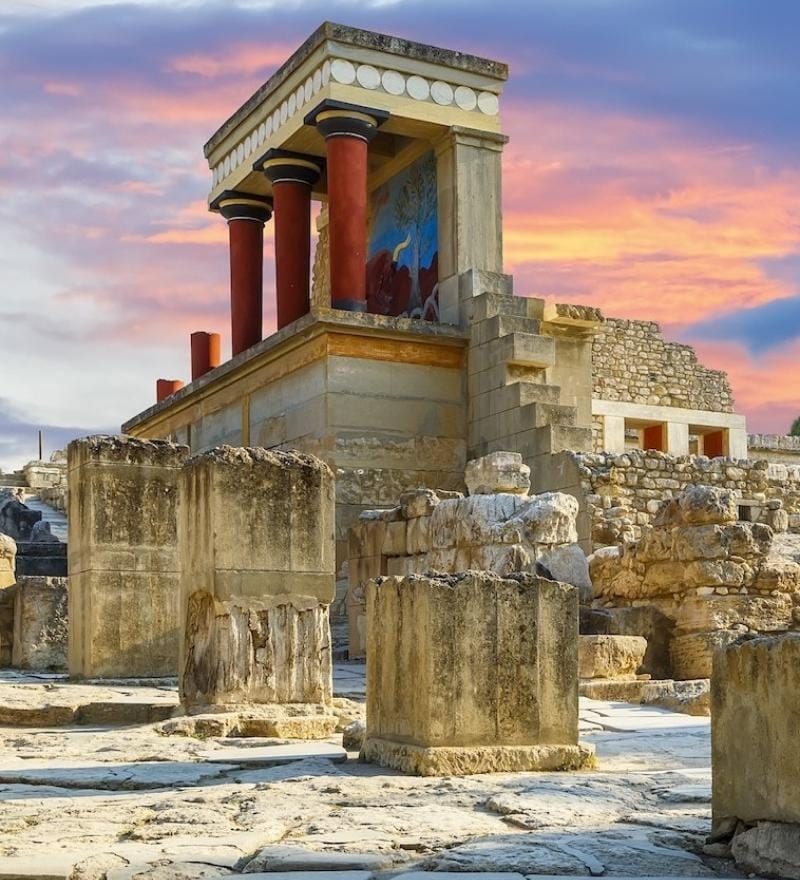
Knossos Palace
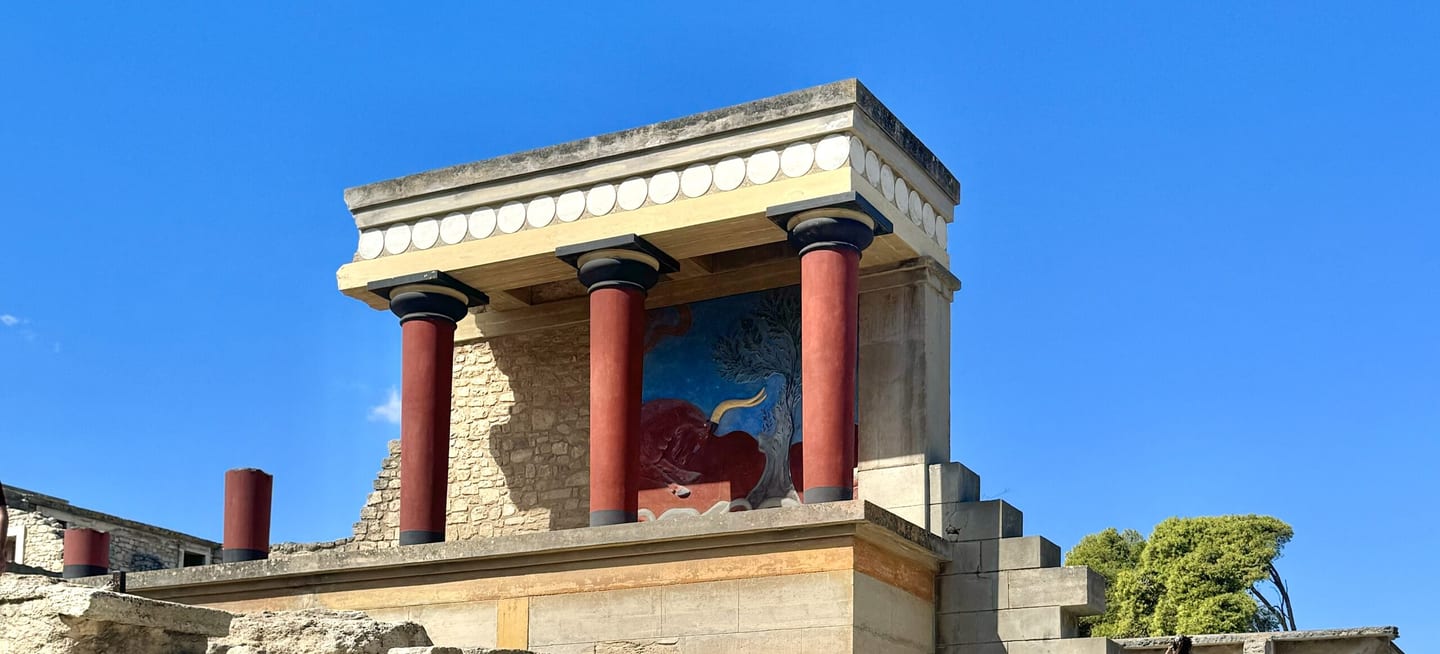
Crete's biggest and best-preserved Minoan site lies just five kilometers southeast of Heraklion. It is one of the most important tourist attractions on Crete. A vast monumental palace, with four wings built around a spacious central courtyard, Knossos is believed to have been the mythical Labyrinth of King Minos. Remarkably sophisticated, it included ceremonial spaces, living areas, storage rooms, elaborate decoration, and a complex drainage system. Although excavations show that there was a palace here as early as 2000 BC, what you see today dates mainly from 1450 BC. Take into consideration when touring the site that some slightly over-imaginative reconstruction from the early 20th century has taken place. The frescoes you see are replicas; the originals are in Heraklion Archaeological Museum. Buses from the Old Town leave every 15 minutes for Knossos during the summer season, making it extremely easy to visit. If you have your own car, parking is free.
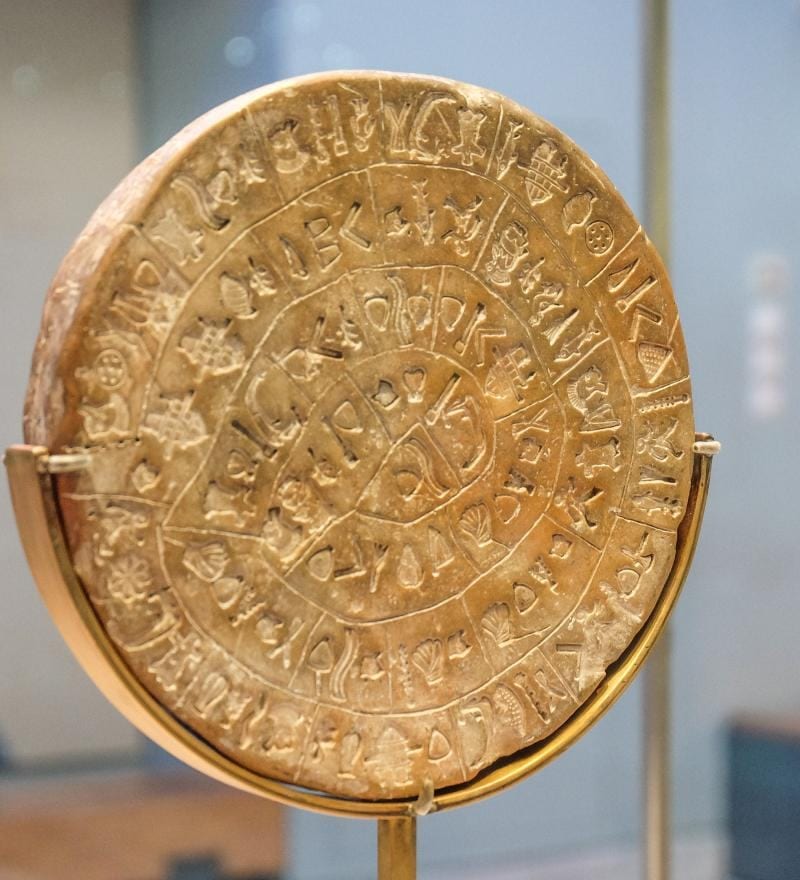
Heraklion Archaeological Museum
Magnificent 3,500-year-old frescoes from Knossos, including Prince of the Lilies and Bull-Leaping, are on display at this museum. Be sure to check out the Snake Goddess, a glazed ceramic figurine of a lady holding two snakes, dated 1600 BC, and the Phaistos Disk, a clay disc bearing a curious spiral of symbols from around 100 BC. The museum's treasures are spread out over 27 different galleries and cover more than 5,500 years of history. The courtyard area has the preserved remains of the Venetian Monastery of St. Francis, destroyed in an earthquake in 1856. This world-class museum is Heraklion's principal tourist attraction, apart from the actual site of Knossos, and lies in the eastern part of the old town.
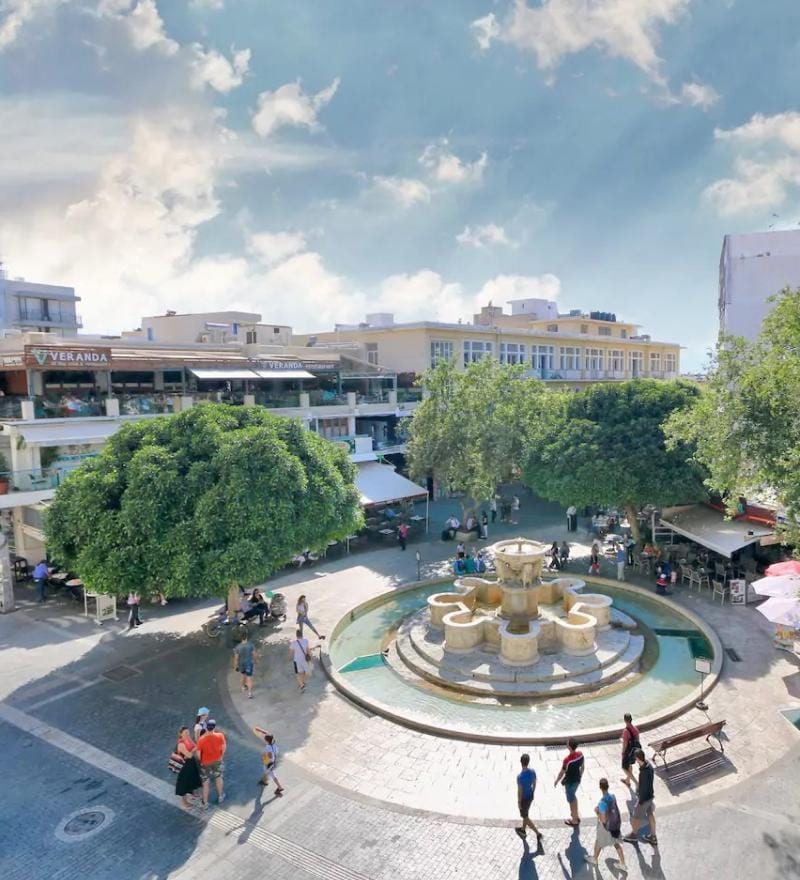
Morosini Fountain Lion Square
Lion's Square is one of the most colourful parts of the old city. In the centre stands the Morosini Fountain which took more than a year to build and was completed in 1628. The water for the fountain was channelled via aqueduct from Mt Juktas which lies more than 15 kilometres away. The fountain features a high octagonal pedestal that is supported by four lions – which gave the square its name. The square is the perfect place to sit and relax with a coffee or ice cream and enjoy some 'people watching'!
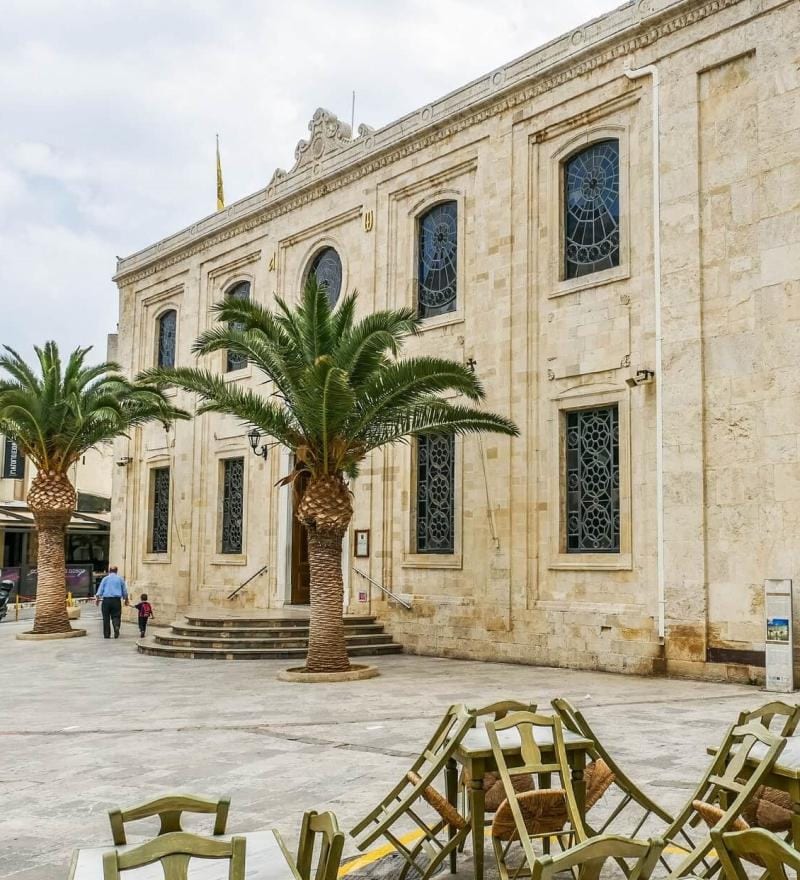
Agios Titos Church
On the action-packed August 25th Street, Agios Titos is the oldest church in the city and is dedicated to Saint Titus, Crete’s first bishop. It goes back to 961 AD and was ordered by the emperor Nikephoros II Phokas after the island was retaken by Byzantine forces. Over the years through a series of earthquakes and disasters, the original buildings tumbled to ruins. The solid looking building that stands here today dates from the mid 19th century and was once a mosque.
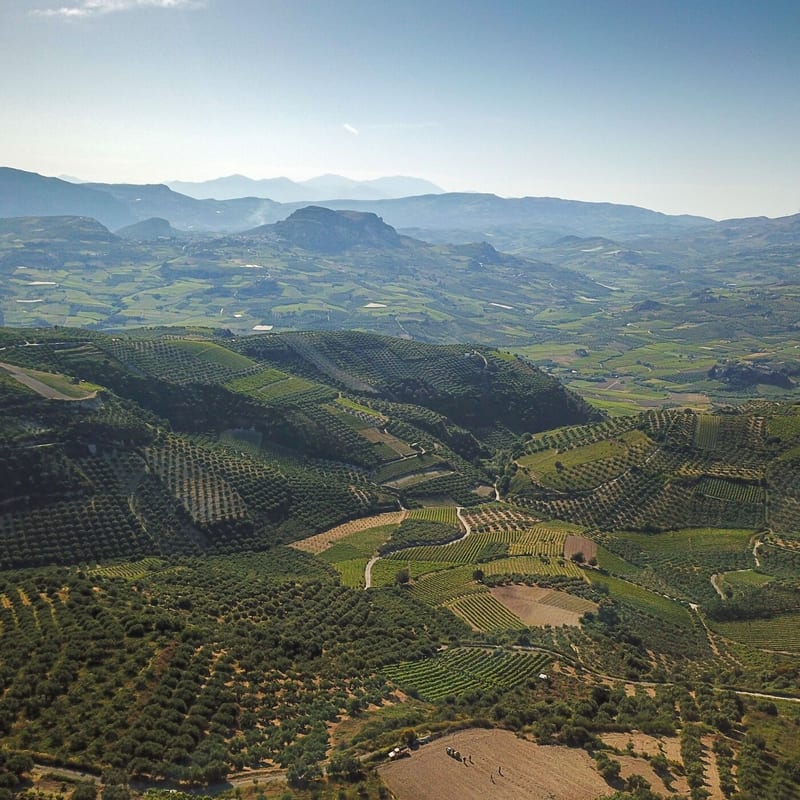
Douloufakis Winery
Family-run for four generations in the Dafnes wine region west of Heraklion, Douloufakis champions indigenous Cretan varieties – Vidiano, Vilana, Plyto, Liatiko – pressed and aged in a modern cellar carved into the hillside. The tasting room overlooks the vines; flights are paired with bread, the family's olive oil, and local cheeses. Visits are intimate (book ahead), the staff speak unhurried English, and the wines hold up against anywhere on the mainland. Less than 30 minutes from the port – pair with neighbouring Lyrarakis for a fuller day among the vines.
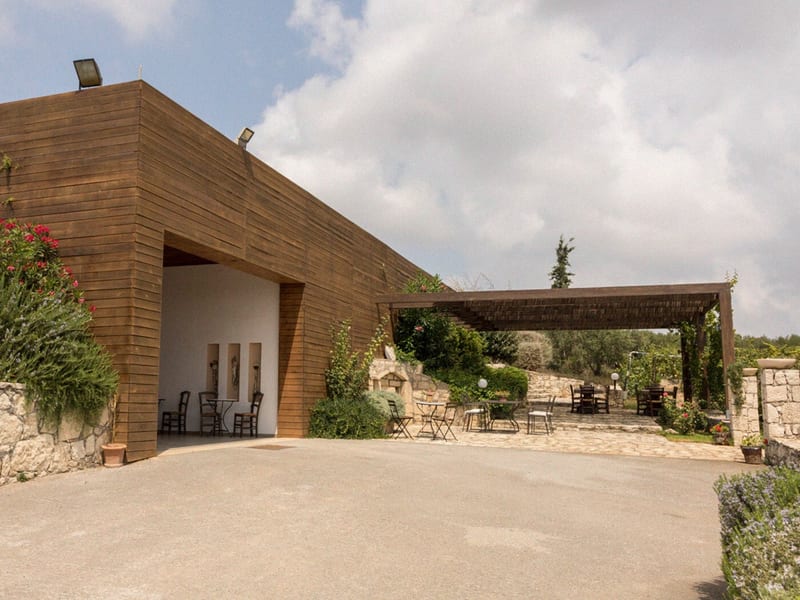
Lyrarakis Winery
Five kilometres east of Douloufakis in the Alagni hills, Lyrarakis has spent four decades resurrecting near-extinct Cretan grapes – most famously Dafni and Plyto, varieties that almost disappeared in the 20th century. The visitor centre is modest but the wines are anything but: pours are generous, the family is hands-on, and the cellar tour ends in a tasting room overlooking the valley. About 30 minutes from Heraklion; the two wineries make a natural pairing for a wine day, with lunch at Koukounari on the way back.
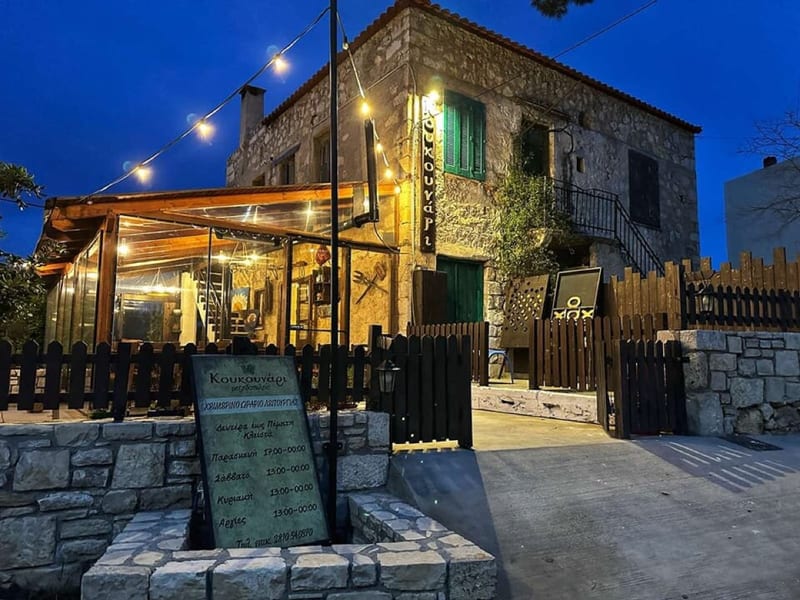
Koukounari
A traditional Cretan taverna on the road back from the wineries to Heraklion, in the village of Athanatoi. Locals fill the tables before tourists ever find it – the menu is short and what's in season – grilled meats, slow-baked lamb, mountain greens, the house wine on demand. Service is unhurried and the cooking honest, the kind of place that reminds you Crete's food peaks in its villages, not its cities. Worth the 15-minute detour; Sandy calls it 'one of the most authentic places on the island.'
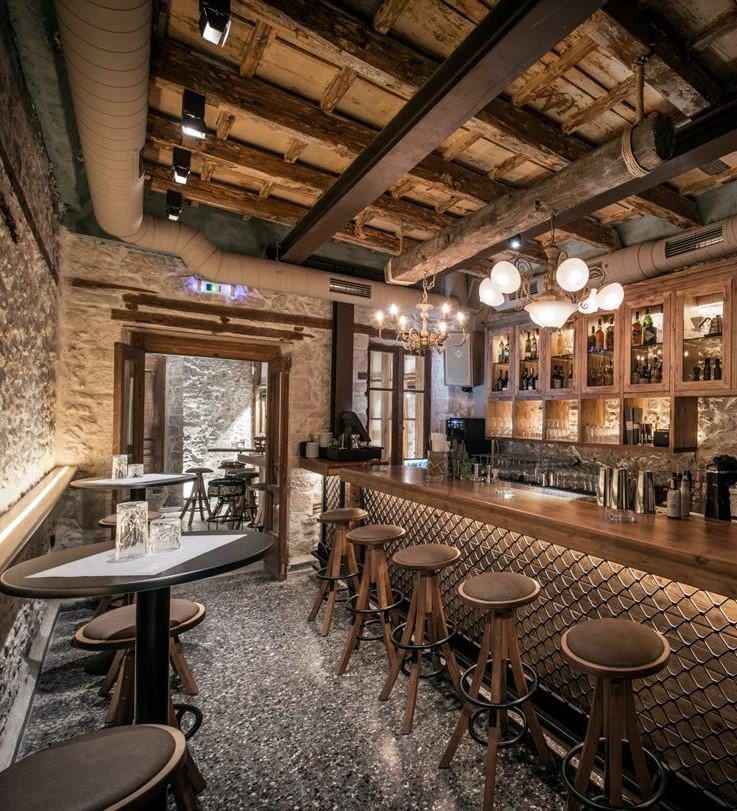
Peskesi
Farm-to-stone-table Cretan cooking in a restored mansion – the EU's pick for Best Organic Restaurant in Europe. Peskesi grows its ingredients on a 60-acre farm in Harasso, revives forgotten Cretan recipes, and serves them in rooms where the stone walls have witnessed centuries of meals. Wild herbs, raw honey, olive oil pressed from their own groves. The menu reads like an edible archive of the island: dakos with aged myzithra, slow-braised lamb with stamnagathi, desserts built on carob and petimezi. Arrive hungry; portions honor the Cretan tradition of abundance. Reservations recommended.
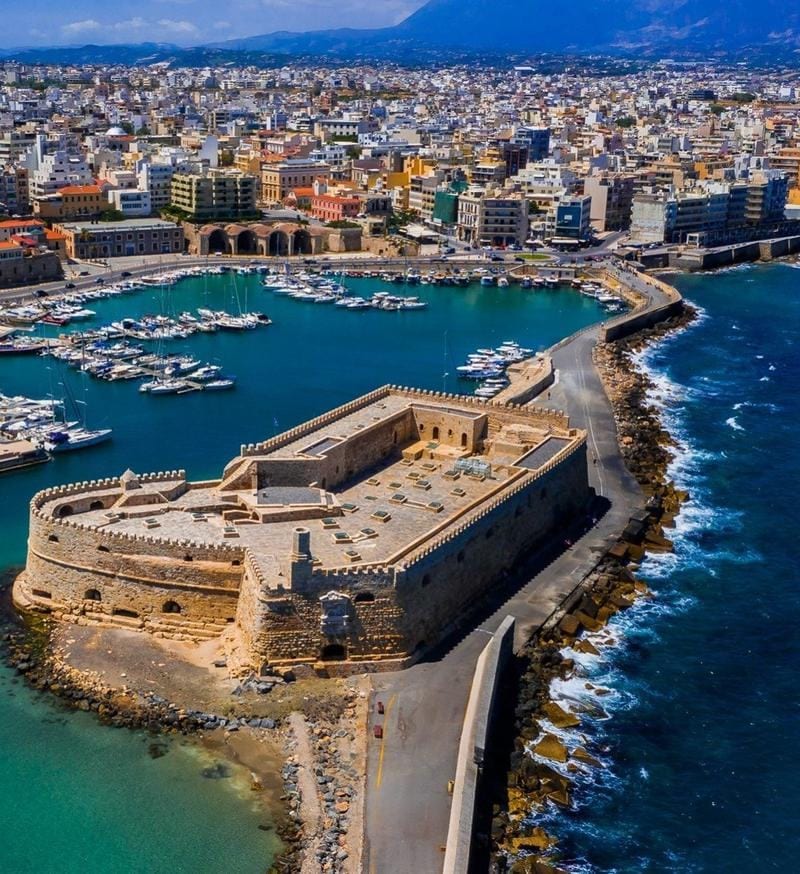
Koules Fortress
Guarding the Venetian harbour is a square-shaped fort built when the island was under the control of the Republic of Venice in the 16th century. Koules Fortress went up between 1524 and 1540 and took the place of an earlier fort built after the Venetians first took Heraklion in the 1200s. It’s no mystery why Koules Fortress has stood the test of time, as it was built to last, and has external walls up to 8.7 metres thick. The building was involved in the second-longest siege of all time, during the Siege of Candia (Heraklion), when the Ottomans were at the gates for 21 years from 1648 to 1669 before the city finally fell. The fort’s upper level has a clear view of the harbour, while in the vaulted passageways below are cannons, hundreds of cannonballs, piles of amphorae, information panels and a brief film about the history of the fort.
Your whole trip in one booking
With WeAreTravelers – a licensed, Athens-based travel agency.
- Zero service fees. Same price as if you organized everything on your own.
- One booking and one payment for the whole trip (instead of separate bookings for each hotel, ferry and flight).
- One local point of contact, who has your back – before you travel, and while you're here.
- Covered by the EU package travel rules. Your payments are protected by law.