 ×
×
 Milos, Santorini, Naxos & Athens Itinerary
 A trip by Sandy PapasGreece Travel Secrets
Milos, Santorini, Naxos & Athens Itinerary
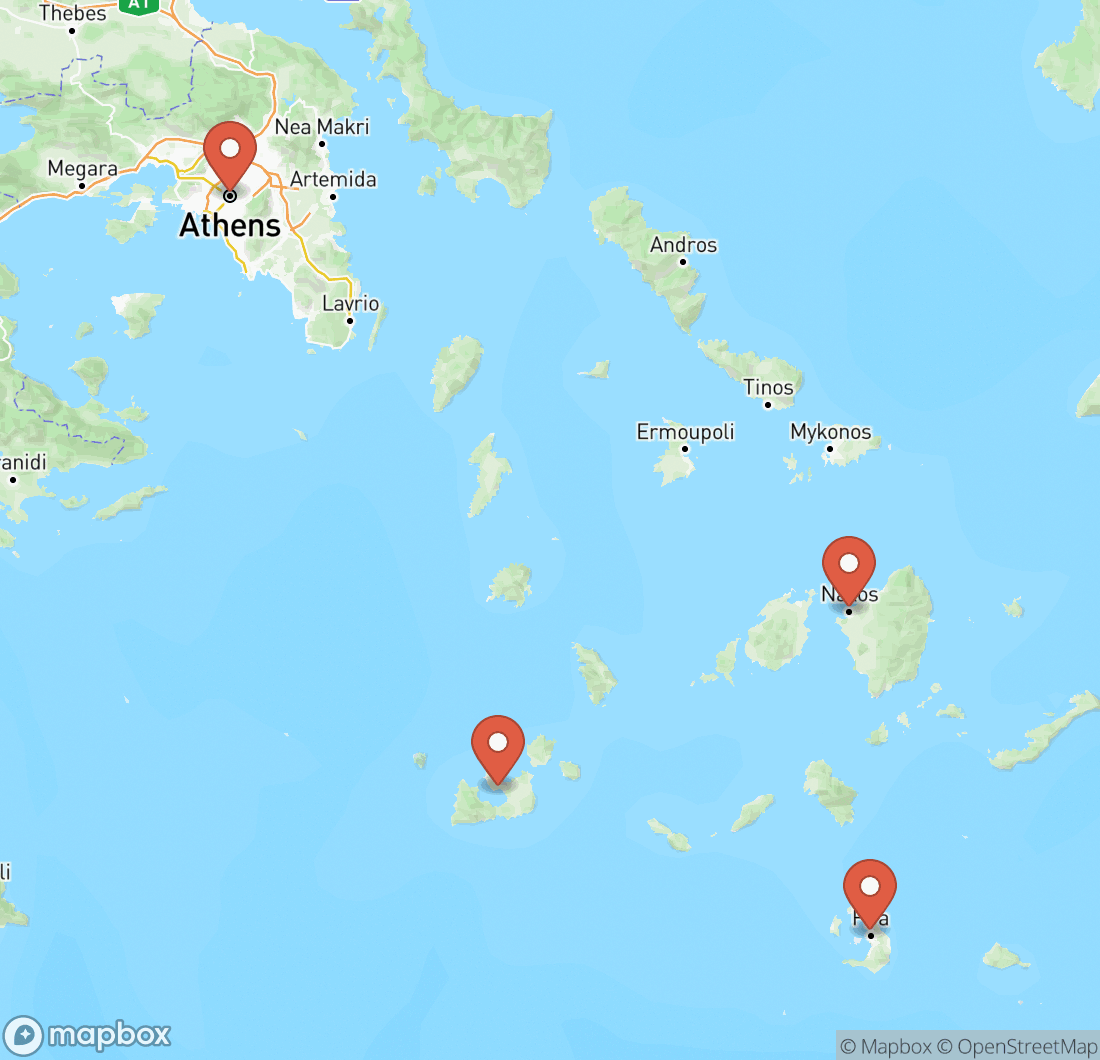
As discerning travellers realise there is more to Greece than just Santorini and Mykonos, other islands are now firmly on people's radar. The magical island of Milos and the perennial favourite, Naxos, are a great combination with Santorini and will ensure a diverse and satisfying vacation.
Milos
Days 1–4 of 14 · 4 nightsMilos is fast becoming one of the most sought after destinations in the Mediterranean. With its extraordinary and very unique geology and topography visitors are in for an assault on the senses with vividly coloured cliffs and beaches from the mining and volcanic activity, which bring with them hot springs and incredible landscapes.
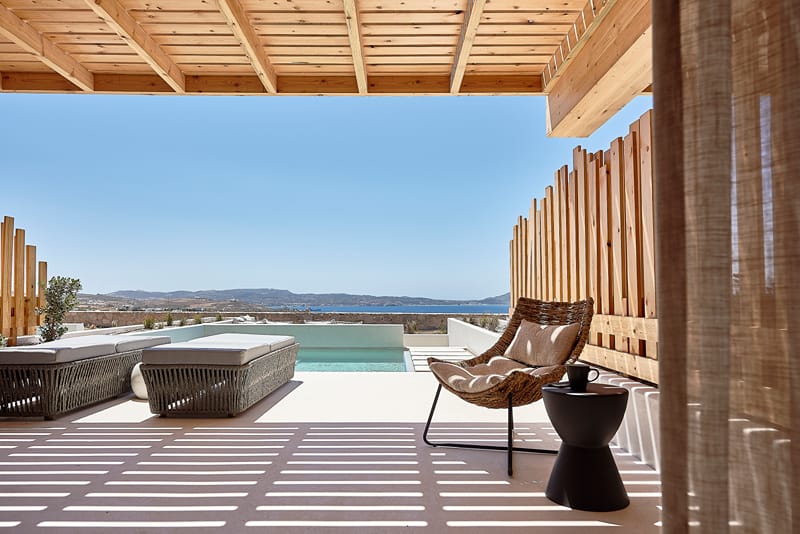
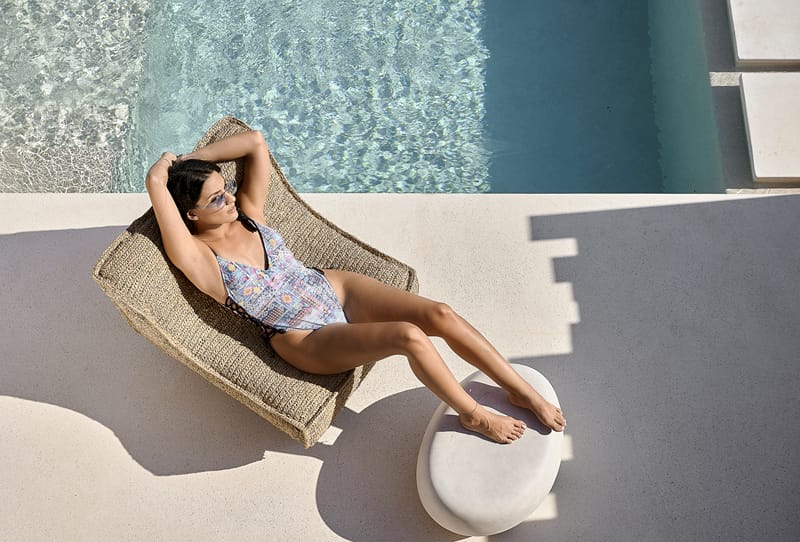
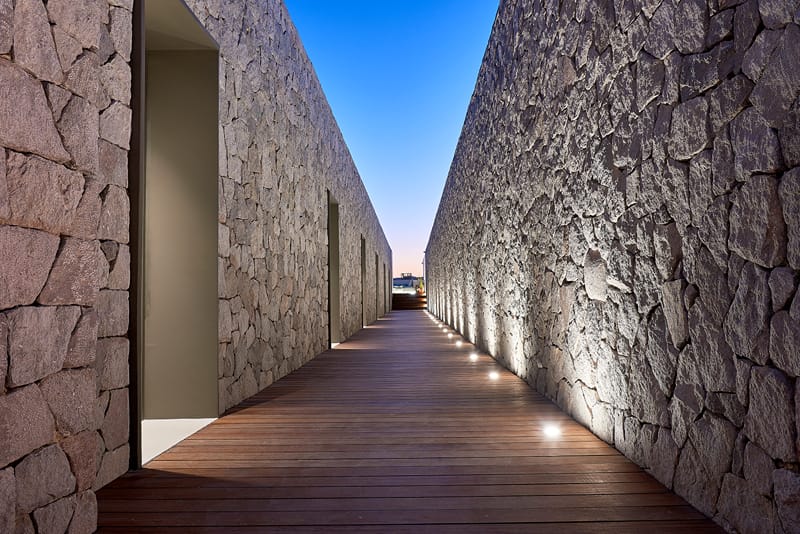
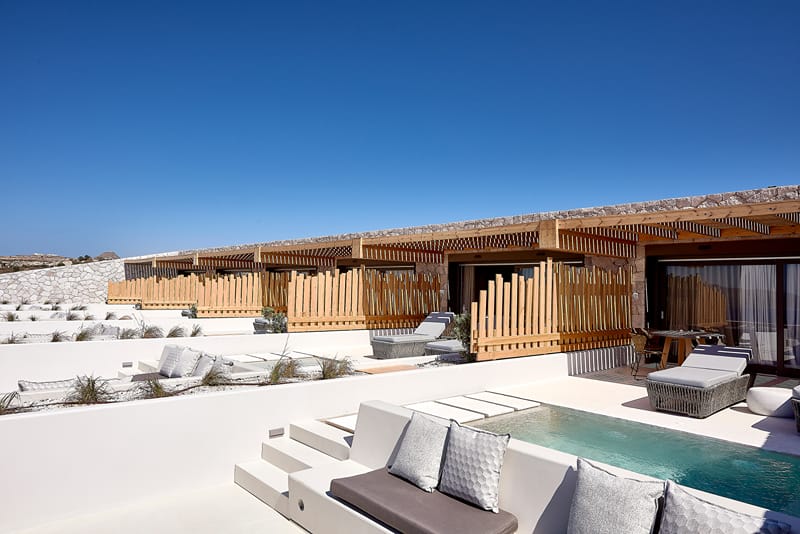
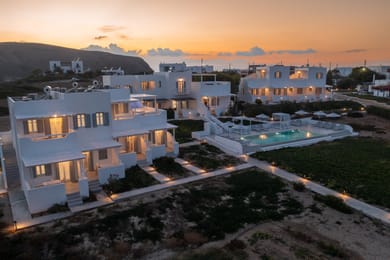
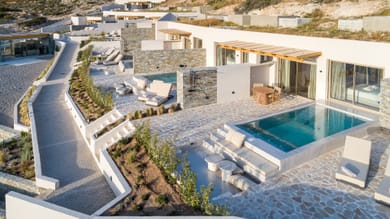
Cave Suites
Private-pool suites with wide sea views, built for quiet.
 9.8
9.8 Alternative places to stay
MilosDay 1
Sarakiniko & the fishing villages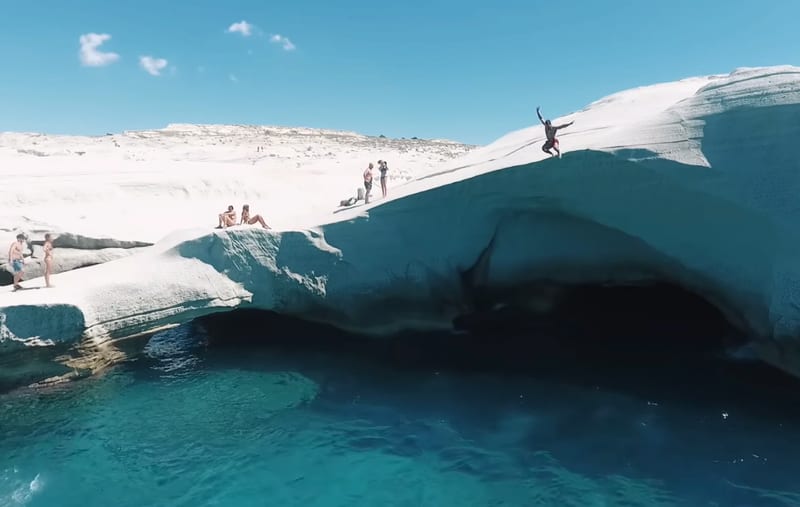
Sarakiniko Beach
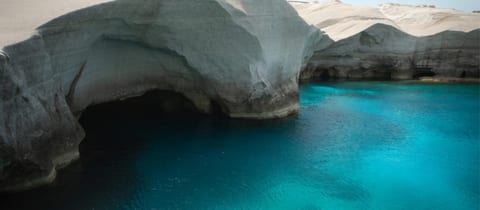
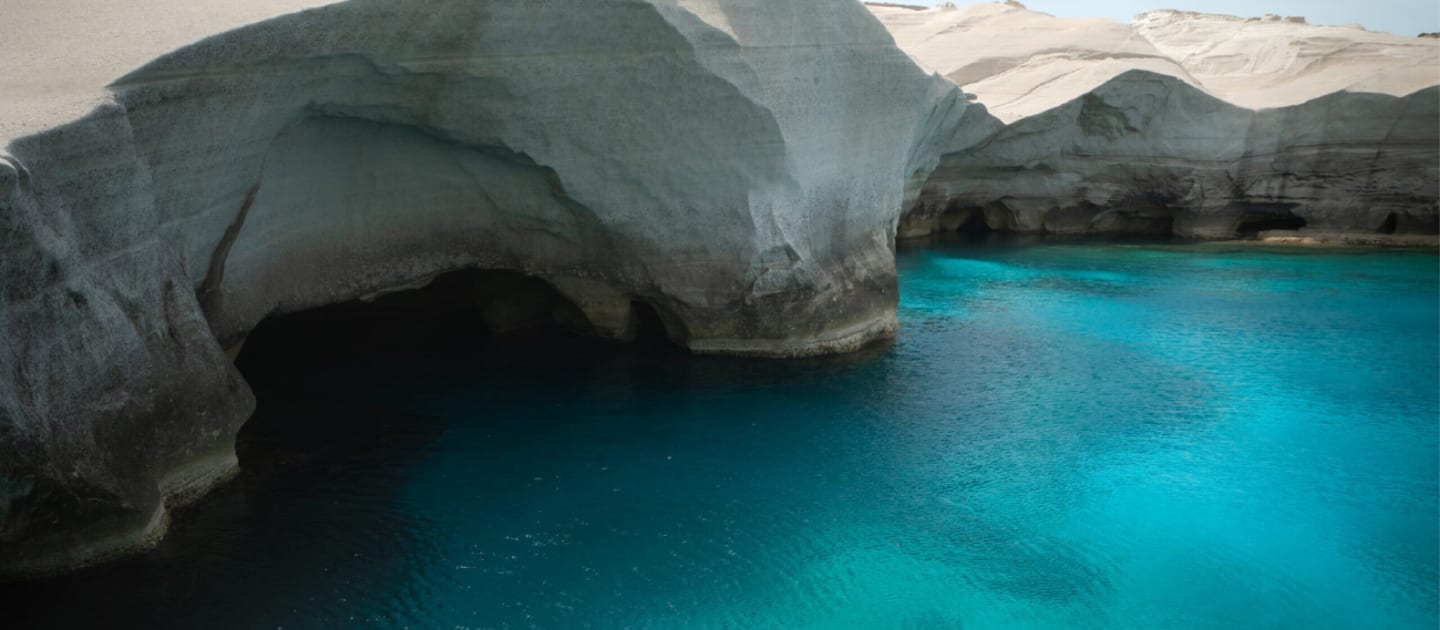
Sarakiniko with its grayish-white, “sculpted” volcanic rocks is famously described as lunar. These amazing formations have been shaped by the waves driven by the north winds, creating a setting often compared to a moonscape. Photo opportunities abound!
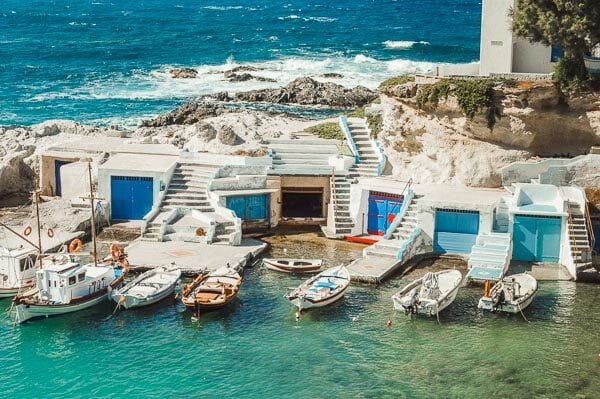
Mandrakia
A tiny postcard fishing village on Milos's north coast – whitewashed houses with boats drawn up to brightly painted syrmata doors, a stubby harbour wall, and Medusa Taverna presiding over it all. This is where the famous hanging octopus drying in the sun lives, where fishermen still mend nets in the afternoon, and where the sunset lights the whole scene like a film set.
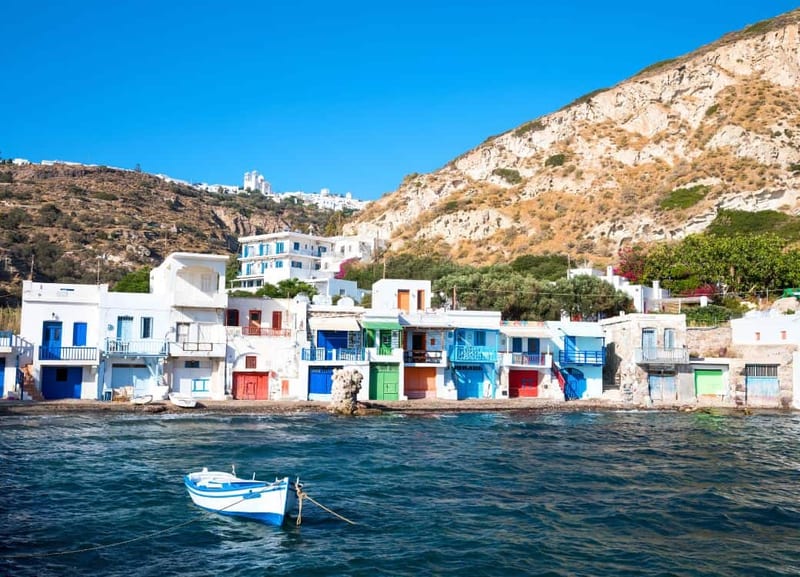
Klima Village
One of Milos's signature colourful fishing villages – white-and-blue 'syrmata' boathouses carved straight into the cliffs, doors brightly painted, fishermen's boats pulled up to the door. Along with Mandrakia and Firopotamos it is the fishing-village trio nobody misses. Arrive toward golden hour when the pastel doors glow.
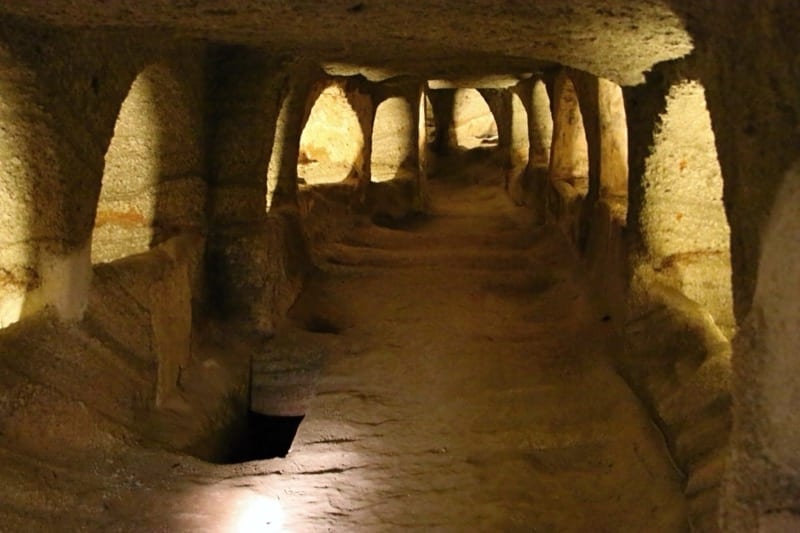
Catacombs of Milos
One of the most important early-Christian monuments in the world – a 2nd-century underground burial complex carved into the volcanic hillside above Trypiti. Three connecting galleries, hundreds of arched tombs, and traces of original wall paintings. A short, atmospheric visit and an unexpected counterpoint to the island's beach reputation. Closed Tuesdays.
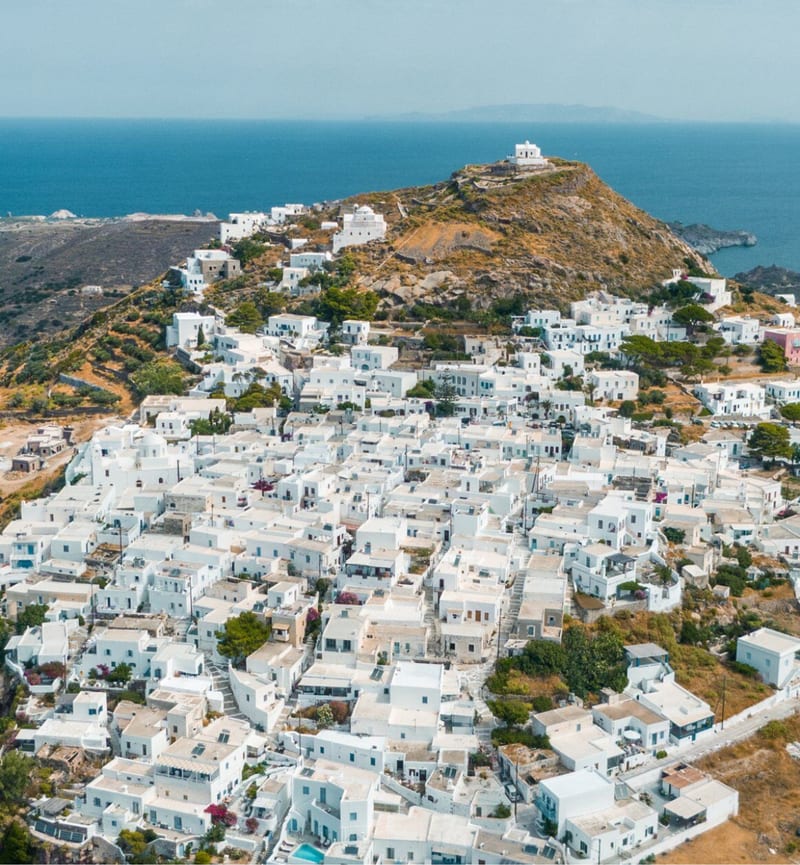
Plaka Village
Plaka is the chief town in Milos, a Greek island in the Cyclades group. It is perched on the top of large rock, overlooking the gulf of Milos. No cars can enter the village because of the narrow spaces between walls and buildings. Motorbikes, mopeds and the like are the only usable vehicles.
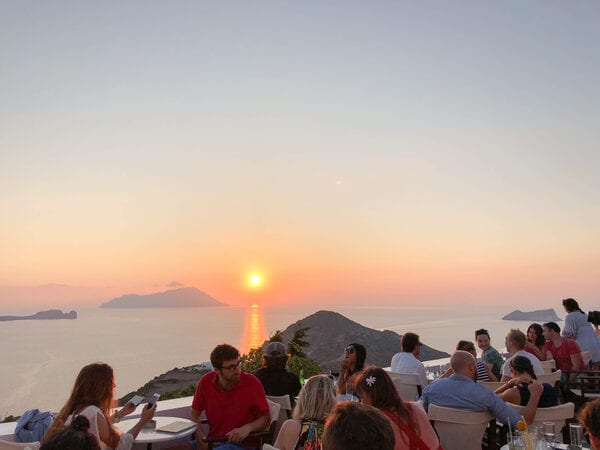
Utopia Caffe
In Plaka you will also find a couple of great bars. Utopia Caffe is the place to be seen and the place to see incredible sunset views, as good as anywhere in Greece. Climb up through the whitewashed alleys in the hour before sundown and claim a cushion on the terrace – the whole west coast of Milos spreads out below.
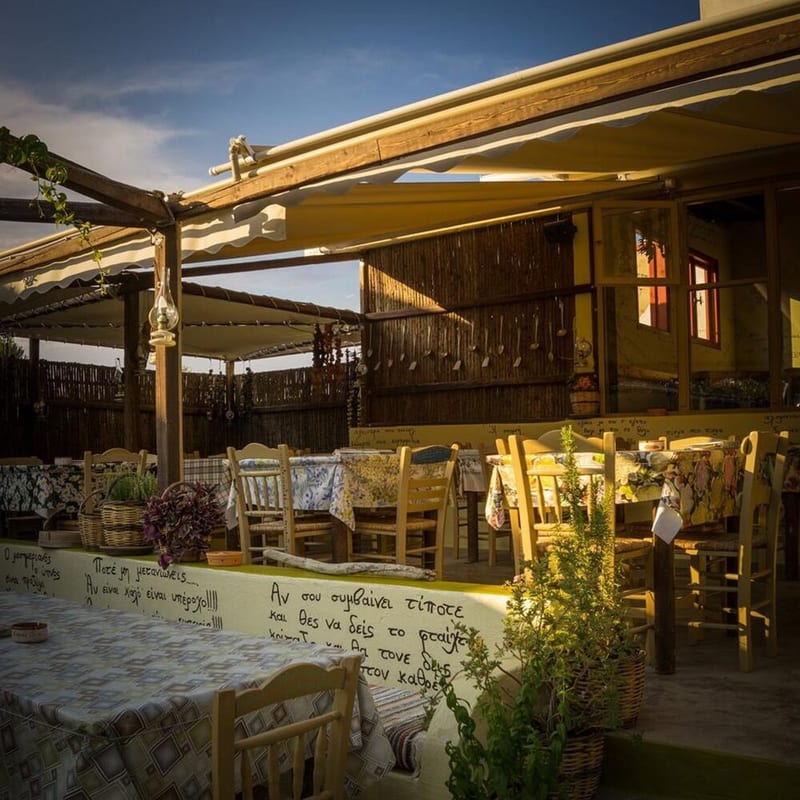
O Hamos Tavern
The legend of O'Hamos has spread across all of Greece, if not to many other parts of the world. Operating for over 30 years, this family established one of the first paddock-to-plate models in Greece, with everything at the restaurant grown by them, including the meat, cheese, fruit and vegetables. You may need to queue during busy periods, but it's a spacious taverna with a big garden, and the wait times are not usually long.
MilosDay 2
The Kleftiko Cruise & Adamas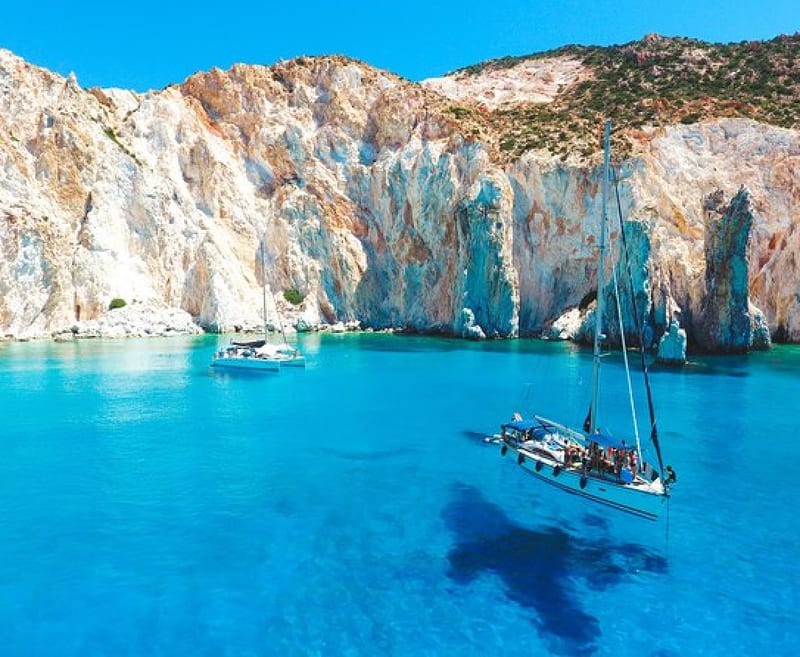
Daily Cruise to Kleftiko - Polyaigos
Full-day sailing cruise to Kleftiko with lunch and snorkelling – consistently the best-rated activity on Milos. The pirate caves and white rock towers of Kleftiko on the south-west tip are only reachable by boat, and breaking the day up with swims at Poliegos and a proper taverna lunch on deck is the right way to see them.
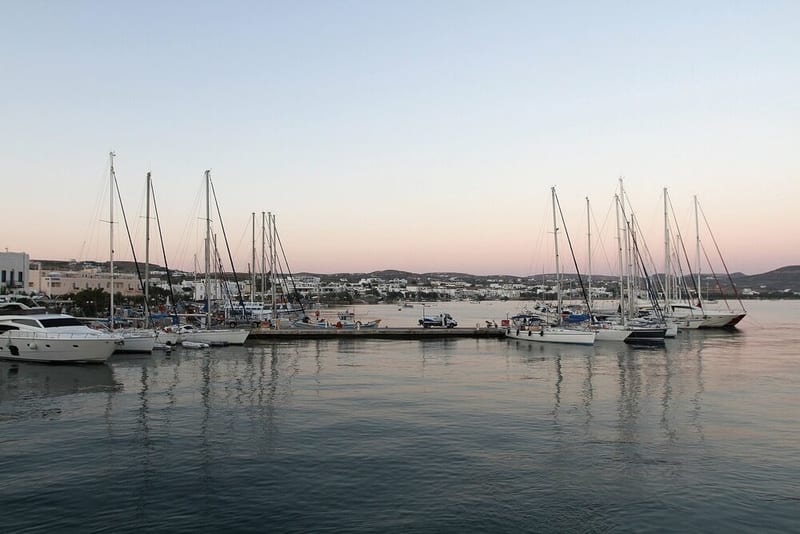
Adamas
Milos's port town and lively heart – where the ferries dock, the restaurants line the waterfront, and the evening passegiata happens. The Mining Museum on the eastern edge tells the volcanic-island story; the small chapels and the inland streets reward an hour of wandering. A natural base for the easy day in the middle of the trip.
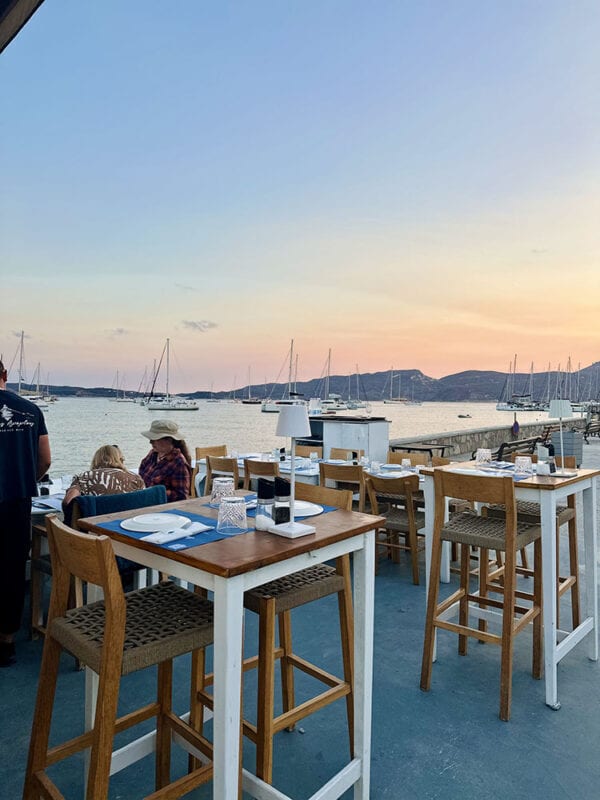
Mikros Apoplous
In Adamas don't miss Mikros Apoplous – right on the waterfront and one of the best seafood restaurants in the Cyclades islands. With a chilled cabinet of fresh seafood to choose from, including lobster and fish, you will be amazed at the value you get for your money here. Not to mention the incredible views, especially at sunset!
MilosDay 3
Paliochori, Fyriplaka & Pollonia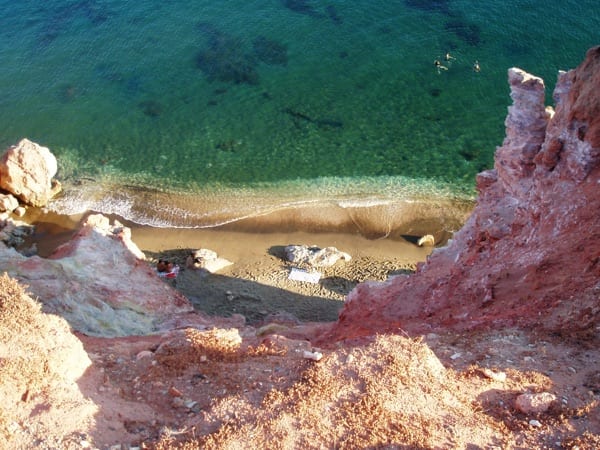
Paliochori Beach
Volcanic colors you won't find on any other shoreline – dark sand giving way to red and yellow cliffs that still vent heat from below. Paliochori stretches across three coves on Milos's south coast, each with its own character. The central section is where beachside tavernas grill fish over geothermally heated sand – order the baked tomatoes, cooked in the earth itself. Hot mineral springs bubble up through the seafloor in the shallows, warming patches of water to almost bath temperature. The multicolored rock formations behind the beach shift from ochre to green to rust, proof of the island's volcanic restlessness. Sunbeds available in the main cove; the western section is quieter.
Fyriplaka Beach
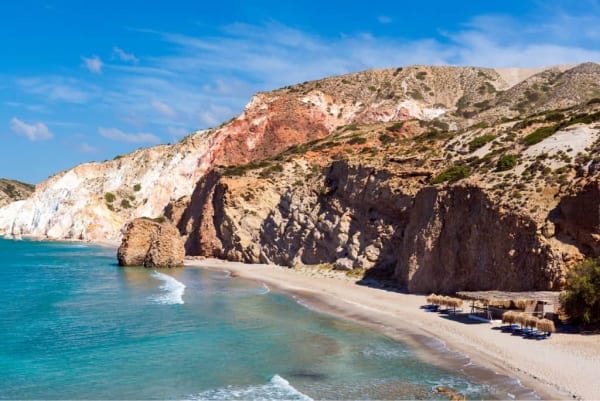
Firiplaka with its towering volcanic cliffs, snow-gray fine sand, white pebbles and shallow turquoise waters is situated between the beaches of Provatas and Tsigrado. The extensive beach has umbrellas, sunbeds and a bar hut. There is also a cave under a huge rock in the water near the shore carved out of a volcano a long time ago. Access to the beach is possible by your own vehicle, taxi, bus or even by boat which goes around the island, starting from the port of Adamas. While most of the road is asphalt, the last part of it is a gravel paved driveway.
Pollonia
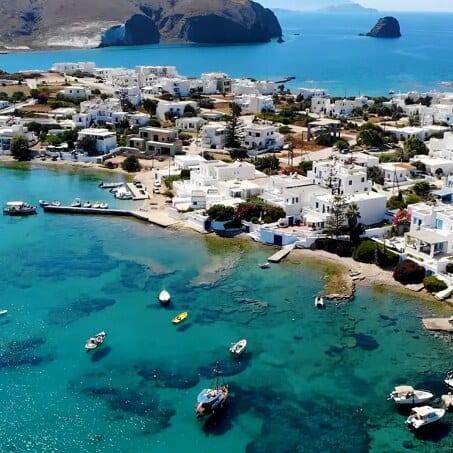
Pollonia or Apollonia is a seaside village in the north-eastern part of the island of Milos, Greece. It is the second harbor of Milos island after Adamantas and it has taken its name from the temple of Apollo that existed to the east of the settlement.
Kostantakis Winery
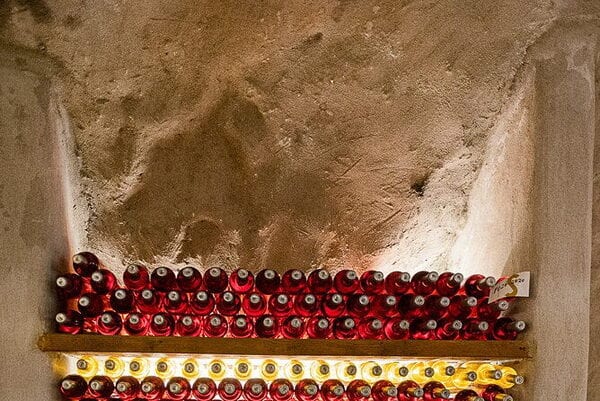
Sample local wines at Kostantakis – a cave winery outside Pollonia where the barrels age in galleries carved into the volcanic rock. The tasting flights move through Milos's indigenous Assyrtiko and Mandilaria, paired with local cheeses and the sort of vineyard view the tour brochures try and fail to capture. Book ahead in summer.
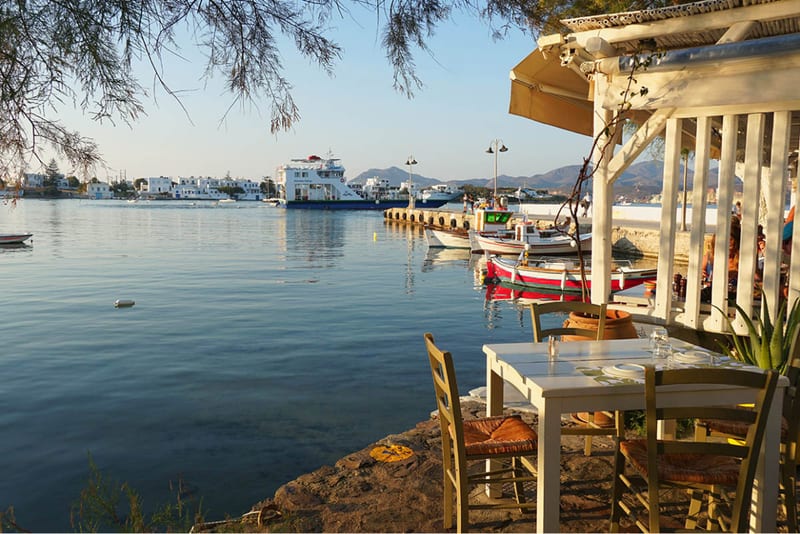
Yialos Restaurant
Considered by many as the best of the seafood tavernas that line the waterfront bay at Pollonia, Gialos is a lovely spot to sit and watch the goings on at the small harbour. The chilled cabinet of whole fish and lobster lets you pick what lands on your plate, and the view is as good as the catch.
MilosDay 4
Kimolos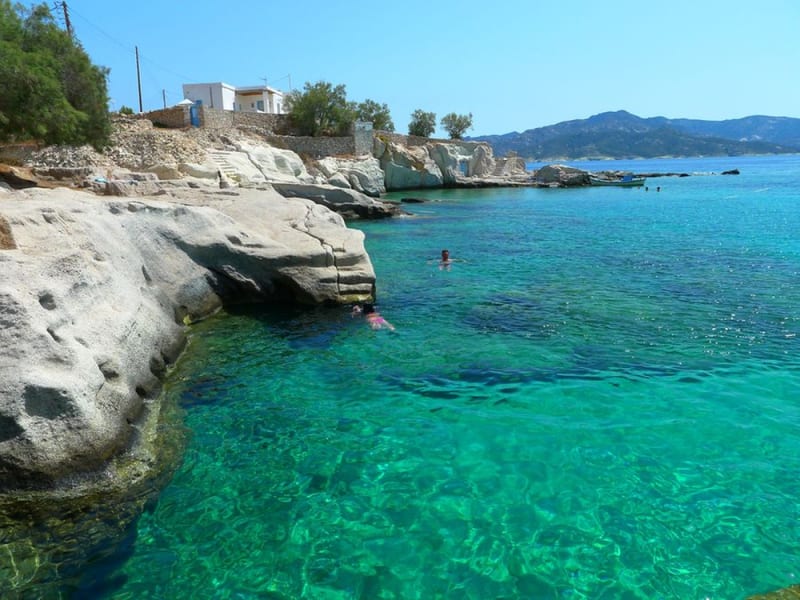
Prassa (Agios Georgios) Beach - Kimolos
Prassa is a coastal area on the Northeast part of Kimolos, overlooking a small island called Prasonisi. Its fame comes from the same-named white beach (or Agios Georgios beach) that is situated in the northeastern part of the bay. Prassa is arguably the most stunning beach of Kimolos. It has never seized to amaze visitors with its brilliant light blue – sapphire waters and its powder-like white sand. The vivid blue color against the white sand creates an amazing Caribbean-like scenery, excellent for swimming. The waters are so clear that you can see the interesting underwater life, spot corals and sea urchins as well as colorful reef fish. Prassa is accessible by car and by bus through a good-condition dirt road and currently has a small beach bar and a few umbrellas. In August, Prassa can be quite busy with sailboats and small yachts, but it still worths a visit.
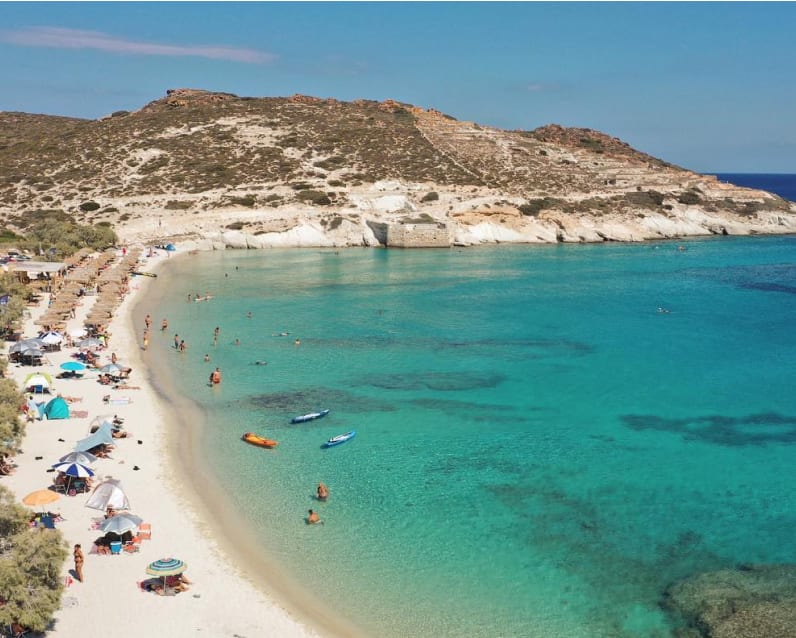
Karras Beach - Kimolos
To the north of Psathi-Kimolos, you will find Karras Beach, an ideal place for swimming and a spot of sun bathing on the rocks. The rocks are totally worth exploring and seabed is good for snorkeling. The beach has lovely views and clear water for jumping in and swimming. Karras is accessible by 15-minute walk from the town (Chorio). If you visit the beach, do not miss to walk or swim to Goupa which is right next to it. It is not a place you would spend too much time but well worth for a couple of hours. There is no shade or any facilities so, bring a hat, sun cream, water and some snacks to eat. Apart from some rooms to let, there is no real infrastructure for tourists.
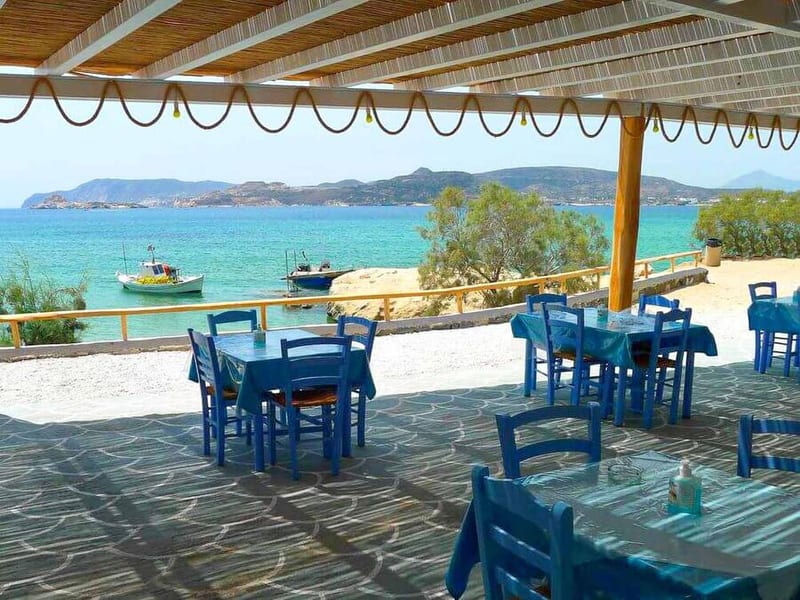
Kalamitsi Tavern - Kimolos
A family taverna on the sand of Kalamitsi beach since 1991, now run by Stelios, the second generation. Almost everything on the table is the family's own – rooster, rabbit, moussaka, vegetables from their plots – served under the reed canopy with fishing boats bobbing in the shallows and Milos across the strait. The way island lunches used to be.
Santorini
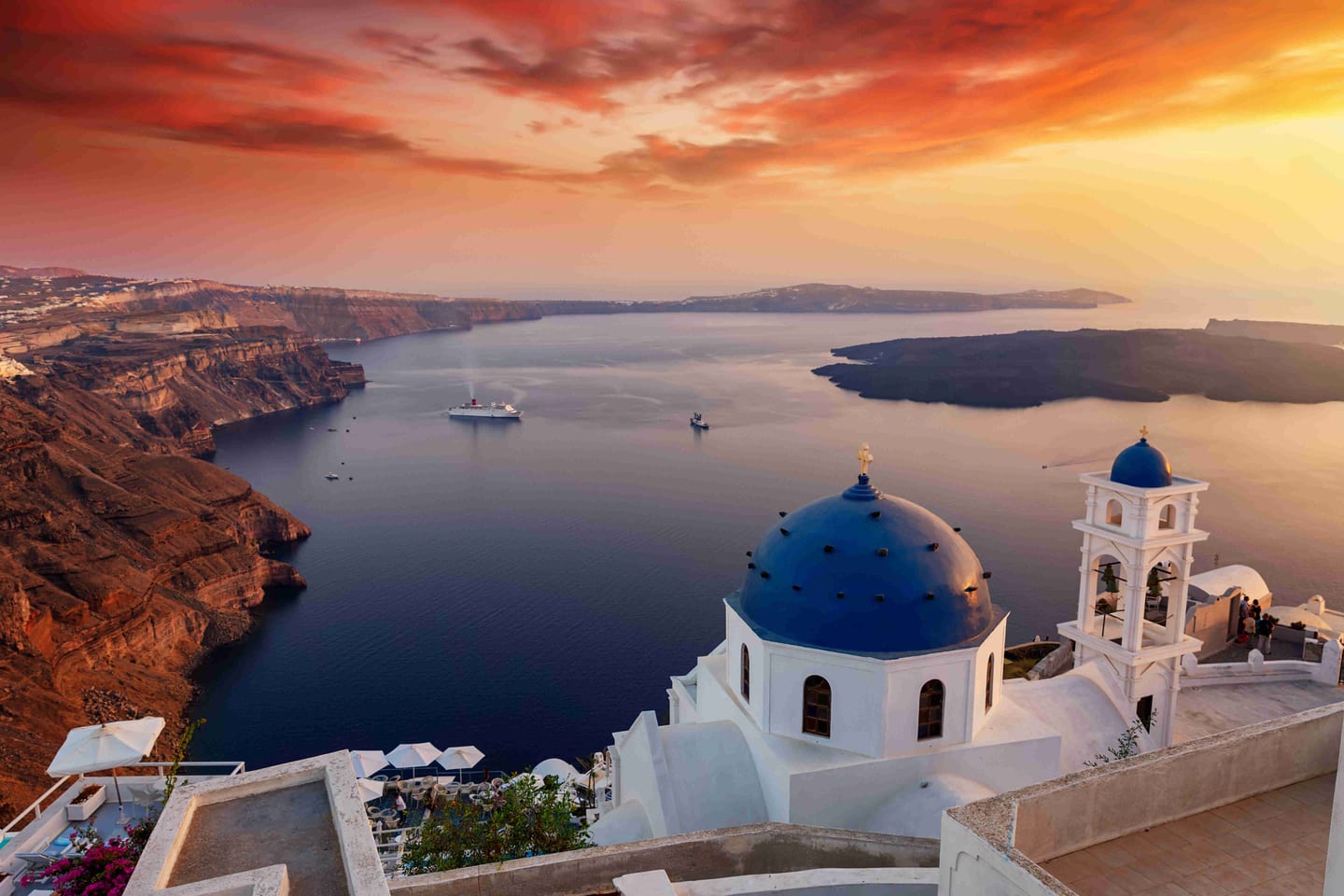
Days 5–7 of 14 · 3 nightsSantorini is a bucket-list destination for most people, and for good reason. Despite the cruise ships and the crowds, it remains one of those places that not only meets your expectations but probably exceeds them. The views truly are the stuff of legends, and it is little wonder it is so popular with honeymooners.
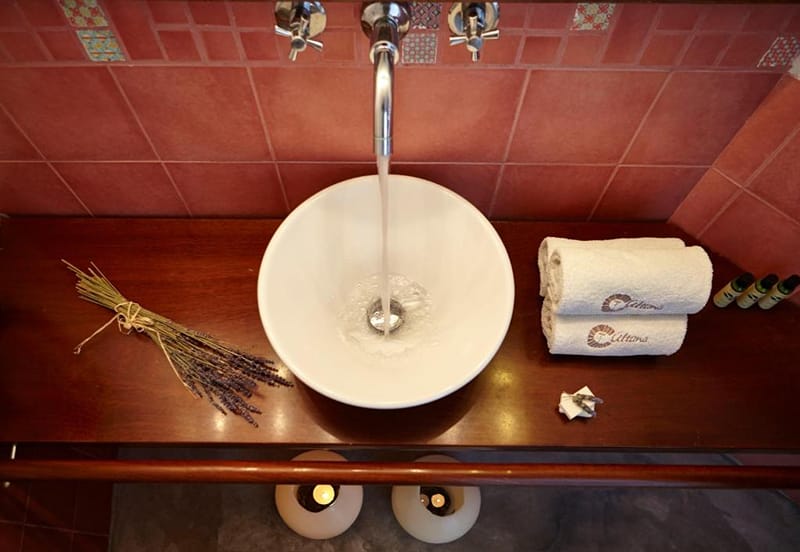
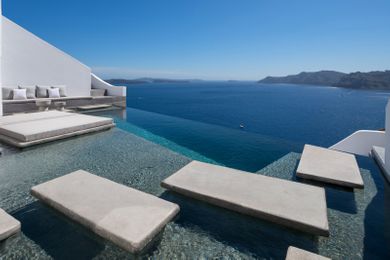
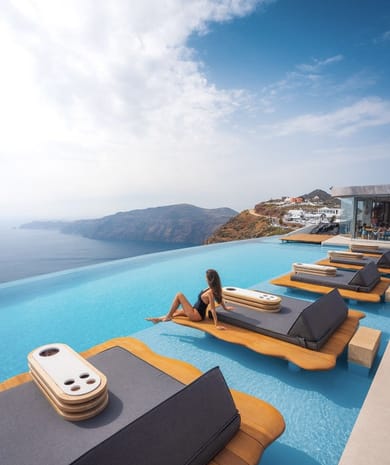
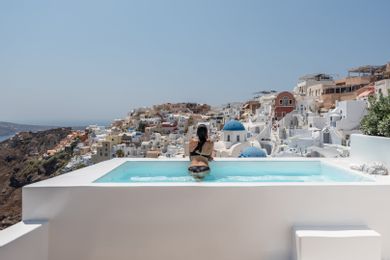
Altana Heritage Suites Santorini
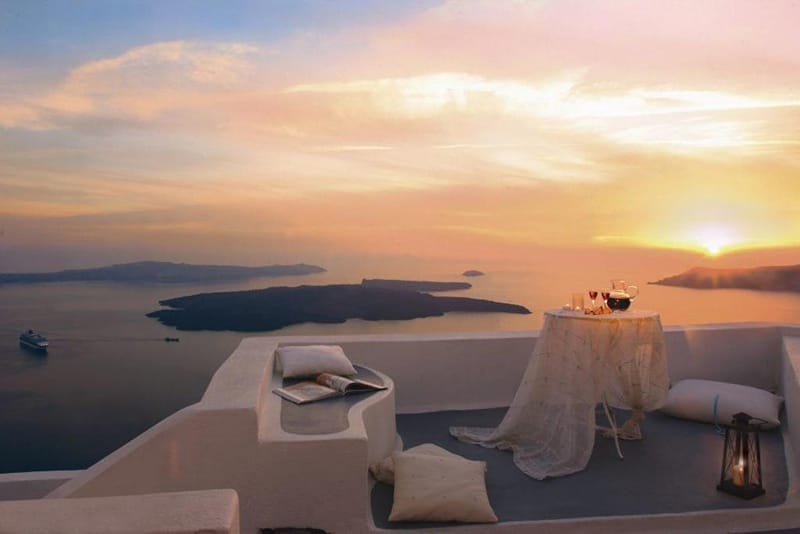
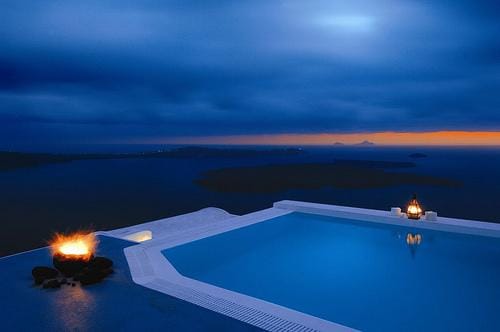
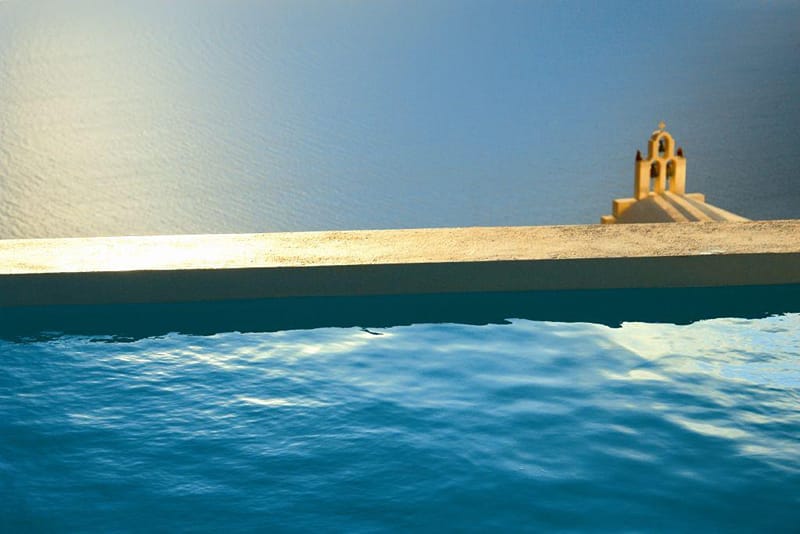
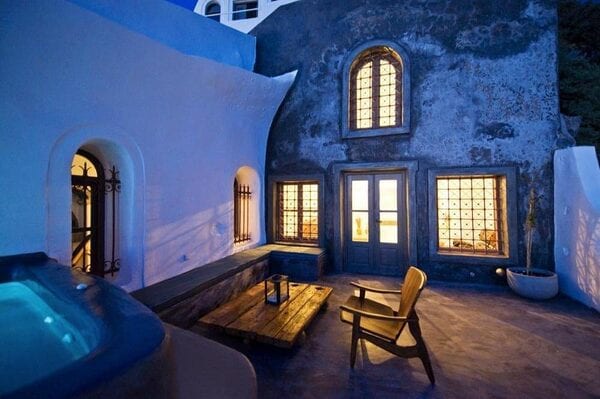
Cave suites and apartments on the Imerovigli caldera edge – a sunset terrace, a small pool, Skaros Rock a short walk away.
9.9 Alternative places to stay

SantoriniDay 1
Kamari, Ammoudi Bay & Oia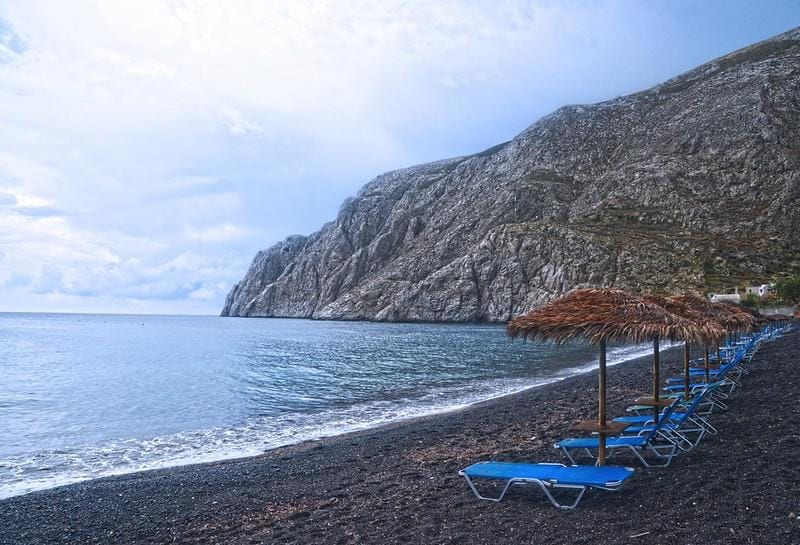
Kamari beach
Kamari Beach is one of the most popular and most visited beach resorts in Santorini. It is located in the seaside village of Kamari. The beach is composed of black volcanic sand and is 5 kilometers long, among the 3 longest beaches in Santorini, with deep crystalline waters and a series of trees. It is fully organized with hundreds of sunbeds and umbrellas, showers, a lifeguard on duty and numerous facilities.
Ammoudi Bay
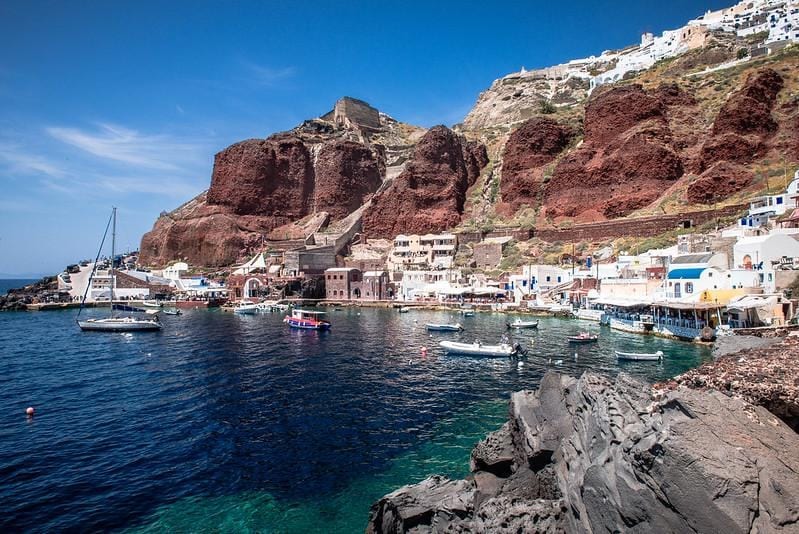
At the bottom of the scenic village of Oia, lies the charming, small port of Ammoudi. It is a beautiful, tiny cove with crystalline waters and fishing boats lying in the sea. Here there are no beaches, sand, sunbeds and umbrellas but you can have a distinctive experience by swimming from the dock. Nevertheless, it is preferable that you follow the path, past the taverns, that ends up in an awesome diving area with crystal clear waters.
Oia
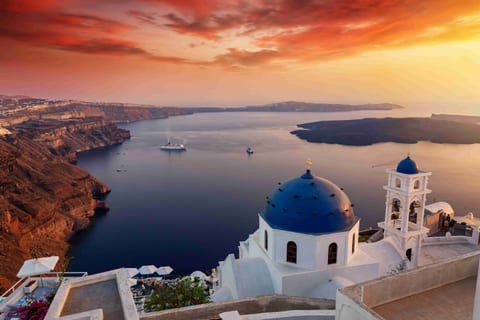
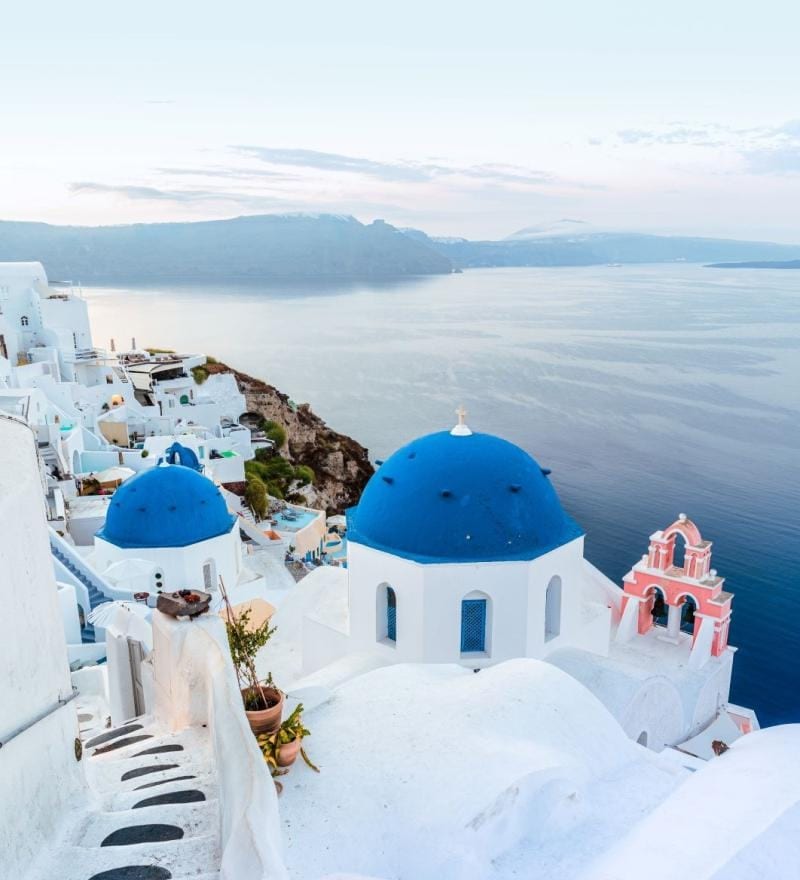
Explore the maze of streets in Oia, including the blue-domed Panagia Platsani church, then walk down to Oia Castle and jostle with the crowds for those famous sunset photos. Despite the cruise-ship hours, the blue hour after everyone clears out belongs to the people who stayed.
Santorini Mou
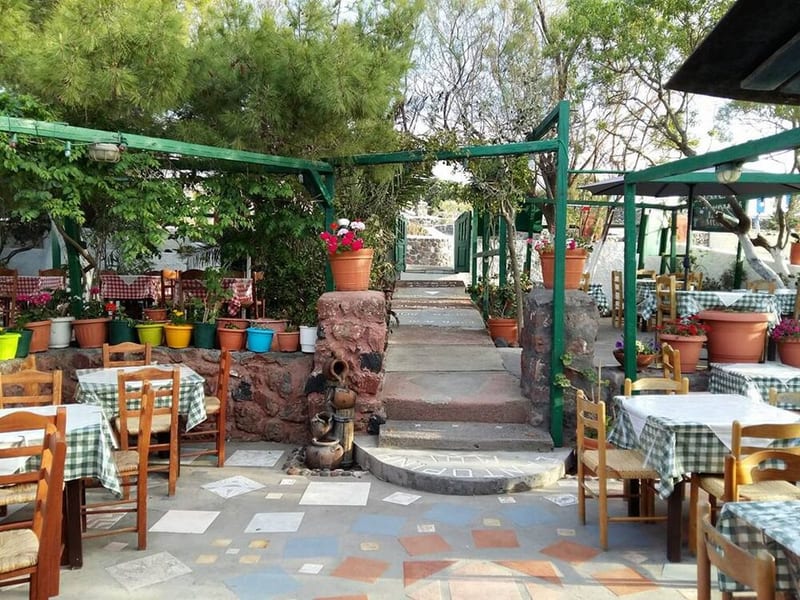
A family taverna in Finikia, a few minutes' walk below Oia, where dinner comes with live Greek music almost every night – the owner straps on his guitar around nine and the singing runs late. Checked tablecloths, a flower-filled courtyard, lamb and fish done simply and well. Book a table; the garden fills fast in summer.
SantoriniDay 2
The Caldera Cruise & Pyrgos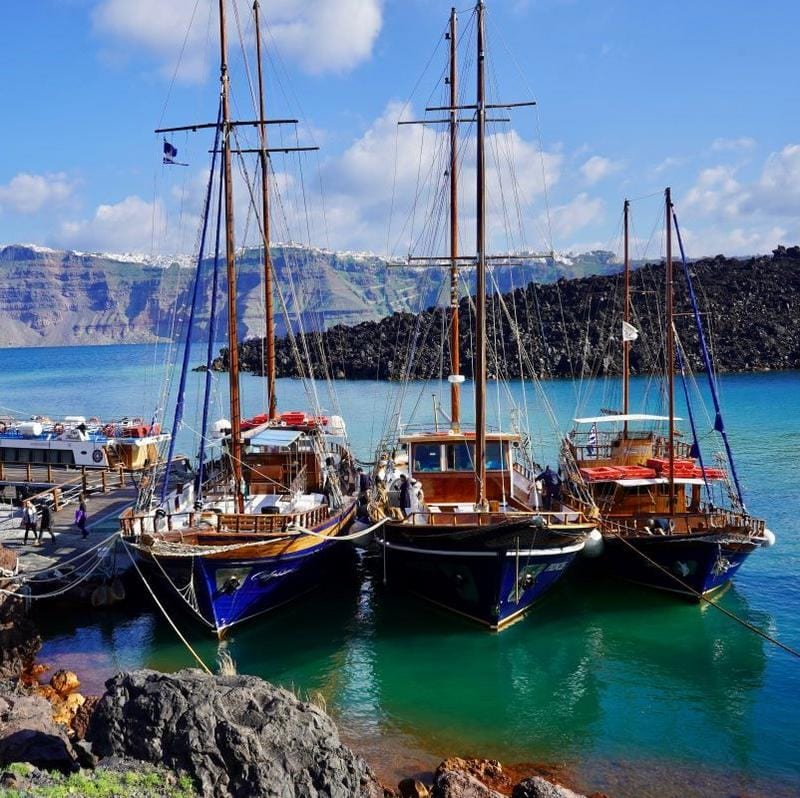
Santorini Caldera Cruise
A classic – Red Beach, White Beach, Hot Springs in Palia Kameni, Nea Kameni, swimming, snorkeling, volcanic bath (optional) and a greek meal with beer and wine included on this cruise on a modern catamaran yacht. Capture stunning panoramas of picturesque Santorini and its volcanic lagoon. Transfer from and to your hotel / vacation rental, as well as snorkeling equipment, also included. We will provide full details, and proceed to reservations if you wish, following your booking.
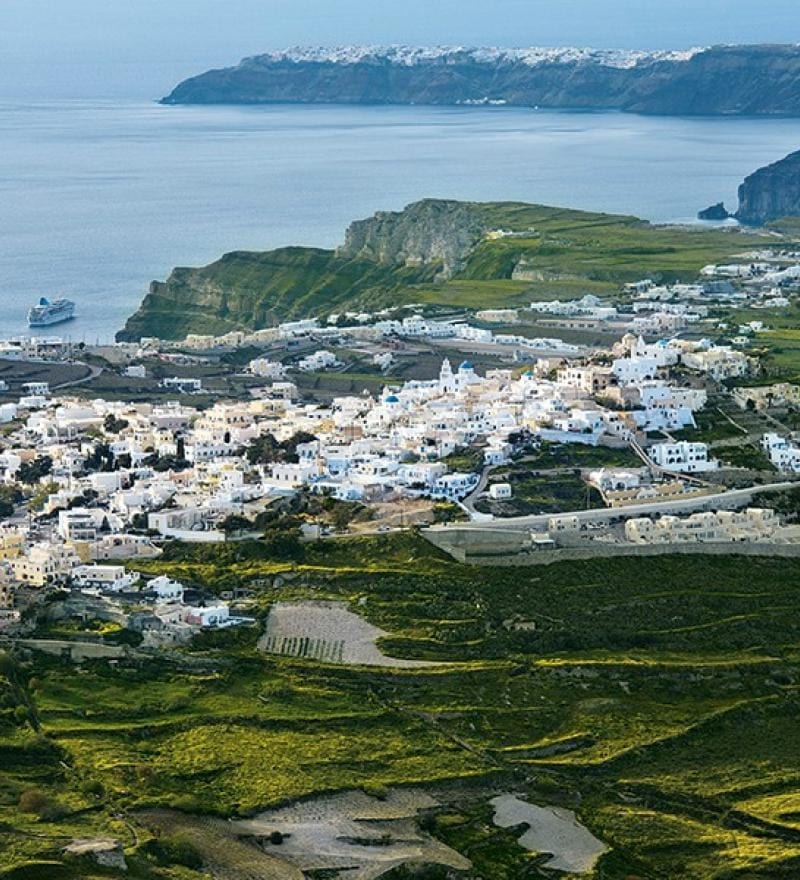
Pyrgos
Pyrgos is a big village, with many mediaeval houses and noteworthy churches offering an excellent view of the island
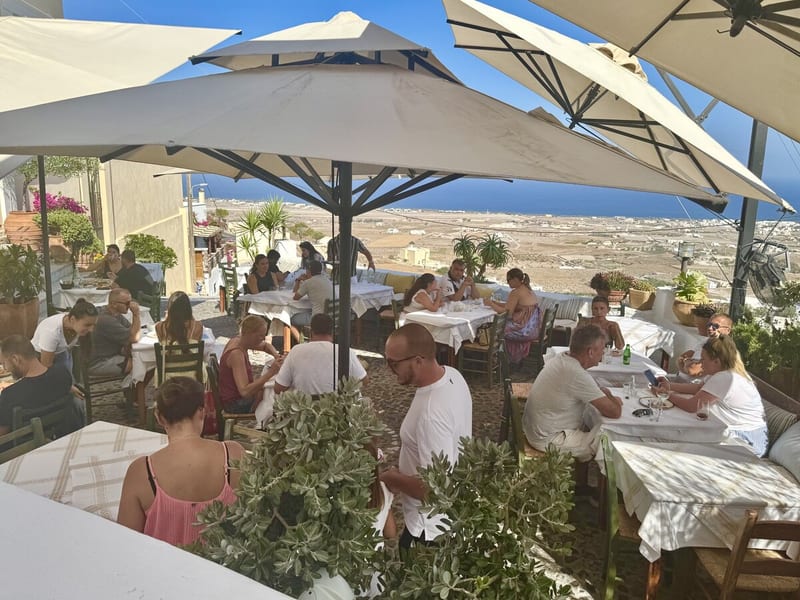
Metaxy Mas
Metaxi Mas is legendary and is great for both lunch and dinner, with views across the island from its terrace in Exo Gonia. Book ahead – the room is intimate and the same people have been coming back for twenty years.
SantoriniDay 3
The Caldera Walk & the Wineries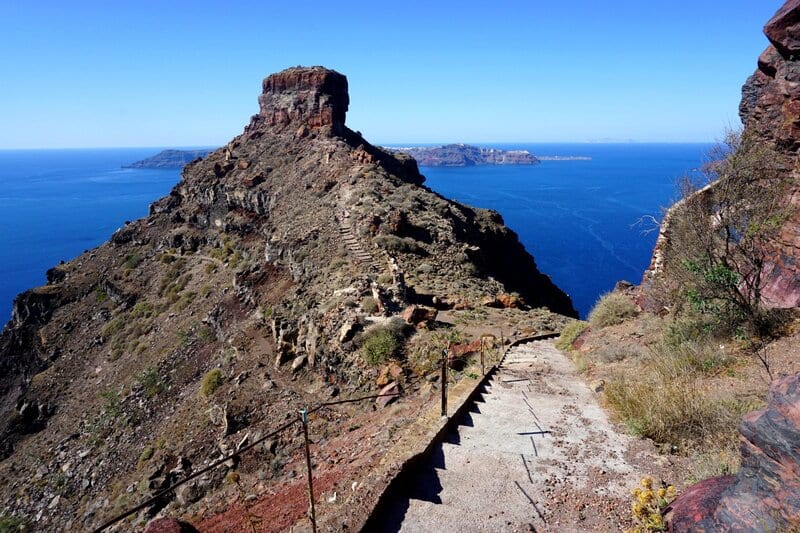
The Caldera Walk
Three kilometers along the volcanic rim – one of Europe's great walks. Fira through Firostefani to Imerovigli.
Wine Tasting Tour
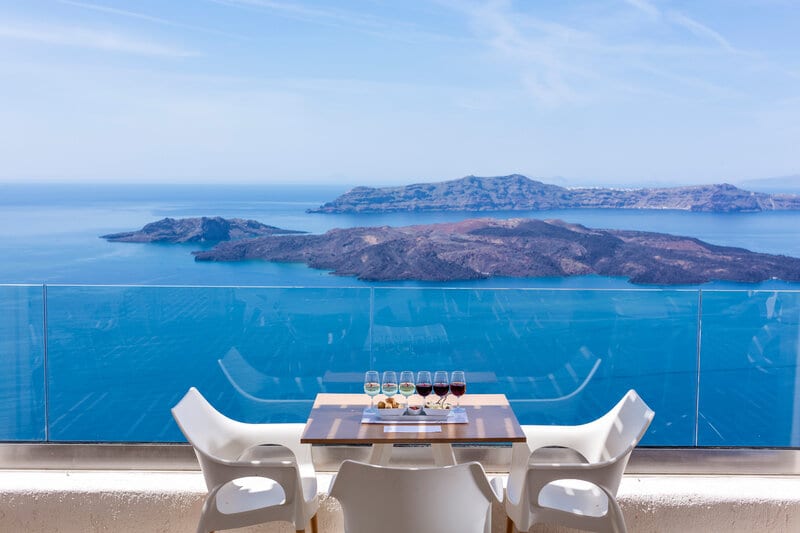
Volcanic soil, sea spray, and 3,500 years of winemaking – Santorini's vineyards produce whites unlike anywhere else. A half-day tour visits two or three estates, sampling Assyrtiko (crisp, mineral, electric), Nykteri (barrel-aged and honeyed), and Vinsanto (sun-dried grapes turned liquid amber). The vines grow pruned into low baskets – kouloura – to shield grapes from the Aegean wind. Santo Wines and Venetsanos have caldera-view terraces; Domaine Sigalas is the serious oenophile's pick. Most tours include local cheese and olive pairings. Book a sunset session if available – the caldera turns gold through a wine glass.
Le Moustache Pool Lounge
Caldera-edge cocktail bar and pool lounge – daybeds by the infinity pool, a DJ that starts slow and builds into sunset, a cocktail menu that takes Santorini's volcanic produce seriously. For that one evening you don't want to cook dinner with the rest of the island, just order another round and watch the colour change.
Naxos
Days 8–11 of 14 · 4 nightsNaxos is the largest and greenest island in the Cyclades group. It is known for its excellent beaches, charming mountain villages and thriving agricultural industry which makes it a very different island to both Milos and Santorini.
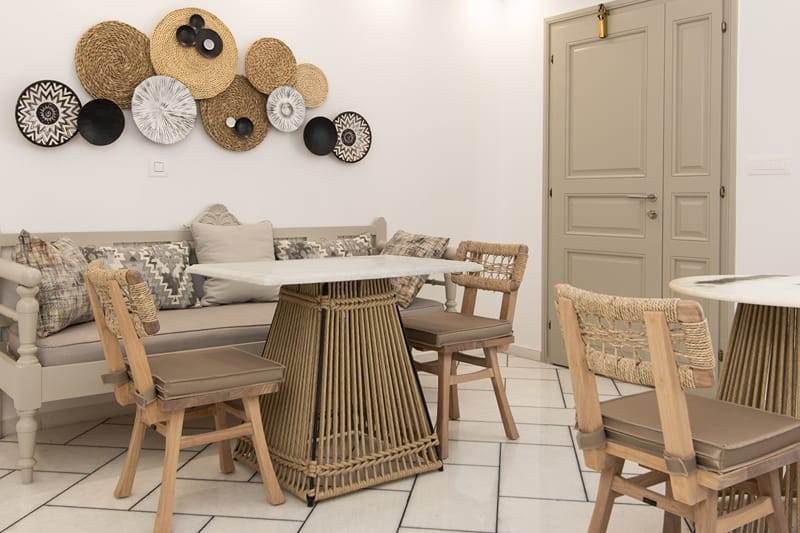

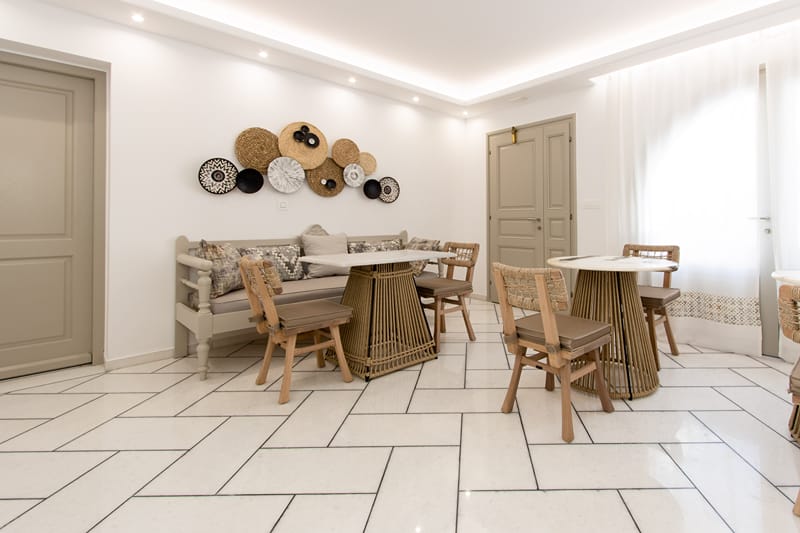
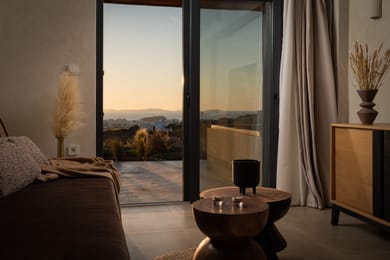
Villa Flora Naxos
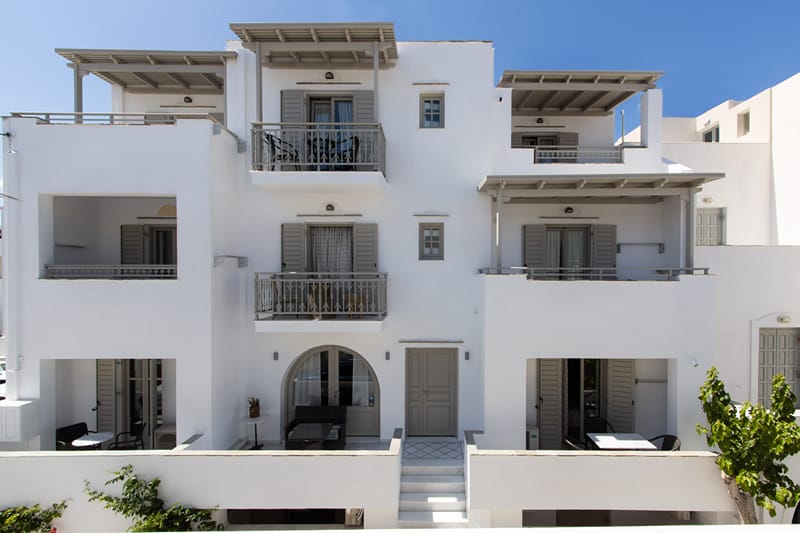
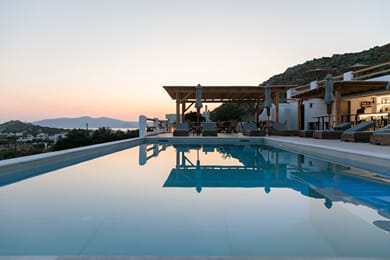
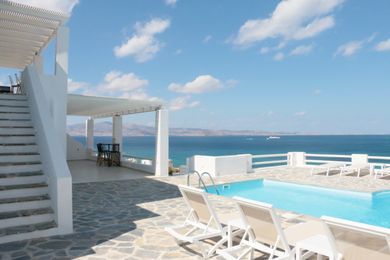
A simple, well-kept hotel a short walk from Agios Georgios beach and the Chora lanes – breakfast on the terrace, the Portara ten minutes away.
9.1 Alternative places to stay
NaxosDay 1
The Portara & Naxos Town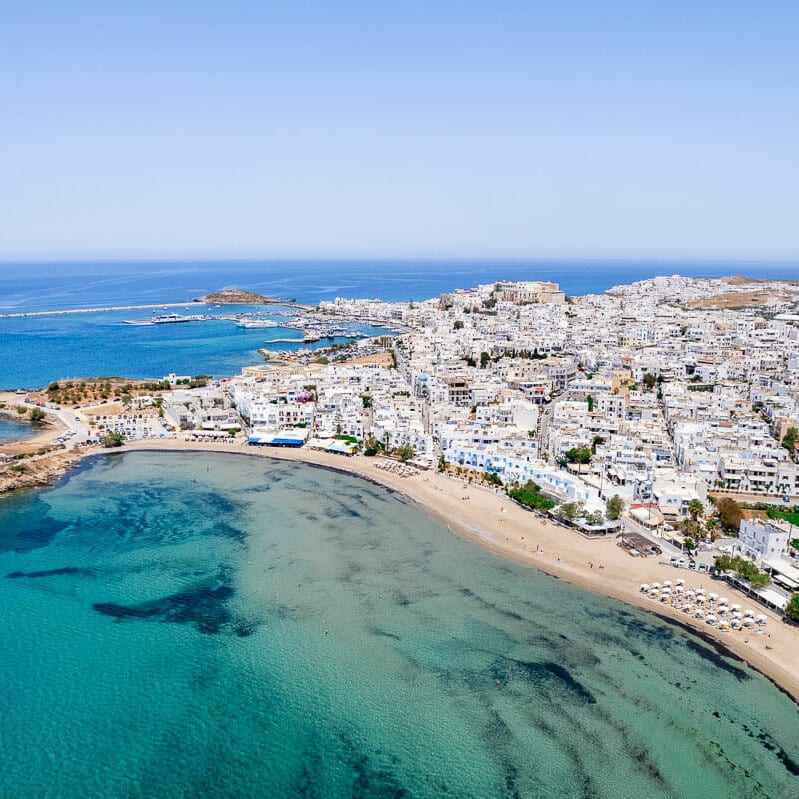
Agios Georgios Beach
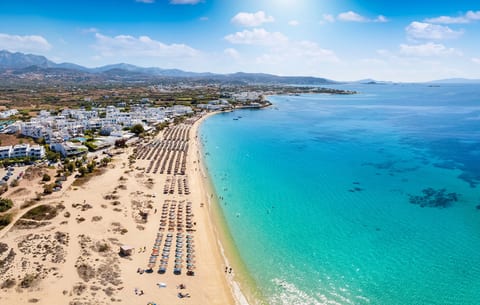
Chora's own beach – a shallow sandy crescent curving south from the old town, water so calm it feels like a lagoon. You can walk to it from the port in ten minutes, drop your bag at a beach bar, and be swimming before lunch. Families love the gentle shelf; the south end is where the windsurfers go out. The rocky islet with the whitewashed church is the photo.
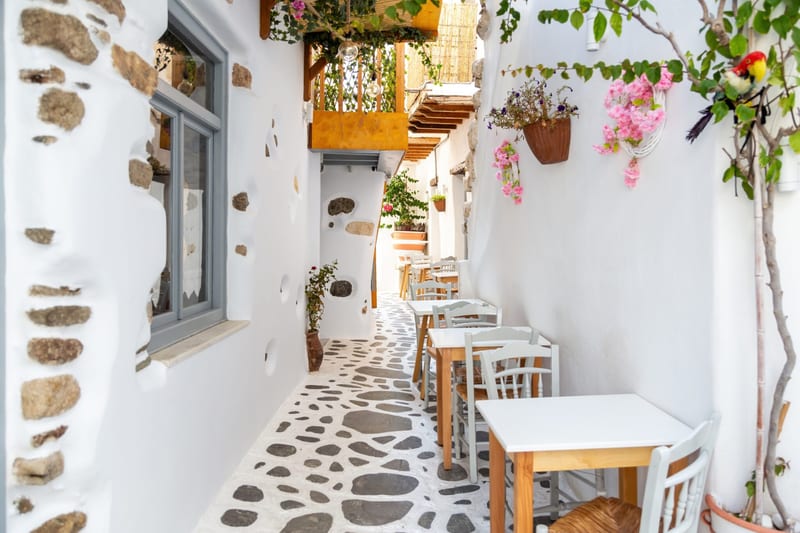
Naxos Town (Hora)
Chora is a charming and quite lively town with a Venetian Castle, the 'Old Market', and the famous Portara Gate on the headland. There are even a couple of nice beaches so it is possible to spend your entire time here, even without a car. The port, airport (10 minutes), main town and good beaches are all close together.
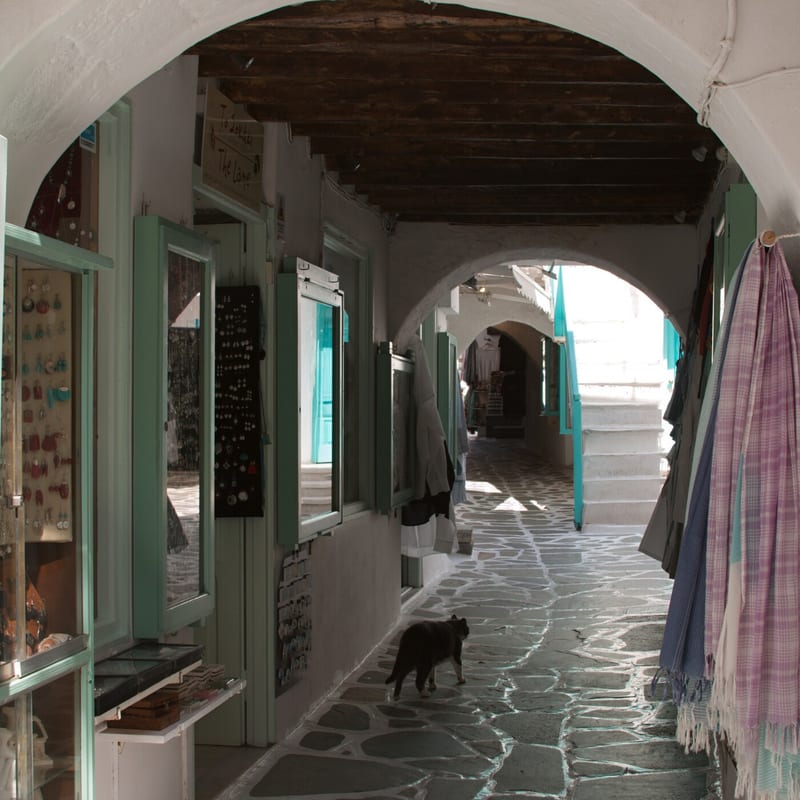
Bourgos & The Old Market
The Greek quarter below the castle walls – historical churches, artisan shops, and courtyards that invite you to linger.
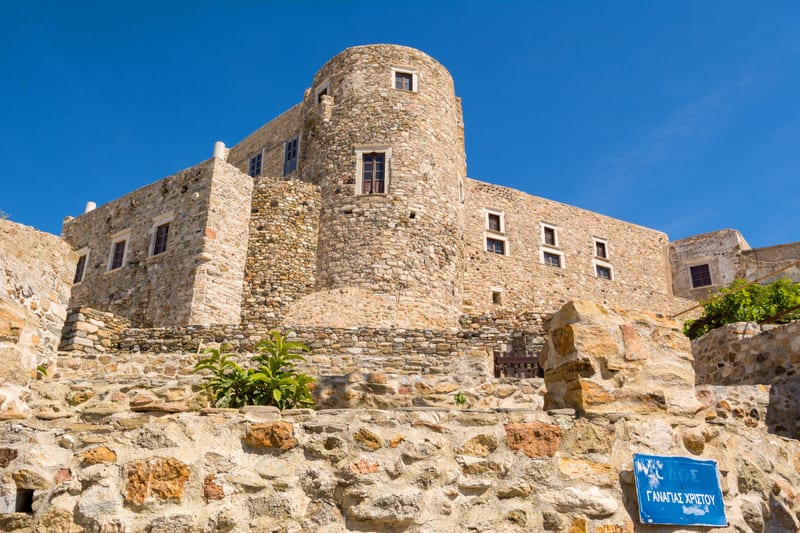
Castle of Naxos
The only Venetian castle in Greece continuously inhabited since 1207 – eight centuries of life behind fortress walls.
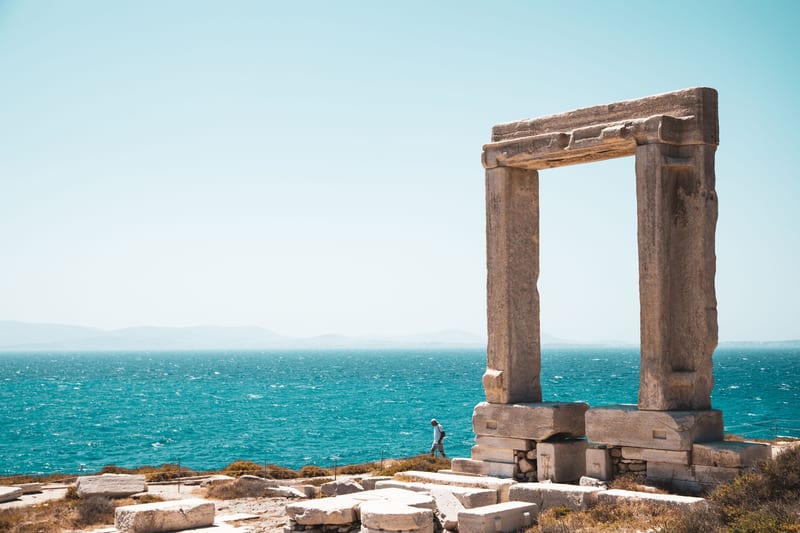
Portara (Temple of Apollo)
A marble gateway to myth stands alone against the Aegean sky – the last fragment of a temple never finished. The Portara is the monumental entrance to an unfinished Temple of Apollo, initiated between 530-524 BC by Lygdamis, the tyrant of Naxos. Standing six metres tall on the Palatia islet at the harbour entrance, this marble doorframe is the island's most iconic silhouette.
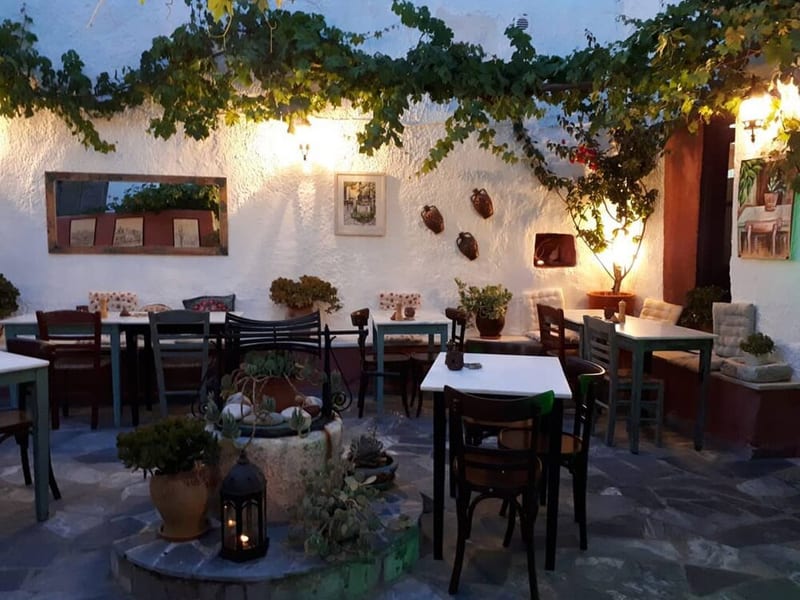
Labyrinth Wine Restaurant
Hidden deep in the maze of the Old Market's alleys, Labyrinth is the kind of place you find once and go back to twice. Tables fill a vine-draped courtyard built around an old stone well – candle-lit after dark – and a serious cellar of Cycladic and Greek wines backs a menu of fresh, seasonal Naxian cooking. Book ahead in summer; the courtyard is small and everyone wants it.
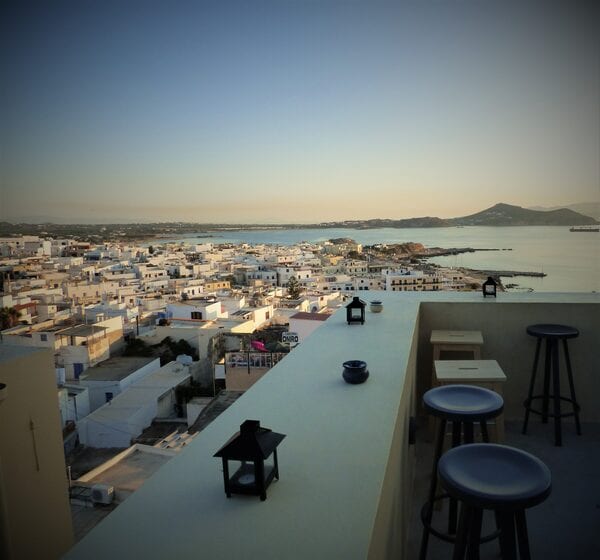
Avaton 1739
A beautifully restored Venetian-era townhouse in the heart of Chora, now a split-personality spot for the best hours of the day: golden-hour drinks on the upper terrace with the bougainvillea and the sea below, then down to the inner courtyard for a candlelit dinner. The wine list leans Cycladic, and the kitchen is refined without being fussy.
NaxosDay 2
Halki, Filoti & Apeiranthos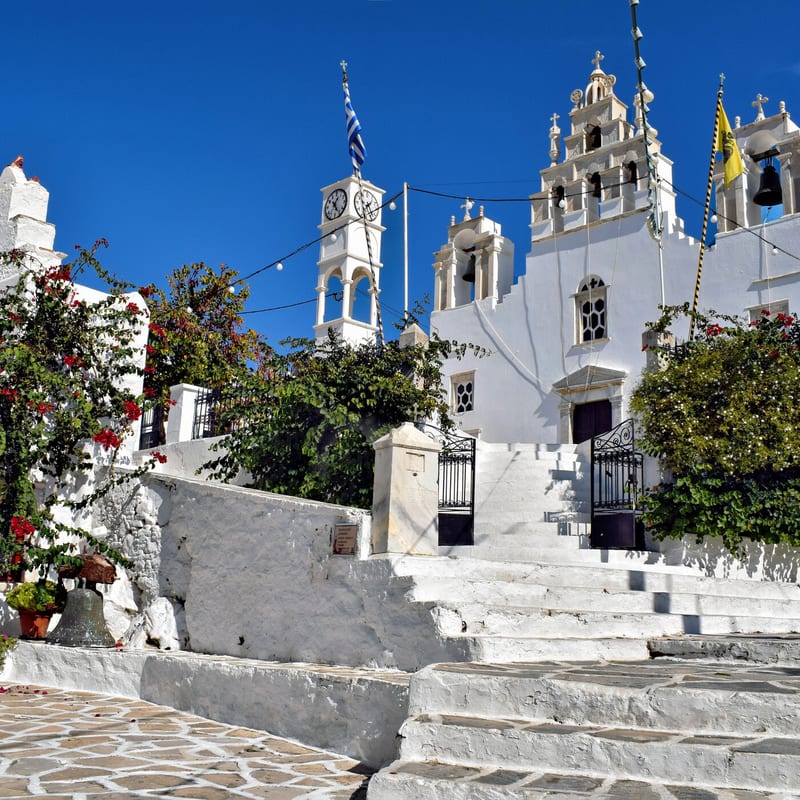
Filoti
The largest of Naxos's mountain villages, terraced on the slopes of Mt. Zas. A pause here is an institution: a coffee at Platano on the square, under the shady plane trees, while the village goes about its day. From Filoti you can set off up the mountain to the Cave of Zeus, or simply wander the stepped lanes and the big neoclassical Panagia Filotitissa church.
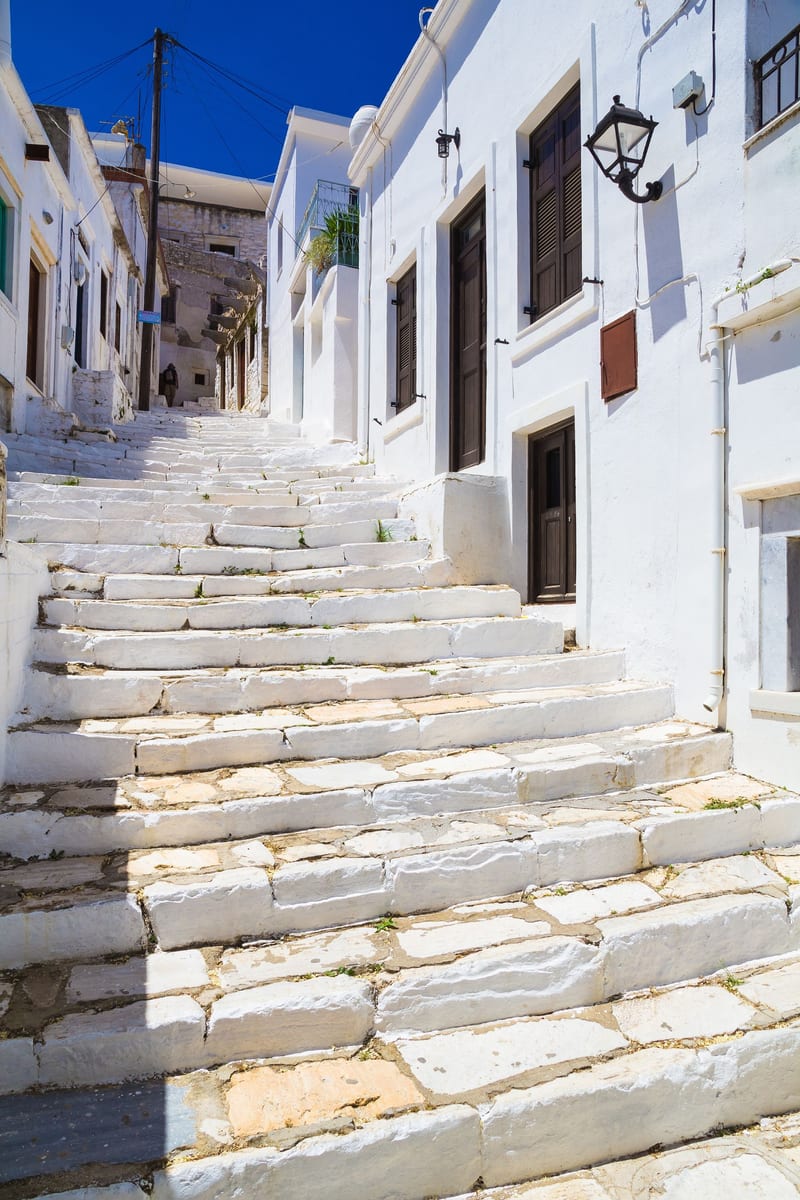
Apeiranthos
The 'Marble Village' where cobblestone streets, four museums, and centuries-old weaving traditions feel untouched by time.
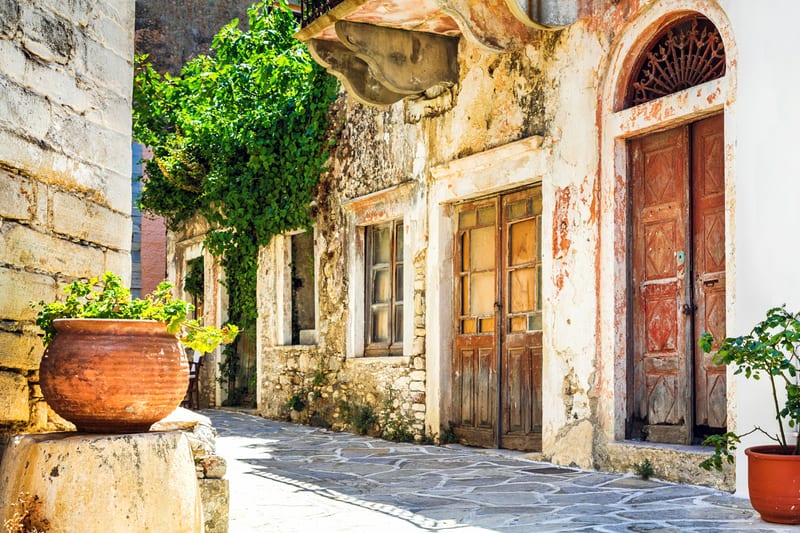
Halki & Vallindra Distillery
An elegant village in the fertile Tragea plain, where neoclassical houses frame a legendary citron distillery.
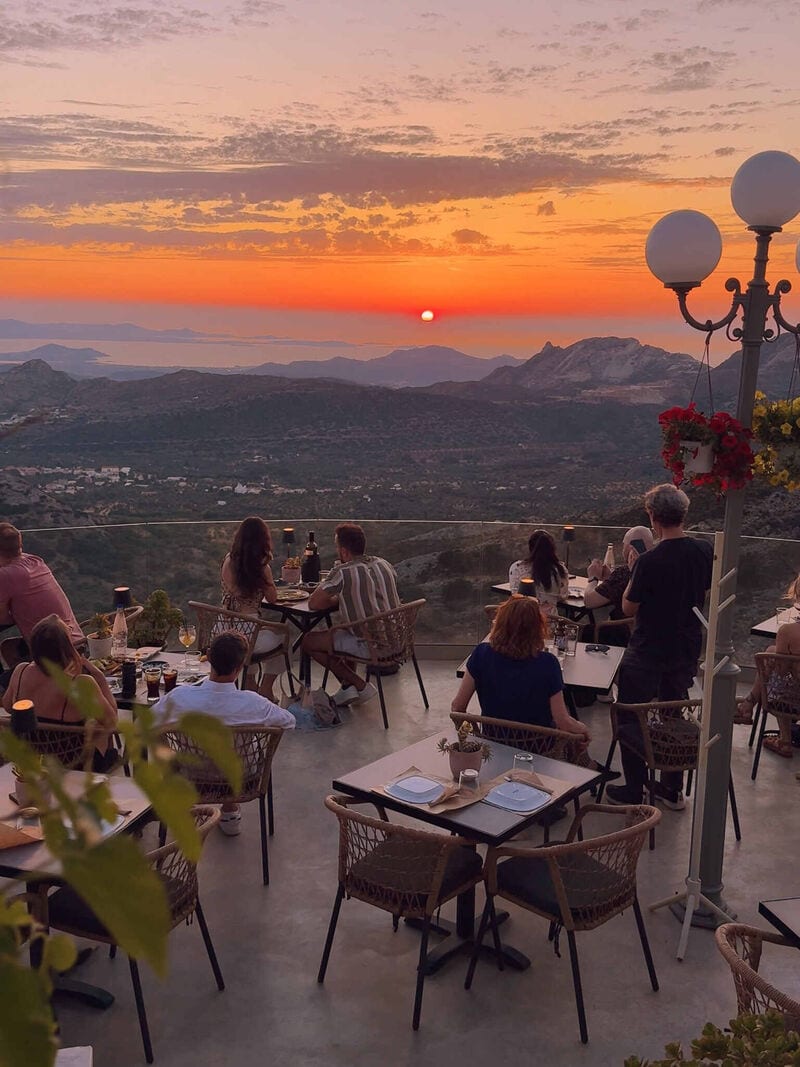
Rotonda
High in the hills just before Apeiranthos, Rotonda is a large restaurant and bar with sweeping views over the valley and out to sea – the kind of view that stops conversation when you walk in. Come for a long lunch after the mountain villages, or for a late dinner that turns slowly into drinks as the lights of the island come on below.
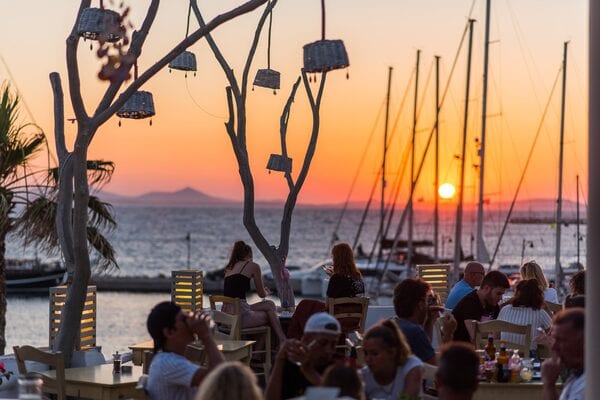
Flamingo Bar
For some great live music, plate smashing and dancing, Flamingo is the place to be. A late-night Chora institution that runs on house band energy, bouzouki and pitchers of house wine. Not a cocktail-and-cool-crowd bar – a plates-on-the-floor, everyone-on-their-feet kind of night. Come after dinner and let it build.
NaxosDay 3
Alyko, Mikri Vigla & Plaka beach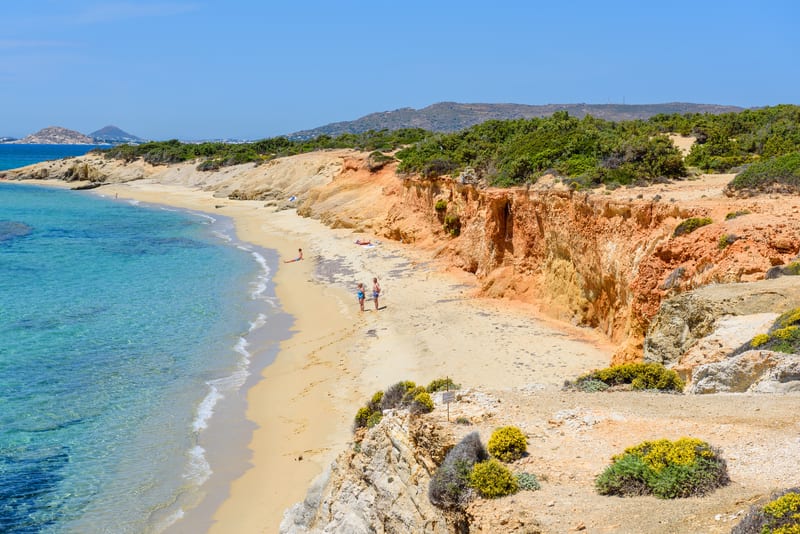
Aliko Beach
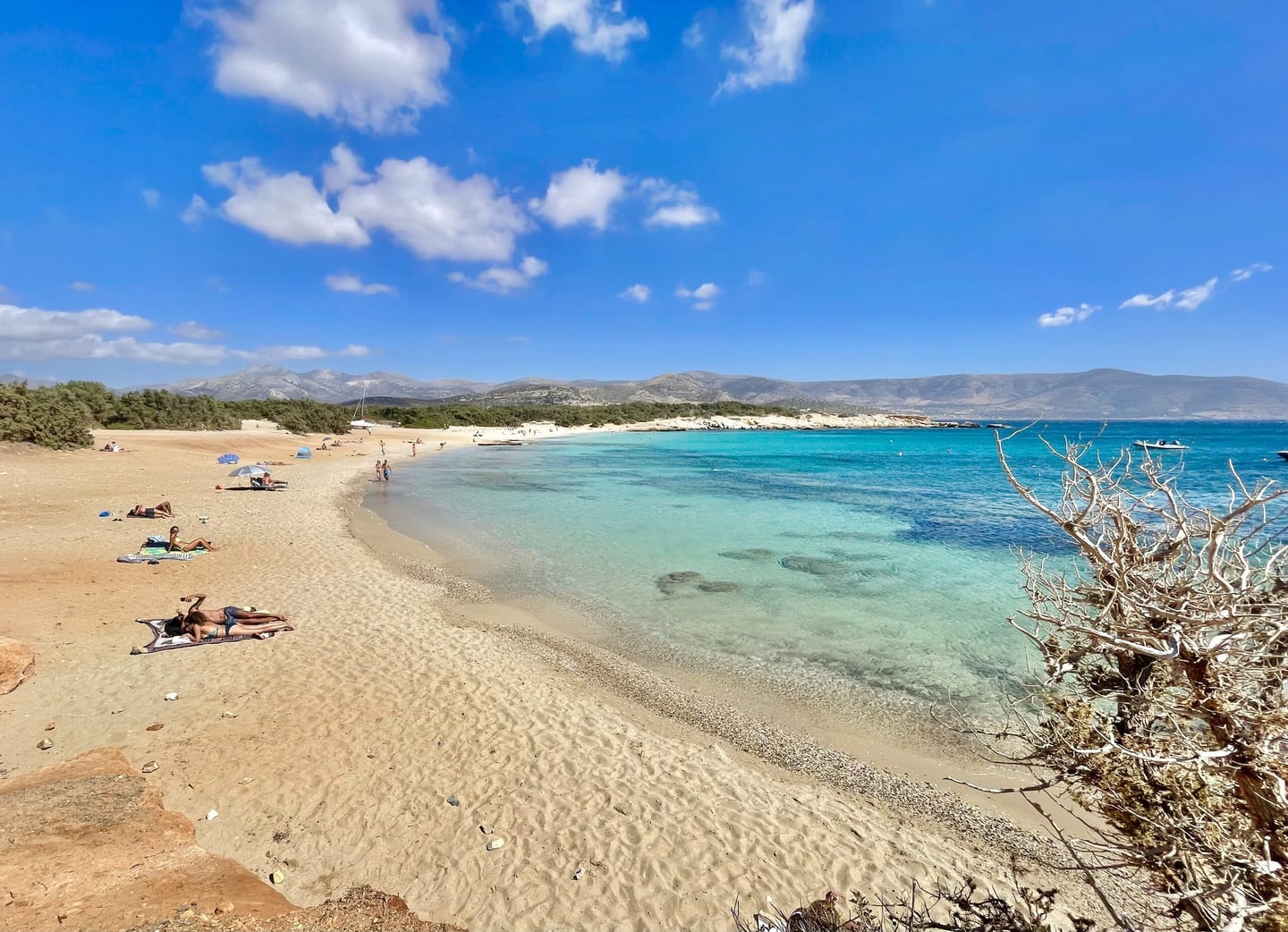
Drive down to the Cedar Forest of Alyko – not much of a forest these days but rather a large, sandy nature reserve with several beaches. The main stretch is huge, often near-empty outside August, and the graffitied abandoned hotel behind the dunes is a surprise photo op.
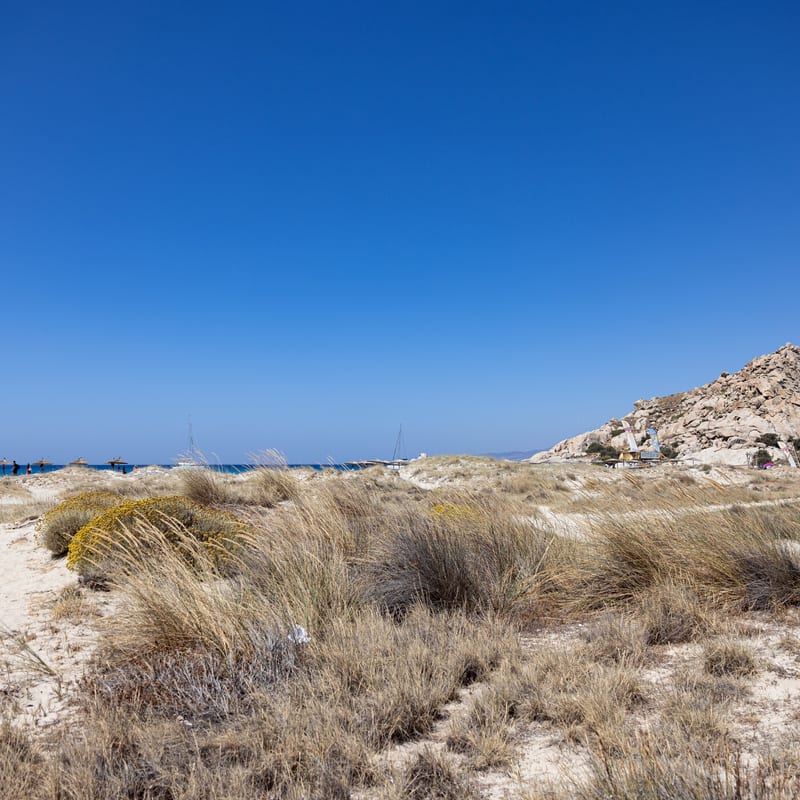
Mikri Vigla Beach
A long curving stretch of golden sand on Naxos's south-west coast, split in two by a granite headland. The north side (Parthenos) is the undisputed windsurfing and kitesurfing spot of the Cyclades; the south side (Sahara) is calmer, with shallow turquoise water that wades out forever. Simple tavernas sit on the dunes, and the whole place feels a world away from Chora.
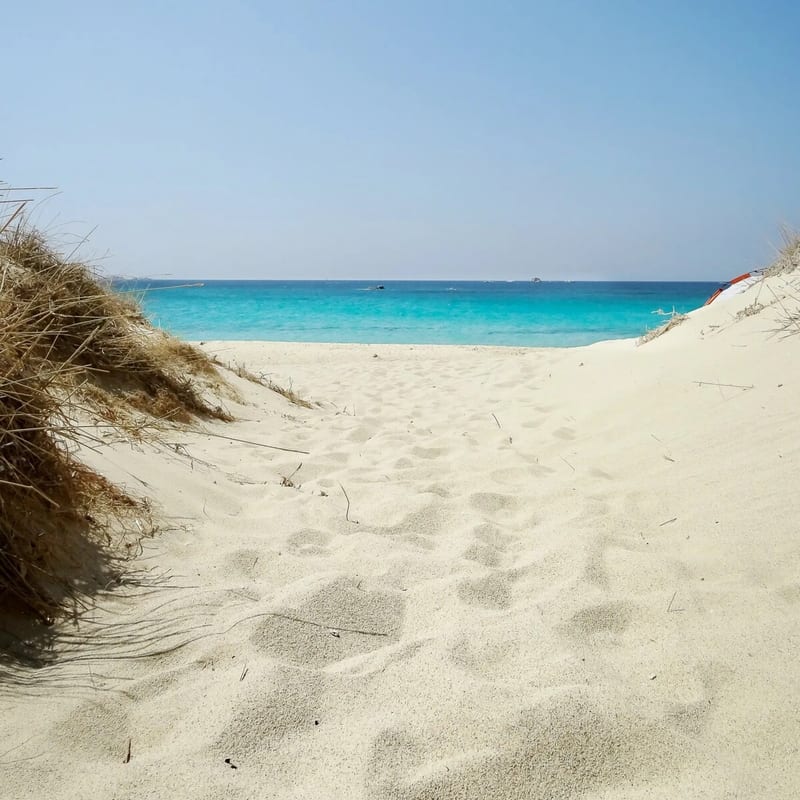
Plaka Beach
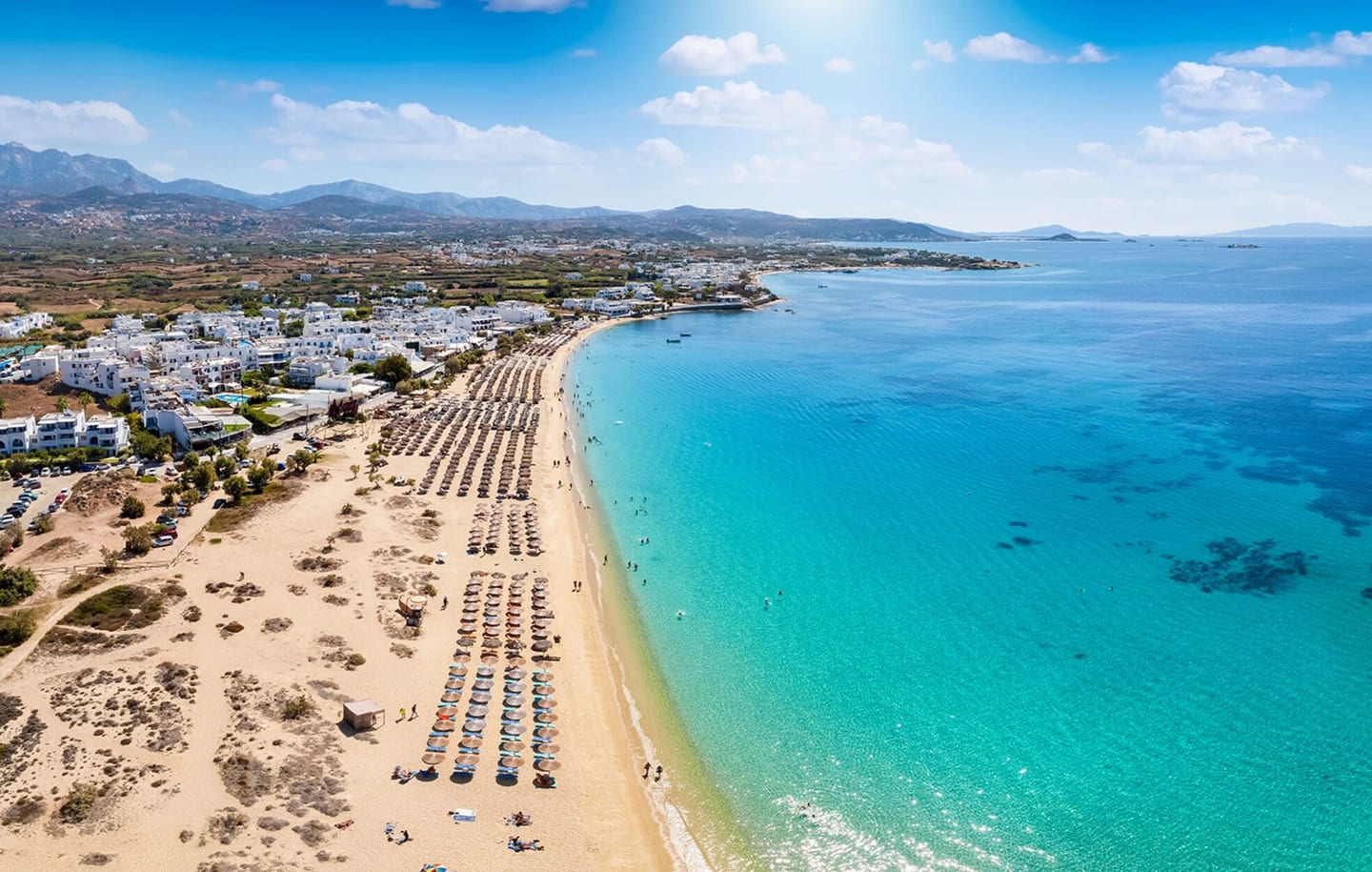
A long run of soft sand on Naxos's southwest coast, where shallow turquoise water barely raises a ripple. Plaka is the Cyclades with the volume turned down: cedars and low dunes behind the sand, whole stretches left free for anyone with a towel, and where sunbeds and tavernas do appear, they charge a good deal less than Mykonos or Paros. There's room to spread out – the beach runs long enough that crowds never really form – and the water stays calm, clear and shallow far out, easy for small children and long, idle swims. It faces west, so stay for the end of the day: the sun goes down over open sea, and the whole beach slows to watch.
Temple of Demeter
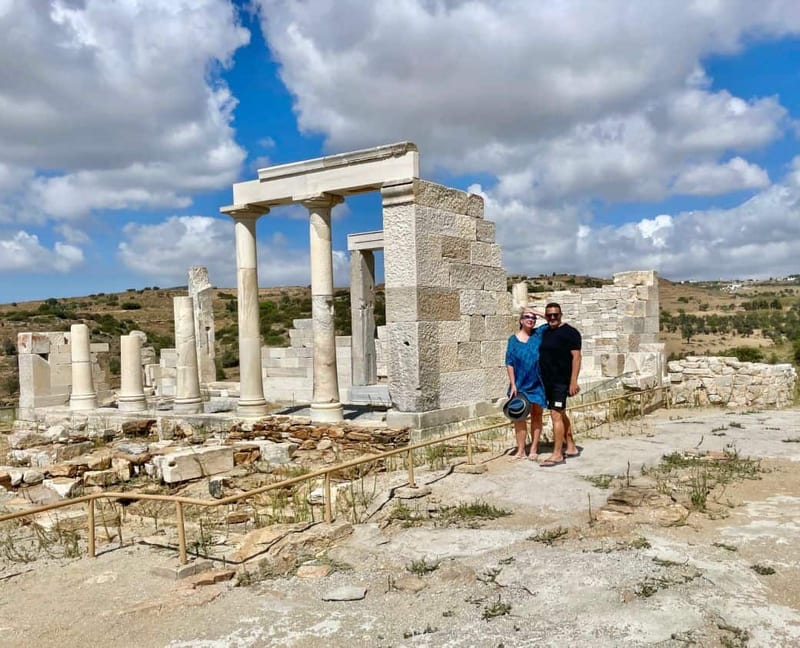
A 6th-century-BC Ionic temple set in the green inland plain near Sangri, dedicated to Demeter and goddess of the grain. Partially reconstructed from its original Naxian marble, it sits alone on a low rise with wheat fields all around – a quieter, more atmospheric version of the ancient sites you queue for elsewhere. The on-site museum rounds out the visit.
NaxosDay 4
Agia Anna & Agios Prokopios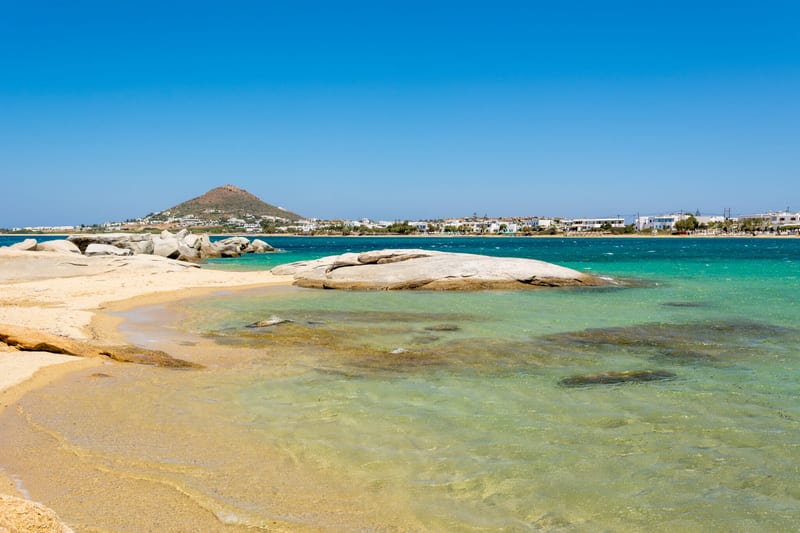
Agia Anna Beach
A seamless continuation of golden coastline – tavernas lining the shore, gentle waves, and a village that lives for summer.
Agios Prokopios Beach
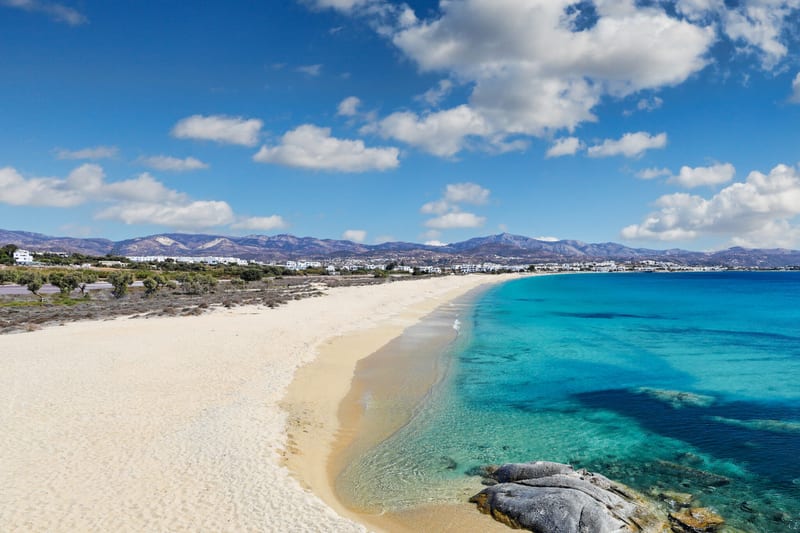
Drive down to the Cedar Forest of Alyko, then north to Paralia Glifada, Kastraki, Orkos, Plaka, and Agia Anna before ending at Agios Prokopios – our personal favourite. Long sweep of golden sand, water that shelves so gently kids walk out forever, and enough tavernas behind the dunes to make a day of it.
To Elliniko
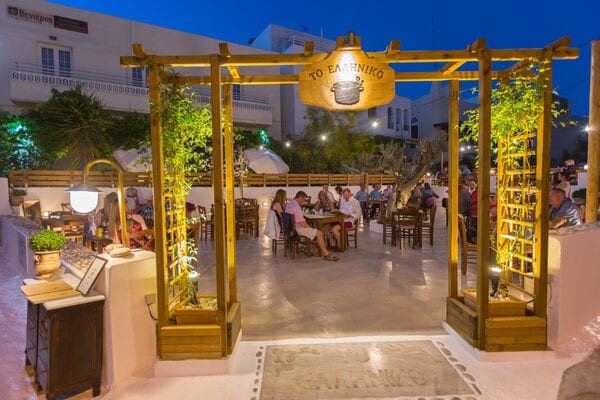
Worth queuing for a table. A lively Greek taverna near St. George beach whose garden terrace fills up the moment dinner service opens – the grill runs non-stop and the portions are generous in that old-school Naxian way. Souvlaki, slow-cooked lamb, fresh salads, simple Naxos-produce plates done well and priced fairly. Come early or book ahead in July–August.
Athens
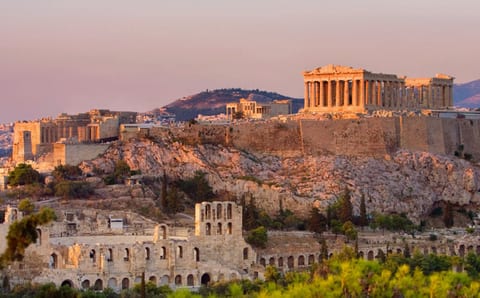
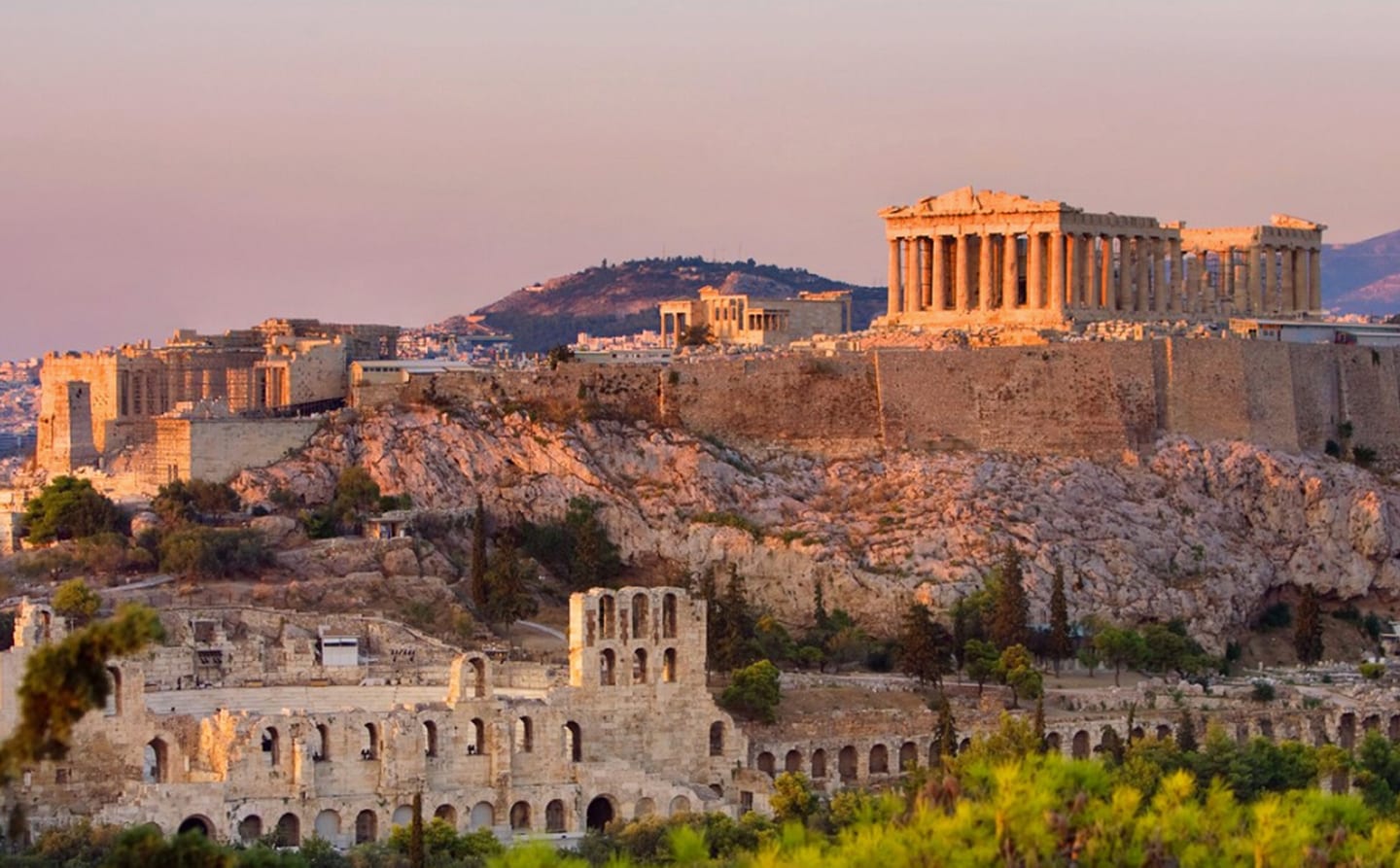
Days 12–14 of 14 · 3 nightsAthens of course is the Capital of Greece and is one of the oldest cities in the world, having been occupied for around 5000 years. Named after the fierce warrior Goddess Athina, the city has a fascinating and colourful past. There is a lot to do and see in Athens and the ancient centre is easy to get around and very walkable.
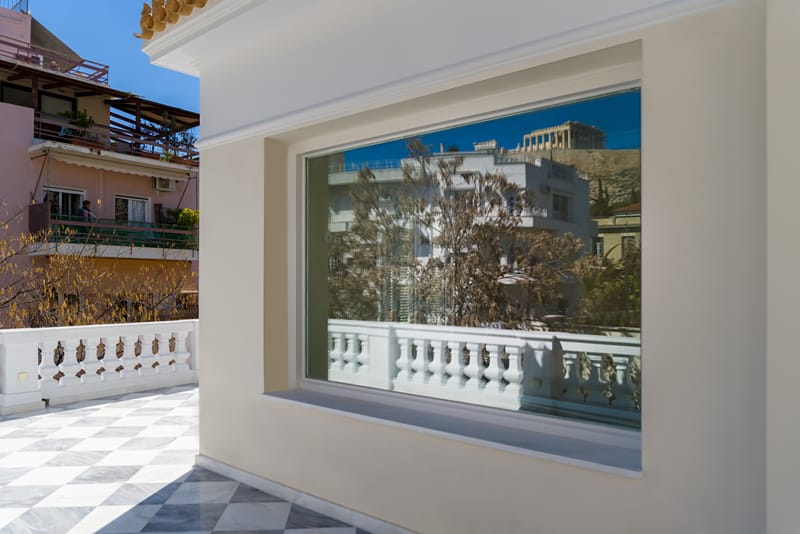
Noble Suites
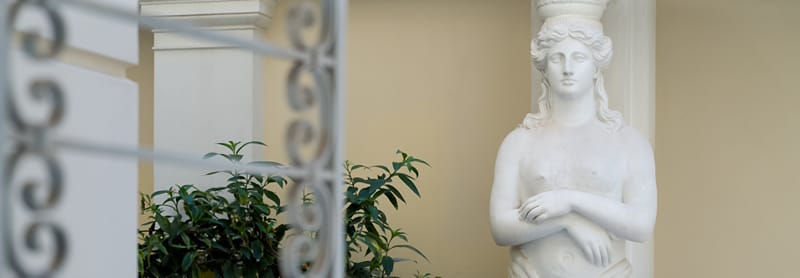
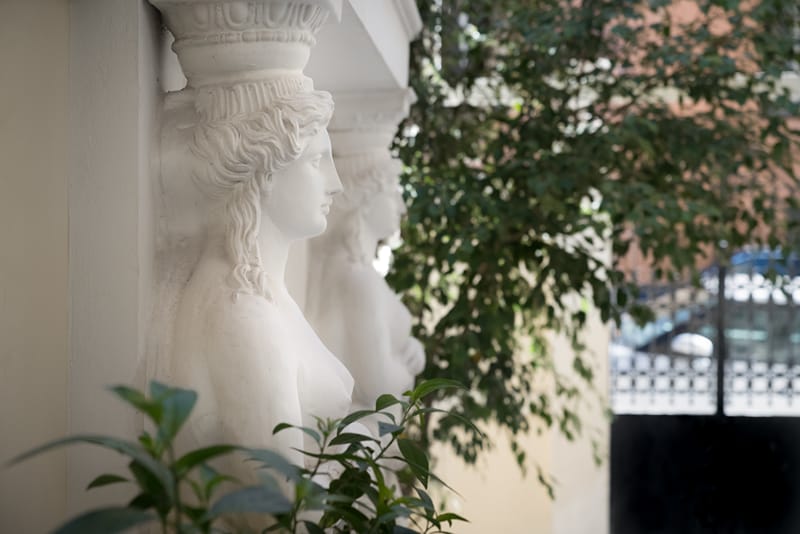
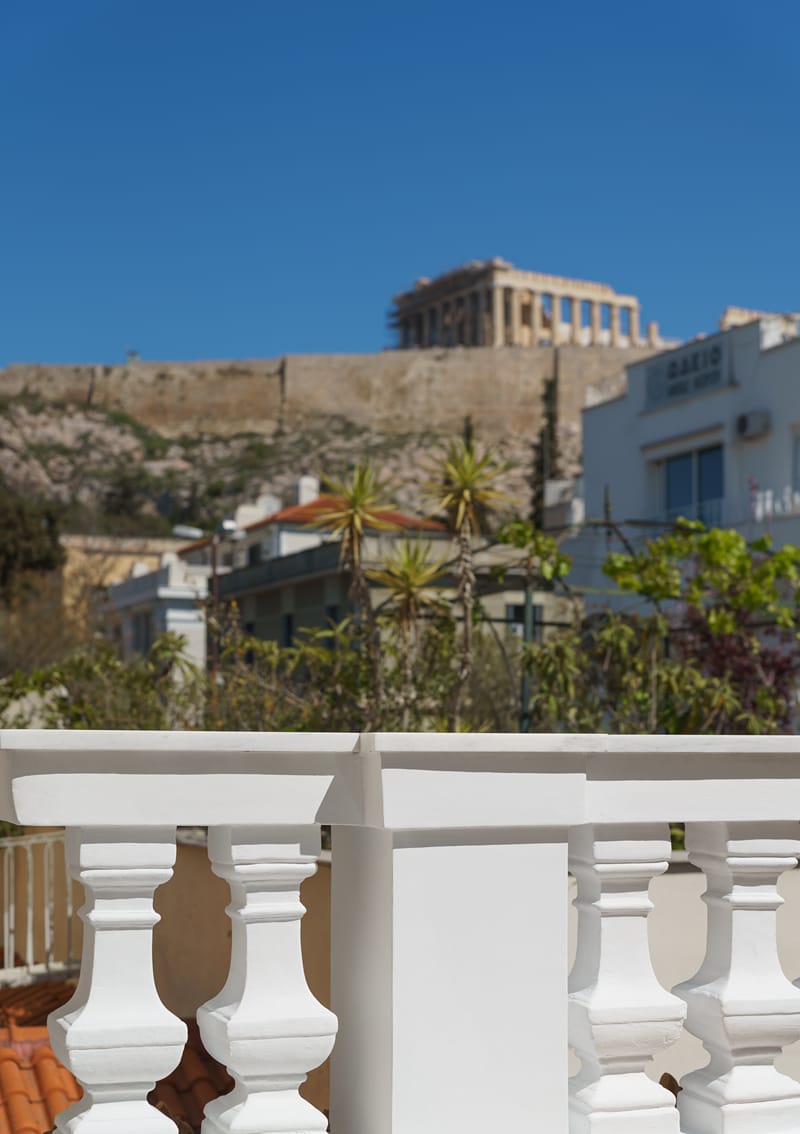
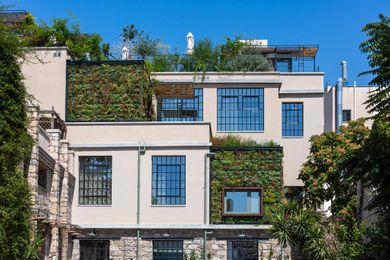
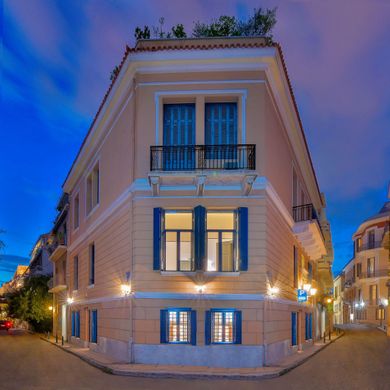
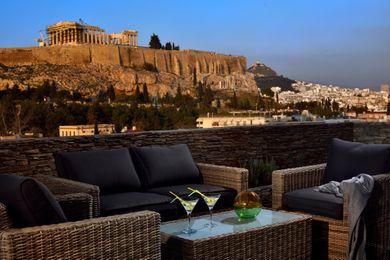
A 1901 neoclassical house under the Acropolis – four suites of marble and old wood.
9.7 Alternative places to stay
AthensDay 1
The food tour & the Acropolis
The Ultimate Food Tour
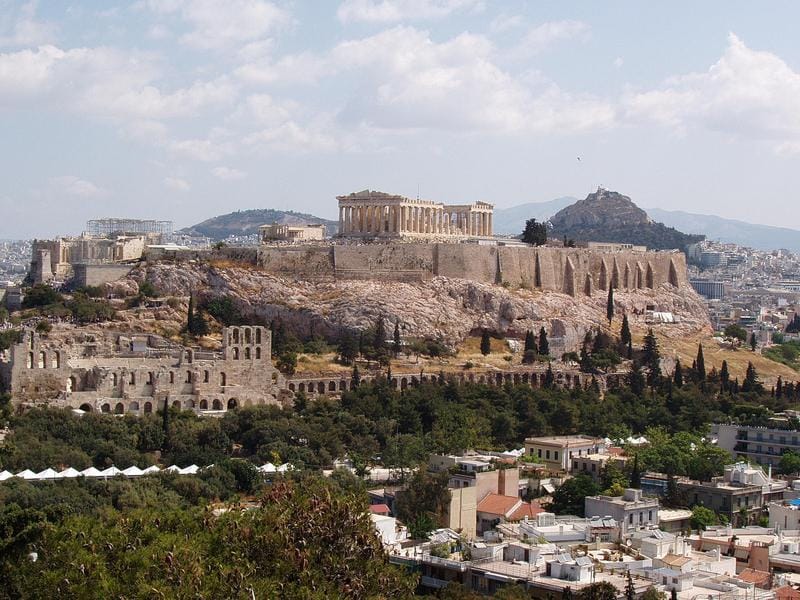
Acropolis – guided
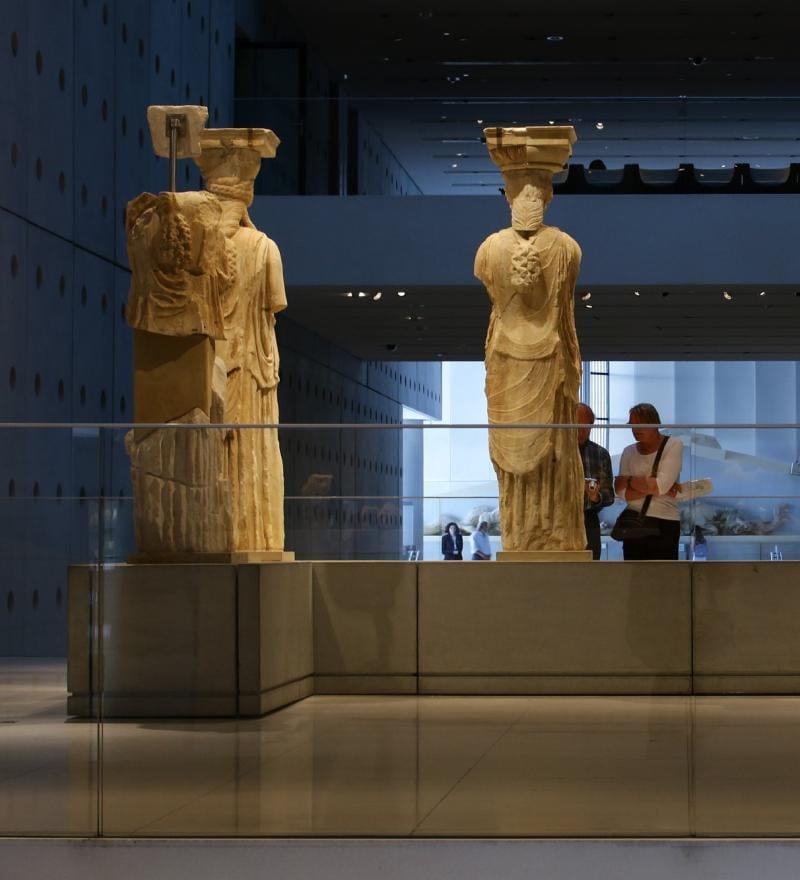
Acropolis Museum
It is one of the most important contemporary works of architecture in Athens. Its construction, designed by architects B. Tschumi and Mih. Fotiadis was completed in 2007. Standing only 300m away from the Acropolis, its total area covers 21,000 sq.m, while it offers a display area of 14,000 sq.m. It is made of steel, glass and concrete; it uses natural light efficiently so that its 4,000 exhibits would show off. The last level (The Parthenon room) has the dimensions and the direction of the Parthenon and it has been rotated by 23 degrees in relation to the rest of the building so that the visitor would have an immediate view of the monument. The surrounding area, visible from the glass floor of the ground level, functions as an openair museum-excavation. The main entrance is on Dionyssiou Areopagitou Street. In addition, the imposing Weiller building stands in the vicinity. Having been built by German architect W. Von Weiller, it combines Byzantine style masonry and neoclassical decorative patterns. Initially it was used as a military hospital and later as police unit headquarters, whereas since 1987 it houses the Acropolis Research Centre
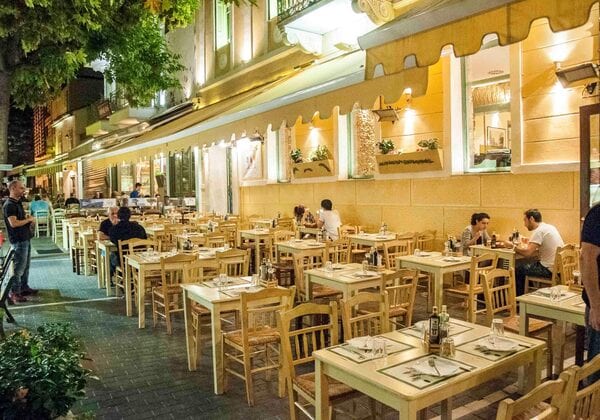
Lithos Taverna
Tucked into a Psirri side street, Lithos does my favourite Moussaka in Athens – layered the way your grandmother would approve, sitting in front of you within minutes of ordering. The room is stone-walled and unfussy, the wine comes in carafes, and the kitchen turns out the Greek classics with just enough finesse to make the regulars regulars.
AthensDay 2
The Ancient Agora, Plaka & Psirri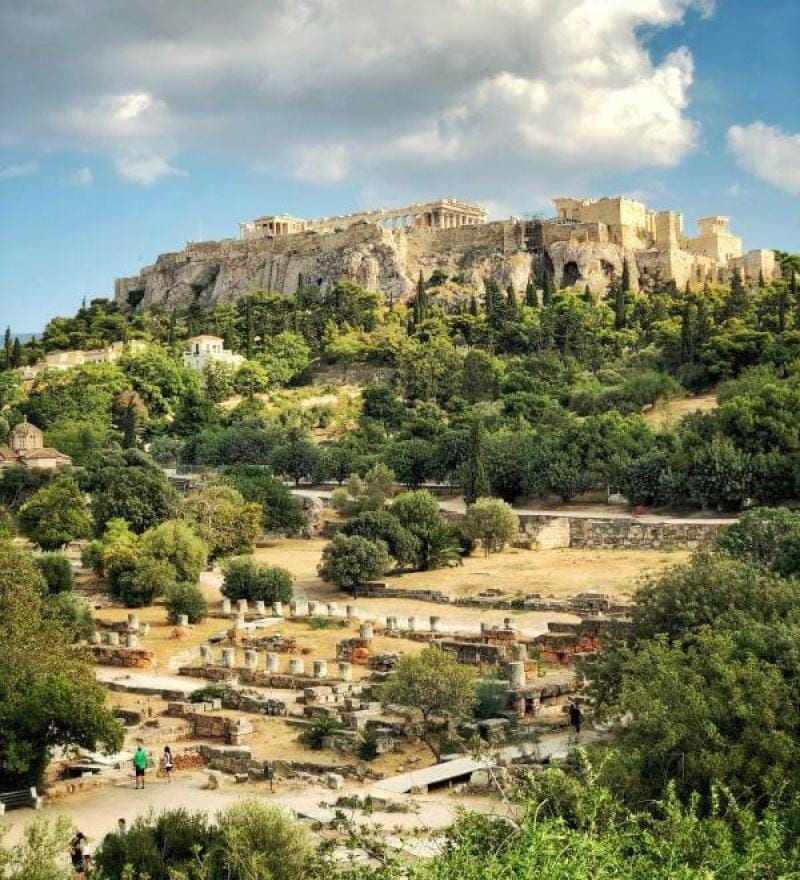
Ancient Agora
The archaeological area of the ancient Agora is located on the foothills of the Acropolis, near Thission Metro Station. In antiquity, the Agora was not solely a commercial centre. It was also an important political, cultural and religious centre. In the area of the agora were located administrative buildings, temples, public services and courts. The Athenians gathered here every day to buy and sell their goods, learn the current news, criticise the government, exchange ideas, or engage in discussion. The area was settled in the Neolithic age. The monuments located there were built in various historical periods: from the classical age to the 11th century AD. The church of Ayioi Apostoloi was built in the 11th century
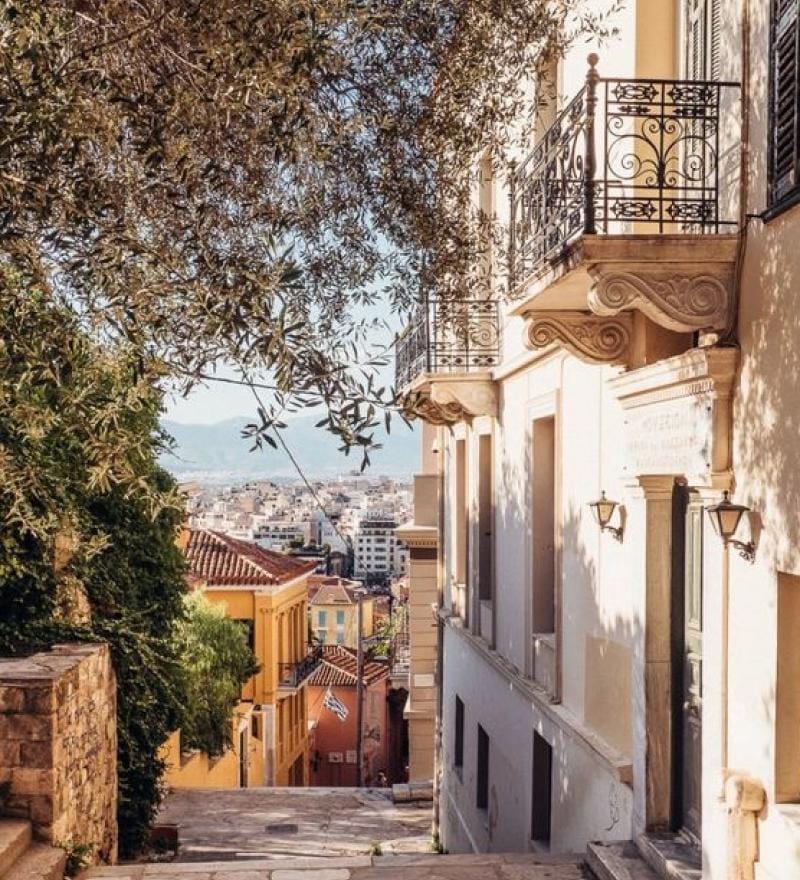
Plaka
Plaka, also known as the "neighbourhood of the gods," is the oldest neighbourhood of Athens. Walking on its paved narrow streets you get the feeling that you are travelling back in time. The origin of the name of the neighbourhood is unknown, although theories abound. According to popular belief, Plaka was named after a slab of stone that was found near the church of Ayios Georgios Alexandrias, in the vicinity of the theatre of Dionysos. The beautiful neoclassical style colour of the houses, the architecture, the well-kept gardens, and the beauty and atmosphere of the neighbourhood are enchanting. In Plaka the air you breathe is different; it is lighter, cleaner, and fragrant, like a gift of the gods. When you visit Plaka you should bring a map, because you might get lost in the labyrinth of narrow streets and alleys. In Adrianou Street, the central street of the neighbourhood, as in other streets in the area, you will find shops selling traditional products, souvenirs, Greek folk art and handicrafts, etc.
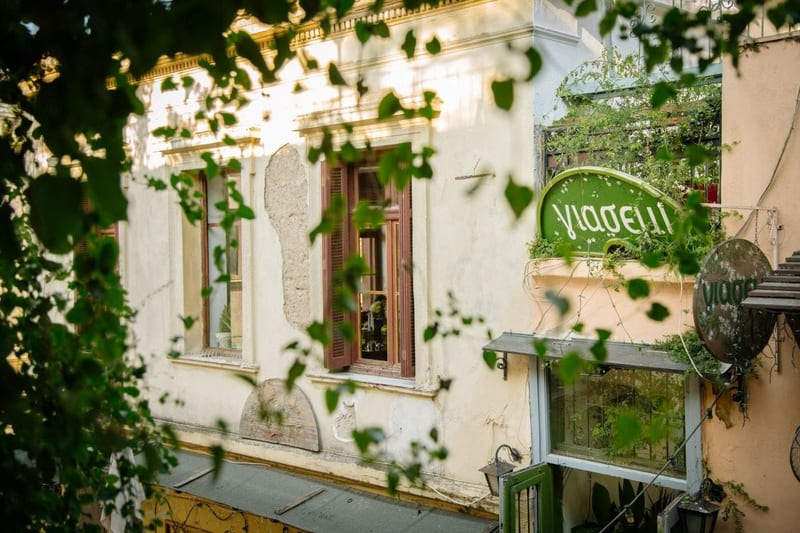
Yiasemi
Yiasemi is a café in Athens, Greece on busy Mnisikleous -a steep, stepped, pedestrian street in the Plaka area that leads down from the Acropolis and is lined with cafés and restaurants. It feels like one of the more characterful offerings on the street, with two separate indoor spaces, seating outside on the steps (of course), tons of plants and flowers, and adorable mismatched furnishings and décor. There's a selection of meze and other dishes but your best bet is to grab a tea or Greek coffee and something sweet to snack on – one of the homemade pies or the honey-drenched, big-enough-to-share baklava. Yiasemi is a nice mix of locals and tourists, buzzy and busy without feeling rushed, and offers superb people-watching
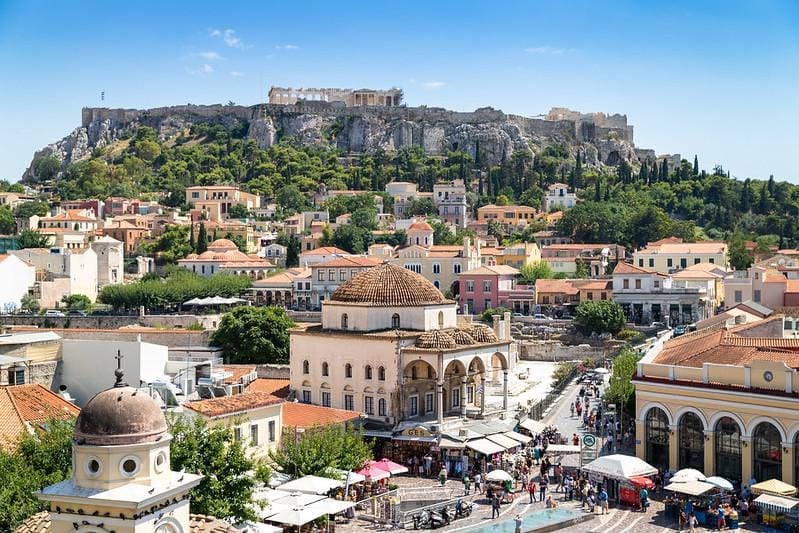
Monastiraki
A distinctive old Athens area, with narrow, irregularly criss-crossing streets, and small buildings, characteristic of Ottoman and to some extent Byzantine urban planning. On the outdoor stands of street sellers, or the small shops on the central roads you can find anything, such as shoes, clothes, old and new furniture, old books and magazines, souvenirs, jewellery, hats, bronze objects, new and used records and CDs and traditional Greek instruments (bouzouki, touberleki). Shopping or walking in Monastiraki is an unforgettable experience. You will be stunned by the variety and quality of things you can buy in the market
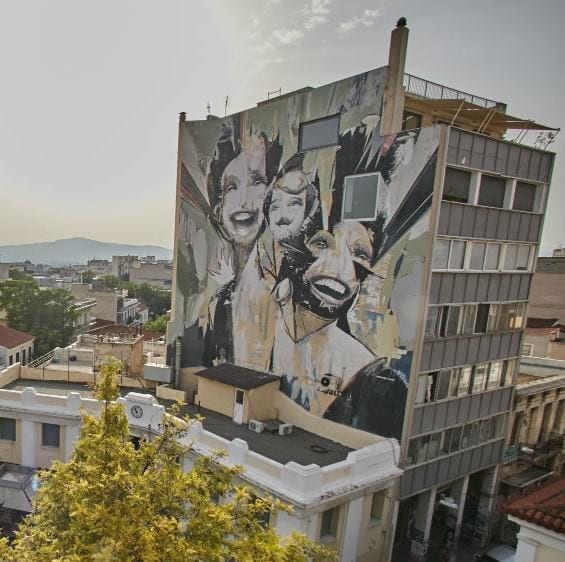
Psirri
Spend time before, during or instead of a concert in the lively area of Psiri – street art, late-night tavernas, cocktail bars tucked under stone arches, and a kooky gem or two (Little Kook). Come for dinner and stay for the ouzo.
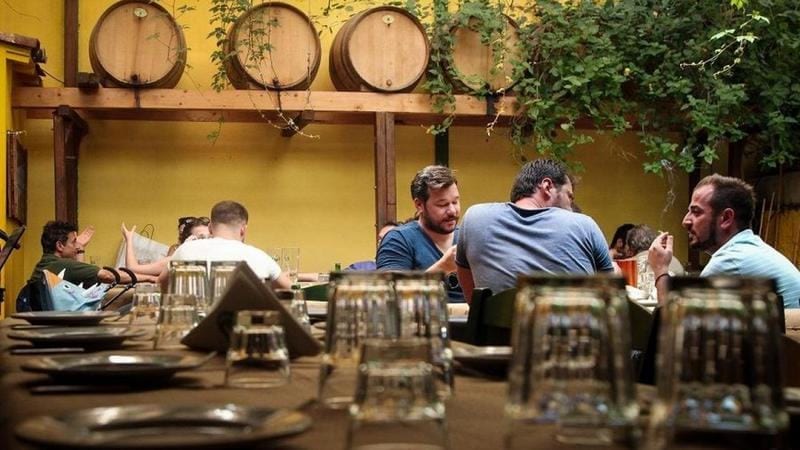
Klimataria Tavern
Taverna Klimataria for live music and the best cabbage rolls in lemon sauce in town. A century-old institution off Psirri where the rembetiko starts around 10 and the room starts dancing half an hour later.
AthensDay 3
Ermou, Syntagma & the National Garden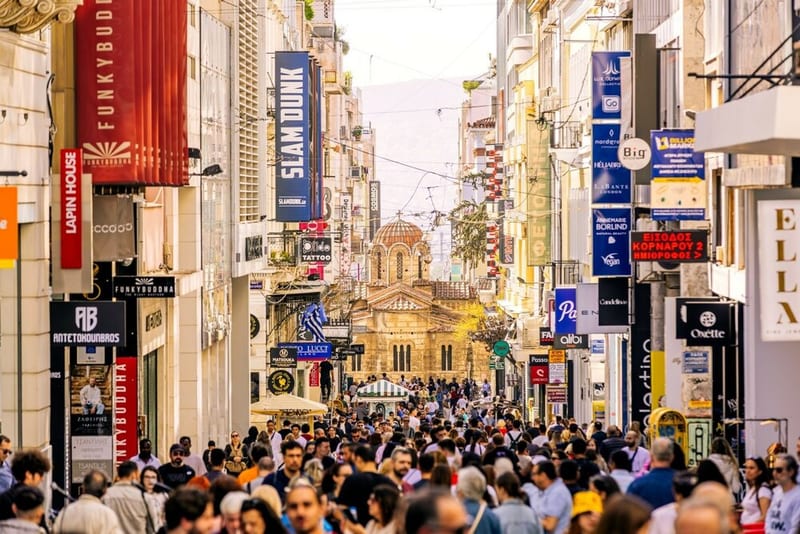
Ermou Street
Athens' great shopping mile – the marble-paved pedestrian street running from Syntagma Square down toward Monastiraki. High-street flagships and old family shops stand side by side, and halfway down the tiny Byzantine church of Kapnikarea sits marooned mid-stream while the crowd parts around it. Best saved for the end of the trip: shop last, and carry nothing around the islands.
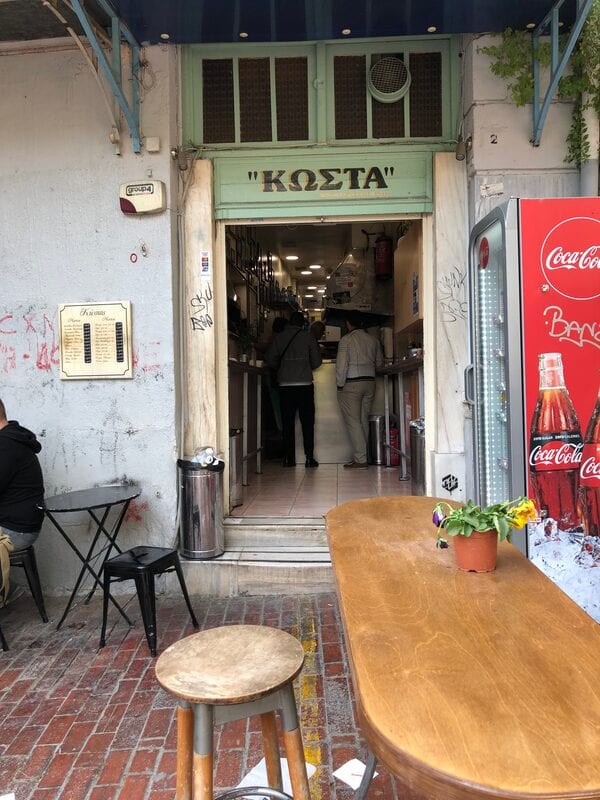
Kostas
Amazing gyros – a tiny grill on Agia Irini Square that has been doing pork souvlaki the same way for decades. A handful of stools, a queue that moves fast, and the smell of charcoal two streets away. Grab one (or two) in the pita, open the wax paper on the square, and you've understood why this is the Athens food pilgrimage.
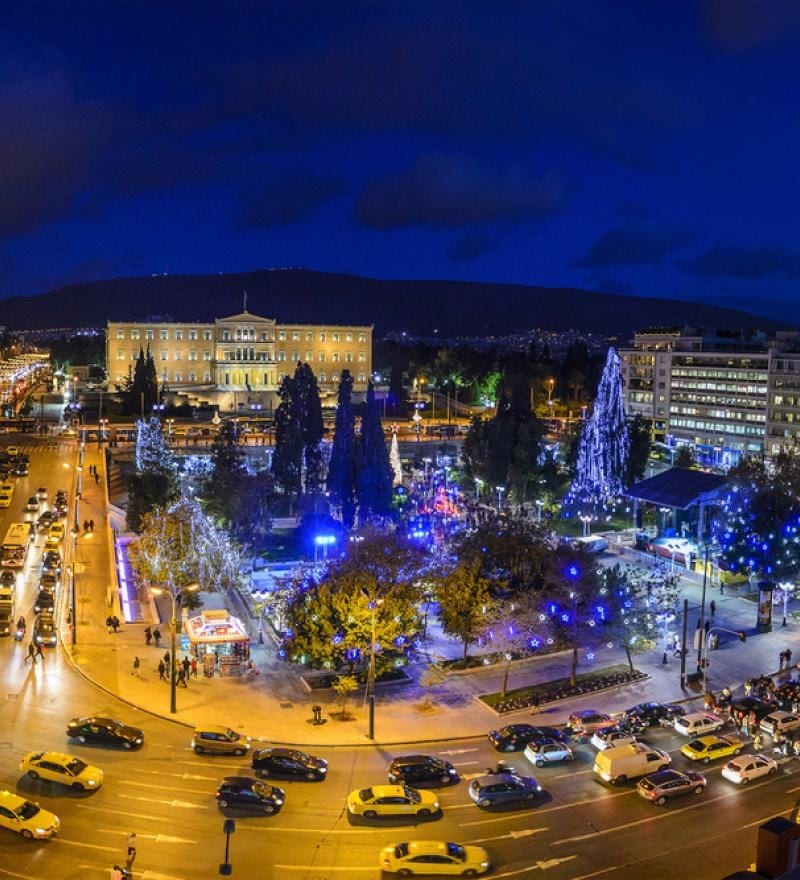
Syntagma Square
Visit Syntagma Square and see Parliament House and the Changing of the Greek Presidential Guard – the Evzones. Their uniform, cadence and white foustanella are entirely unique; catch the hourly change or the full Sunday ceremony if you can time it.
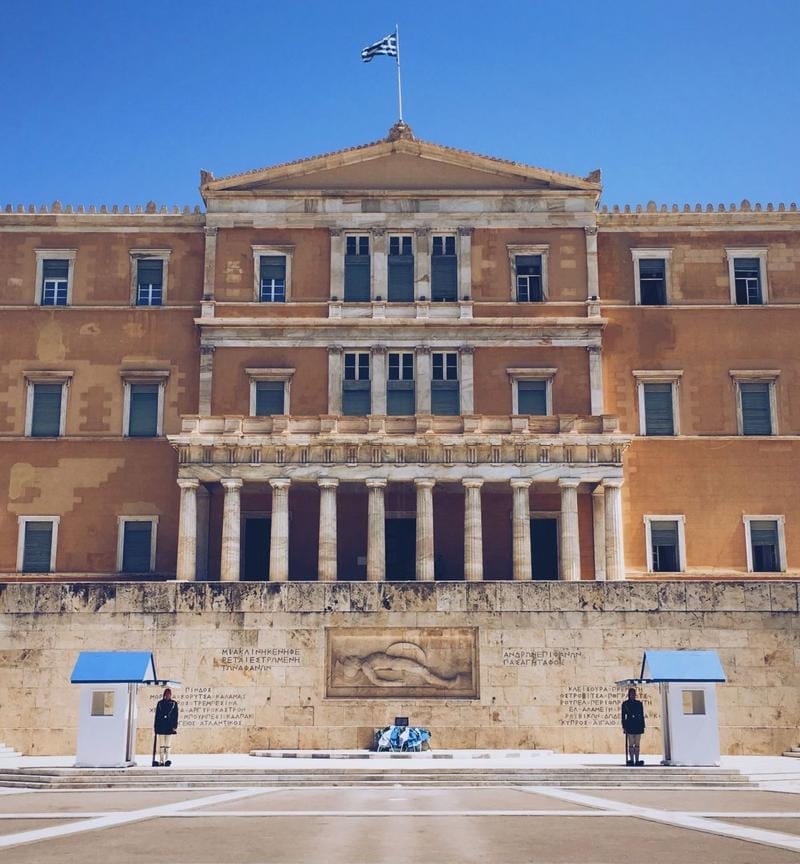
Greek Parliament
Dominating Syntagma Square, the building was the residence of the first king of Greece Otto. The building was constructed from 1836 to 1842. George A', who succeeded Otto on the throne, also resided in the palace. During his reign, two successive fires destroyed the building, making it unsuitable for use as a royal residence. In 1924 the government decided to situate Parliament in the building. Reconstruction work was completed in 1934. The interior was redesigned by architect A. Kriezis. In Parliament you will find national treasures, such as the first Greek Constitution, a collection of valuable paintings and a large library.
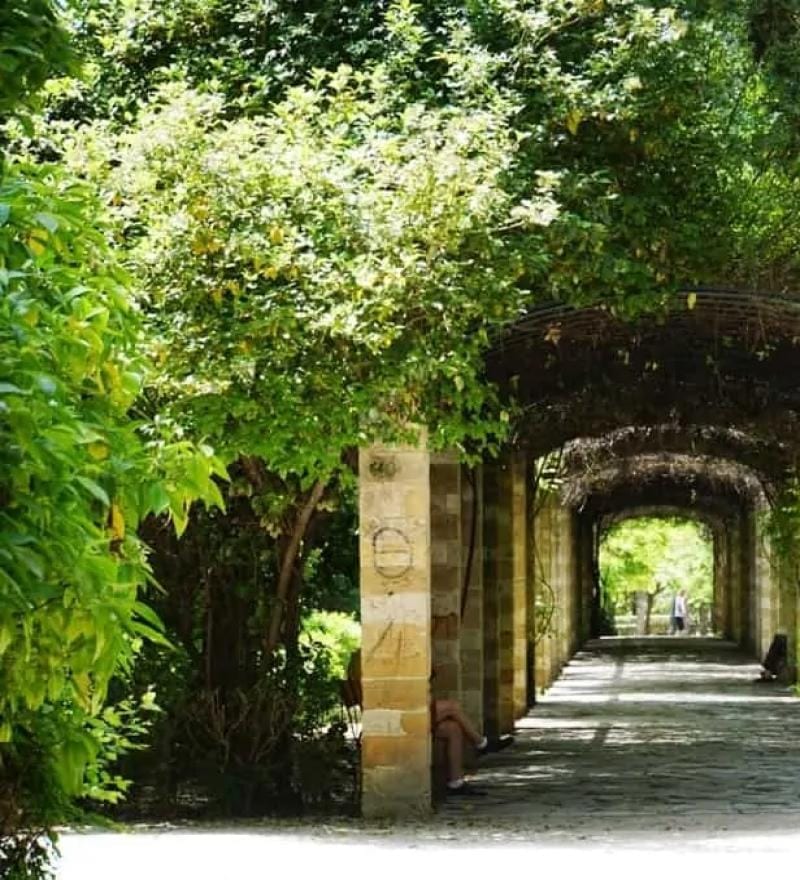
National Garden
The National Garden, open from dawn to sunset, is an oasis in the centre of the city. It has a total area of 160,000 m2. Some five hundred different kinds of plants, bushes and trees from various locations around the world are grown here (in total, it has 7,000 trees and 40,000 bushes). At the same time, it comprises an important natural life reserve in Athens as many different species of birds, hedgehogs, turtles, ducks and even bats are gathered here. The National Garden – which was formerly the palace garden - was laid out from 1838-1860. There are six entrances: at Vasilissis Sofias Avenue, Irodou Attikou Str, Vasilissis Amalias Avenue, and two entrances connecting the National Garden to the Zappeion. You will also find here a small pond, a small zoo, the Botanical Museum, a traditional café, a children's library, a playground, various monuments of antiquity, and the busts of important personalities of modern Greece (among others, politicians and authors).
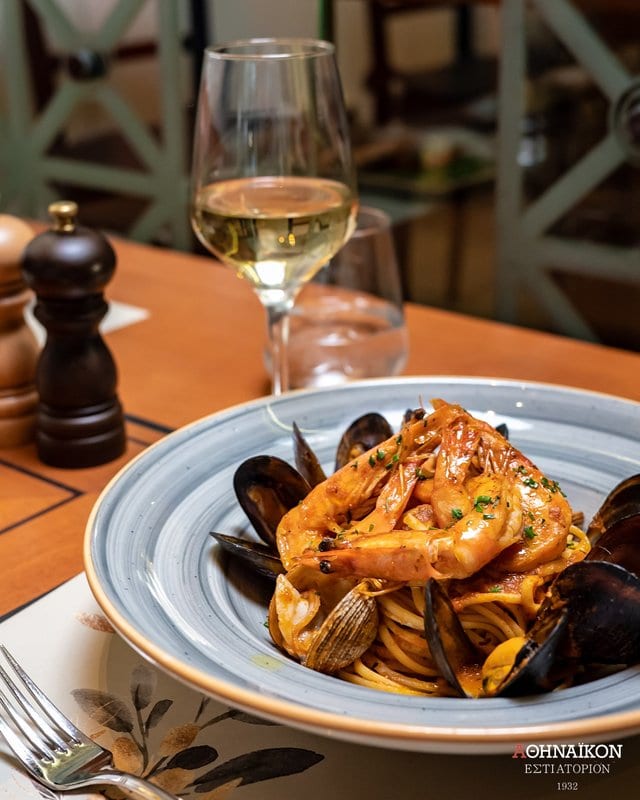
Athinaikon
An Athens institution since 1932, Athinaikon is where the city goes for proper ouzomezedes – shrimp croquettes, fried smelt, mussels saganaki – on marble tables under old photographs. It moved premises with its regulars over the decades and never lost the habit of doing simple things properly. Order a carafe of ouzo and a spread of small plates; service is brisk, portions honest, the bill kinder than the neighbourhood suggests. Between Syntagma and Monastiraki, it is the natural dinner after the Evzones' changing of the guard.
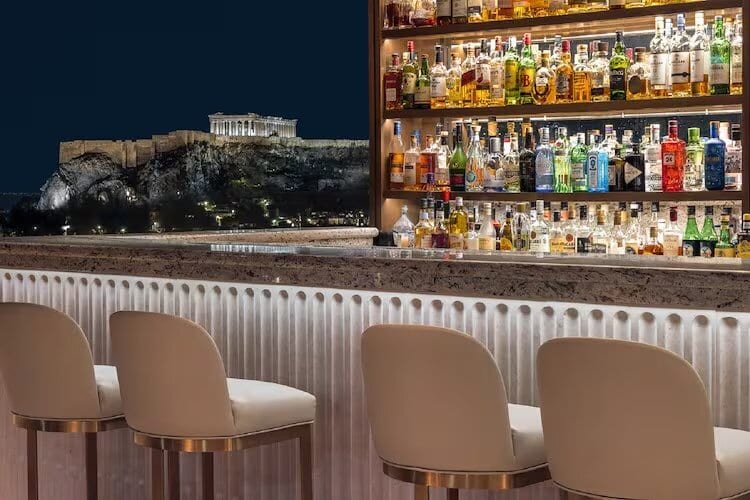
Grande Bretagne Roof Bar
The rooftop bar of the GB Roof Garden restaurant, crowning the Hotel Grande Bretagne on Syntagma Square. Take a stool at the marble counter or a terrace table at golden hour – the Acropolis floodlit across the rooftops, a list of some fifty cocktails, and the calmest view in the city centre. Open daily 13:00–02:00; smart casual, and book ahead in season.
Your whole trip in one booking
With WeAreTravelers – a licensed, Athens-based travel agency.
- Zero service fees. Same price as if you organized everything on your own.
- One booking and one payment for the whole trip (instead of separate bookings for each hotel, ferry and flight).
- One local point of contact, who has your back – before you travel, and while you're here.
- Covered by the EU package travel rules. Your payments are protected by law.