 ×
×
 3 Days in Athens – A Complete Itinerary
 A trip by Sandy PapasGreece Travel Secrets
3 Days in Athens – A Complete Itinerary
Athens isn't a stopover city; it's a destination in its own right, and it rewards anyone who gives it time.
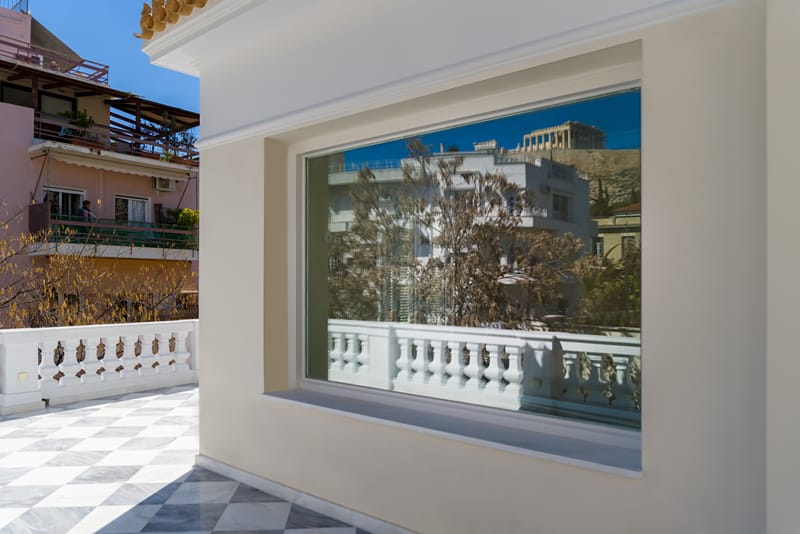
Noble Suites
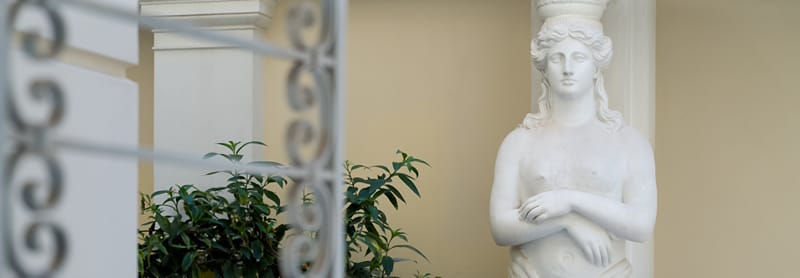
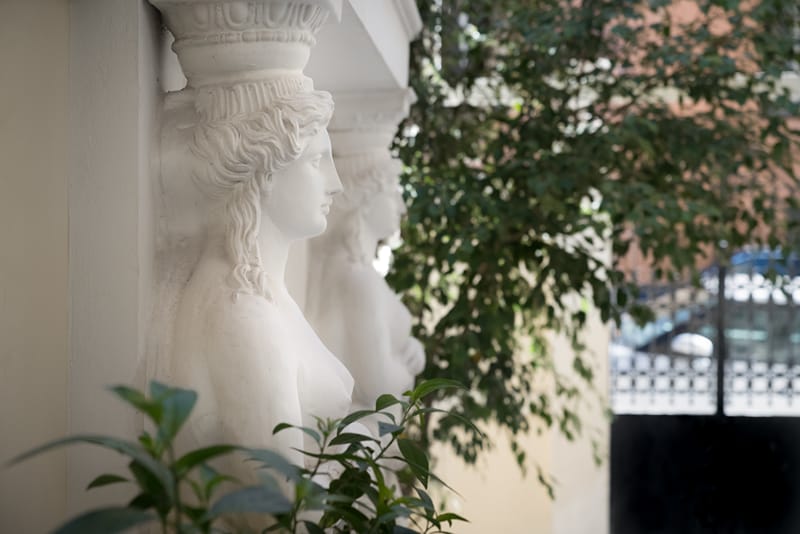
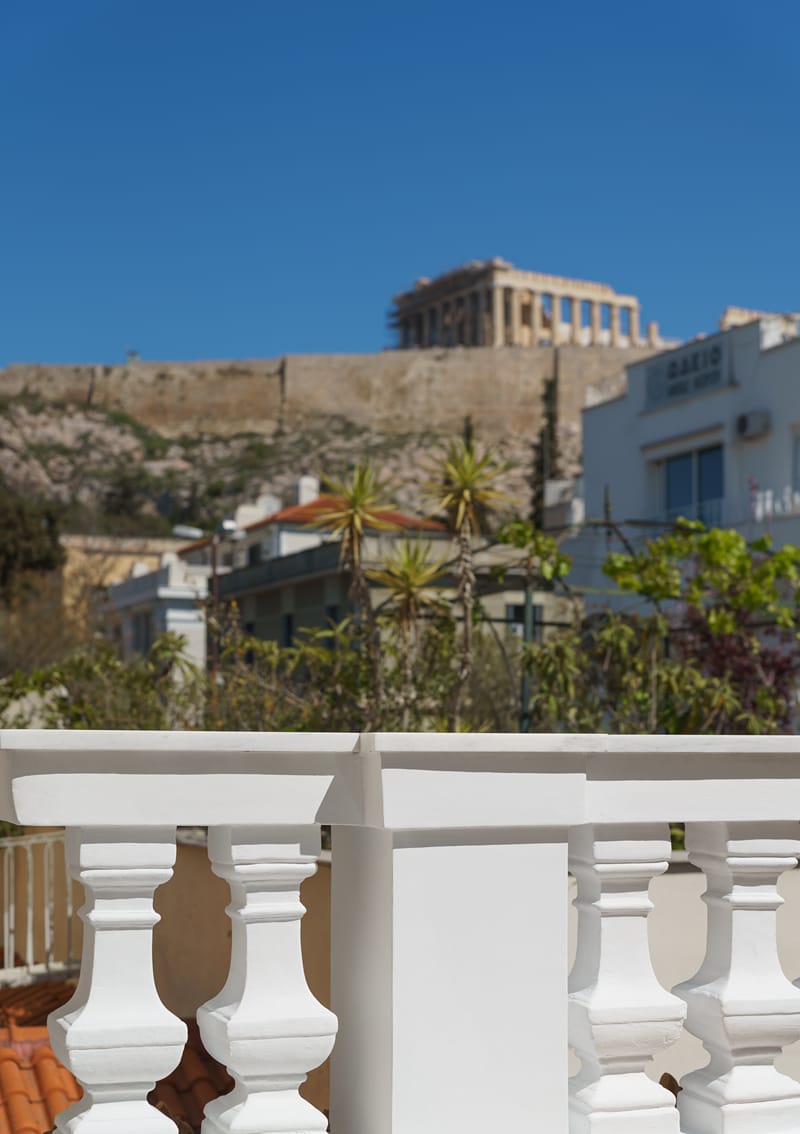
A 1901 neoclassical house under the Acropolis – four suites of marble and old wood.
 9.7
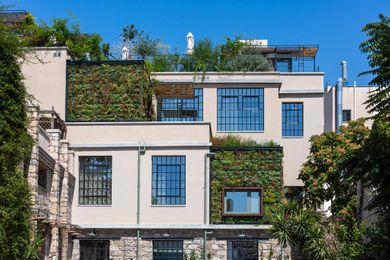
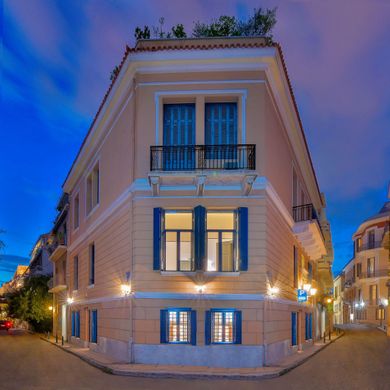
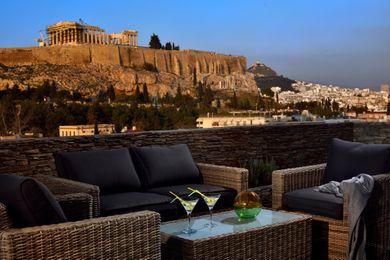
9.7 Alternative places to stay

AthensDay 1
The food tour & the Acropolis
The Ultimate Food Tour
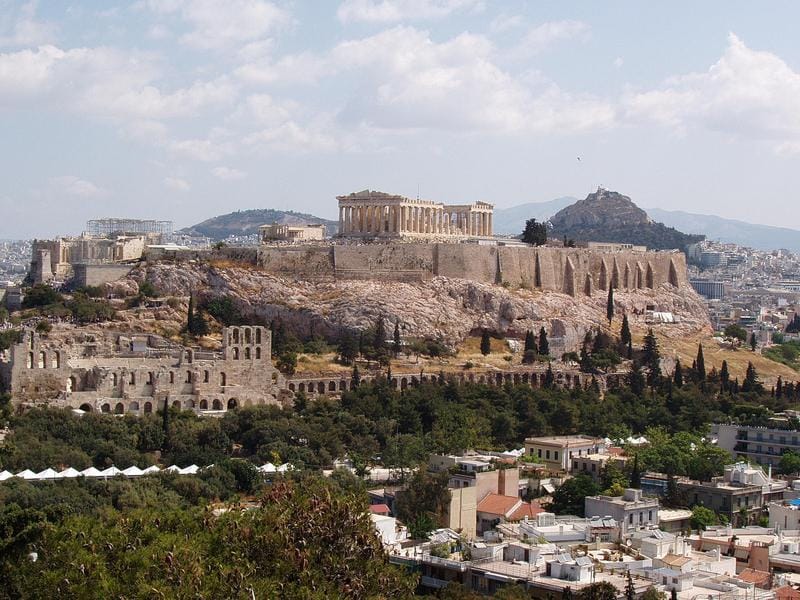
Acropolis – guided
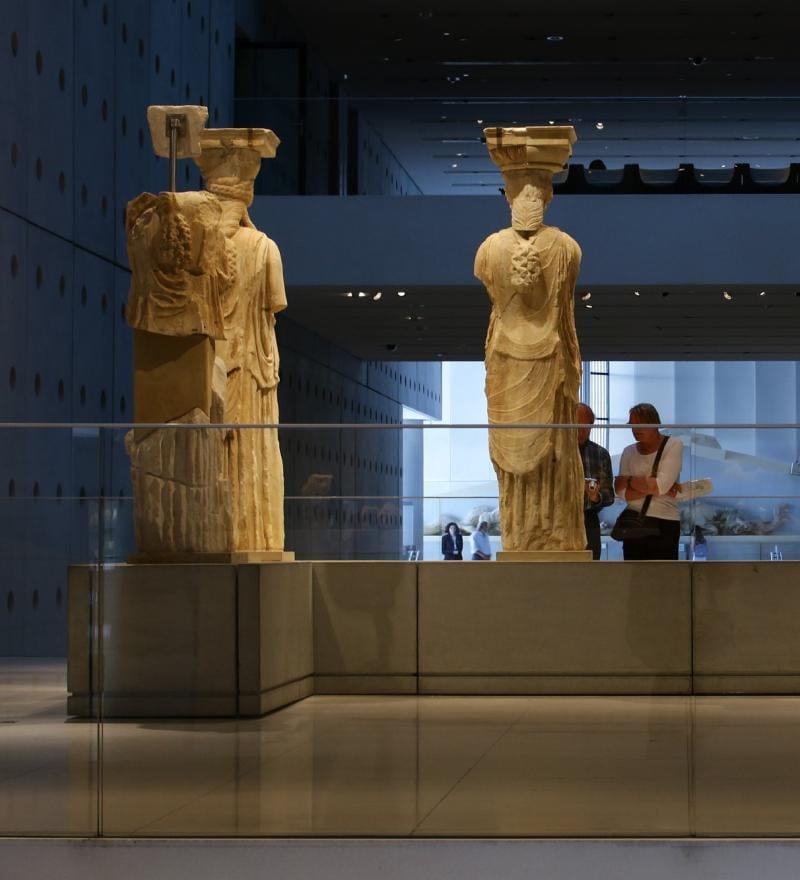
Acropolis Museum
It is one of the most important contemporary works of architecture in Athens. Its construction, designed by architects B. Tschumi and Mih. Fotiadis was completed in 2007. Standing only 300m away from the Acropolis, its total area covers 21,000 sq.m, while it offers a display area of 14,000 sq.m. It is made of steel, glass and concrete; it uses natural light efficiently so that its 4,000 exhibits would show off. The last level (The Parthenon room) has the dimensions and the direction of the Parthenon and it has been rotated by 23 degrees in relation to the rest of the building so that the visitor would have an immediate view of the monument. The surrounding area, visible from the glass floor of the ground level, functions as an openair museum-excavation. The main entrance is on Dionyssiou Areopagitou Street. In addition, the imposing Weiller building stands in the vicinity. Having been built by German architect W. Von Weiller, it combines Byzantine style masonry and neoclassical decorative patterns. Initially it was used as a military hospital and later as police unit headquarters, whereas since 1987 it houses the Acropolis Research Centre
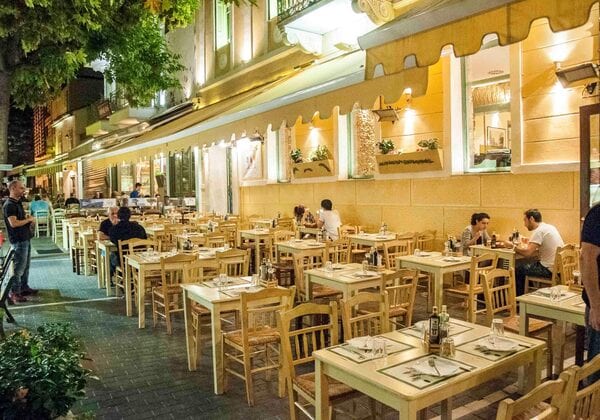
Lithos Taverna
Tucked into a Psirri side street, Lithos does my favourite Moussaka in Athens – layered the way your grandmother would approve, sitting in front of you within minutes of ordering. The room is stone-walled and unfussy, the wine comes in carafes, and the kitchen turns out the Greek classics with just enough finesse to make the regulars regulars.
AthensDay 2
The Ancient Agora, Plaka & Psirri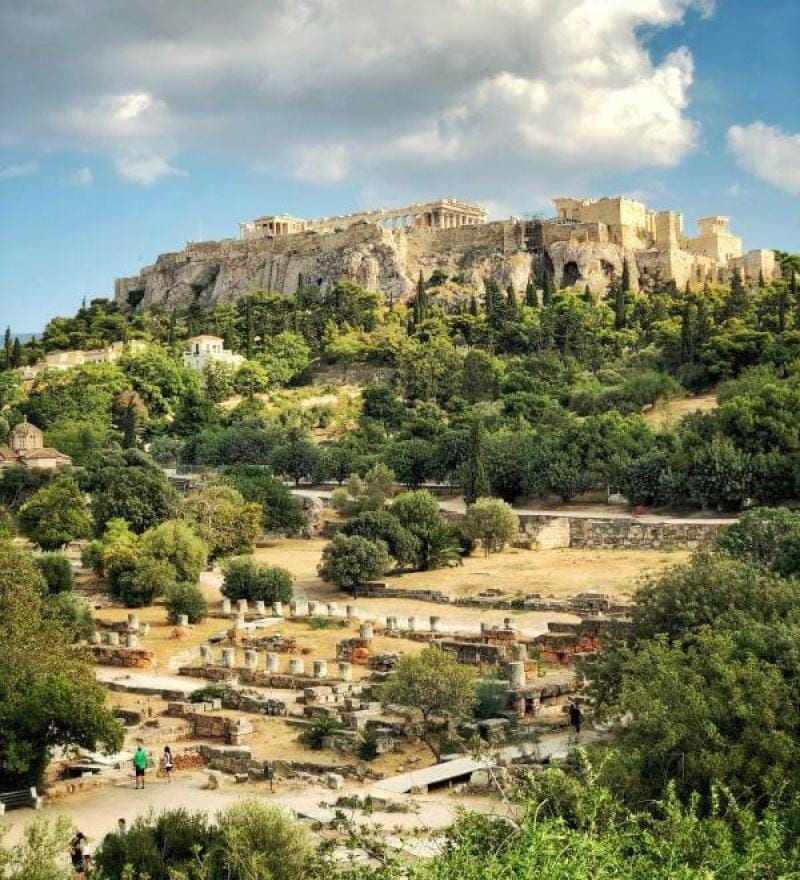
Ancient Agora
The archaeological area of the ancient Agora is located on the foothills of the Acropolis, near Thission Metro Station. In antiquity, the Agora was not solely a commercial centre. It was also an important political, cultural and religious centre. In the area of the agora were located administrative buildings, temples, public services and courts. The Athenians gathered here every day to buy and sell their goods, learn the current news, criticise the government, exchange ideas, or engage in discussion. The area was settled in the Neolithic age. The monuments located there were built in various historical periods: from the classical age to the 11th century AD. The church of Ayioi Apostoloi was built in the 11th century
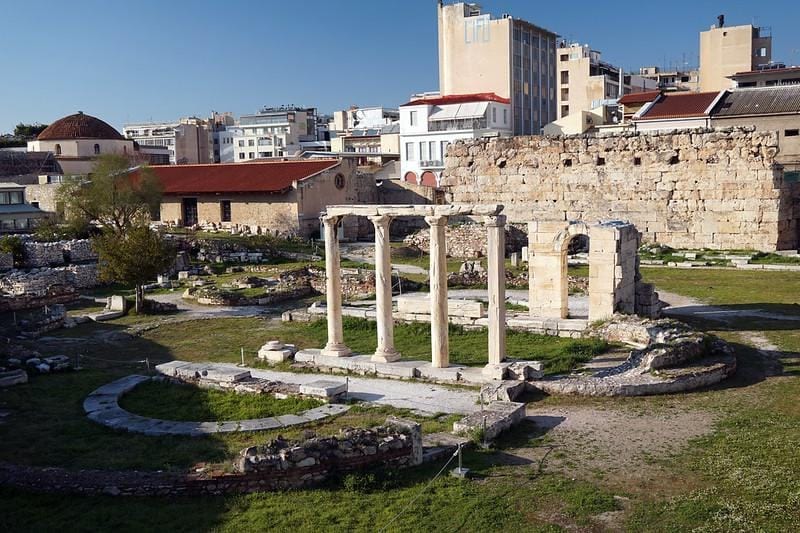
Roman Agora
The Roman Agora (in the Plaka area) was an architectural complex, built between 19 and 11 B.C., consisting of a large rectangular court surrounded by colonnades (stoas). Behind the stoas were various shops.
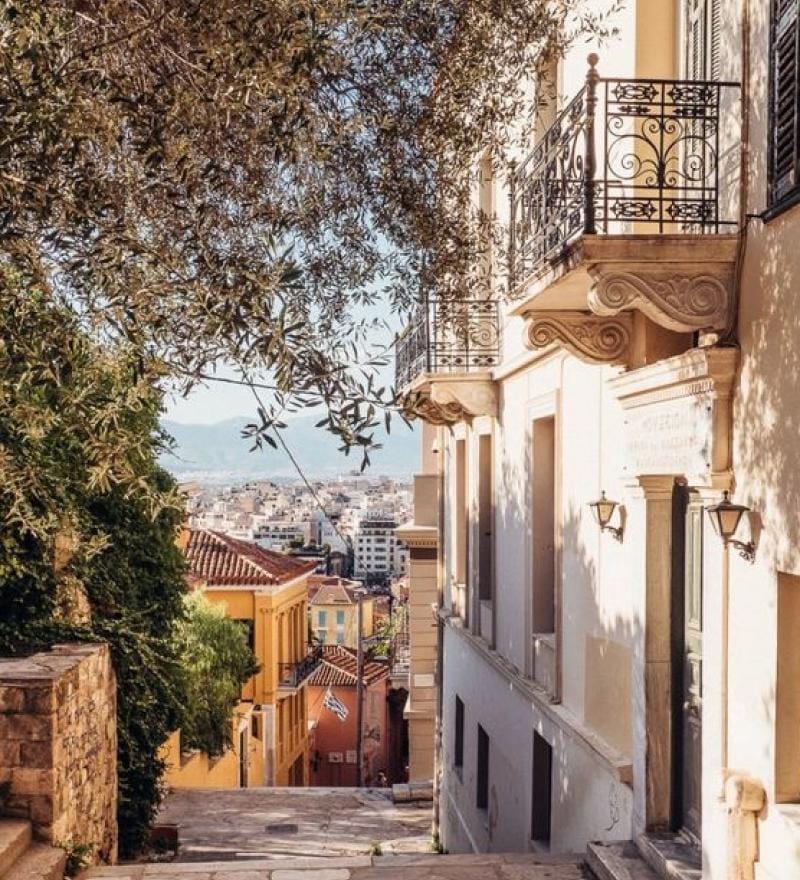
Plaka
Plaka, also known as the "neighbourhood of the gods," is the oldest neighbourhood of Athens. Walking on its paved narrow streets you get the feeling that you are travelling back in time. The origin of the name of the neighbourhood is unknown, although theories abound. According to popular belief, Plaka was named after a slab of stone that was found near the church of Ayios Georgios Alexandrias, in the vicinity of the theatre of Dionysos. The beautiful neoclassical style colour of the houses, the architecture, the well-kept gardens, and the beauty and atmosphere of the neighbourhood are enchanting. In Plaka the air you breathe is different; it is lighter, cleaner, and fragrant, like a gift of the gods. When you visit Plaka you should bring a map, because you might get lost in the labyrinth of narrow streets and alleys. In Adrianou Street, the central street of the neighbourhood, as in other streets in the area, you will find shops selling traditional products, souvenirs, Greek folk art and handicrafts, etc.
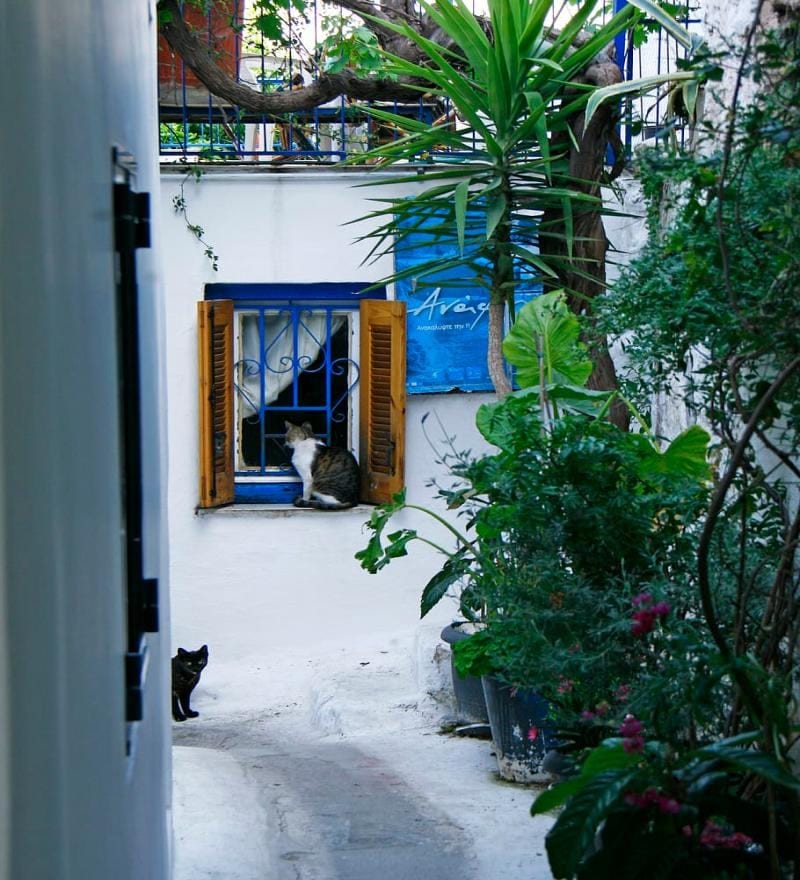
Anafiotika
On the foothills of the Acropolis, has the charm of a beautiful island village. It was built in the mid 19th century by the renowned builders of the Aegean island of Anafi, who were invited to construct the palace of the first king of the Hellenes, Otto. Feeling nostalgic for their birthplace in their long stay in Athens they recreated it in the upper area of Plaka. They built small, whitewashed houses, reproducing the architectural style of their village. We recommend that you visit Anafiotika, the neighbourhood of the Anafiotes
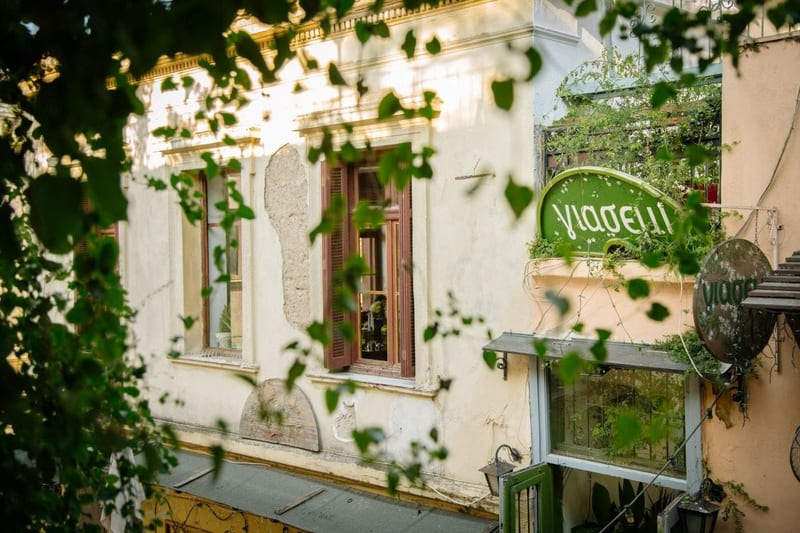
Yiasemi
Yiasemi is a café in Athens, Greece on busy Mnisikleous -a steep, stepped, pedestrian street in the Plaka area that leads down from the Acropolis and is lined with cafés and restaurants. It feels like one of the more characterful offerings on the street, with two separate indoor spaces, seating outside on the steps (of course), tons of plants and flowers, and adorable mismatched furnishings and décor. There's a selection of meze and other dishes but your best bet is to grab a tea or Greek coffee and something sweet to snack on – one of the homemade pies or the honey-drenched, big-enough-to-share baklava. Yiasemi is a nice mix of locals and tourists, buzzy and busy without feeling rushed, and offers superb people-watching
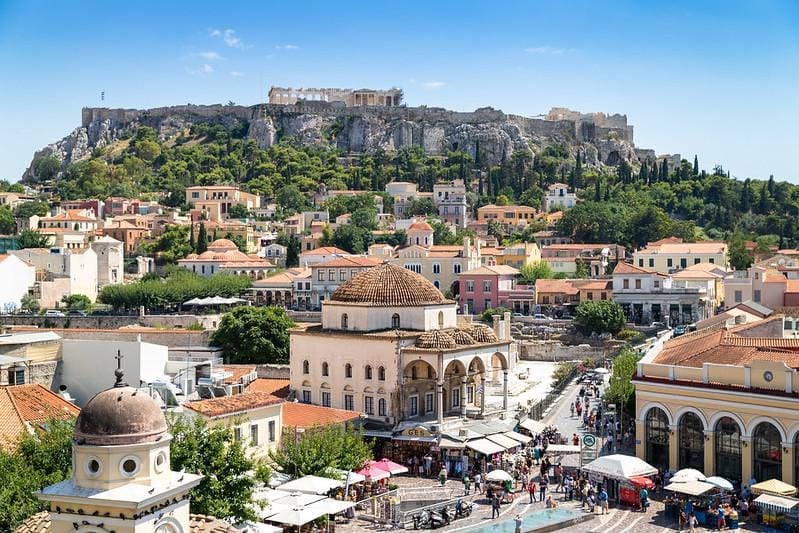
Monastiraki
A distinctive old Athens area, with narrow, irregularly criss-crossing streets, and small buildings, characteristic of Ottoman and to some extent Byzantine urban planning. On the outdoor stands of street sellers, or the small shops on the central roads you can find anything, such as shoes, clothes, old and new furniture, old books and magazines, souvenirs, jewellery, hats, bronze objects, new and used records and CDs and traditional Greek instruments (bouzouki, touberleki). Shopping or walking in Monastiraki is an unforgettable experience. You will be stunned by the variety and quality of things you can buy in the market
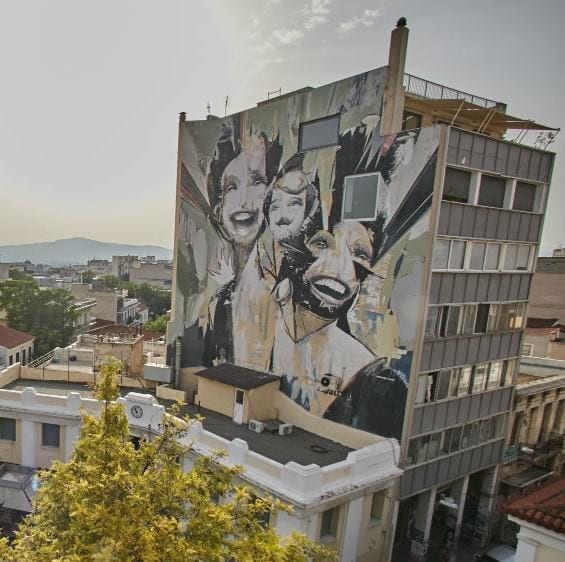
Psirri
A colourful neoclassical Athens neighbourhood, encompassed by Athinas Str, Ermou Str, and Evripidou Str. It is a busy neighbourhood, especially in the night. You will find on its narrow alleys a multitude of cafes, small bars, clubs, restaurants, ouzorestaurants, and taverns with live Greek music, theatres, galleries, art galleries, and antique shops. Following the liberation of Greece (1833), veteran freedom fighters and immigrants from the provinces settled in the neighbourhood. They opened cottage industries and workshops, which have given the neighbourhood a distinctive character. In the early 1990s, following a series of construction works, the neighbourhood became a popular nightlife and residential area. The churches in the area are also quite interesting, such as Ayioi Anargyroi, Ayios Demetrios, Ayios Gregorios (Armenian), et al. Iroon square, the central square, is a good place for you to start your walk.
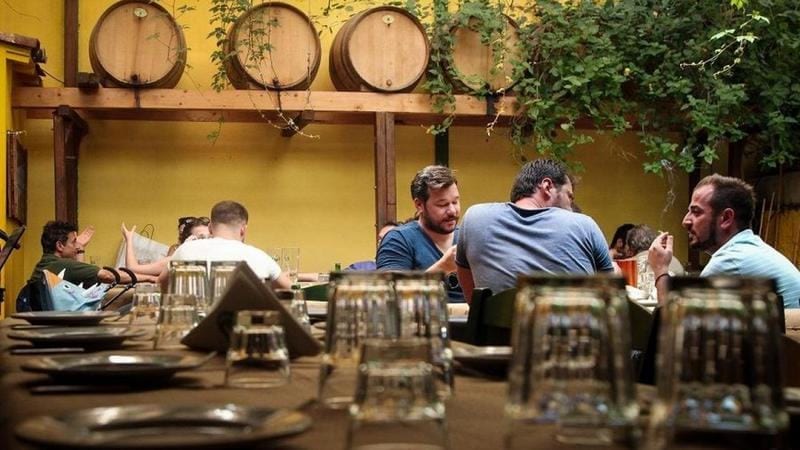
Klimataria Tavern
A century-old taverna in the Koukaki neighborhood at the foot of the Acropolis. Painted vine-leaf walls, live rebetiko on weekends, and the kind of meze plates – grilled octopus, fava, gigantes – that make travelers come back the next night. Order house wine from the barrel and let the kitchen send what's good.
AthensDay 3
Ermou, Syntagma & the National Garden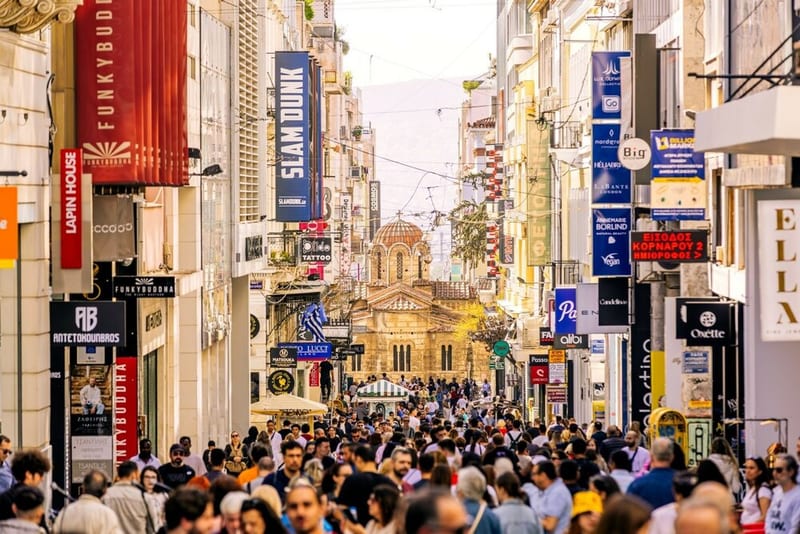
Ermou Street
Athens' great shopping mile – the marble-paved pedestrian street running from Syntagma Square down toward Monastiraki. High-street flagships and old family shops stand side by side, and halfway down the tiny Byzantine church of Kapnikarea sits marooned mid-stream while the crowd parts around it. Best saved for the end of the trip: shop last, and carry nothing around the islands.
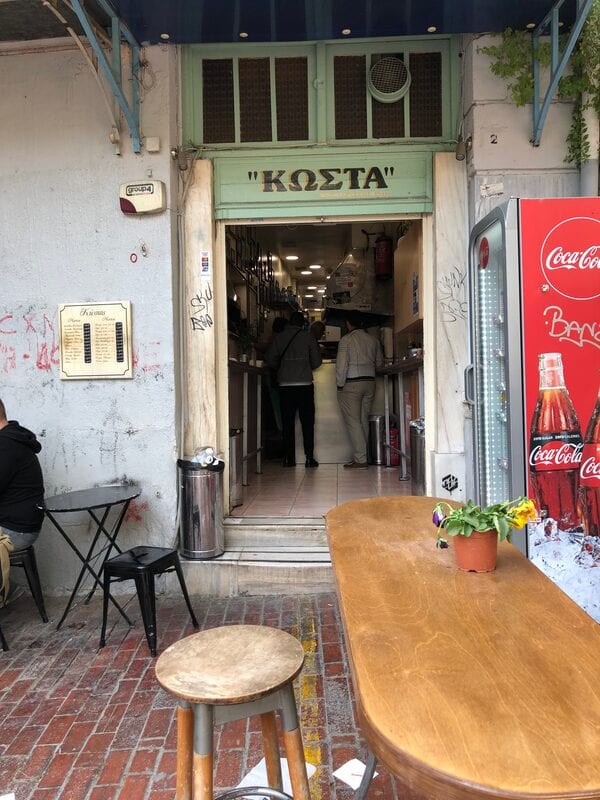
Kostas
Amazing gyros – a tiny grill on Agia Irini Square that has been doing pork souvlaki the same way for decades. A handful of stools, a queue that moves fast, and the smell of charcoal two streets away. Grab one (or two) in the pita, open the wax paper on the square, and you've understood why this is the Athens food pilgrimage.
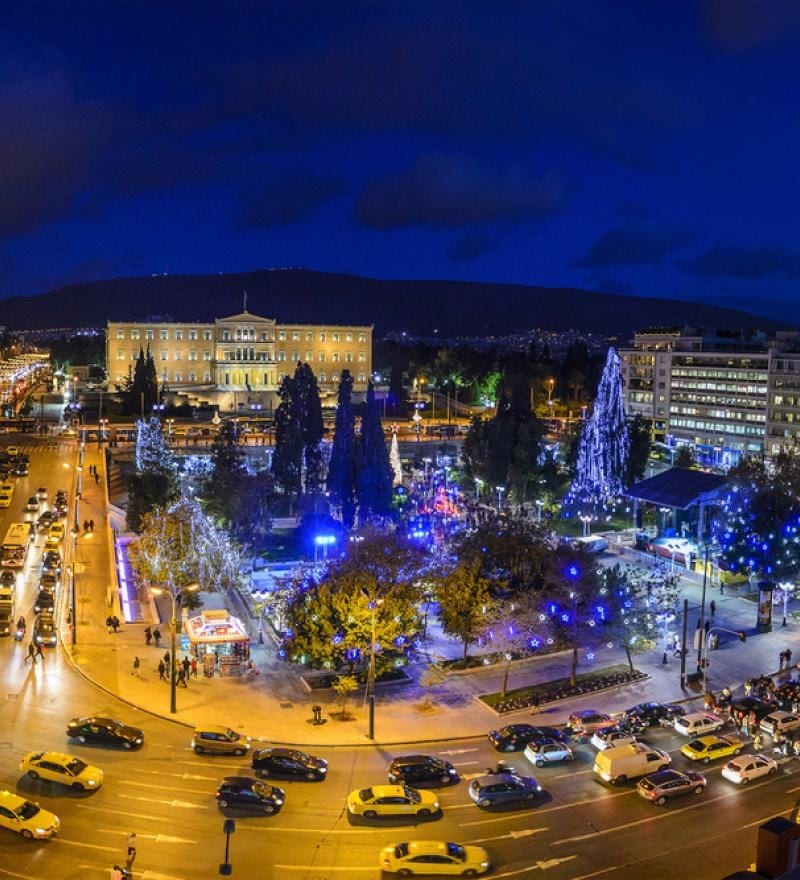
Syntagma Square
Syntagma Square is Athens' central square. The name of the square is derived from an uprising on 3 September 1843, of the people and the guard of Athens before the then Royal Palace building, (what is now the Parliament), demanding that King Otto grant a Constitution (Syntagma means Constitution). Syntagma Square and Omonia Square are the two central locations of the city. You should not be surprised when you ask directions if people refer to Syntagma square. Plaka, Acropolis, the Cathedral, the National Garden, Ermou Str, and Kolonaki, are located in the vicinity of Syntagma Square. You will find fashionable cafes and small restaurants located here. The square is busy around the clock. At the kiosks you will find miscellaneous items, ranging from aspirin to souvenirs, newspapers and foreign magazines.
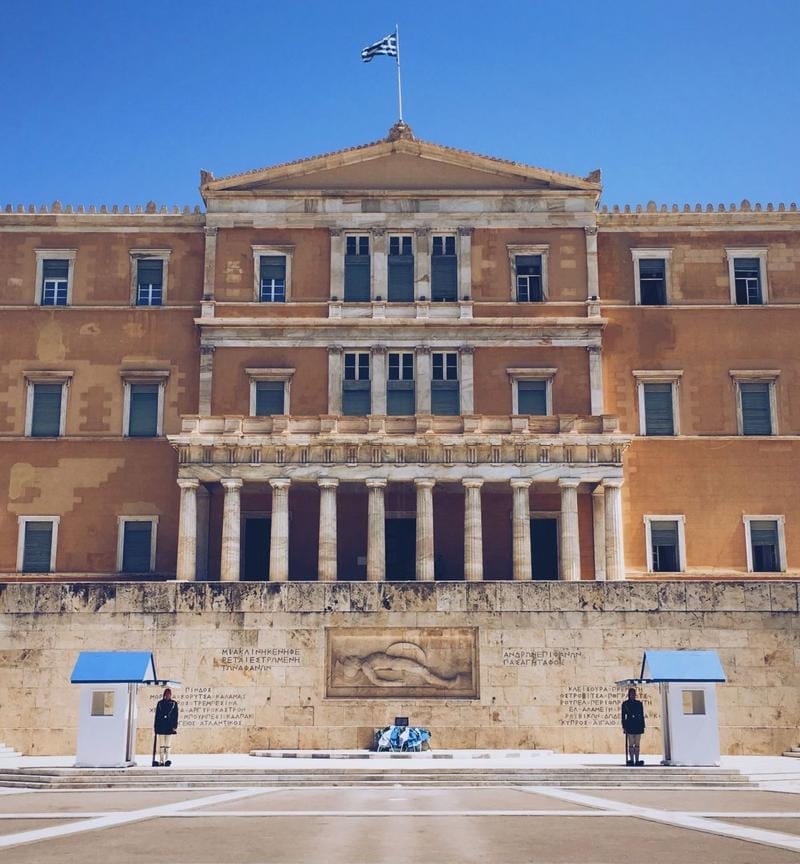
Greek Parliament
Dominating Syntagma Square, the building was the residence of the first king of Greece Otto. The building was constructed from 1836 to 1842. George A', who succeeded Otto on the throne, also resided in the palace. During his reign, two successive fires destroyed the building, making it unsuitable for use as a royal residence. In 1924 the government decided to situate Parliament in the building. Reconstruction work was completed in 1934. The interior was redesigned by architect A. Kriezis. In Parliament you will find national treasures, such as the first Greek Constitution, a collection of valuable paintings and a large library.
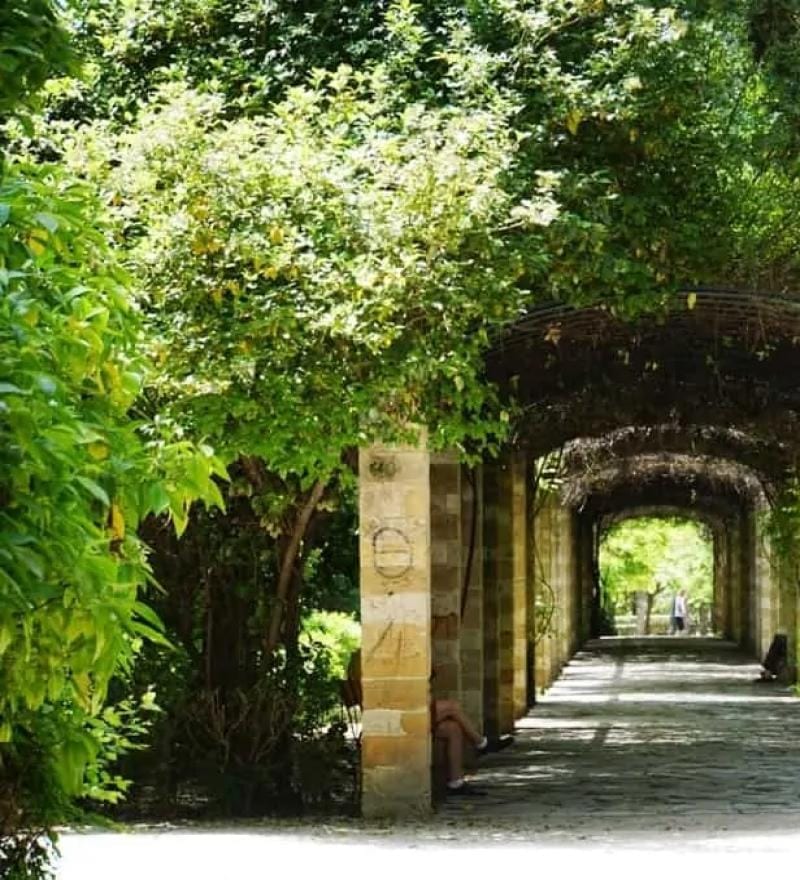
National Garden
The National Garden, open from dawn to sunset, is an oasis in the centre of the city. It has a total area of 160,000 m2. Some five hundred different kinds of plants, bushes and trees from various locations around the world are grown here (in total, it has 7,000 trees and 40,000 bushes). At the same time, it comprises an important natural life reserve in Athens as many different species of birds, hedgehogs, turtles, ducks and even bats are gathered here. The National Garden – which was formerly the palace garden - was laid out from 1838-1860. There are six entrances: at Vasilissis Sofias Avenue, Irodou Attikou Str, Vasilissis Amalias Avenue, and two entrances connecting the National Garden to the Zappeion. You will also find here a small pond, a small zoo, the Botanical Museum, a traditional café, a children's library, a playground, various monuments of antiquity, and the busts of important personalities of modern Greece (among others, politicians and authors).
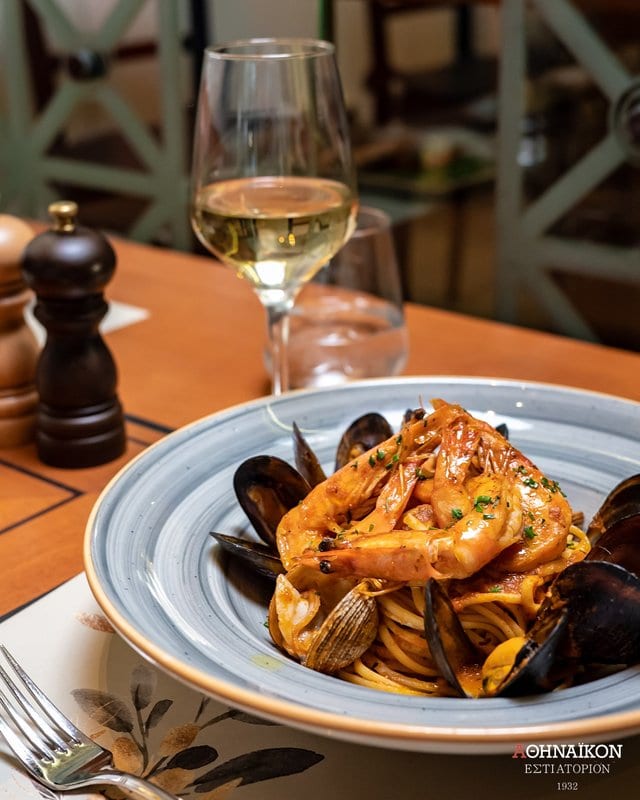
Athinaikon
An Athens institution since 1932, Athinaikon is where the city goes for proper ouzomezedes – shrimp croquettes, fried smelt, mussels saganaki – on marble tables under old photographs. It moved premises with its regulars over the decades and never lost the habit of doing simple things properly. Order a carafe of ouzo and a spread of small plates; service is brisk, portions honest, the bill kinder than the neighbourhood suggests. Between Syntagma and Monastiraki, it is the natural dinner after the Evzones' changing of the guard.
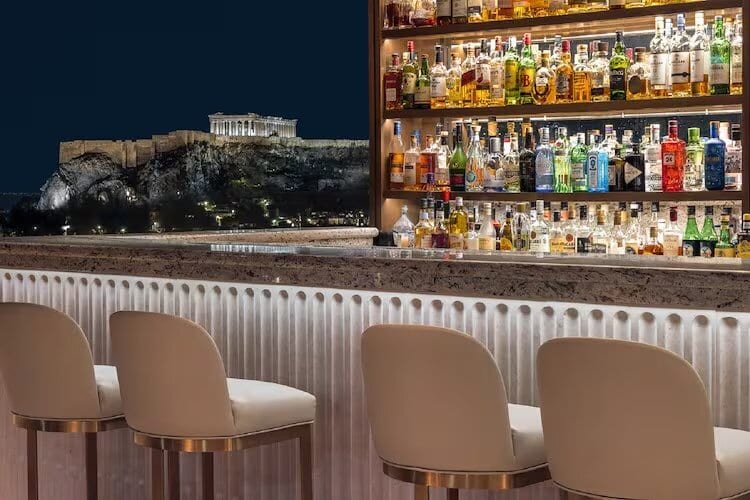
Grande Bretagne Roof Bar
The rooftop bar of the GB Roof Garden restaurant, crowning the Hotel Grande Bretagne on Syntagma Square. Take a stool at the marble counter or a terrace table at golden hour – the Acropolis floodlit across the rooftops, a list of some fifty cocktails, and the calmest view in the city centre. Open daily 13:00–02:00; smart casual, and book ahead in season.
Your whole trip in one booking
With WeAreTravelers – a licensed, Athens-based travel agency.
- Zero service fees. Same price as if you organized everything on your own.
- One booking and one payment for the whole trip (instead of separate bookings for each hotel, ferry and flight).
- One local point of contact, who has your back – before you travel, and while you're here.
- Covered by the EU package travel rules. Your payments are protected by law.