 ×
×
 Athens, Santorini & Crete Itinerary
 A trip by Sandy PapasGreece Travel Secrets
Athens, Santorini & Crete Itinerary
Three of the most popular destinations in Greece for good reason. Their iconic landscapes and historic sites make them some of the most photographed places in the world.
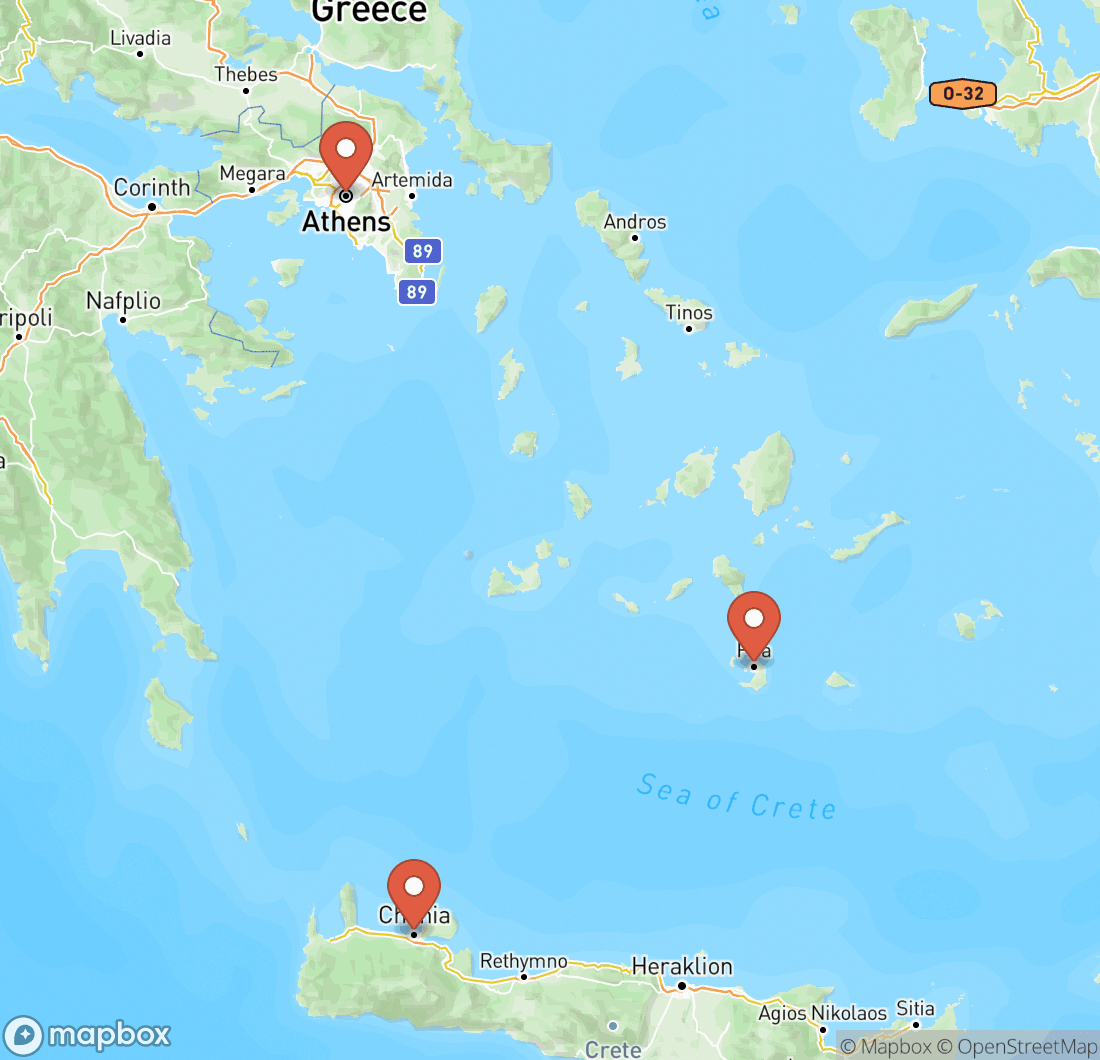
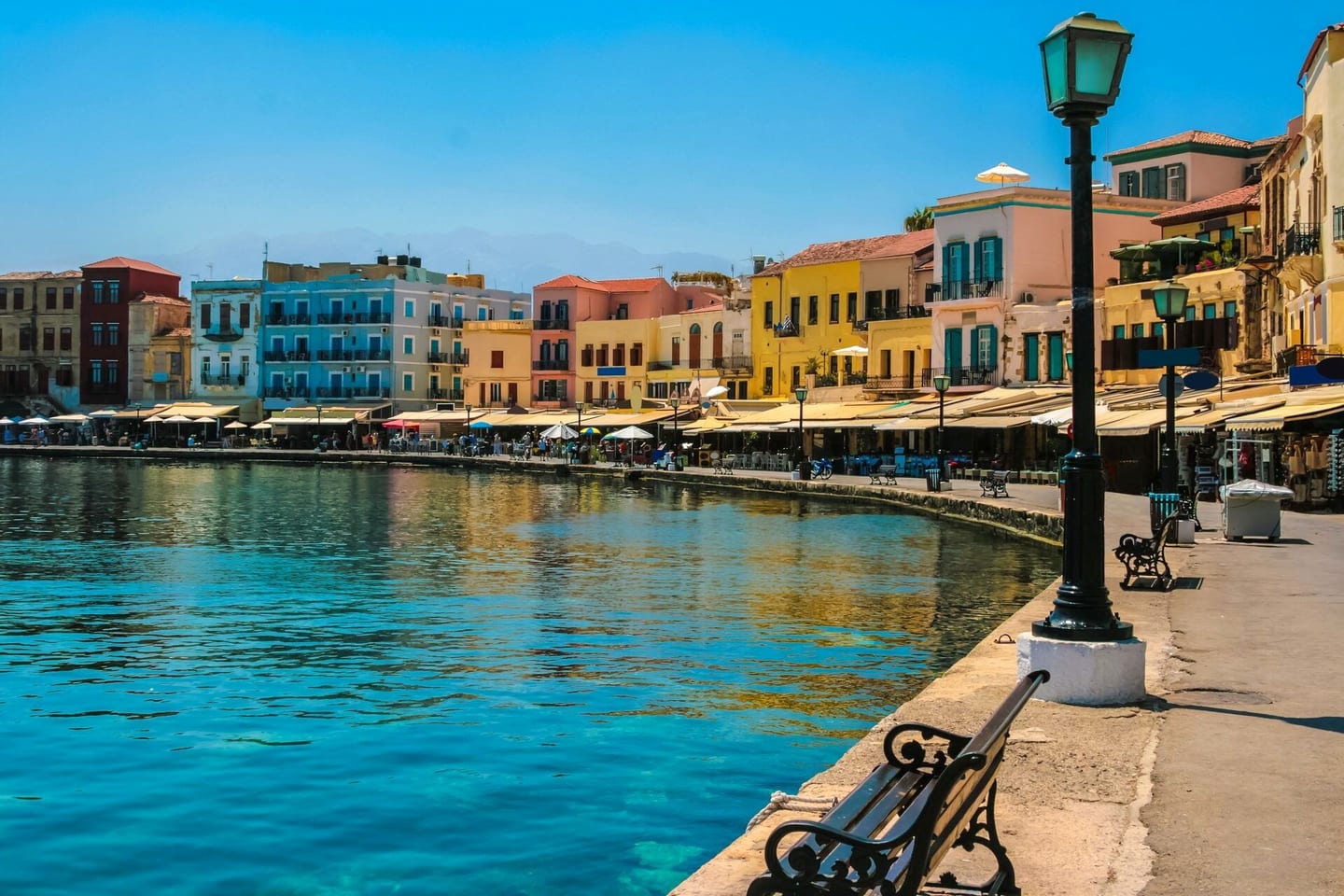
Chania
Days 1–4 of 10 · 4 nightsChania is where most short Crete trips should start – Venetian harbour, the Old Town, the wild beaches west (Balos, Elafonisi, Kedrodasos, Falasarna), and the famous Samaria Gorge. Four days here is enough for a taste; you'll be planning the return trip before you leave.
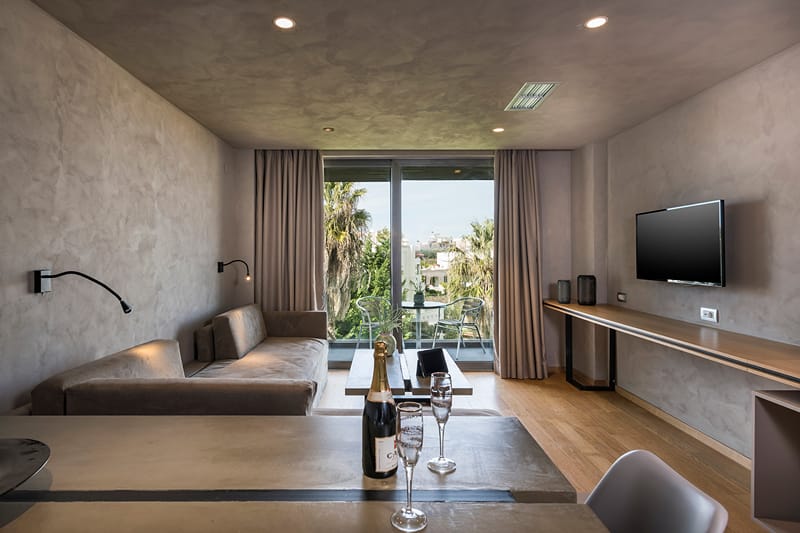
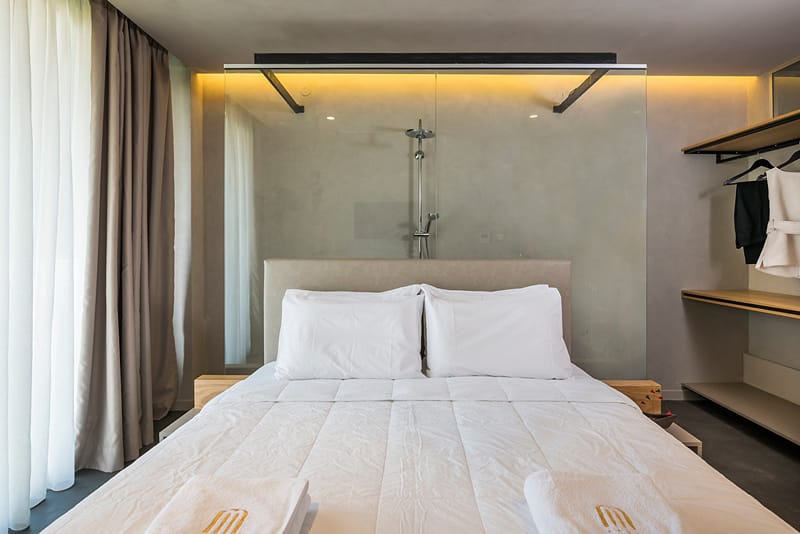
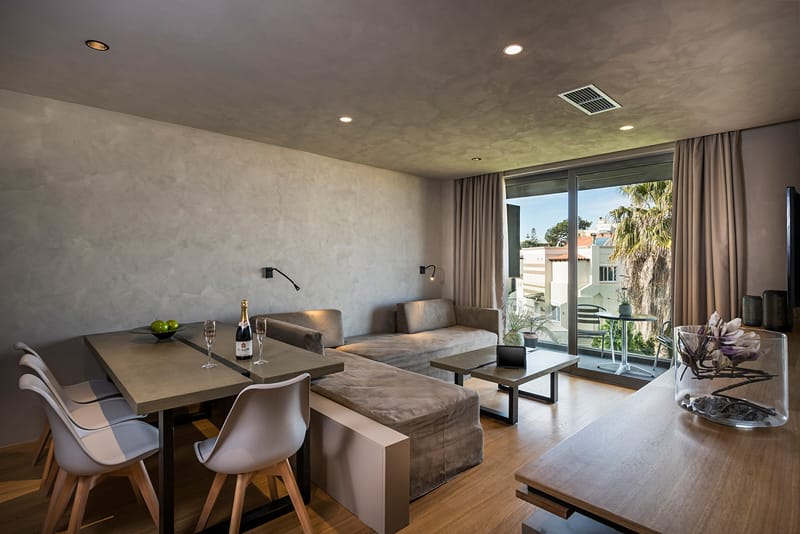
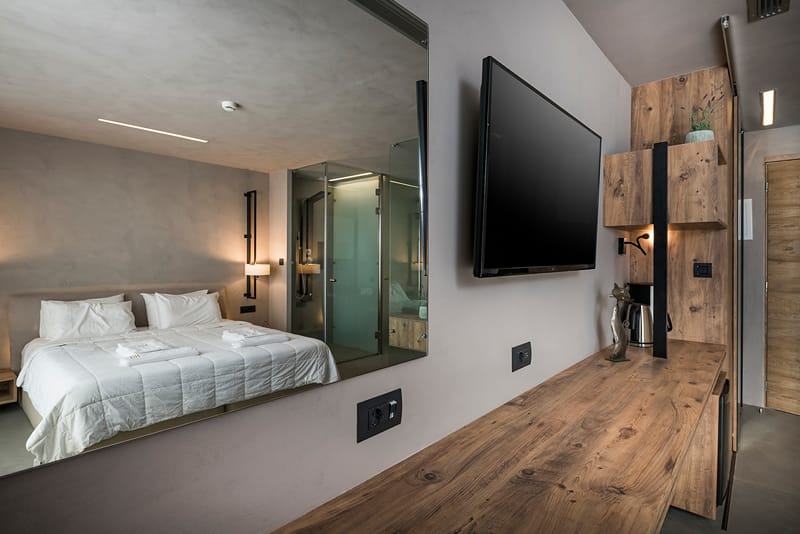
Icarus Hotel Chania
A polished beachside stay in Kalamaki, a short drive from the old harbour.
 9.3
9.3 Alternative places to stay

ChaniaDay 1
Seitan Limania & the Venetian Harbor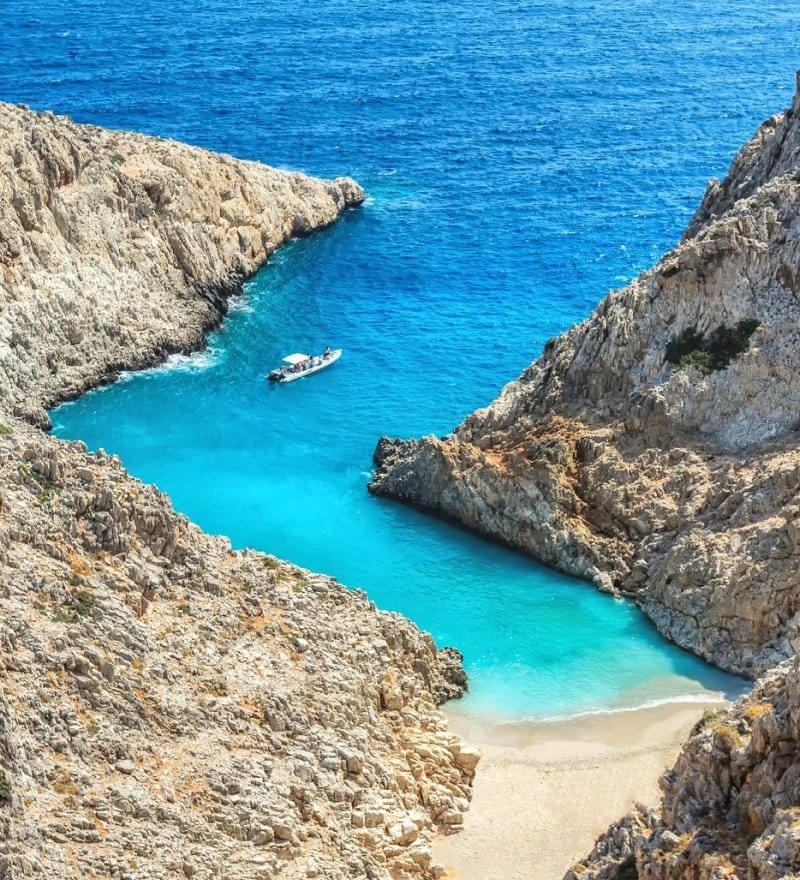
Seitan Limania beach
Seitan Limania is one of the best-kept secrets of Chania! This beach is unlike anything you’ve seen before: strips of water enter the rocky land, creating beautiful coves with emerald waters. The scenery will absolutely steal your breath. This beach boasts an amazing wild natural landscape. It is surrounded by steep cliffs, it has fine white sand and mesmerizing turquoise waters. If you are a seeker for interesting natural landscapes, this beach will blow your mind. Keep in mind that Seitan Limania is not organized, so you have to bring your own umbrella and beach essentials.
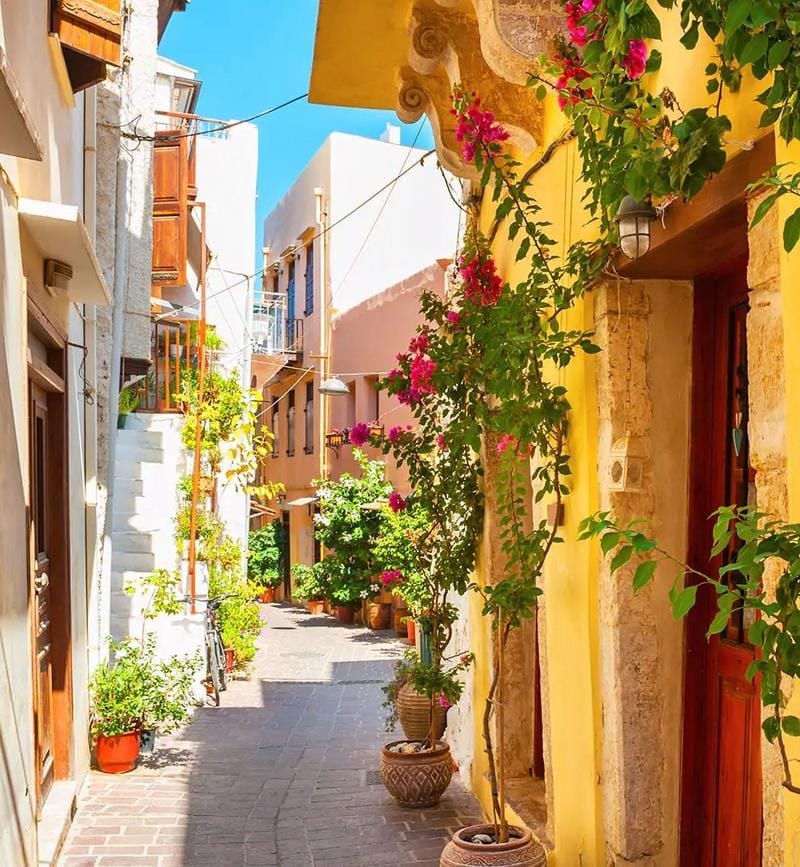
Old Town
One of the best things to do in Chania is wander through the maze of narrow, pedestrian-only streets in the historic old town. An architectural style jumps out at you around every corner. Shops lining the streets and stairways sell souvenirs, and cute restaurants and cafés are tucked into shady patios. As you walk around, you'll come across four distinct areas, each with its own look and feel: Kastelli is hilly and quite old with very narrow, twisty walkways. If you come across a group of tourists, it's often too tight to pass. Topanas is just back from the old port and has narrow roadways. The Jewish District is easily identified by its wider streets. The Splantzia District has the greatest number of outdoor cafés and restaurants, mostly located around a huge plane tree in front of the Church of St. Nicolas.
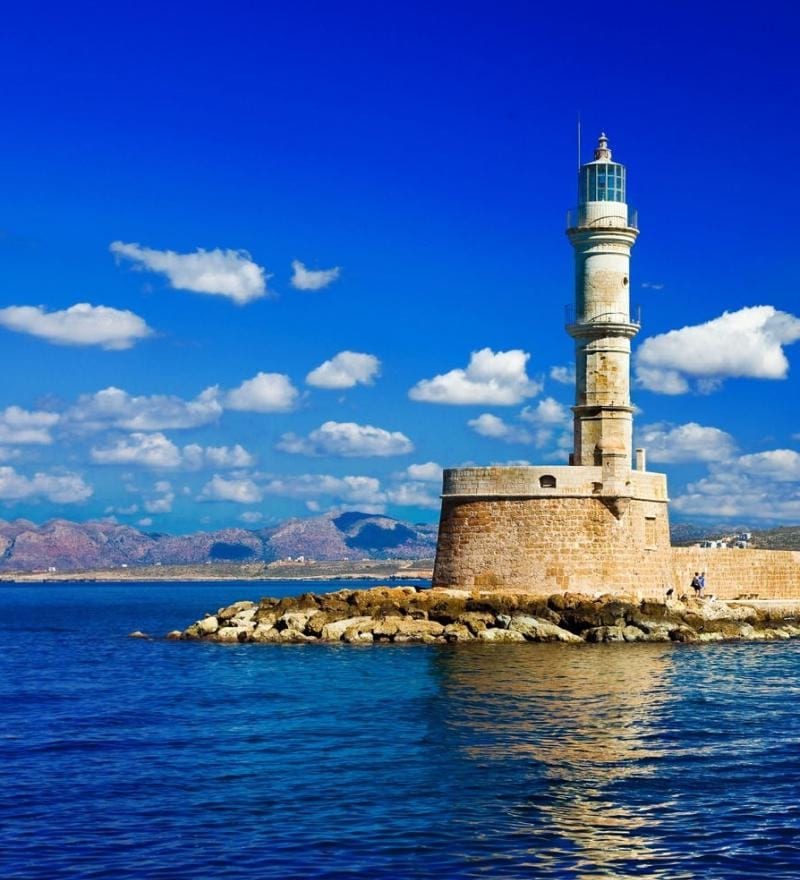
Old Venetian Harbor
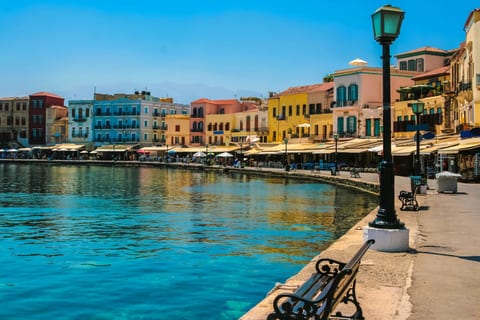
Dating from the 14th century, the old harbor is ringed by a promenade lined with seafood eateries and cafés; it buzzes with visitors in summer, and is totally enchanting by night. As you wander to the east of the old harbor, you'll pass by the small mosque, erected by the Ottoman Turks after they took Chania in 1645. Today it serves as a small art gallery. Beyond the mosque, stand the arsenals, where the Venetians repaired their galleys, and a yachting marina. This entire stretch of coast is protected by a breakwater, and on its tip stands a lighthouse-it was designed by an Egyptian architect in 1839 and is strangely reminiscent of a minaret. On the point across the water from the lighthouse stands the Maritime Museum and the Firkas Fortress.
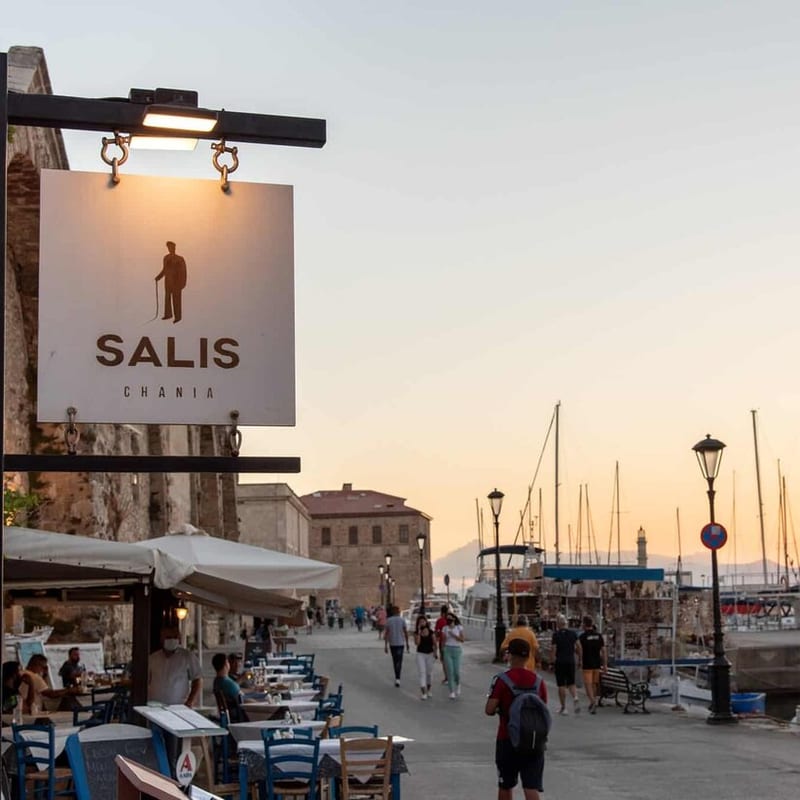
Salis
Salis holds the corner where Akti Enoseos meets the old Venetian harbour – a modern Cretan kitchen in one of Chania's most photographed settings. The menu runs from octopus carpaccio to slow-cooked island classics, backed by an award-winning Greek wine list, and the terrace catches the evening light straight off the water. Book ahead in season; the sunset tables go first.
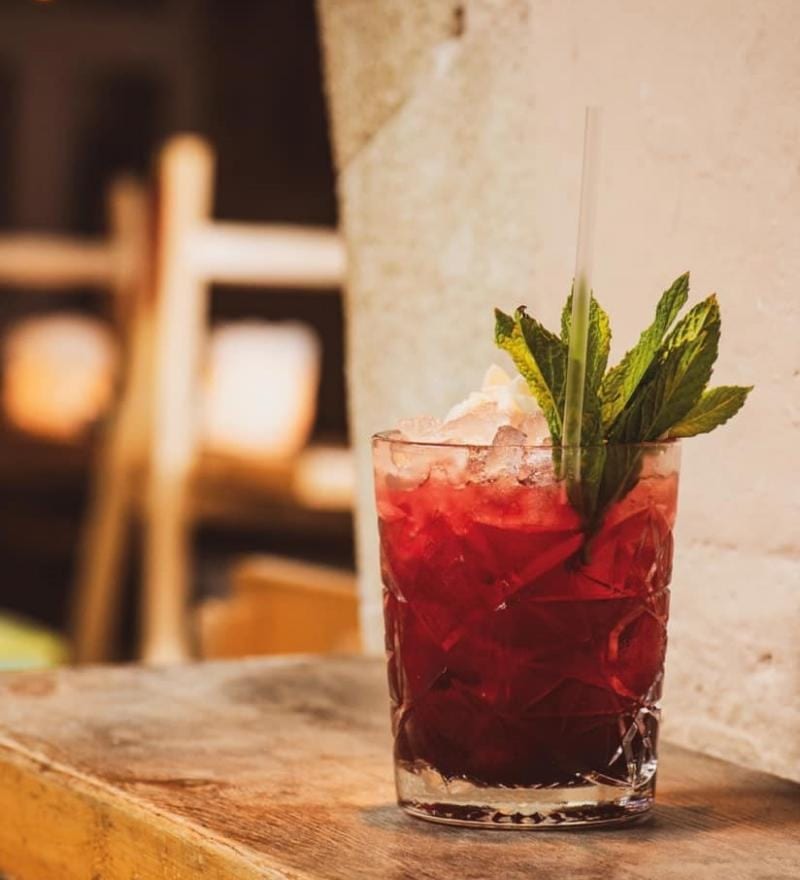
Sinagogi Bar
Sinagogi is an open-air bar not far from the Venetian port in the old city of Chania. It first opened in 1995 and has since been serving cool drinks and cocktails. Upon entering the bar, you can feel how unique it is. Sinagogi is built next to Chania’s old synagogue and has no roof inside, apart from a few trees and reeds. The scenery is truly majestic. You will love the mix and variety of cocktails here. And if you appreciate music, you are in for a treat too! The only caveat is that the bar often gets busy with tourists and locals alike. Yet, this proves how special Sinagogi is.
ChaniaDay 2
The Balos lagoon boat trip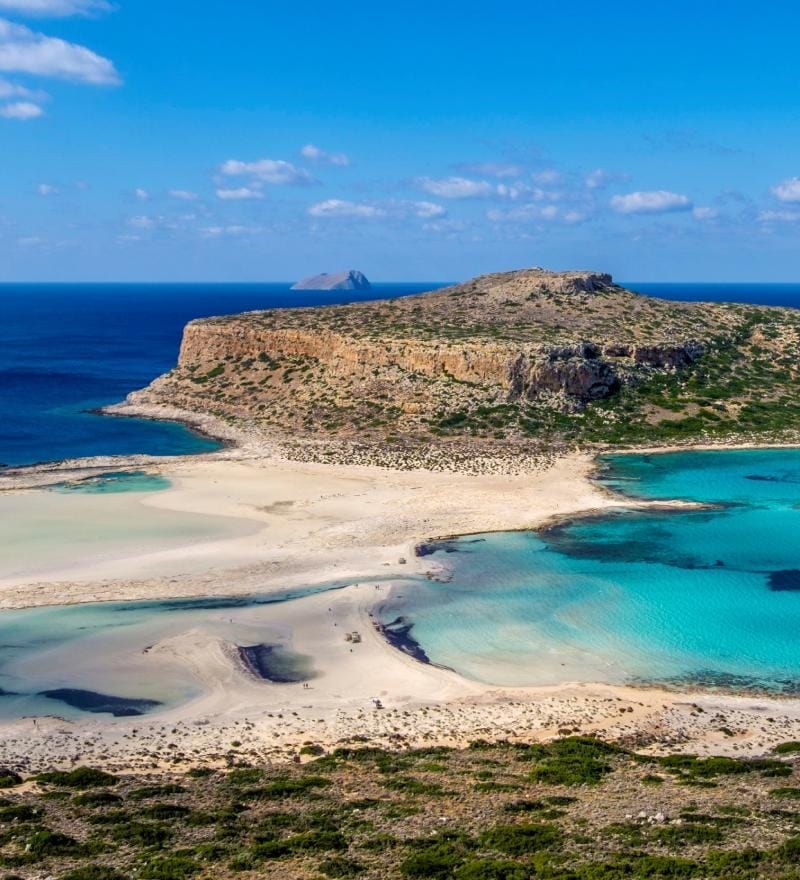
Balos beach
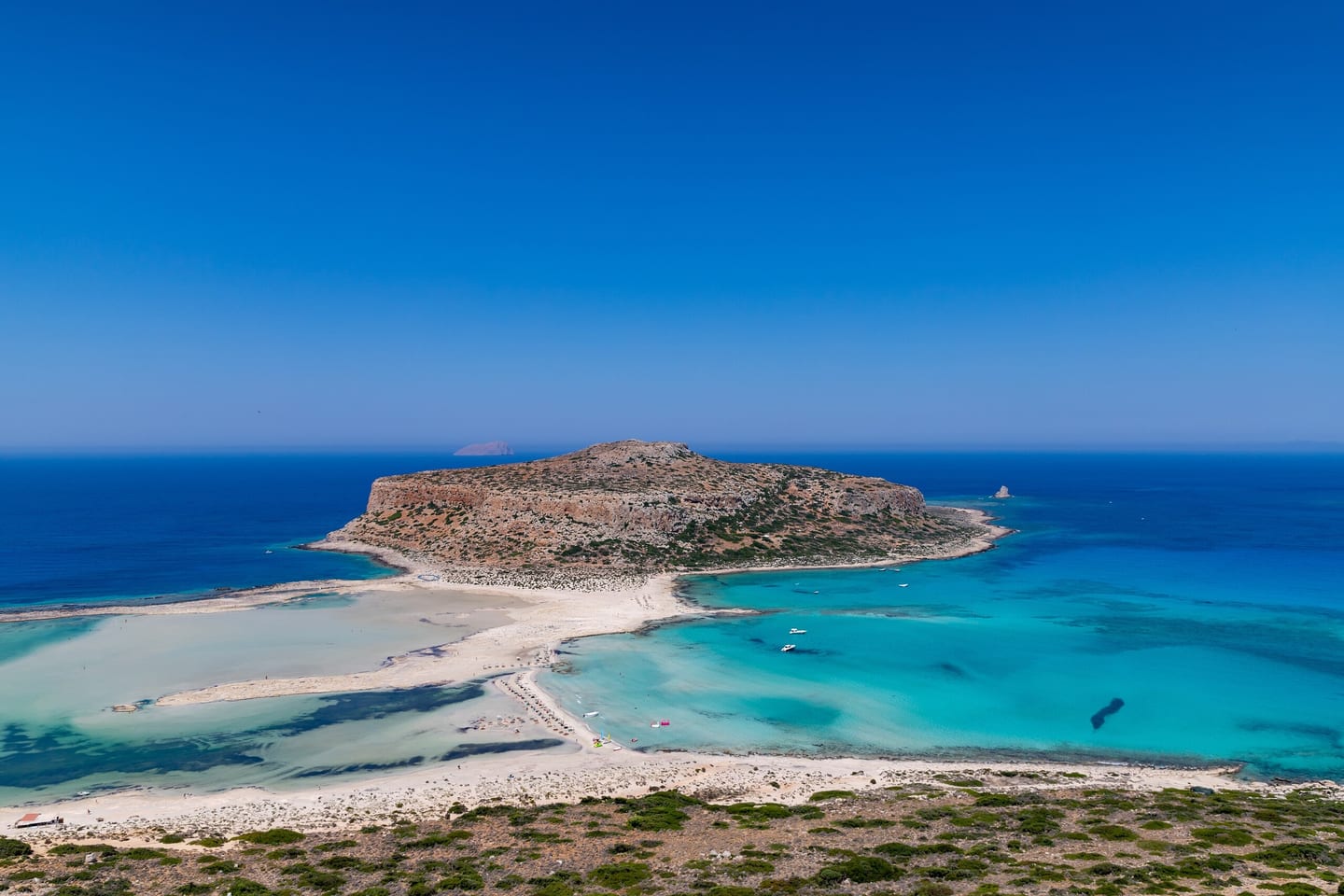
Balos beach in Chania is the perfect combination of an exotic landscape and wild natural beauty. No wonder why it’s the most photographed beach in Crete! Mesmerizing emerald waters, fine white sand and rock formations create a scenery of unreal beauty. You’ll want to sit there for hours, taking in the scenery. The waters in Balos are warm and shallow, while in some parts of the beach the sand is pink, due to the broken shells covering parts of it. Located near Kissamos, Balos beach can be reached either by car from Chania, either by boat from Kasteli or by a three-hour hike from Kaliviani.
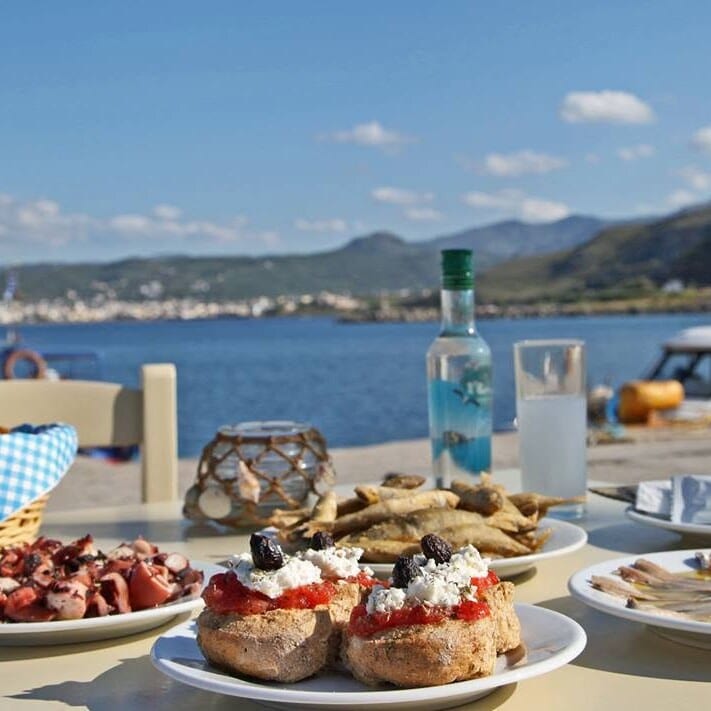
Limani Fish Tavern
A working-harbour fish taverna on the quiet port just west of Kissamos town – the boats tie up in front, and what they land is what's on the menu. Come off the Balos boat hungry: grilled calamari, sardines and whatever the day brought, served a few metres from the water at prices the locals approve of. Simple, fresh and exactly where you want it after a day on the lagoon.
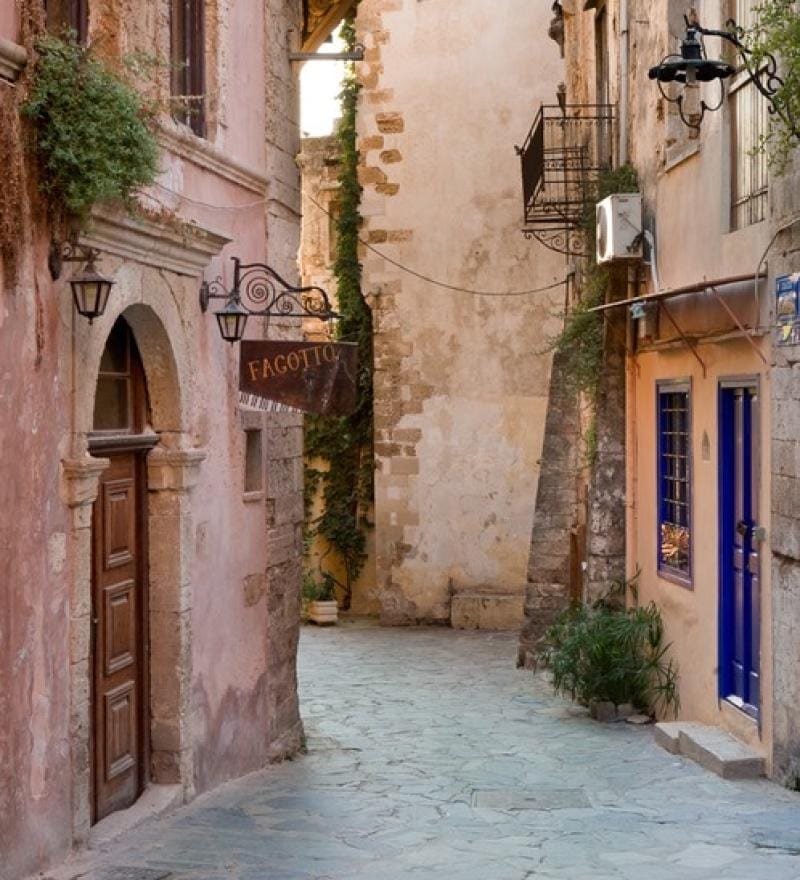
Fagotto Jazz Bar
Located on a backstreet right behind the Venetian harbor, Fogotto is a romantic jazz bar ideal for those of you looking for a quiet night out. If you decide to spend your night here, you will love the incredible romantic ambiance, the large variety of drinks, and attentive staff. You can sit inside the cozy and air-conditioned bar area, or you can choose to use the tables along the walkway. No matter your choice, Fagoto Jazz Bar is meant to impress you with its quality music and atmosphere.
ChaniaDay 3
Elafonisi & the Kedrodasos cedar forest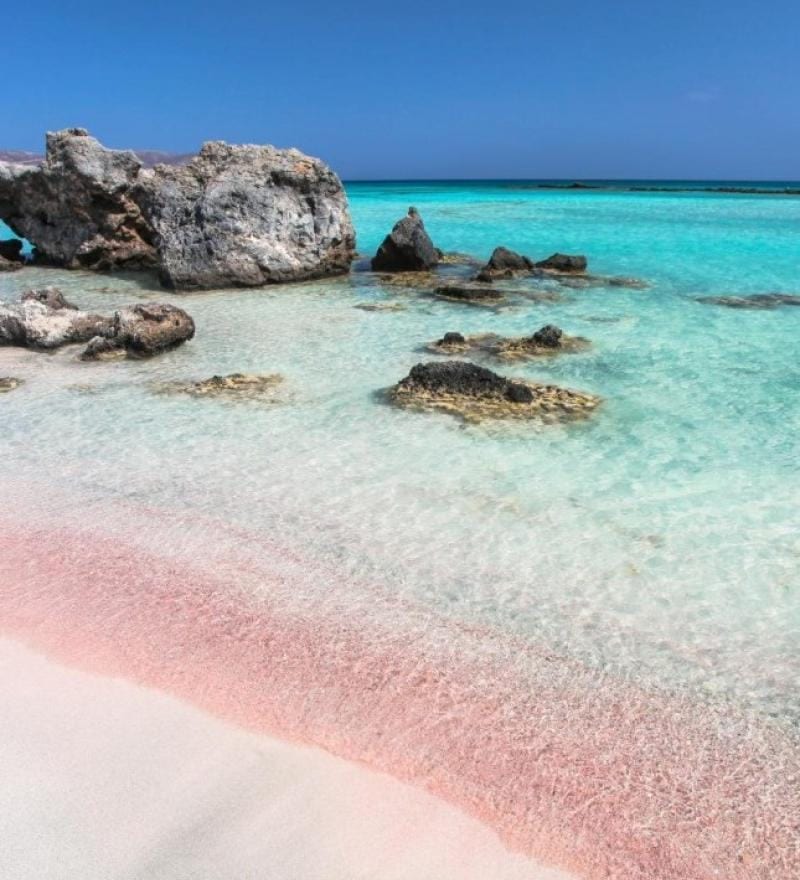
Elafonisi beach
The eternal rival of Balos competing for the prize "the best beach of Crete", Elafonisi is one of the most famous and upvoted beaches in Chania, which stands out for its exotic setting! Elafonisi is basically a sandy peninsula, with many beaches, both organized and unorganized. The eastern part of the beach is organized, thus more crowded, but there are also many quiet coves that reward the traveler with privacy and serenity. The sand in Elafonisi beach is fine and white (pinkish is some parts!), the water is turquoise and shallow, while the landscape is exotic and unbelievably beautiful. What else could one possibly ask for? Keep in mid that Elafonisi is a protected natural reserve, where many plants thrive and rare animal species find shelter.
Kalomirakis Tavern
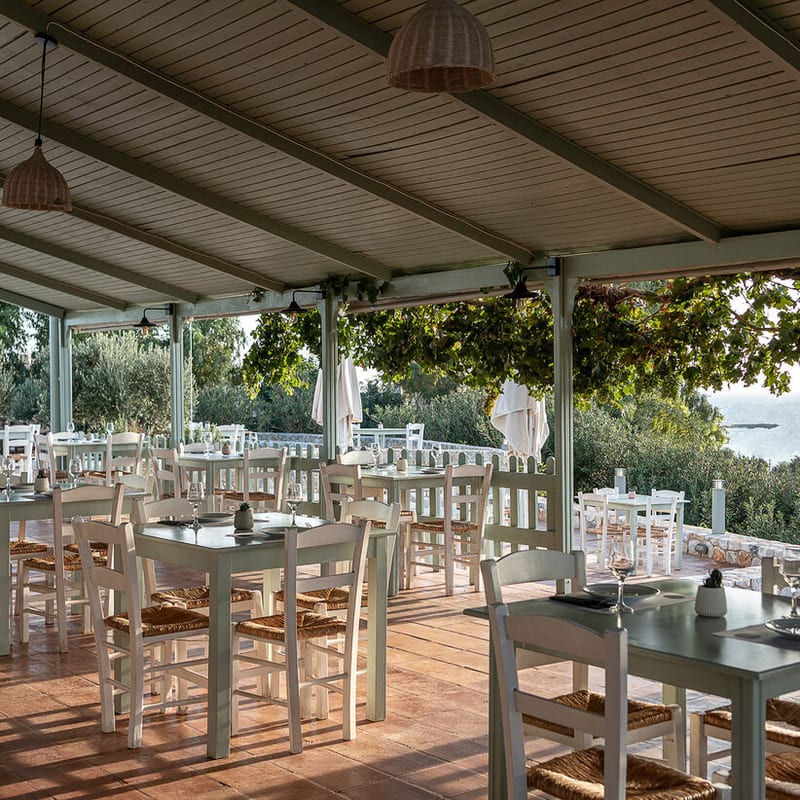
The Kalomirakis family's taverna sits on the last stretch of road before Elafonisi beach – the natural lunch stop when you surface from the pink sand. An airy veranda looks over olive trees toward the sea, and the kitchen keeps it Cretan: fried calamari, dakos, cheese pies, feta with honey, open from breakfast through dinner. There's a mini-market alongside for beach supplies.
Kedrodasos beach
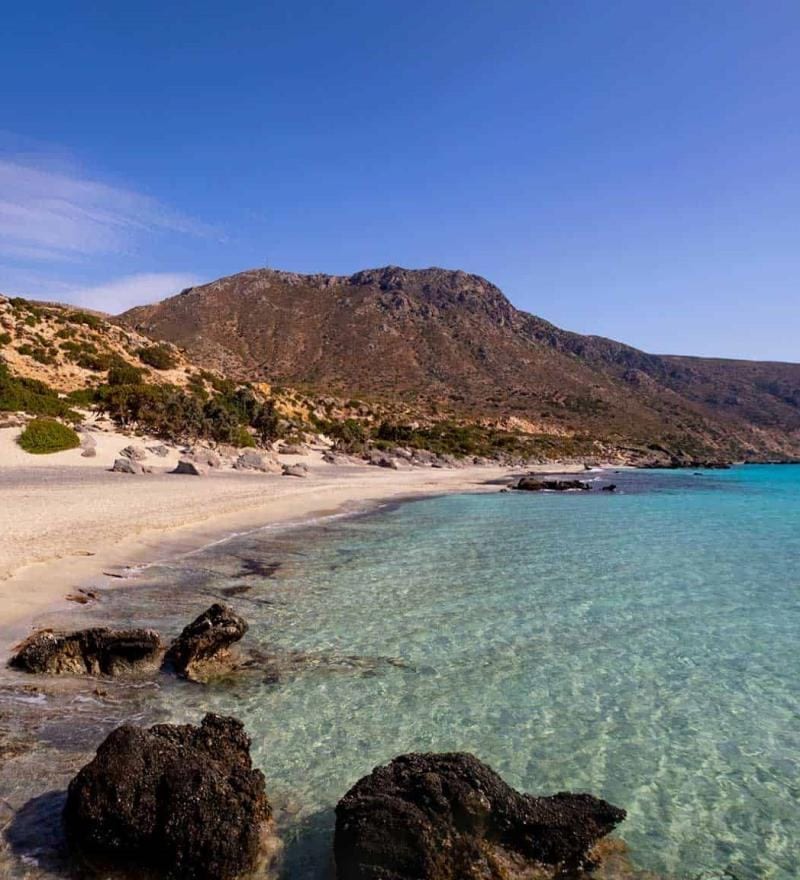
Located 76 km south-west of Chania and 1 km away from another favorite Elafonissi beach. It is a secluded beach with white sand and juniper trees. It is ideal for campers and naturists. Kedrodasos is a very nice beach with white sand and some smooth and flat rocks in places. Fortunately, there are no facilities nearby, making this secluded beach (so you should bring a snack, water and an umbrella for the sun- if you are lucky, you will find shade under one of the juniper trees), one of the latest untouched paradises in Europe. That also means that you should keep it clean and not littered. The easiest way to find the beach is with a GPS. There is car parking at the end of the road, leave your car, go down the path, and you are there... in paradise. For those interested, the European path E4 crosses the beach (there are yellow and black signs on the way).
The Well of the Turk
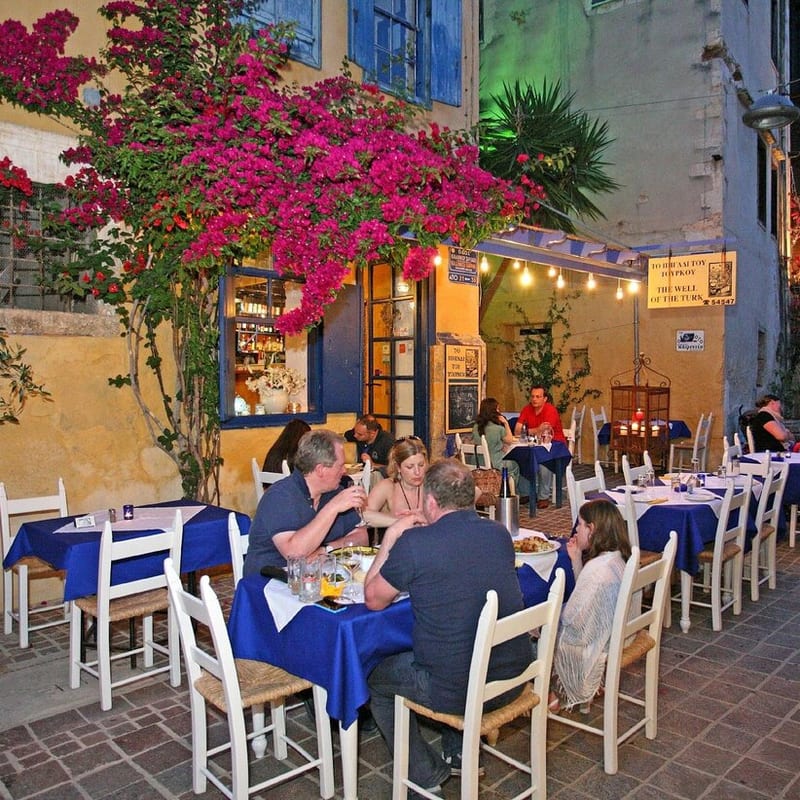
Hidden in the lanes of Splantzia, Chania's old Turkish quarter, the Well of the Turk has been serving Cretan cooking with eastern accents for decades – the name comes from the old well still inside the house. Bougainvillea spills over the tables in the alley, candles do the lighting indoors, and the spiced slow-cooked dishes explain the loyal following. A short walk from the harbour, and worth every turn it takes to find it.
ChaniaDay 4
Hiking the Samaria Gorge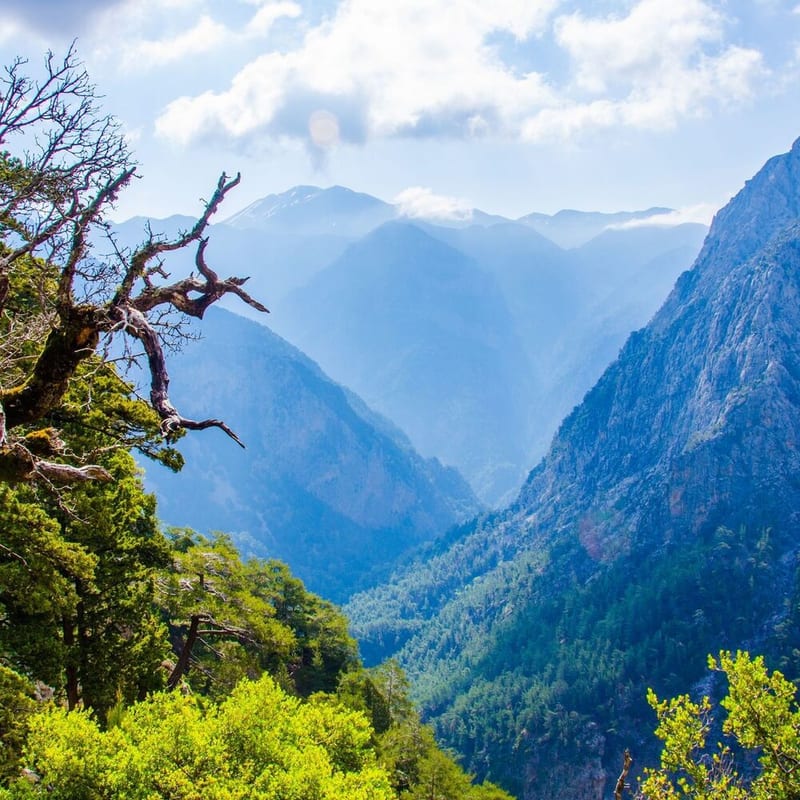
Samaria Gorge
Crete's mountains are cut by deep gorges, the longest of which is the 18-kilometer Samaria. It makes a challenging hike, which you can do independently or as part of an organized day trip from Chania. This is a one-way hike, so you need to consider transport back to your starting point before doing this hike. It can be complex, so a tour is your best option. Entrance to the gorge is at the village of Omalós, 42 kilometers south of Chania. The path is steep and uneven at first, descending through dense pinewoods. Deep inside the rocky gorge, the footpath winds around large boulders, and at its narrowest point, the "Iron Gates" (Sideroportes), the Samaria is only four meters wide. Look out for kri kri, wild goats unique to Crete. One of the great aspects of this hike is the fact that it is almost all down hill. The gorge opens out to the sea at the village of Ayía Rouméli, with a black-sand beach where you can swim at the end of your hike. From here, catch the ferry to Sfakia, then the bus back to Chania (75 kilometers).
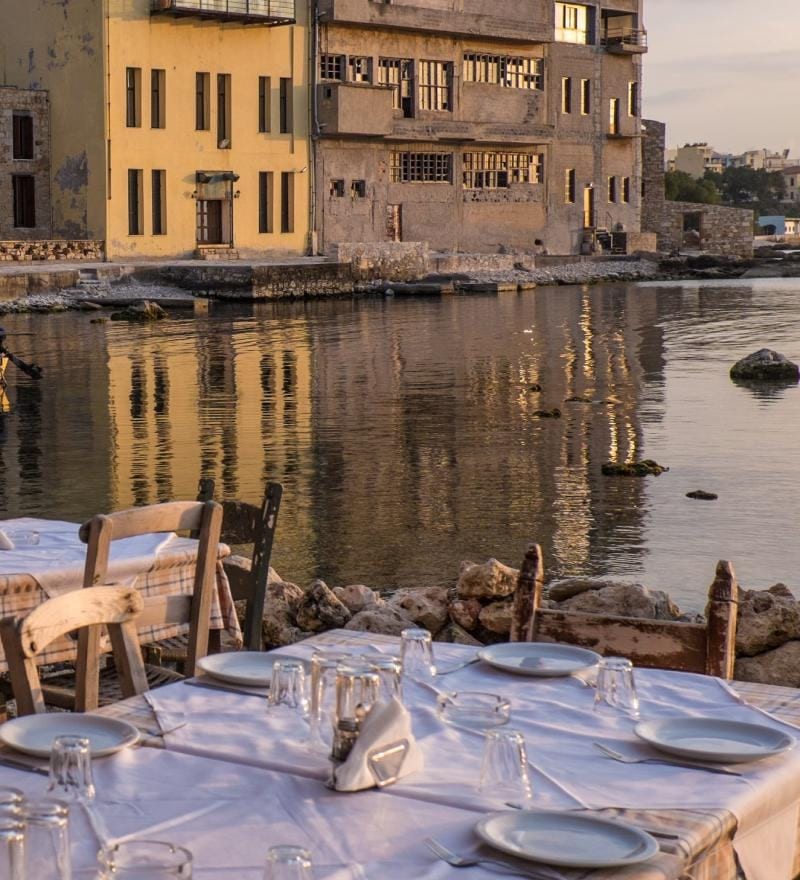
Thalassino Ageri
Seafood eaten on the rocks of Chania's old tanneries district – the sea reaches the edge of your table. Thalassino Ageri sits in Tabakaria, the strip of 19th-century leather tanneries that line the sea just east of the old town. The dining room is open-air, the building shoulder-to-shoulder with the water; sunset turns the stone walls amber and the bay rose. The kitchen does seafood the Cretan way – whatever came in that morning, simply grilled or baked, dressed with lemon, oil, and not much else. Order the day's catch by weight, add a salad and an ouzo, take your time. Reservations are essential in summer; ask for a table on the edge. The walk in along the seawall is part of the experience.
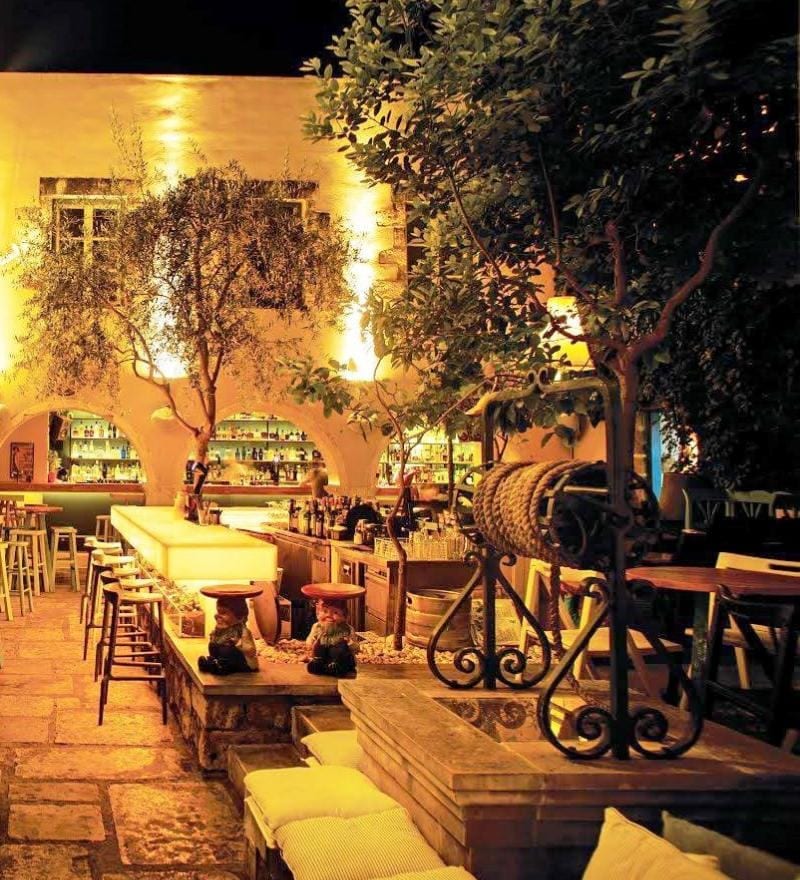
To Monastiri Tou Karolou
One of Chania’s most surprising places, right opposite a beautiful old minaret, this place is set in the former patio of a gorgeous monastery. Sit by the old well or enjoy a glass of wine in the stunning bars around the central yard. The Monastery of Karolos has been turned into a modern gem. It plays trendy music, it can be loud and crowded, but it’s one of the places you can go for a fun night out in town.
Santorini
Days 5–7 of 10 · 3 nightsA bucket-list destination for most people, and for good reason. Despite the cruise ships and the crowds, Santorini still exceeds expectations – and the views are the stuff of legends.
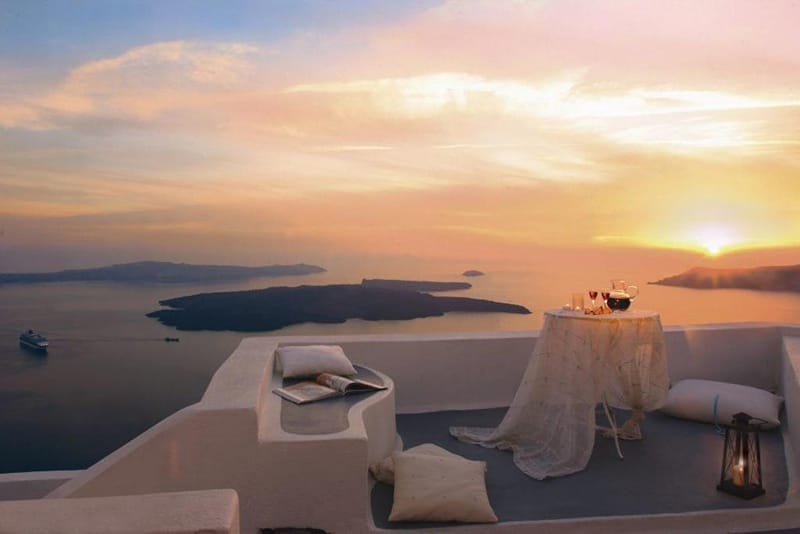
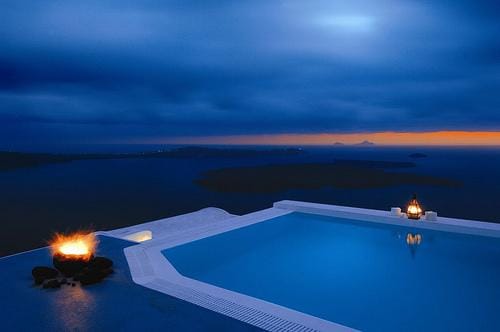
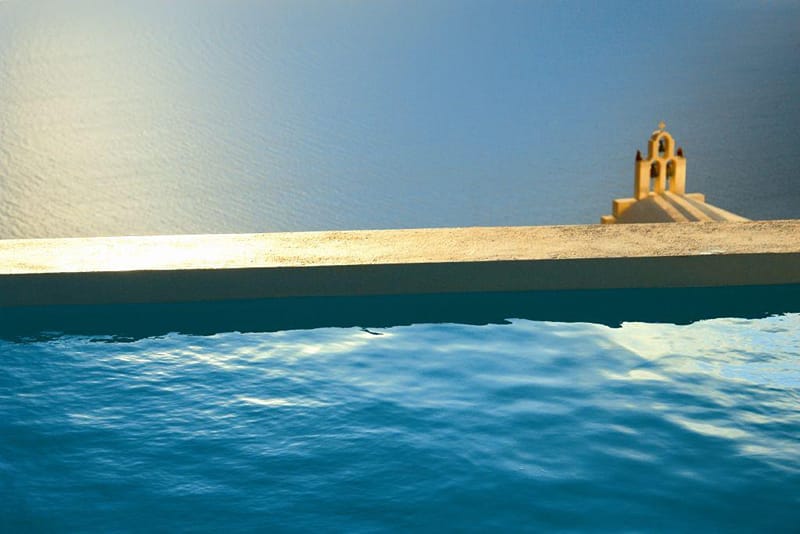
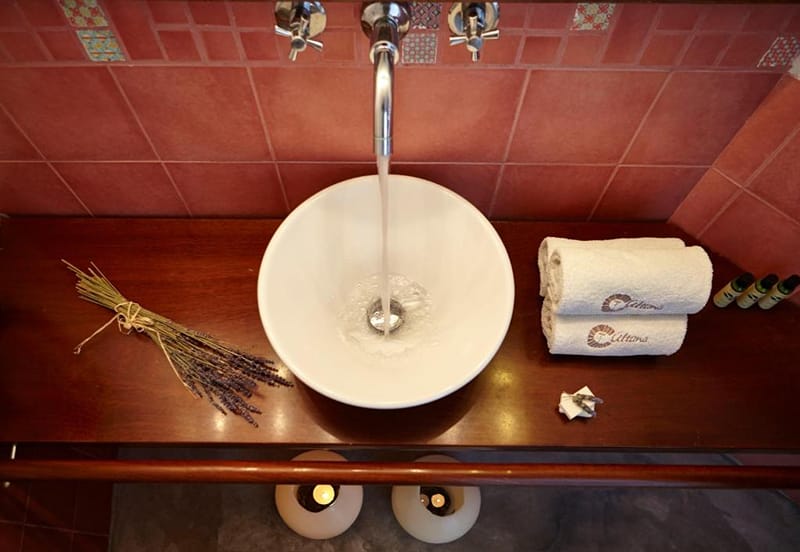
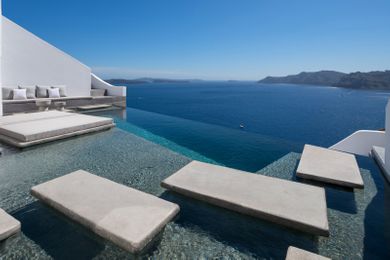
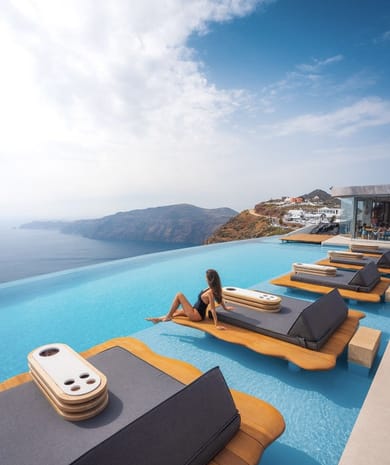
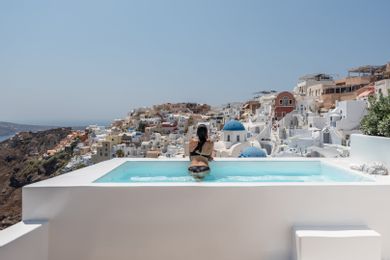
Altana Heritage Suites Santorini
Cave suites and apartments on the Imerovigli caldera edge – a sunset terrace, a small pool, Skaros Rock a short walk away.
9.9 Alternative places to stay

SantoriniDay 1
Kamari, Ammoudi Bay & Oia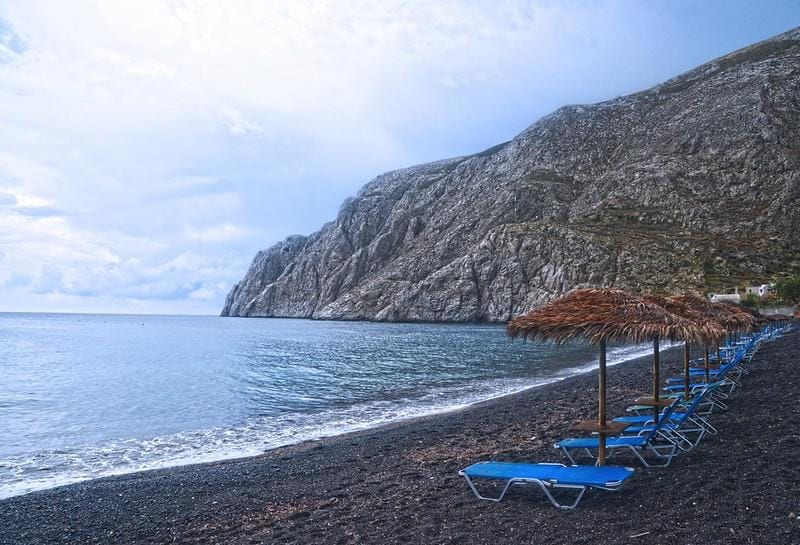
Kamari beach
Kamari Beach is one of the most popular and most visited beach resorts in Santorini. It is located in the seaside village of Kamari. The beach is composed of black volcanic sand and is 5 kilometers long, among the 3 longest beaches in Santorini, with deep crystalline waters and a series of trees. It is fully organized with hundreds of sunbeds and umbrellas, showers, a lifeguard on duty and numerous facilities.
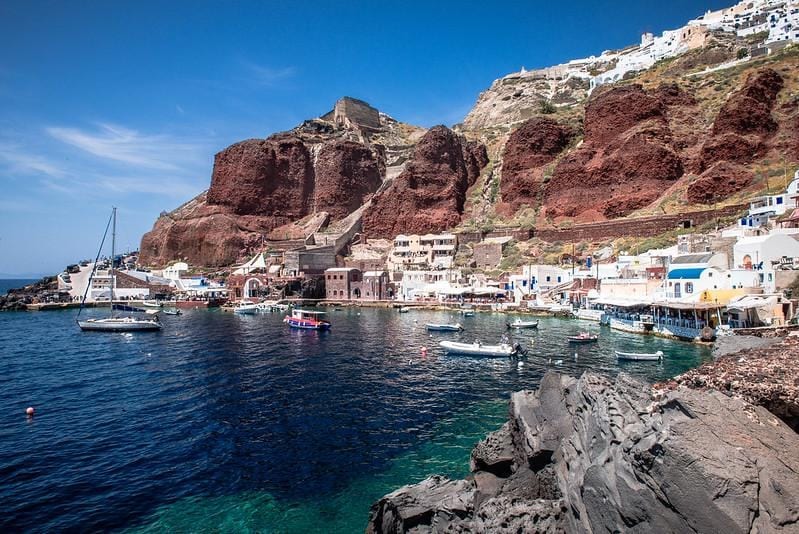
Ammoudi Bay
At the bottom of the scenic village of Oia, lies the charming, small port of Ammoudi. It is a beautiful, tiny cove with crystalline waters and fishing boats lying in the sea. Here there are no beaches, sand, sunbeds and umbrellas but you can have a distinctive experience by swimming from the dock. Nevertheless, it is preferable that you follow the path, past the taverns, that ends up in an awesome diving area with crystal clear waters.
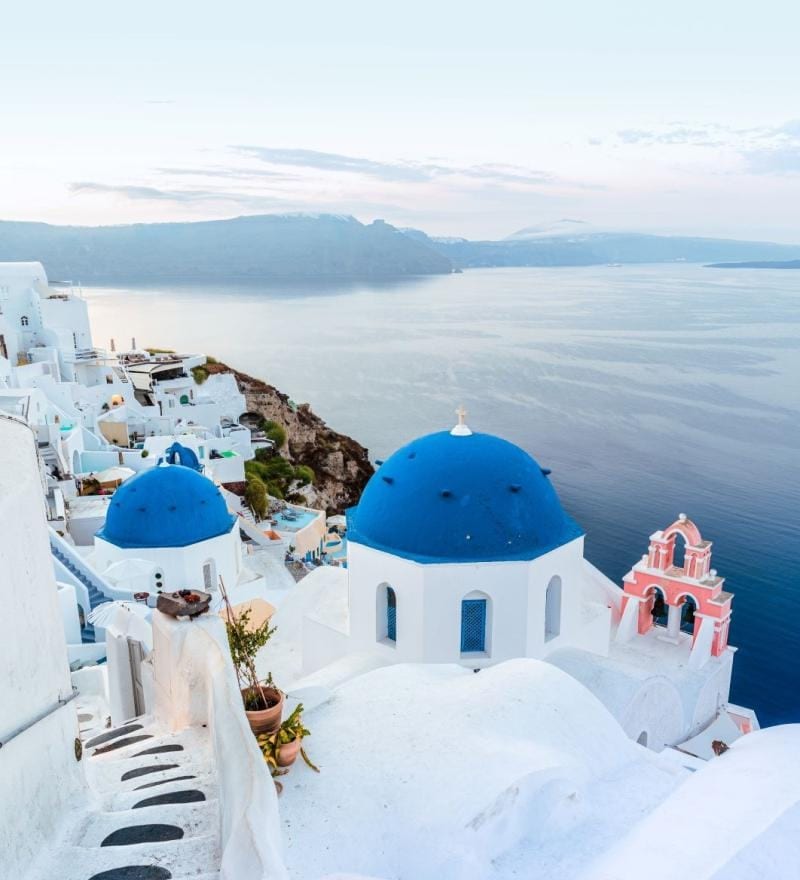
Oia
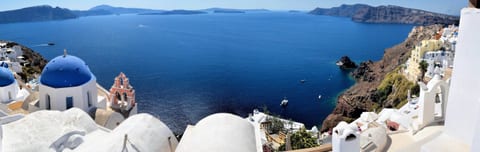
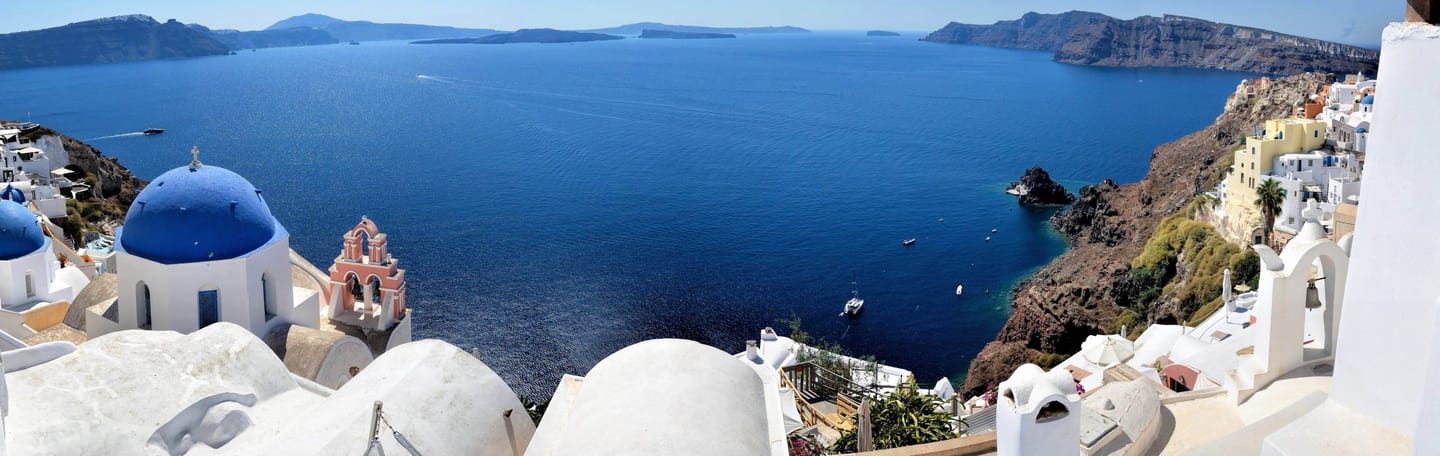
World’s most iconic sunset on this cliffside village of astounding beauty. Narrow alleys wind their way through whitewashed buildings adorned with blue-domed churches and vibrant bougainvillea, while the island’s caldera and the azure sea, stretching out as far as the eye can see, offer a dramatic backdrop to the scene. Visitors can explore the village's charming streets, lined with boutiques and cafes, and soak in the laid-back atmosphere. Oia was the first village in Greece to become a heritage site as its greatest part has been built below ground level partly hewn within the rock. As the sun sets, the sky transforms into a riot of colors, making for an unforgettable experience that will stay with visitors long after they've left this magical place.
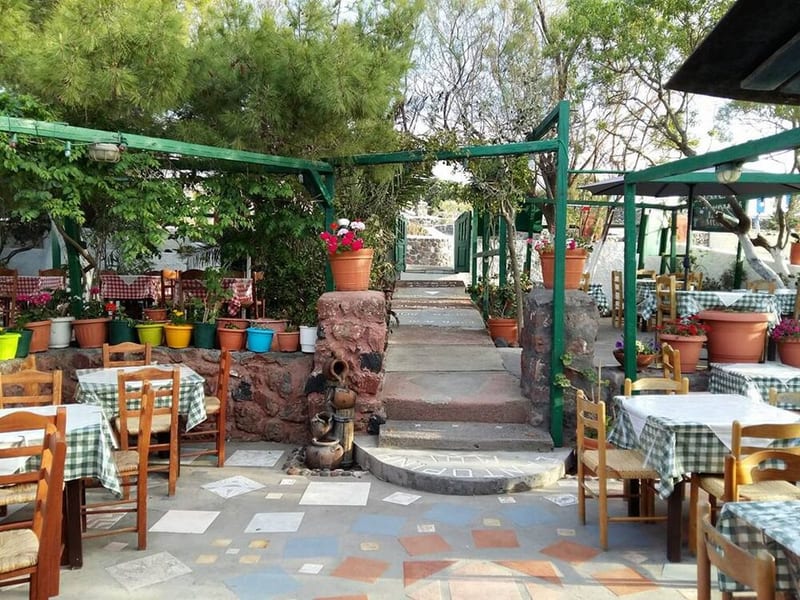
Santorini Mou
A family taverna in Finikia, a few minutes' walk below Oia, where dinner comes with live Greek music almost every night – the owner straps on his guitar around nine and the singing runs late. Checked tablecloths, a flower-filled courtyard, lamb and fish done simply and well. Book a table; the garden fills fast in summer.
SantoriniDay 2
The Caldera Cruise & Metaxy Mas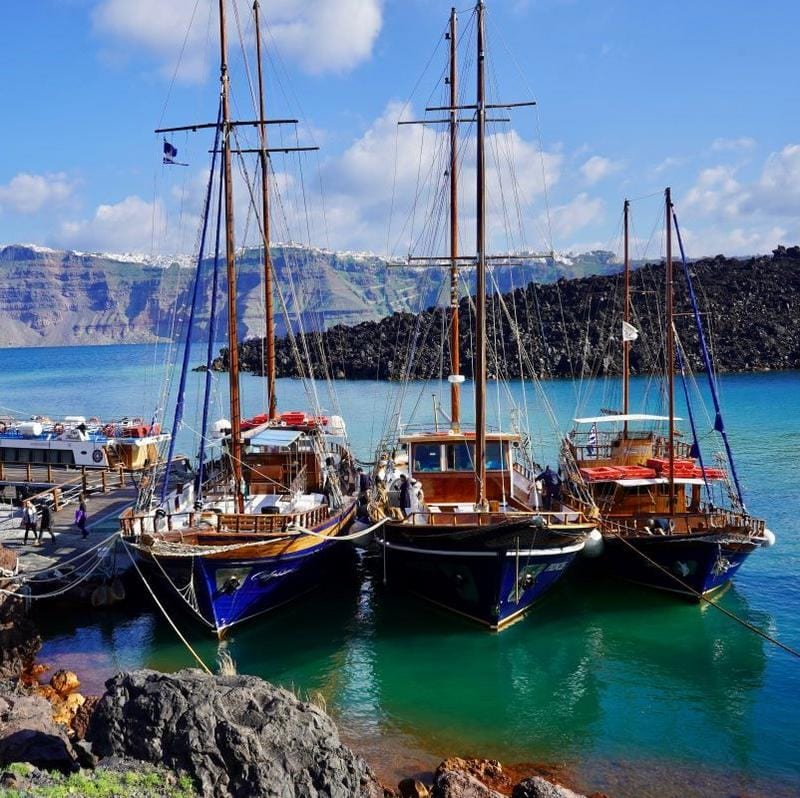
Santorini Caldera Cruise
A classic – Red Beach, White Beach, Hot Springs in Palia Kameni, Nea Kameni, swimming, snorkeling, volcanic bath (optional) and a greek meal with beer and wine included on this cruise on a modern catamaran yacht. Capture stunning panoramas of picturesque Santorini and its volcanic lagoon. Transfer from and to your hotel / vacation rental, as well as snorkeling equipment, also included. We will provide full details, and proceed to reservations if you wish, following your booking.
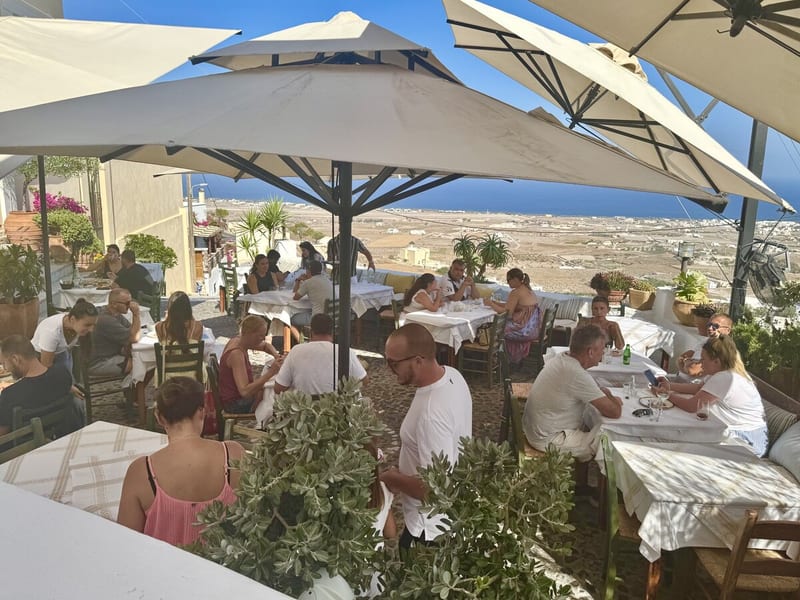
Metaxy Mas
In a hospitable and relaxing space, reminiscent of an island house porch, and an atmosphere full of the Aegean Sea's colors and aromas, you will savour excellent dishes inspired by the islands of Santorini and Creta. Enjoy cool Cretan salads with dakos (barley rusk) and caper, as well as krasotigania and pork from Creta. The friendly staff here uses fresh ingredients from the restaurant's kitchen garden, refreshing raki (the iconic grape-based pomace brandy of Crete) and handpicked wines to ensure that, upon leaving Metaxy Mas, you have a full stomach, and sweet memories!
SantoriniDay 3
Perissa, Pyrgos & the Wineries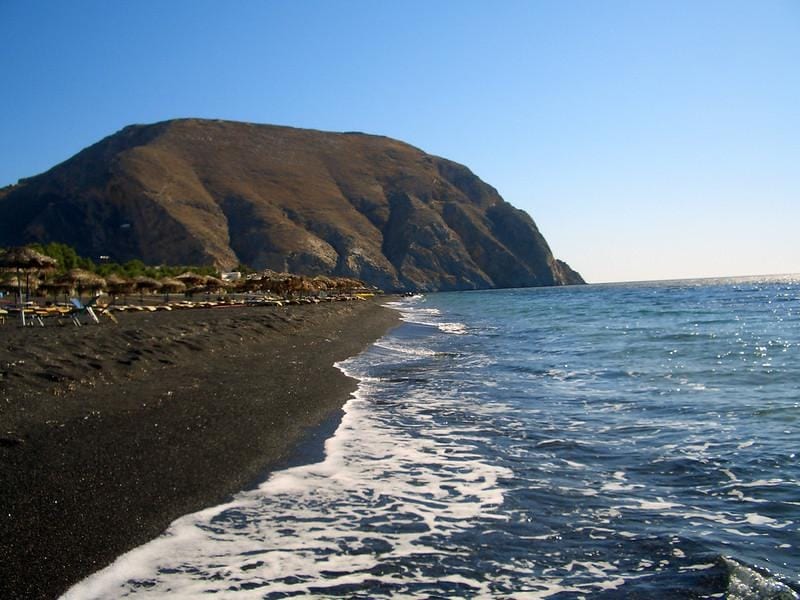
Perissa beach
The beautiful Perissa Beach lies at the base of Mesa Vouno Mountain that separates Perissa from Kamari and on its top you can admire the eminent archaeological site of ancient Thera and a superb view. The scenery that the black lava sand along with the sandy sea bottom and the dark blue, crystal clear waters compose is impressive. It is one of the longest and most famous beaches in Santorini, a characteristic sight of the volcanic island. It is a fully organized, cosmopolitan beach with an abundance of comfy lounging chairs, umbrellas and other amenities, like lifeguards, showers and a playground.
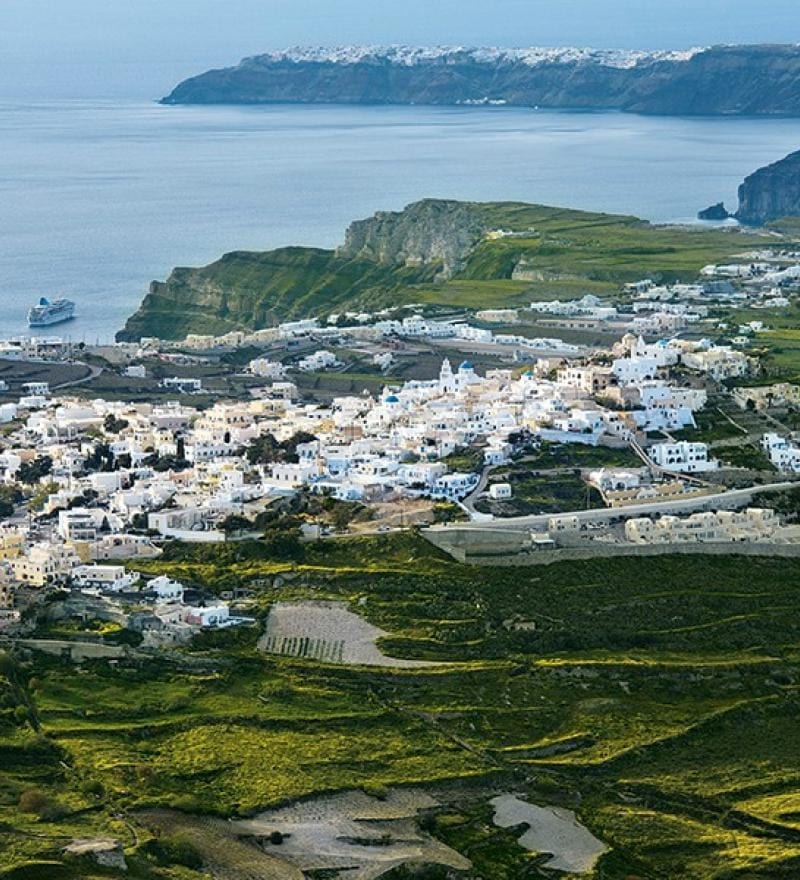
Pyrgos
Pyrgos is a big village, with many mediaeval houses and noteworthy churches offering an excellent view of the island
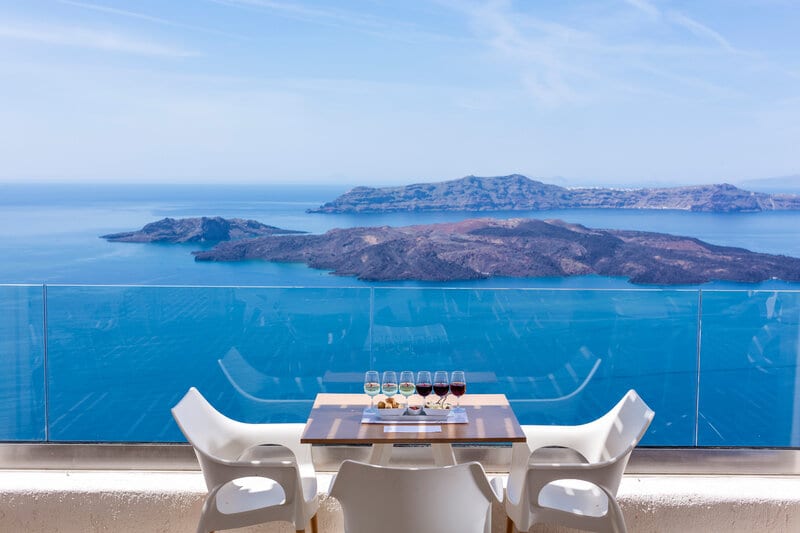
Wine Tasting Tour
Volcanic soil, sea spray, and 3,500 years of winemaking – Santorini's vineyards produce whites unlike anywhere else. A half-day tour visits two or three estates, sampling Assyrtiko (crisp, mineral, electric), Nykteri (barrel-aged and honeyed), and Vinsanto (sun-dried grapes turned liquid amber). The vines grow pruned into low baskets – kouloura – to shield grapes from the Aegean wind. Santo Wines and Venetsanos have caldera-view terraces; Domaine Sigalas is the serious oenophile's pick. Most tours include local cheese and olive pairings. Book a sunset session if available – the caldera turns gold through a wine glass.
PK Cocktail Bar
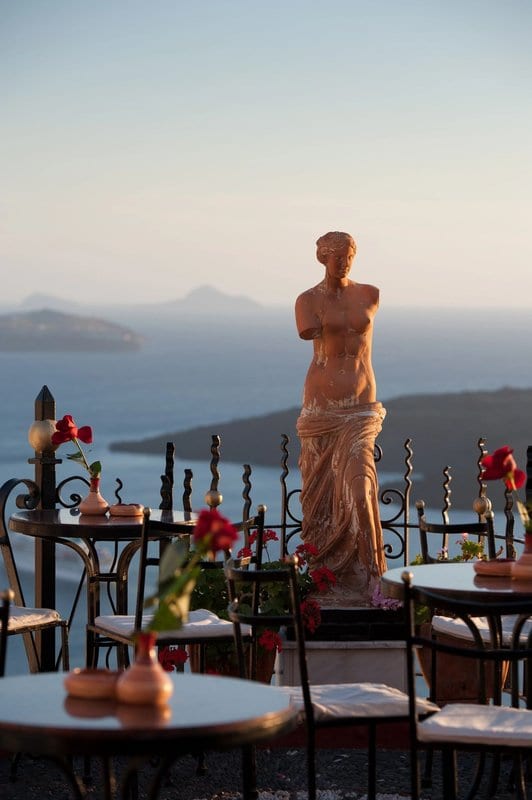
The longest running bar in Santorini, with its three terraces perched on the caldera, Palia Kameni Bar is an upscale hotspot in Fira. Particularly popular during sunset, an event that can only be more enjoyable in front of a glass of champagne or a signature cocktail.
Athens
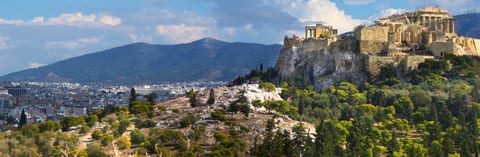
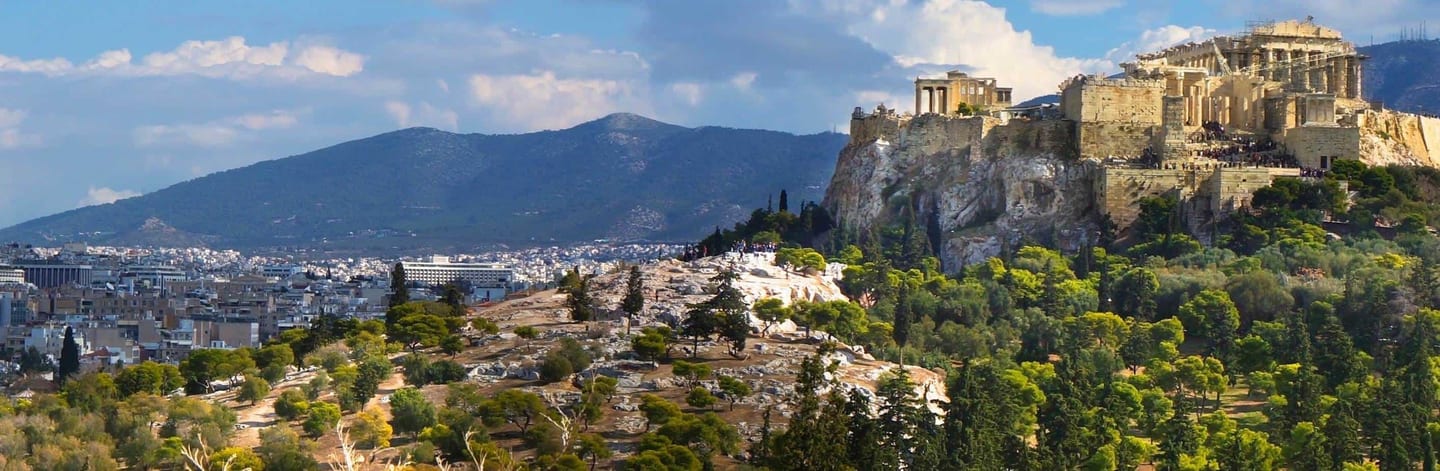
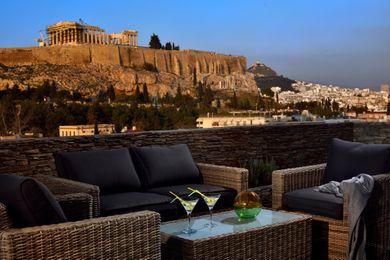
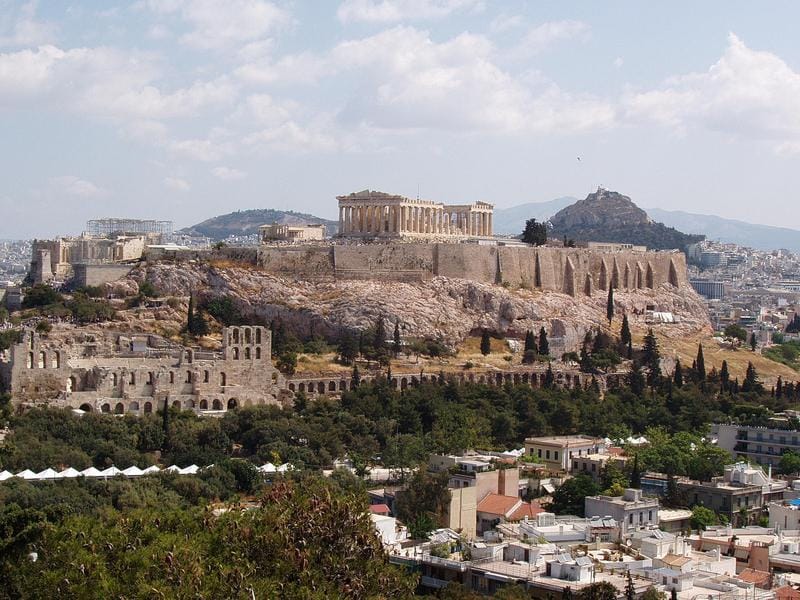
Days 8–10 of 10 · 3 nightsAthens is one of the oldest cities in the world and home to some of the most iconic historical sites and monuments. Three days at the end of an island trip is the perfect tasting menu – Acropolis, Plaka, the markets, and the rooftop bars.
Noble Suites
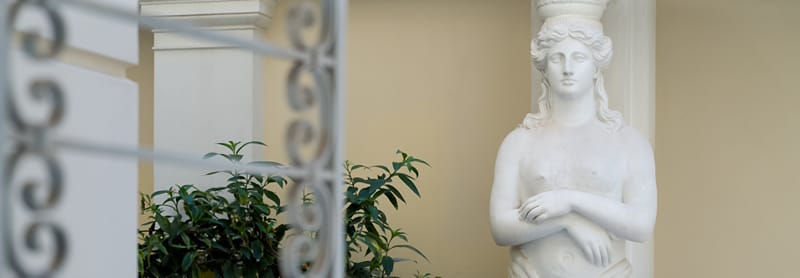
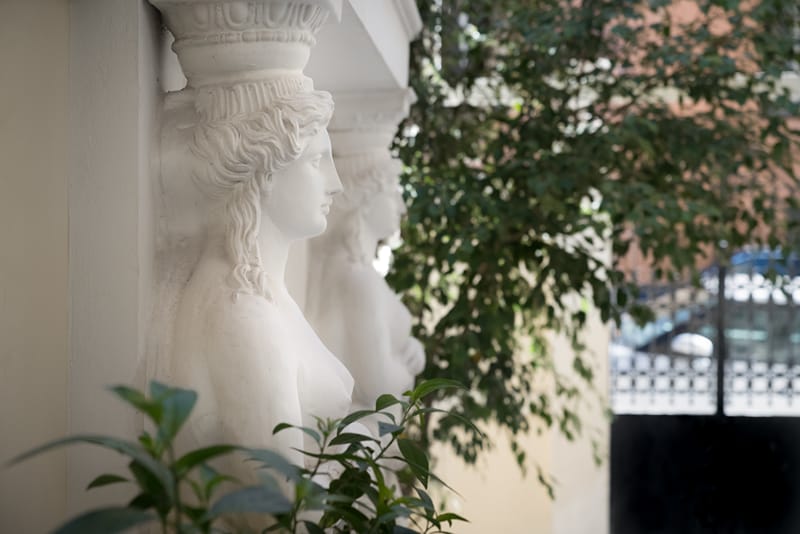
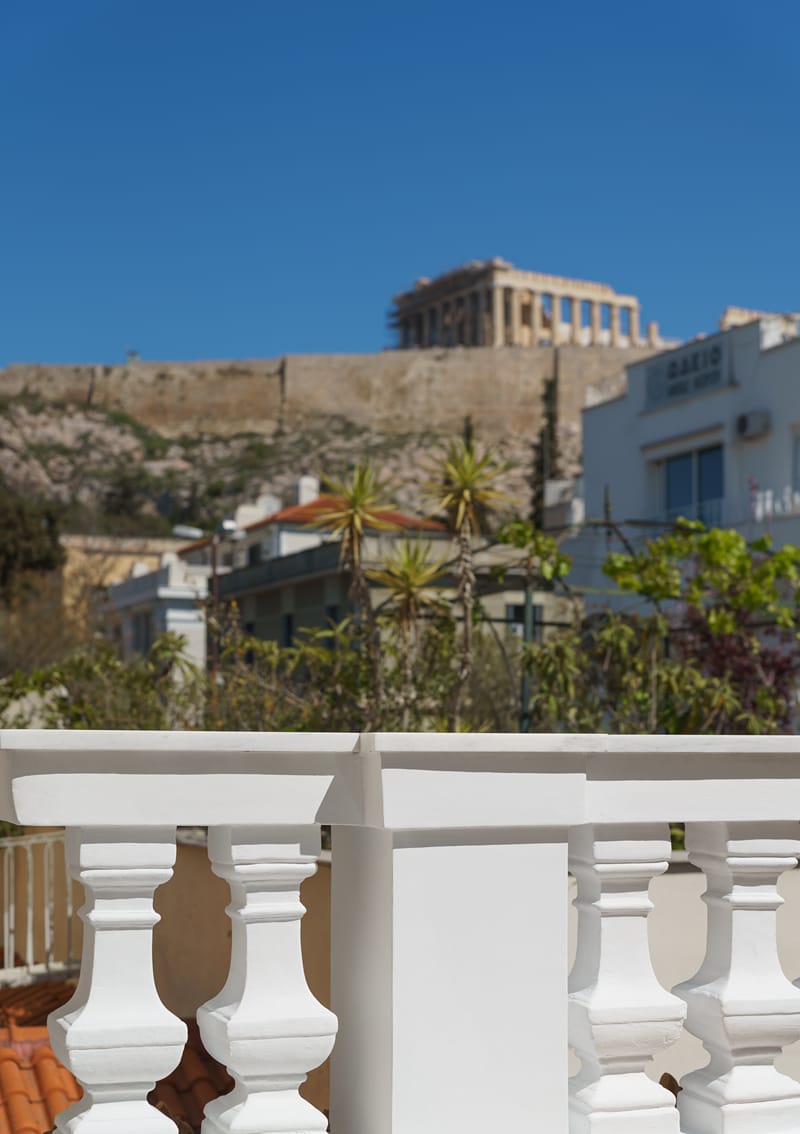
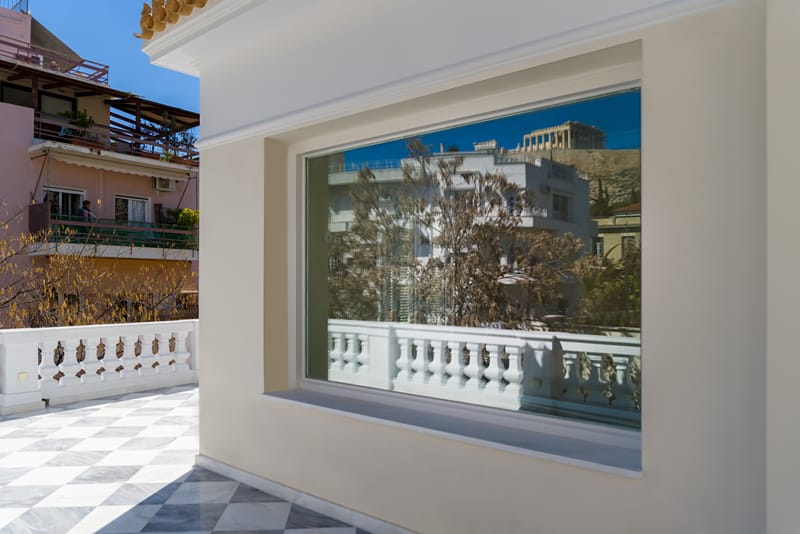
A 1901 neoclassical house under the Acropolis – four suites of marble and old wood.
9.7 Alternative places to stay
AthensDay 1
The food tour & the Acropolis
The Ultimate Food Tour
Acropolis – guided
Acropolis Museum
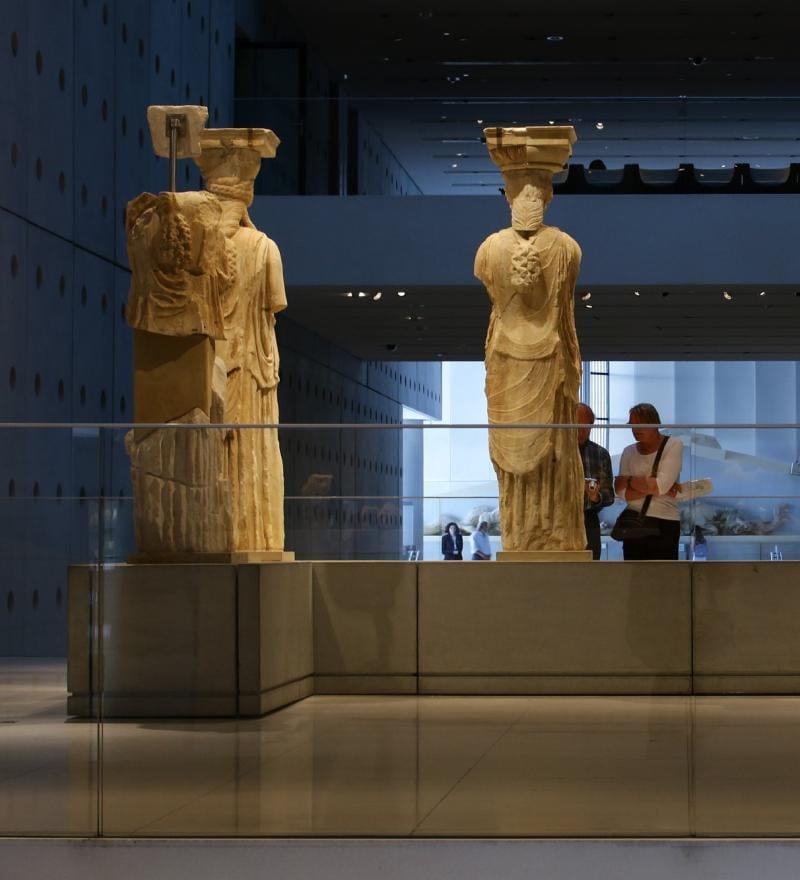
It is one of the most important contemporary works of architecture in Athens. Its construction, designed by architects B. Tschumi and Mih. Fotiadis was completed in 2007. Standing only 300m away from the Acropolis, its total area covers 21,000 sq.m, while it offers a display area of 14,000 sq.m. It is made of steel, glass and concrete; it uses natural light efficiently so that its 4,000 exhibits would show off. The last level (The Parthenon room) has the dimensions and the direction of the Parthenon and it has been rotated by 23 degrees in relation to the rest of the building so that the visitor would have an immediate view of the monument. The surrounding area, visible from the glass floor of the ground level, functions as an openair museum-excavation. The main entrance is on Dionyssiou Areopagitou Street. In addition, the imposing Weiller building stands in the vicinity. Having been built by German architect W. Von Weiller, it combines Byzantine style masonry and neoclassical decorative patterns. Initially it was used as a military hospital and later as police unit headquarters, whereas since 1987 it houses the Acropolis Research Centre
Lithos Taverna
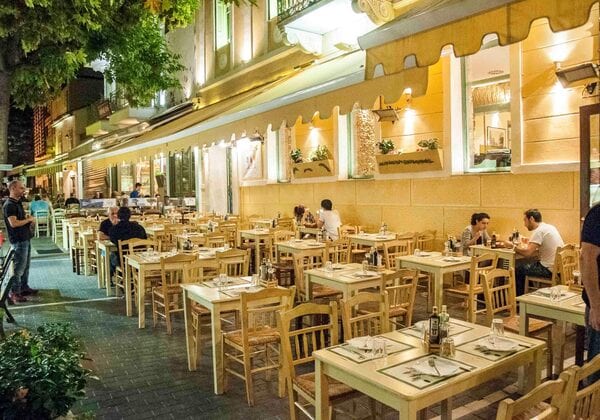
Tucked into a Psirri side street, Lithos does my favourite Moussaka in Athens – layered the way your grandmother would approve, sitting in front of you within minutes of ordering. The room is stone-walled and unfussy, the wine comes in carafes, and the kitchen turns out the Greek classics with just enough finesse to make the regulars regulars.
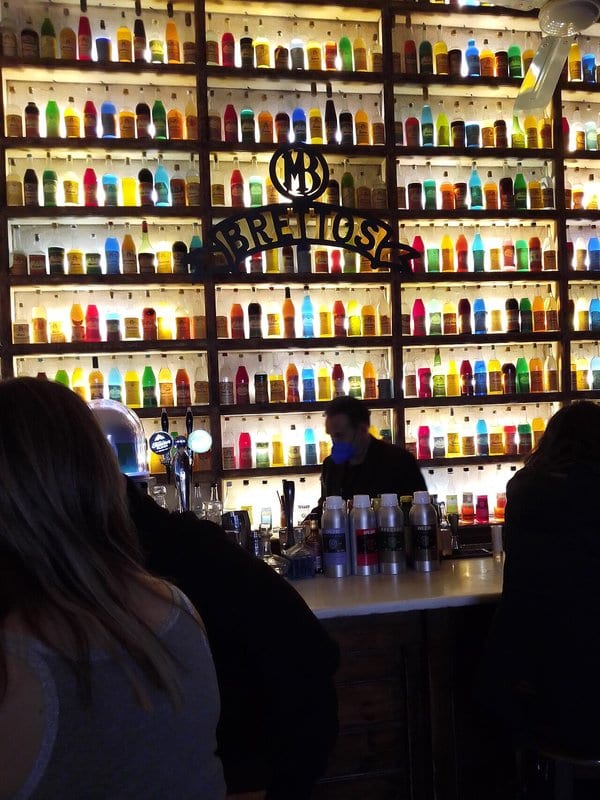
Brettos
The oldest distillery in Athens, pouring since 1909 – and after dark its back wall of glowing bottles is one of the most photographed interiors in Plaka. Brettos still makes its own ouzo, tsipouro and a long shelf of fruit liqueurs; take a stool at the marble counter and taste through them, or point at a colour and see what arrives. A small room with a big history, perfectly placed for a nightcap after dinner in the old town.
AthensDay 2
The Ancient Agora, Plaka & Psirri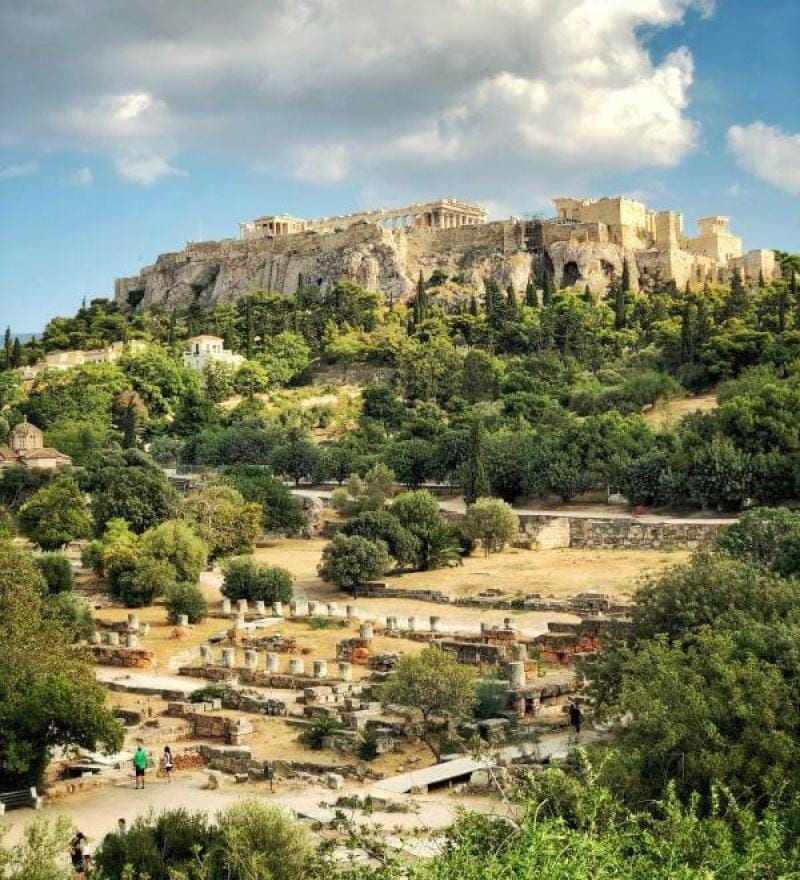
Ancient Agora
The archaeological area of the ancient Agora is located on the foothills of the Acropolis, near Thission Metro Station. In antiquity, the Agora was not solely a commercial centre. It was also an important political, cultural and religious centre. In the area of the agora were located administrative buildings, temples, public services and courts. The Athenians gathered here every day to buy and sell their goods, learn the current news, criticise the government, exchange ideas, or engage in discussion. The area was settled in the Neolithic age. The monuments located there were built in various historical periods: from the classical age to the 11th century AD. The church of Ayioi Apostoloi was built in the 11th century
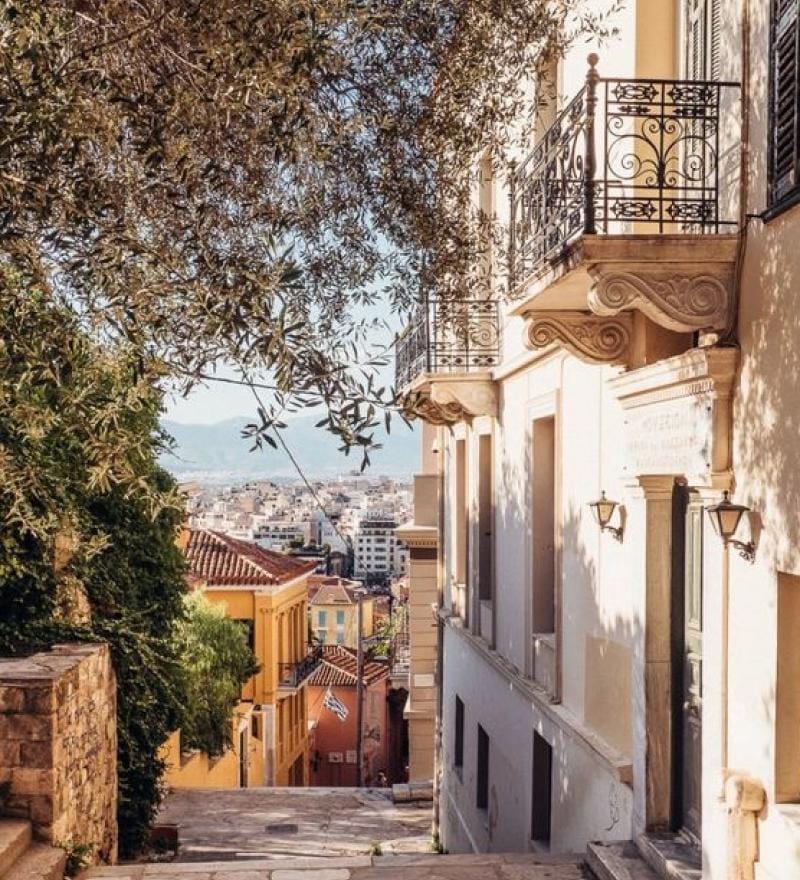
Plaka
Plaka, also known as the "neighbourhood of the gods," is the oldest neighbourhood of Athens. Walking on its paved narrow streets you get the feeling that you are travelling back in time. The origin of the name of the neighbourhood is unknown, although theories abound. According to popular belief, Plaka was named after a slab of stone that was found near the church of Ayios Georgios Alexandrias, in the vicinity of the theatre of Dionysos. The beautiful neoclassical style colour of the houses, the architecture, the well-kept gardens, and the beauty and atmosphere of the neighbourhood are enchanting. In Plaka the air you breathe is different; it is lighter, cleaner, and fragrant, like a gift of the gods. When you visit Plaka you should bring a map, because you might get lost in the labyrinth of narrow streets and alleys. In Adrianou Street, the central street of the neighbourhood, as in other streets in the area, you will find shops selling traditional products, souvenirs, Greek folk art and handicrafts, etc.
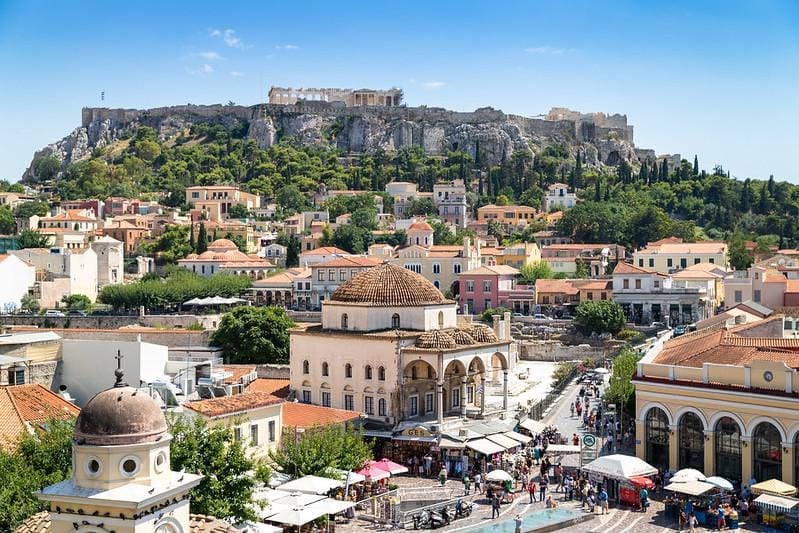
Monastiraki
A distinctive old Athens area, with narrow, irregularly criss-crossing streets, and small buildings, characteristic of Ottoman and to some extent Byzantine urban planning. On the outdoor stands of street sellers, or the small shops on the central roads you can find anything, such as shoes, clothes, old and new furniture, old books and magazines, souvenirs, jewellery, hats, bronze objects, new and used records and CDs and traditional Greek instruments (bouzouki, touberleki). Shopping or walking in Monastiraki is an unforgettable experience. You will be stunned by the variety and quality of things you can buy in the market
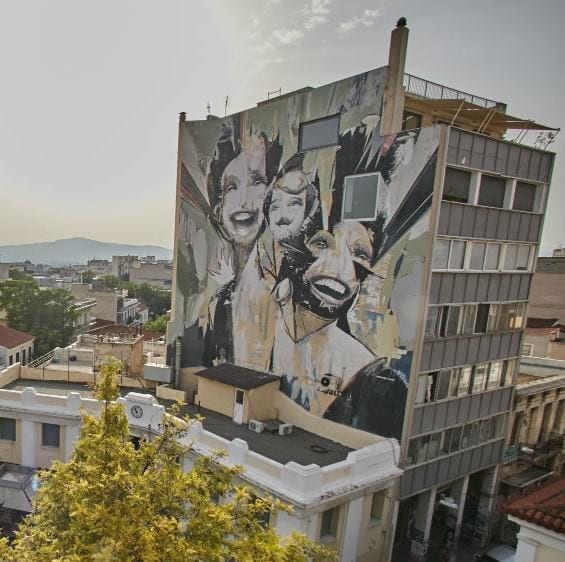
Psirri
A colourful neoclassical Athens neighbourhood, encompassed by Athinas Str, Ermou Str, and Evripidou Str. It is a busy neighbourhood, especially in the night. You will find on its narrow alleys a multitude of cafes, small bars, clubs, restaurants, ouzorestaurants, and taverns with live Greek music, theatres, galleries, art galleries, and antique shops. Following the liberation of Greece (1833), veteran freedom fighters and immigrants from the provinces settled in the neighbourhood. They opened cottage industries and workshops, which have given the neighbourhood a distinctive character. In the early 1990s, following a series of construction works, the neighbourhood became a popular nightlife and residential area. The churches in the area are also quite interesting, such as Ayioi Anargyroi, Ayios Demetrios, Ayios Gregorios (Armenian), et al. Iroon square, the central square, is a good place for you to start your walk.
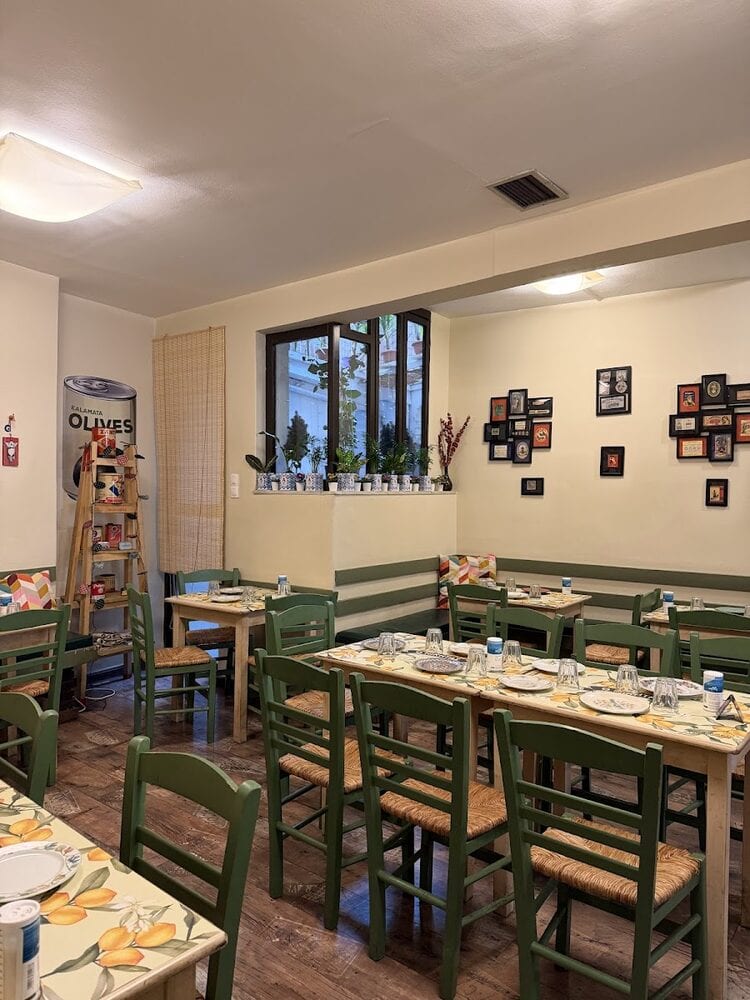
Nikitas
Nikitas in Psiri is the neighbourhood's cheap-and-cheerful home-cooking institution, feeding the quarter since 1967 – long before the bars moved in. Grab a table beside the courtyard of Agioi Anargyroi church and order whatever came out of the kitchen that morning: soutzoukakia, hand-cut fries, a proper horiatiki. Honest, unhurried, and full of locals by two o'clock.
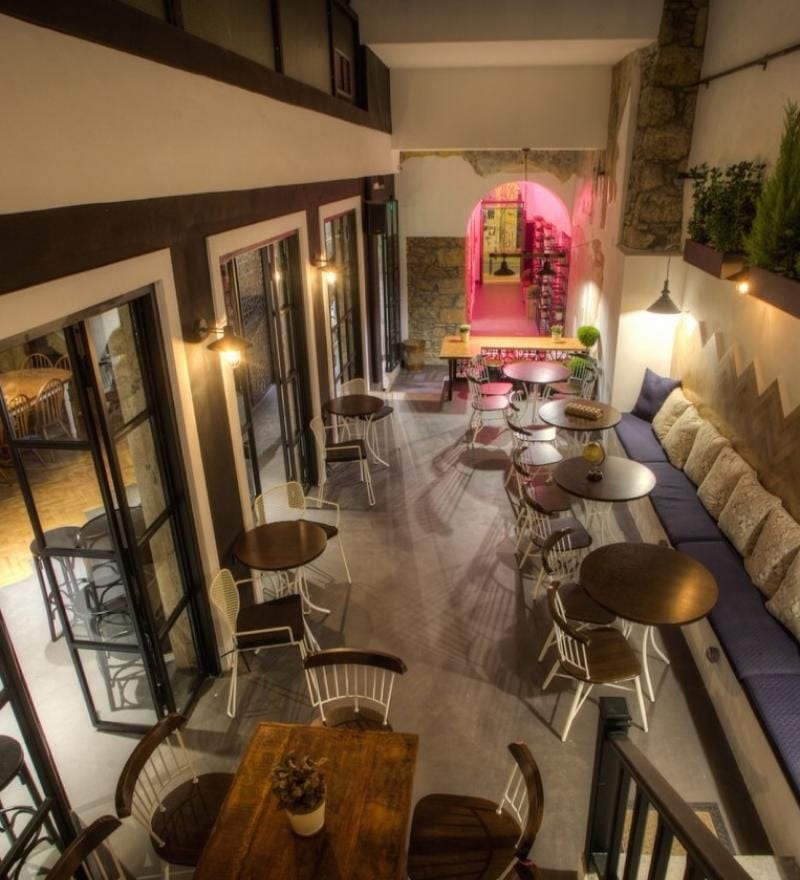
The Clumsies
Whether for the high-class cocktails, homely food, open-armed Greek hospitality or charming ambience, The Clumsies is a place in which everyone feels at home. Set in a townhouse in downtown Athens, The Clumsies freely flows through the ground floor, from the statement bar at the front to the quieter back room and terrace where you'll find a wide staircase that climbs to a private bar and billiard table. If the provision of homely hospitality has been fundamental to the success of The Clumsies, its latest menu narrows in on the customer further. The Clumsies Revisited is a compilation of the bar's greatest hits, with simplified methodologies for guests to recreate the cocktail magic at home. A bar launched on a tight budget in a recession by two aspiring young bartenders – Vasilis Kyritsis and Nikos Bakoulis – The Clumsies was a smash from the start with locals and international travellers alike. For the past five years it's been able to call The World's 50 Best Bars its home too.
AthensDay 3
Ermou, Syntagma & the National Garden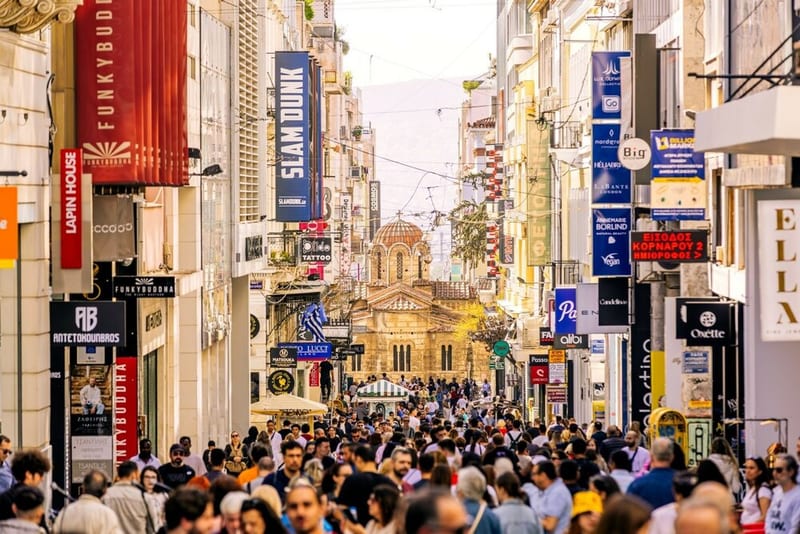
Ermou Street
Athens' great shopping mile – the marble-paved pedestrian street running from Syntagma Square down toward Monastiraki. High-street flagships and old family shops stand side by side, and halfway down the tiny Byzantine church of Kapnikarea sits marooned mid-stream while the crowd parts around it. Best saved for the end of the trip: shop last, and carry nothing around the islands.
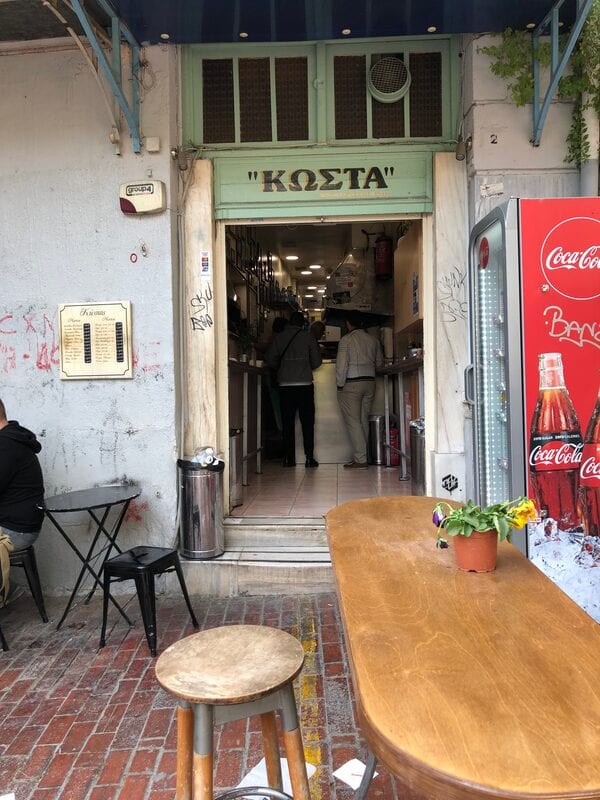
Kostas
Amazing gyros – a tiny grill on Agia Irini Square that has been doing pork souvlaki the same way for decades. A handful of stools, a queue that moves fast, and the smell of charcoal two streets away. Grab one (or two) in the pita, open the wax paper on the square, and you've understood why this is the Athens food pilgrimage.
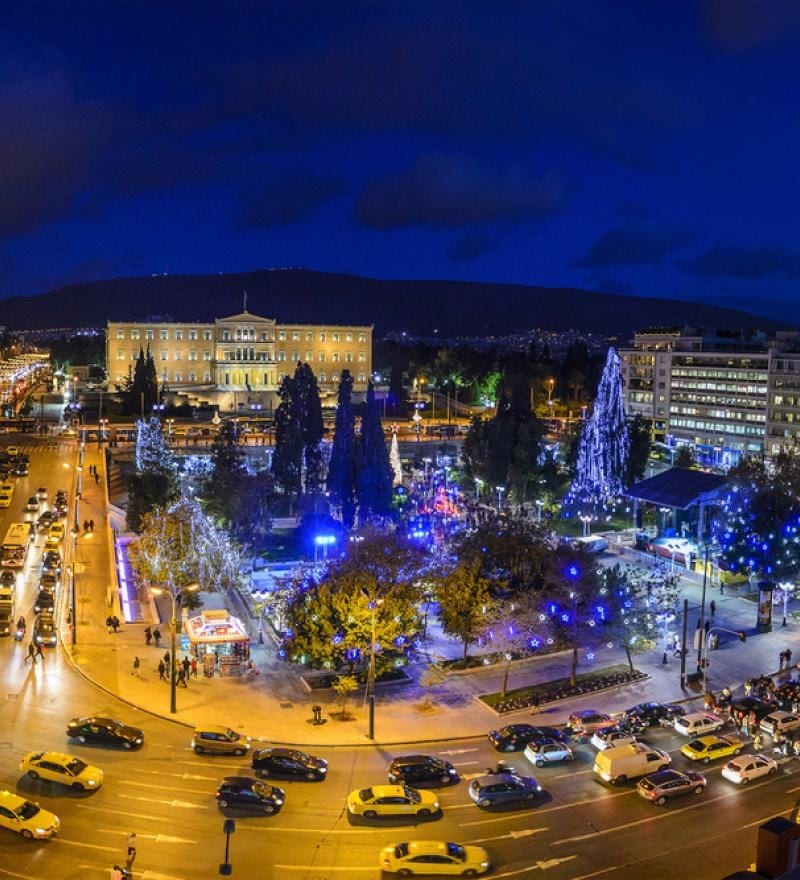
Syntagma Square
Syntagma Square is Athens' central square. The name of the square is derived from an uprising on 3 September 1843, of the people and the guard of Athens before the then Royal Palace building, (what is now the Parliament), demanding that King Otto grant a Constitution (Syntagma means Constitution). Syntagma Square and Omonia Square are the two central locations of the city. You should not be surprised when you ask directions if people refer to Syntagma square. Plaka, Acropolis, the Cathedral, the National Garden, Ermou Str, and Kolonaki, are located in the vicinity of Syntagma Square. You will find fashionable cafes and small restaurants located here. The square is busy around the clock. At the kiosks you will find miscellaneous items, ranging from aspirin to souvenirs, newspapers and foreign magazines.
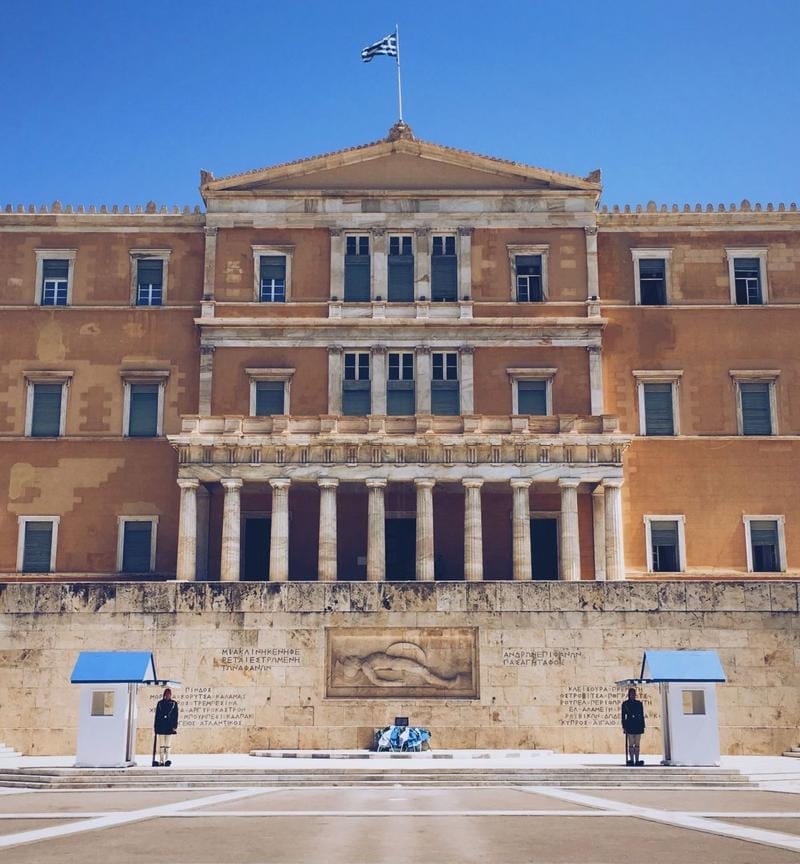
Greek Parliament
Dominating Syntagma Square, the building was the residence of the first king of Greece Otto. The building was constructed from 1836 to 1842. George A', who succeeded Otto on the throne, also resided in the palace. During his reign, two successive fires destroyed the building, making it unsuitable for use as a royal residence. In 1924 the government decided to situate Parliament in the building. Reconstruction work was completed in 1934. The interior was redesigned by architect A. Kriezis. In Parliament you will find national treasures, such as the first Greek Constitution, a collection of valuable paintings and a large library.
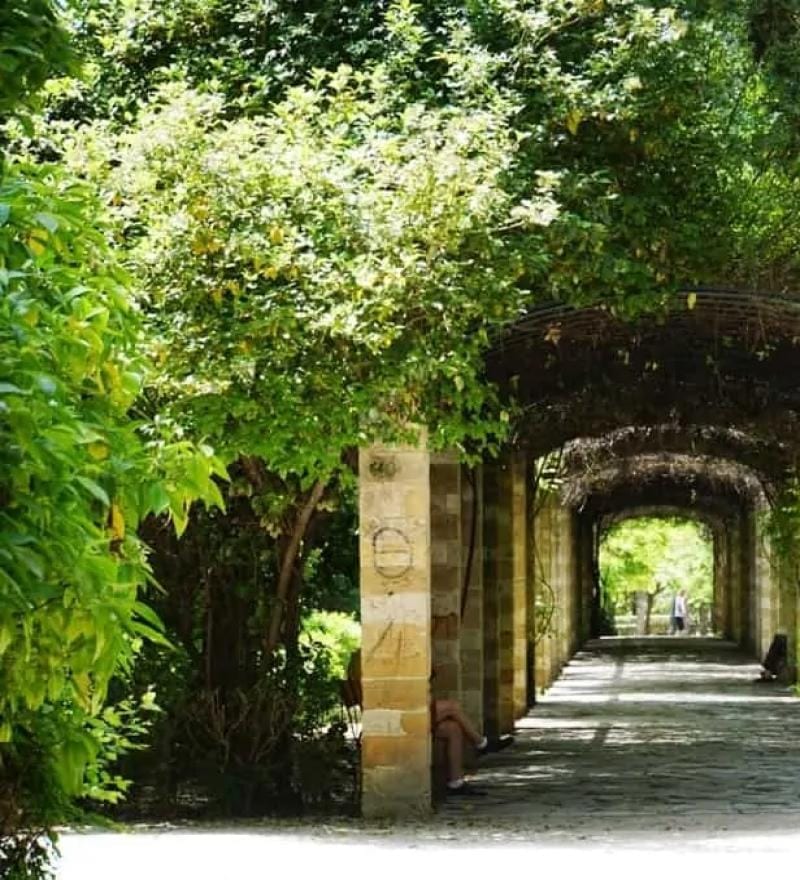
National Garden
The National Garden, open from dawn to sunset, is an oasis in the centre of the city. It has a total area of 160,000 m2. Some five hundred different kinds of plants, bushes and trees from various locations around the world are grown here (in total, it has 7,000 trees and 40,000 bushes). At the same time, it comprises an important natural life reserve in Athens as many different species of birds, hedgehogs, turtles, ducks and even bats are gathered here. The National Garden – which was formerly the palace garden - was laid out from 1838-1860. There are six entrances: at Vasilissis Sofias Avenue, Irodou Attikou Str, Vasilissis Amalias Avenue, and two entrances connecting the National Garden to the Zappeion. You will also find here a small pond, a small zoo, the Botanical Museum, a traditional café, a children's library, a playground, various monuments of antiquity, and the busts of important personalities of modern Greece (among others, politicians and authors).
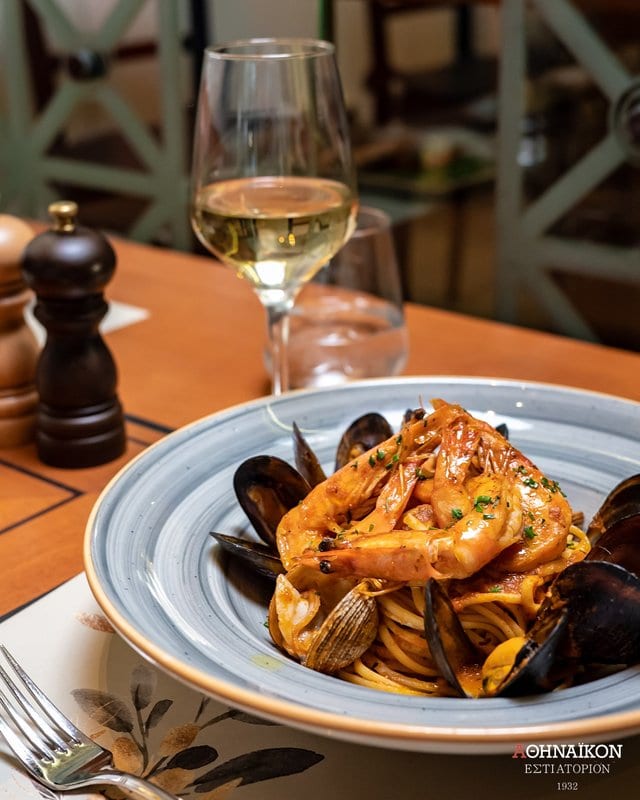
Athinaikon
An Athens institution since 1932, Athinaikon is where the city goes for proper ouzomezedes – shrimp croquettes, fried smelt, mussels saganaki – on marble tables under old photographs. It moved premises with its regulars over the decades and never lost the habit of doing simple things properly. Order a carafe of ouzo and a spread of small plates; service is brisk, portions honest, the bill kinder than the neighbourhood suggests. Between Syntagma and Monastiraki, it is the natural dinner after the Evzones' changing of the guard.
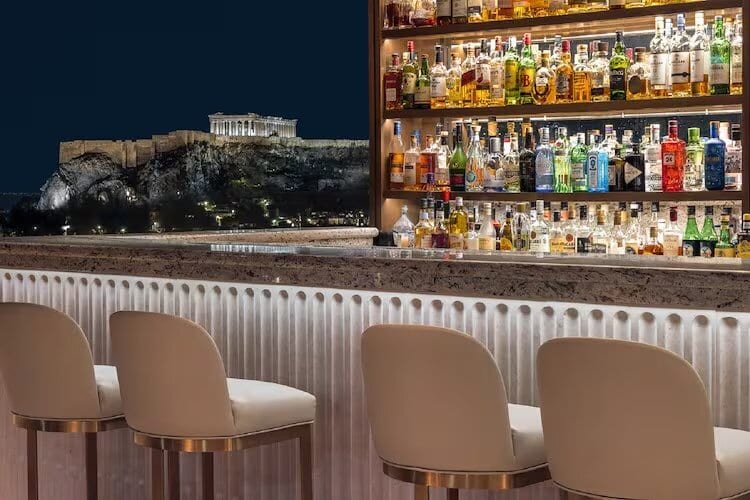
Grande Bretagne Roof Bar
The rooftop bar of the GB Roof Garden restaurant, crowning the Hotel Grande Bretagne on Syntagma Square. Take a stool at the marble counter or a terrace table at golden hour – the Acropolis floodlit across the rooftops, a list of some fifty cocktails, and the calmest view in the city centre. Open daily 13:00–02:00; smart casual, and book ahead in season.
Your whole trip in one booking
With WeAreTravelers – a licensed, Athens-based travel agency.
- Zero service fees. Same price as if you organized everything on your own.
- One booking and one payment for the whole trip (instead of separate bookings for each hotel, ferry and flight).
- One local point of contact, who has your back – before you travel, and while you're here.
- Covered by the EU package travel rules. Your payments are protected by law.