 ×
×
 10 Days in Greece
 A trip by Sandy PapasGreece Travel Secrets
10 Days in Greece
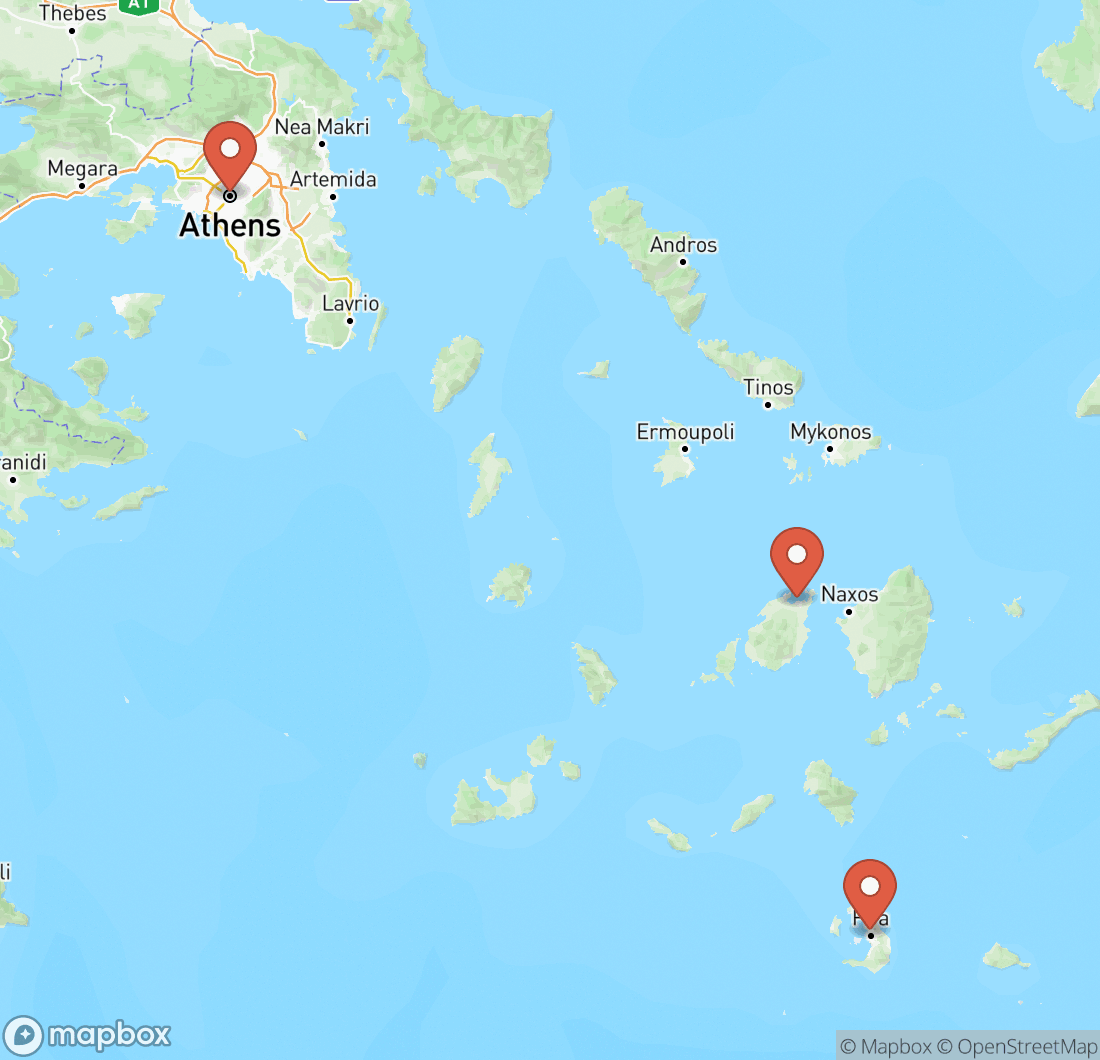
If you only have 10 days in Greece it is still possible to cover a lot of ground and take in many of the highlights this incredible country has to offer. This very detailed itinerary will allow you to visit two amazing Greek Islands, Athens, and the extraordinary monasteries of Meteora. It covers where to stay, how to get around, what to do in that time, even where to eat and drink!
Athens
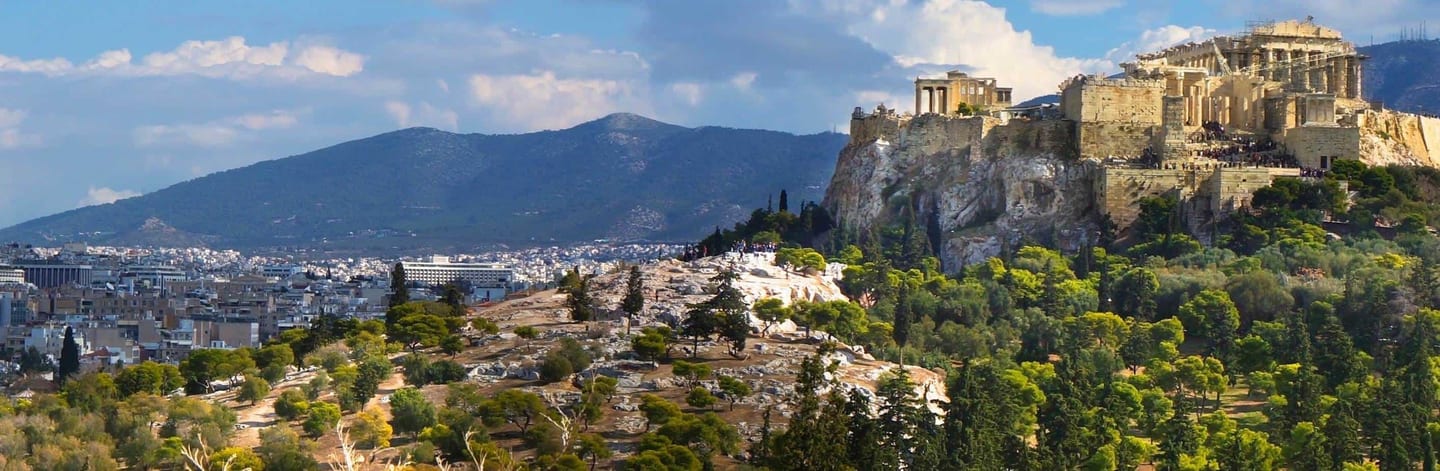
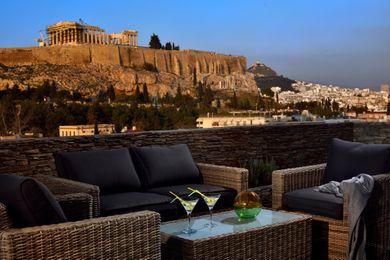
Days 1–3 of 10 · 3 nightsAthens is the capital of Greece and home to some of the most iconic and important historical sites and monuments in the world. Apart from the many things you can do in Athens including great shopping, incredible food, and all the ancient sites there is also great nightlife with a plethora of bars, tavernas, and clubs to choose from. There are a lot of new hotels and restaurants many with incredible rooftop views, especially of the Acropolis. The Acropolis Museum is world-class and needs to be enjoyed either before or after you visit the Acropolis.
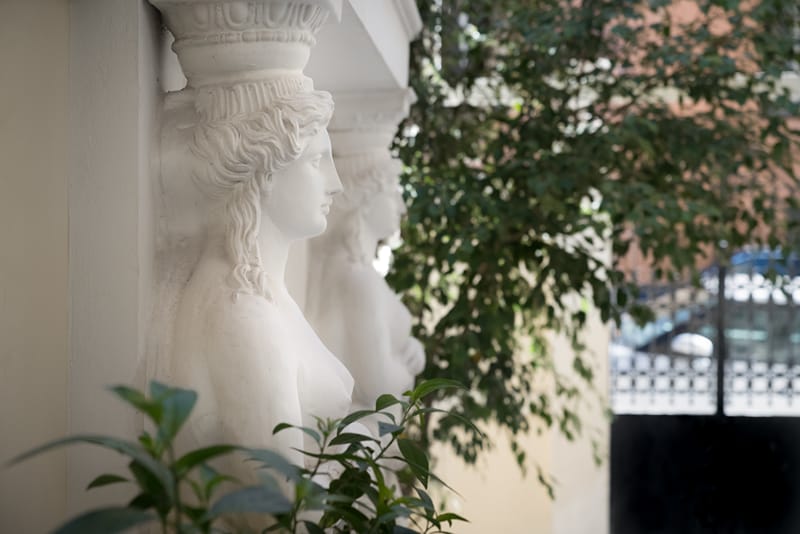
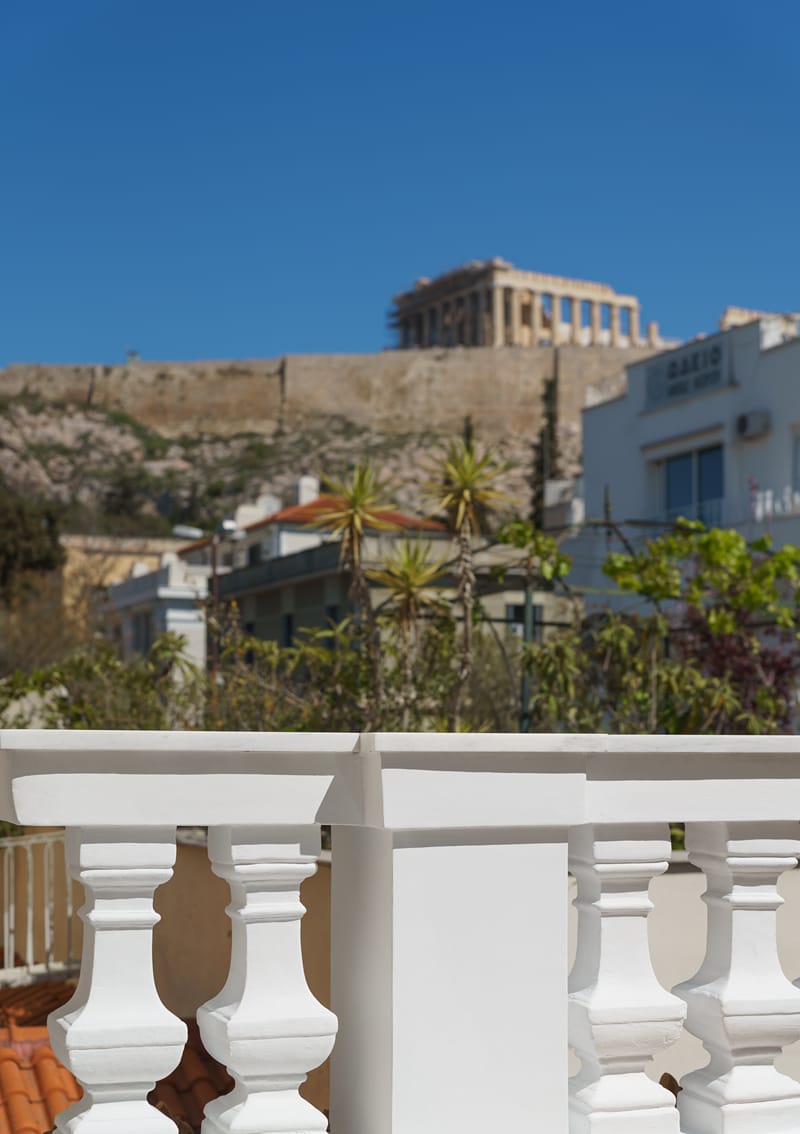
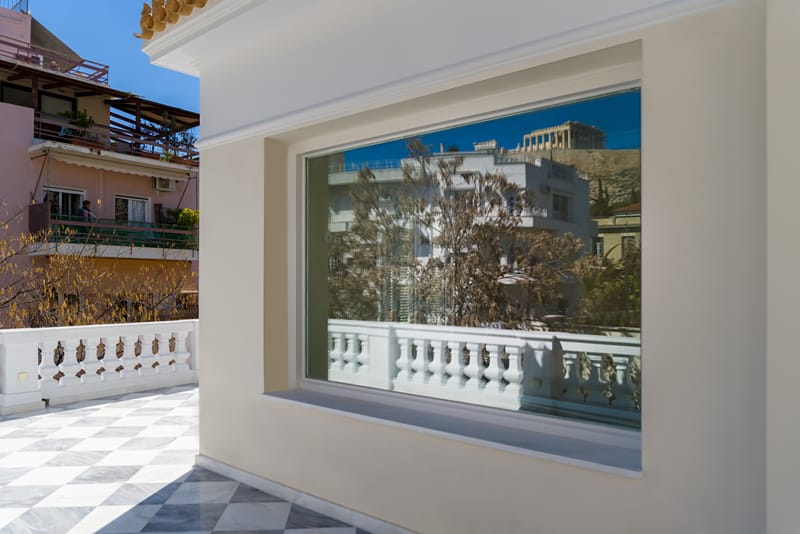
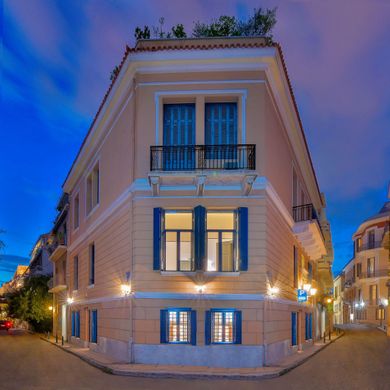
Noble Suites
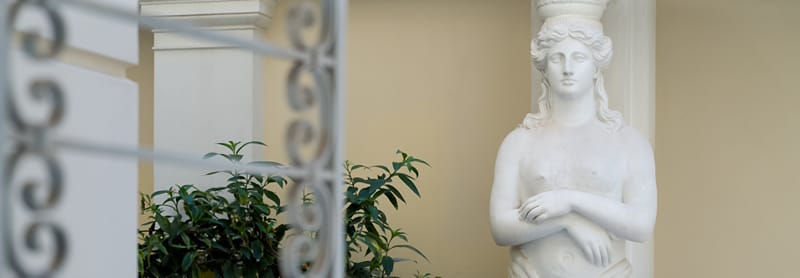
A 1901 neoclassical house under the Acropolis – four suites of marble and old wood.
 9.7
9.7 Alternative places to stay

AthensDay 1
The food tour & the Acropolis
The Ultimate Food Tour
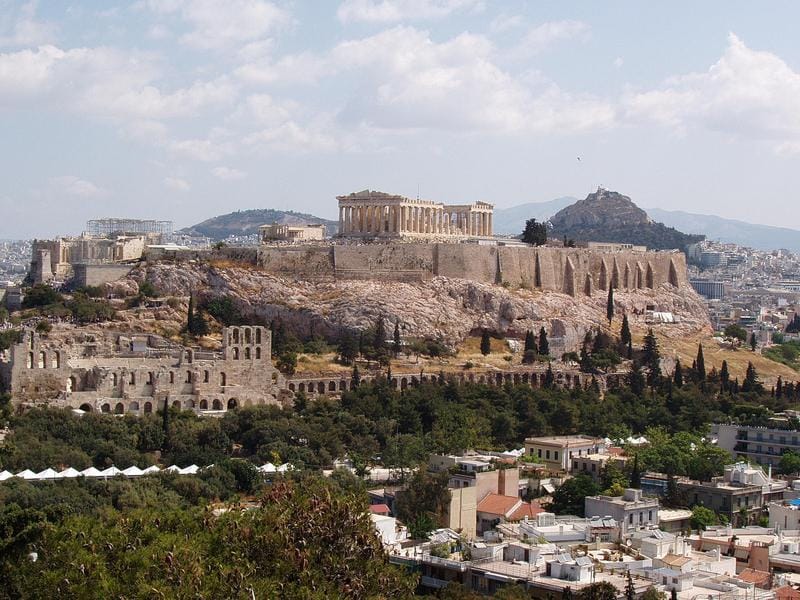
Acropolis – guided
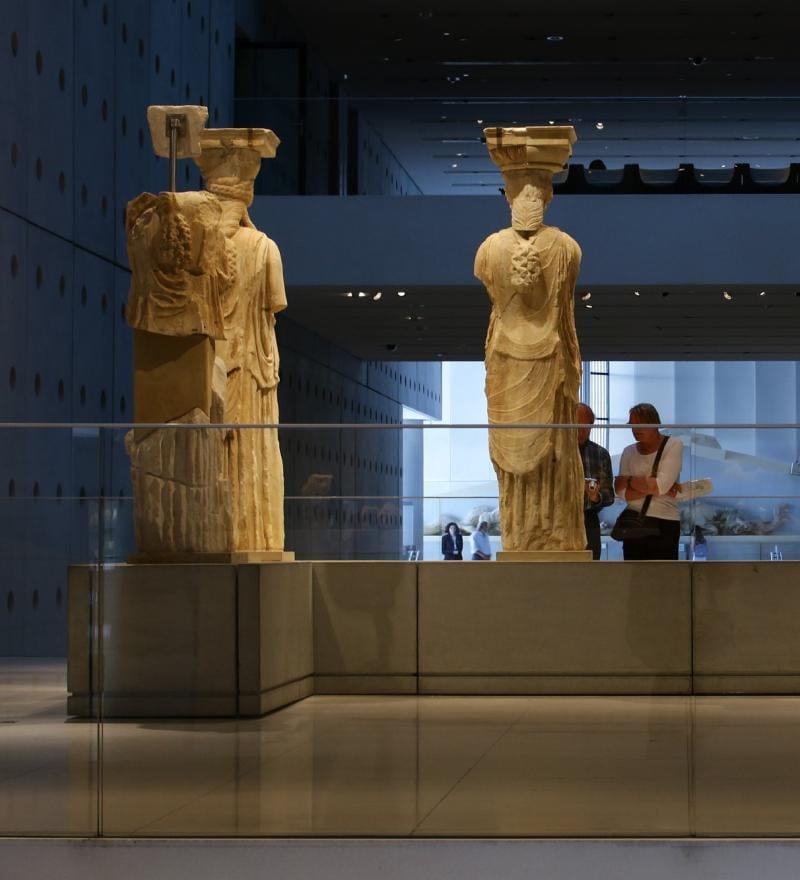
Acropolis Museum
It is one of the most important contemporary works of architecture in Athens. Its construction, designed by architects B. Tschumi and Mih. Fotiadis was completed in 2007. Standing only 300m away from the Acropolis, its total area covers 21,000 sq.m, while it offers a display area of 14,000 sq.m. It is made of steel, glass and concrete; it uses natural light efficiently so that its 4,000 exhibits would show off. The last level (The Parthenon room) has the dimensions and the direction of the Parthenon and it has been rotated by 23 degrees in relation to the rest of the building so that the visitor would have an immediate view of the monument. The surrounding area, visible from the glass floor of the ground level, functions as an openair museum-excavation. The main entrance is on Dionyssiou Areopagitou Street. In addition, the imposing Weiller building stands in the vicinity. Having been built by German architect W. Von Weiller, it combines Byzantine style masonry and neoclassical decorative patterns. Initially it was used as a military hospital and later as police unit headquarters, whereas since 1987 it houses the Acropolis Research Centre
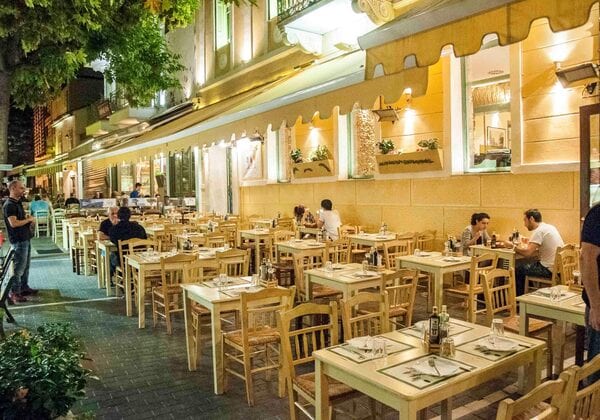
Lithos Taverna
Tucked into a Psirri side street, Lithos does my favourite Moussaka in Athens – layered the way your grandmother would approve, sitting in front of you within minutes of ordering. The room is stone-walled and unfussy, the wine comes in carafes, and the kitchen turns out the Greek classics with just enough finesse to make the regulars regulars.
AthensDay 2
The Ancient Agora, Plaka & Psirri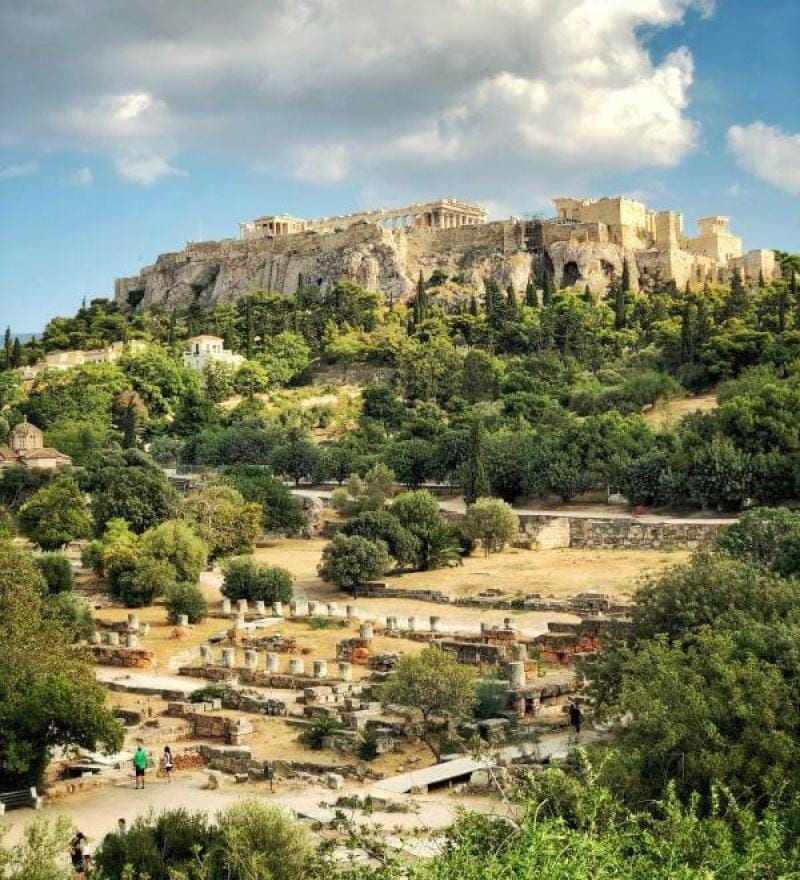
Ancient Agora
The archaeological area of the ancient Agora is located on the foothills of the Acropolis, near Thission Metro Station. In antiquity, the Agora was not solely a commercial centre. It was also an important political, cultural and religious centre. In the area of the agora were located administrative buildings, temples, public services and courts. The Athenians gathered here every day to buy and sell their goods, learn the current news, criticise the government, exchange ideas, or engage in discussion. The area was settled in the Neolithic age. The monuments located there were built in various historical periods: from the classical age to the 11th century AD. The church of Ayioi Apostoloi was built in the 11th century
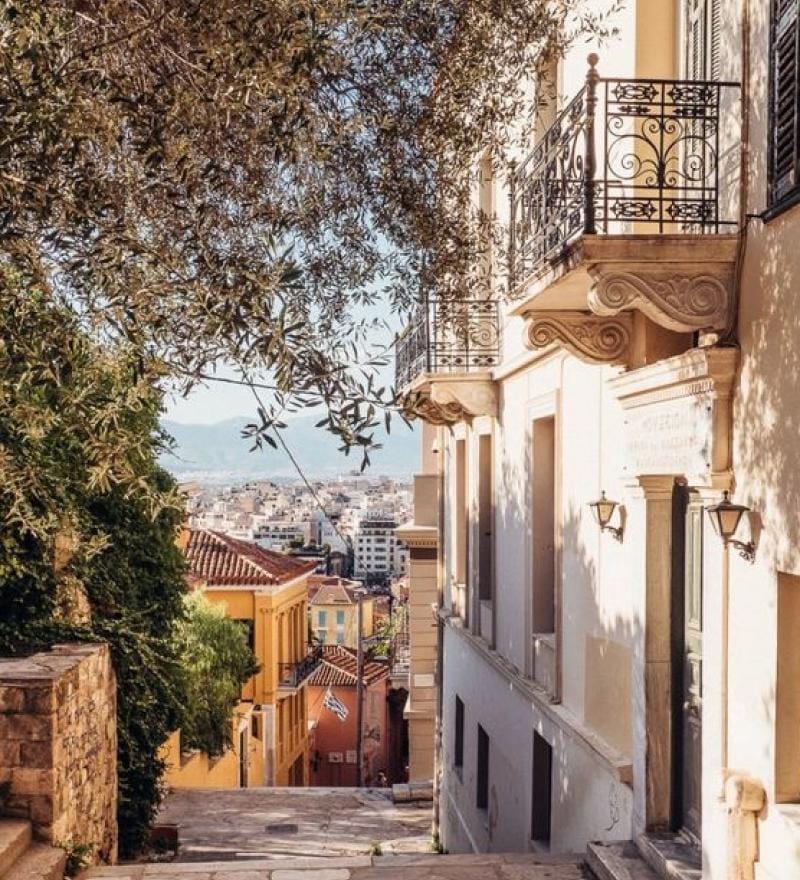
Plaka
Plaka, also known as the "neighbourhood of the gods," is the oldest neighbourhood of Athens. Walking on its paved narrow streets you get the feeling that you are travelling back in time. The origin of the name of the neighbourhood is unknown, although theories abound. According to popular belief, Plaka was named after a slab of stone that was found near the church of Ayios Georgios Alexandrias, in the vicinity of the theatre of Dionysos. The beautiful neoclassical style colour of the houses, the architecture, the well-kept gardens, and the beauty and atmosphere of the neighbourhood are enchanting. In Plaka the air you breathe is different; it is lighter, cleaner, and fragrant, like a gift of the gods. When you visit Plaka you should bring a map, because you might get lost in the labyrinth of narrow streets and alleys. In Adrianou Street, the central street of the neighbourhood, as in other streets in the area, you will find shops selling traditional products, souvenirs, Greek folk art and handicrafts, etc.
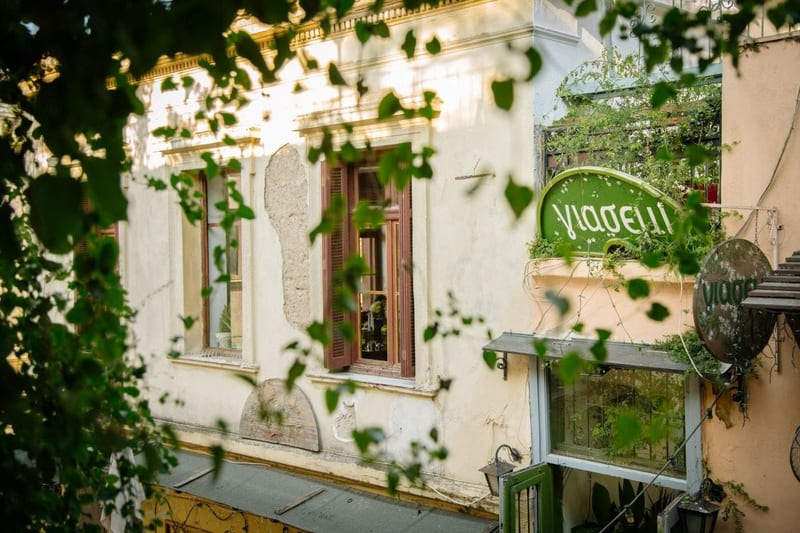
Yiasemi
Yiasemi is a café in Athens, Greece on busy Mnisikleous -a steep, stepped, pedestrian street in the Plaka area that leads down from the Acropolis and is lined with cafés and restaurants. It feels like one of the more characterful offerings on the street, with two separate indoor spaces, seating outside on the steps (of course), tons of plants and flowers, and adorable mismatched furnishings and décor. There's a selection of meze and other dishes but your best bet is to grab a tea or Greek coffee and something sweet to snack on – one of the homemade pies or the honey-drenched, big-enough-to-share baklava. Yiasemi is a nice mix of locals and tourists, buzzy and busy without feeling rushed, and offers superb people-watching
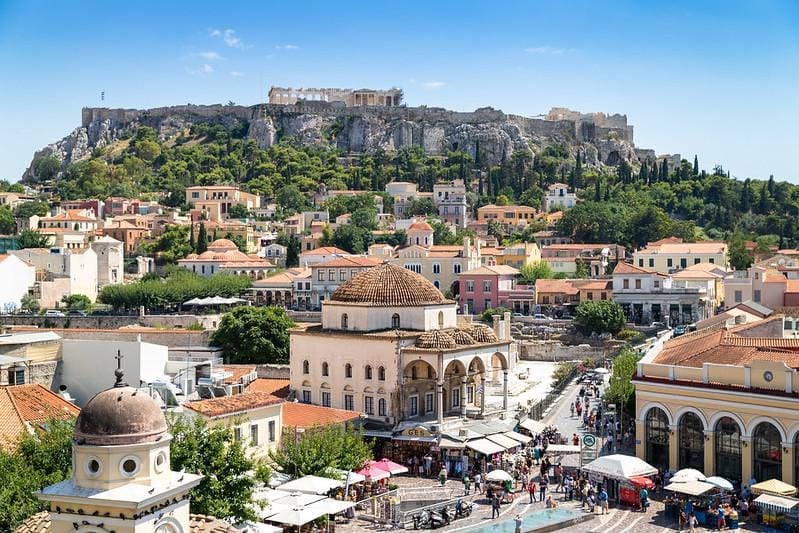
Monastiraki
A distinctive old Athens area, with narrow, irregularly criss-crossing streets, and small buildings, characteristic of Ottoman and to some extent Byzantine urban planning. On the outdoor stands of street sellers, or the small shops on the central roads you can find anything, such as shoes, clothes, old and new furniture, old books and magazines, souvenirs, jewellery, hats, bronze objects, new and used records and CDs and traditional Greek instruments (bouzouki, touberleki). Shopping or walking in Monastiraki is an unforgettable experience. You will be stunned by the variety and quality of things you can buy in the market
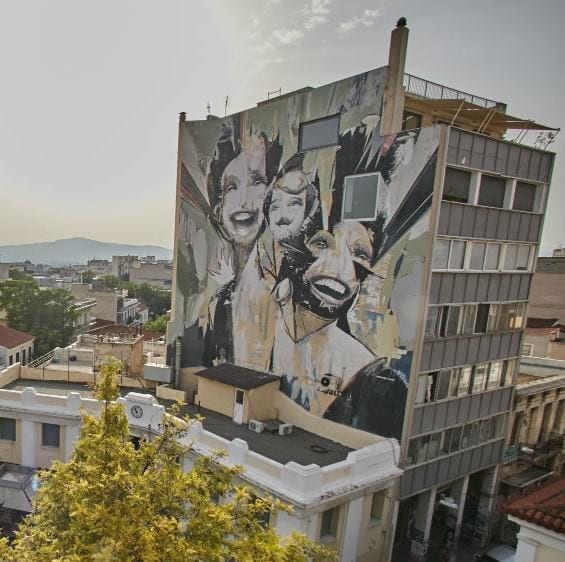
Psirri
Spend time in the lively area of Psiri, including a visit to the colourful and very kooky Little Kook! Athens's old workshop quarter is now its nightlife heart – street art on the shutters, mezedopoleia and bars shoulder to shoulder, and the famous over-the-top themed cafe drawing the queues.
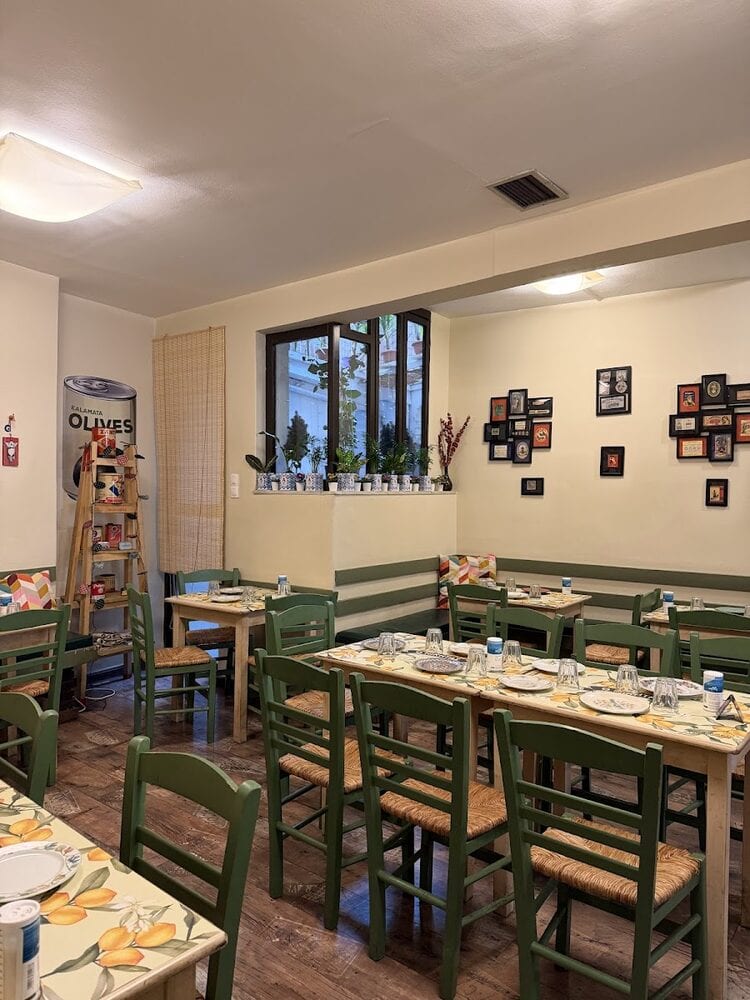
Nikitas
Nikitas in Psiri is the neighbourhood's cheap-and-cheerful home-cooking institution, feeding the quarter since 1967 – long before the bars moved in. Grab a table beside the courtyard of Agioi Anargyroi church and order whatever came out of the kitchen that morning: soutzoukakia, hand-cut fries, a proper horiatiki. Honest, unhurried, and full of locals by two o'clock.
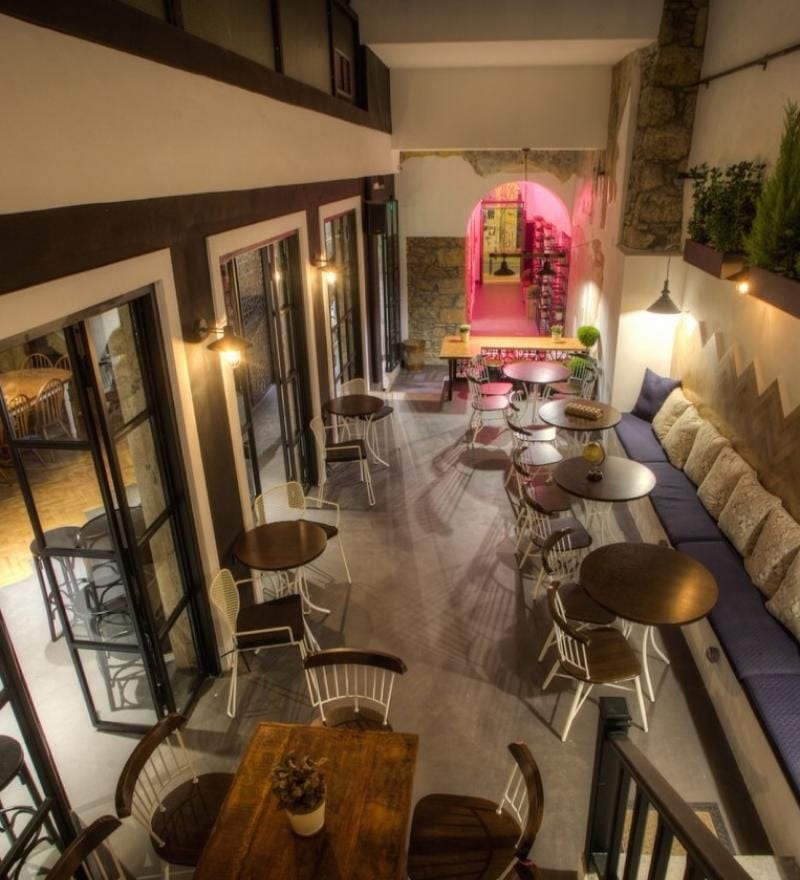
The Clumsies
Whether for the high-class cocktails, homely food, open-armed Greek hospitality or charming ambience, The Clumsies is a place in which everyone feels at home. Set in a townhouse in downtown Athens, The Clumsies freely flows through the ground floor, from the statement bar at the front to the quieter back room and terrace where you'll find a wide staircase that climbs to a private bar and billiard table. If the provision of homely hospitality has been fundamental to the success of The Clumsies, its latest menu narrows in on the customer further. The Clumsies Revisited is a compilation of the bar's greatest hits, with simplified methodologies for guests to recreate the cocktail magic at home. A bar launched on a tight budget in a recession by two aspiring young bartenders – Vasilis Kyritsis and Nikos Bakoulis – The Clumsies was a smash from the start with locals and international travellers alike. For the past five years it's been able to call The World's 50 Best Bars its home too.
AthensDay 3
Meteora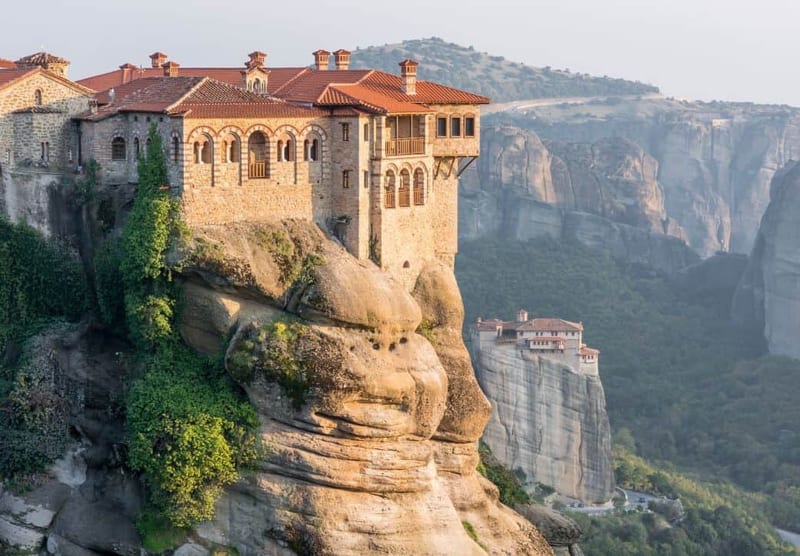
Meteora Tour
A guided trip out of Athens – a 3.5-hour drive into central Greece to the sandstone pillars where six active monasteries sit at the top of the cliffs. Up to four monastery visits, the Cave of Theopetra on the descent, and the photographs people put on the front cover of Greece guidebooks. The shorter version is a long single-day round-trip; the better version is overnight in Kalambaka so you catch sunrise and sunset over the pillars and aren't in a car for 7 hours straight. Sandy's tour operator pick is [Cattaxi](https://www.greecetravelsecrets.com/meteora-tour/) – private driver from your Athens hotel, optional licensed guide for the monastery walks, lunch and admissions on you.
Santorini
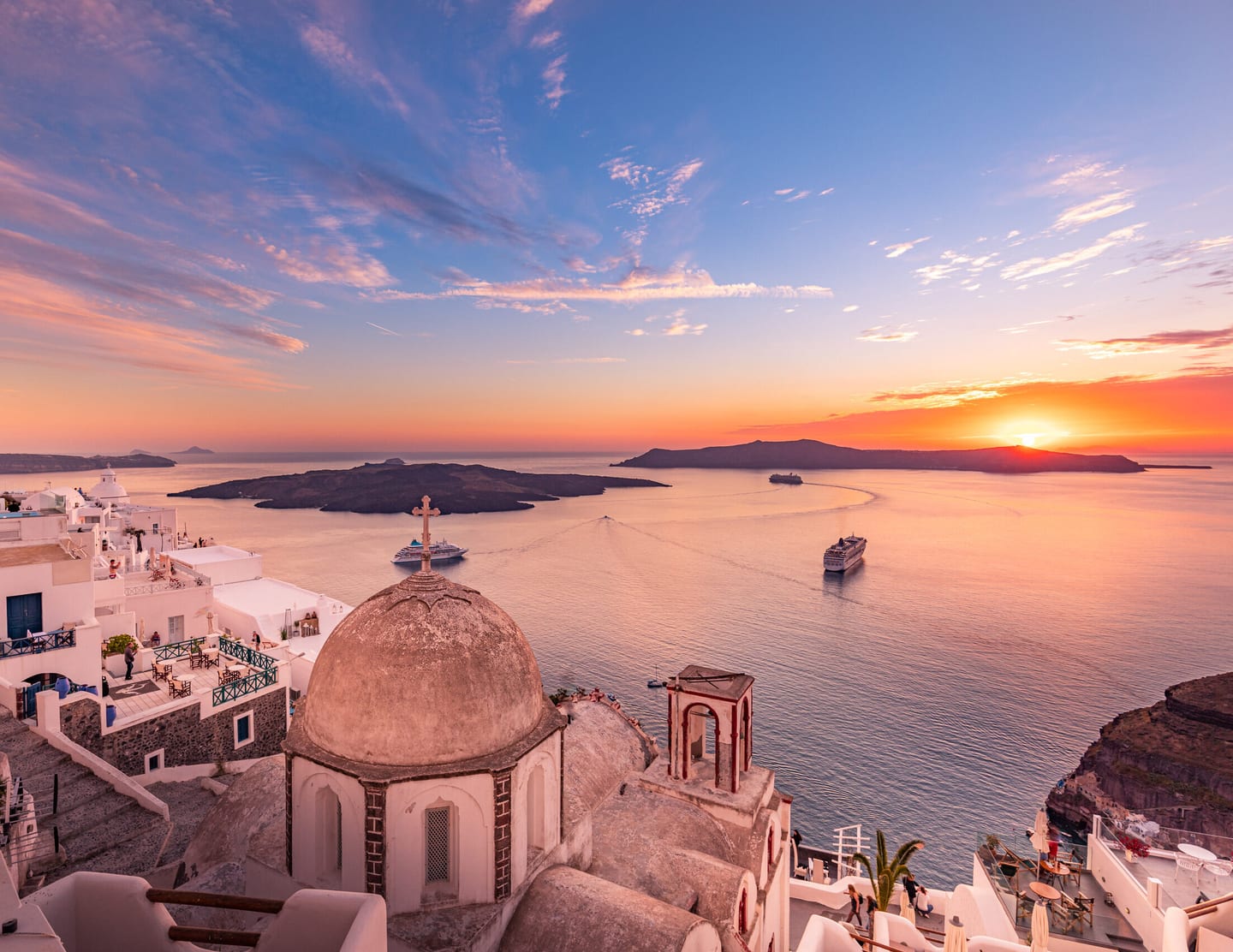
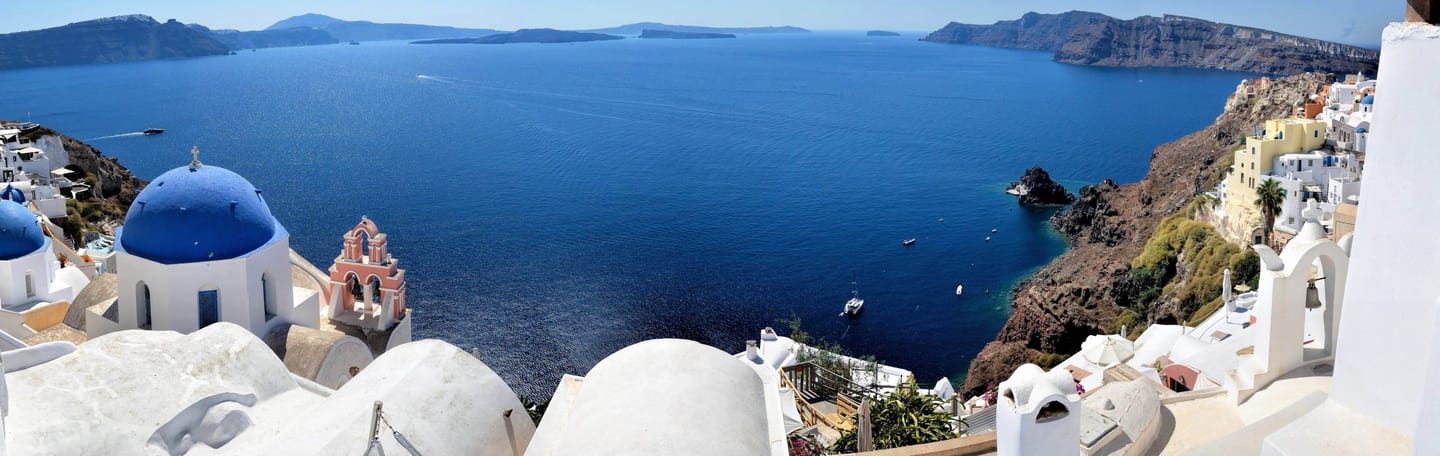
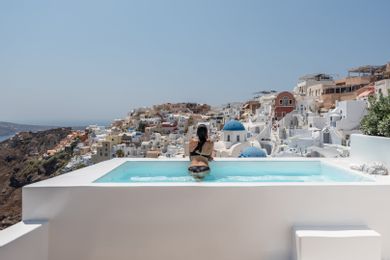
Days 4–6 of 10 · 3 nightsSantorini is a bucket list destination for most people and for good reason. Despite the cruise ships and the crowds, it remains one of those places that not only meets your expectations but probably exceeds it. The views truly are the stuff of legends and it is little wonder it is so popular with honeymooners. We love to stay in Oia which is considered the most picturesque village, although a lot of people also enjoyed Imerovigli which is about a 20 minute walk along the nice flat footpath that runs along the Caldera seam. There are a surprising amount of things to do on Santorini with beaches, wineries, hot springs, great shopping and some of the worlds most iconic and photographed sunsets.
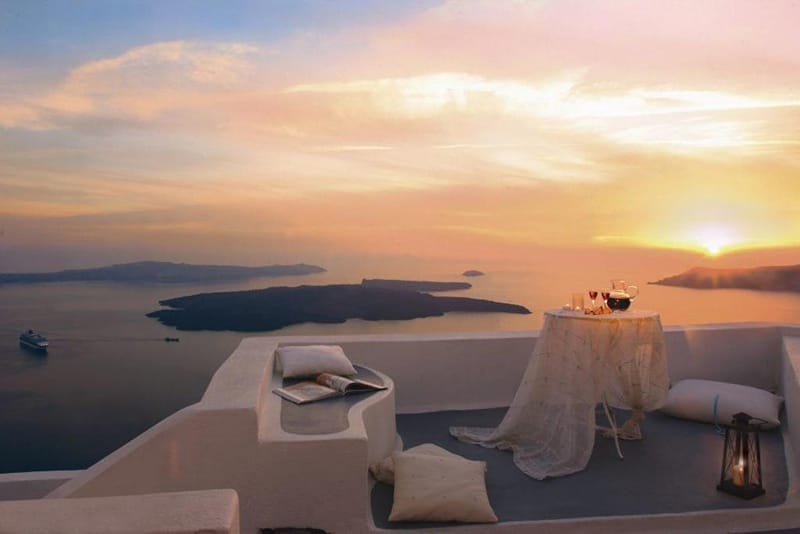
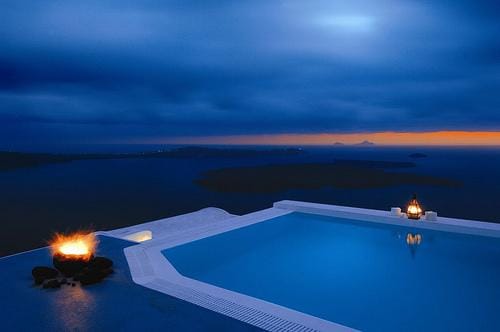
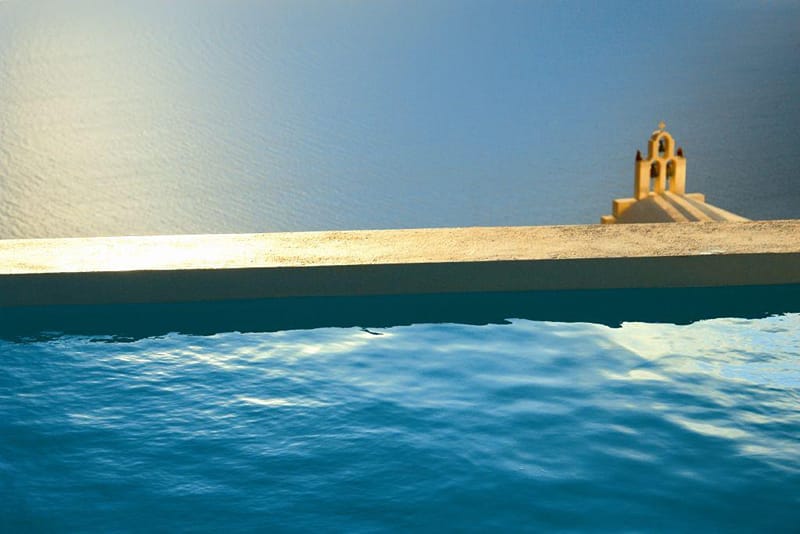
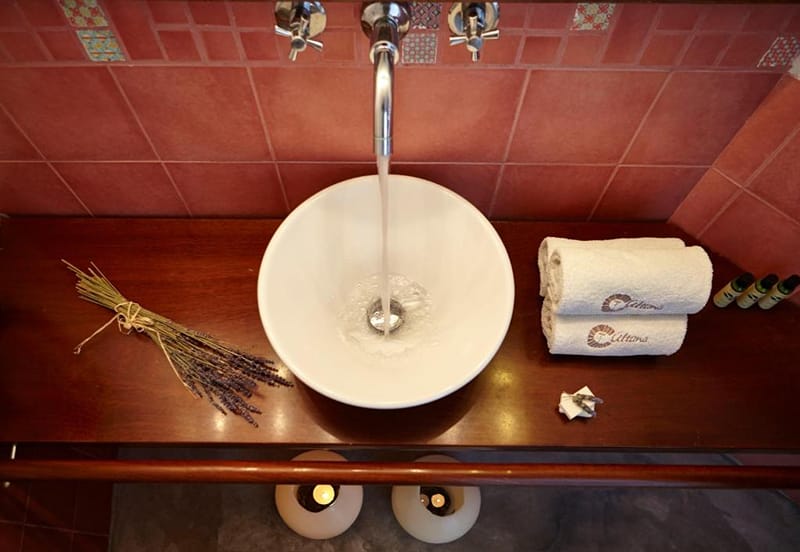
Altana Heritage Suites Santorini
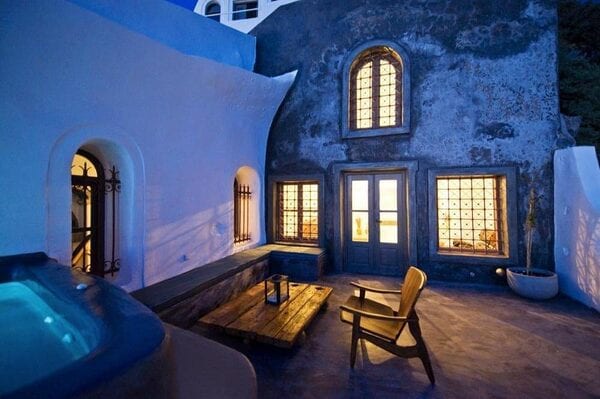
Cave suites and apartments on the Imerovigli caldera edge – a sunset terrace, a small pool, Skaros Rock a short walk away.
9.9 Alternative places to stay
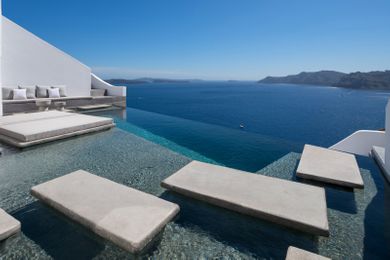
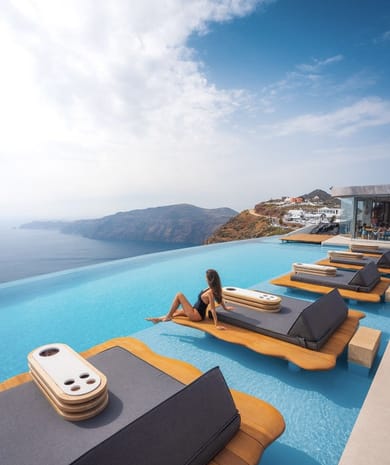
SantoriniDay 1
Kamari, Ammoudi Bay & Oia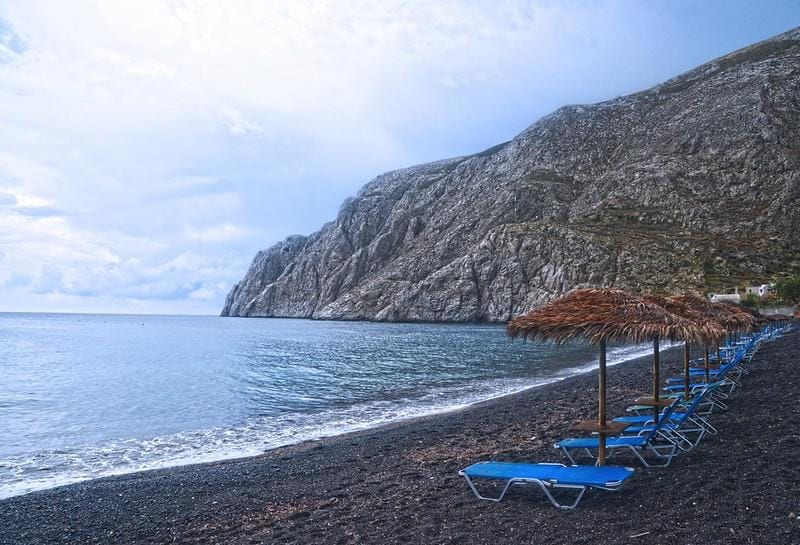
Kamari beach
Kamari Beach is one of the most popular and most visited beach resorts in Santorini. It is located in the seaside village of Kamari. The beach is composed of black volcanic sand and is 5 kilometers long, among the 3 longest beaches in Santorini, with deep crystalline waters and a series of trees. It is fully organized with hundreds of sunbeds and umbrellas, showers, a lifeguard on duty and numerous facilities.
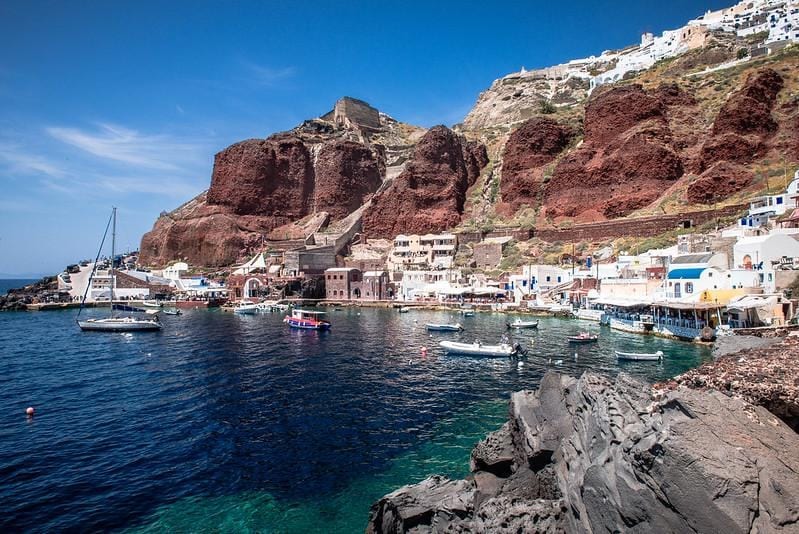
Ammoudi Bay
At the bottom of the scenic village of Oia, lies the charming, small port of Ammoudi. It is a beautiful, tiny cove with crystalline waters and fishing boats lying in the sea. Here there are no beaches, sand, sunbeds and umbrellas but you can have a distinctive experience by swimming from the dock. Nevertheless, it is preferable that you follow the path, past the taverns, that ends up in an awesome diving area with crystal clear waters.
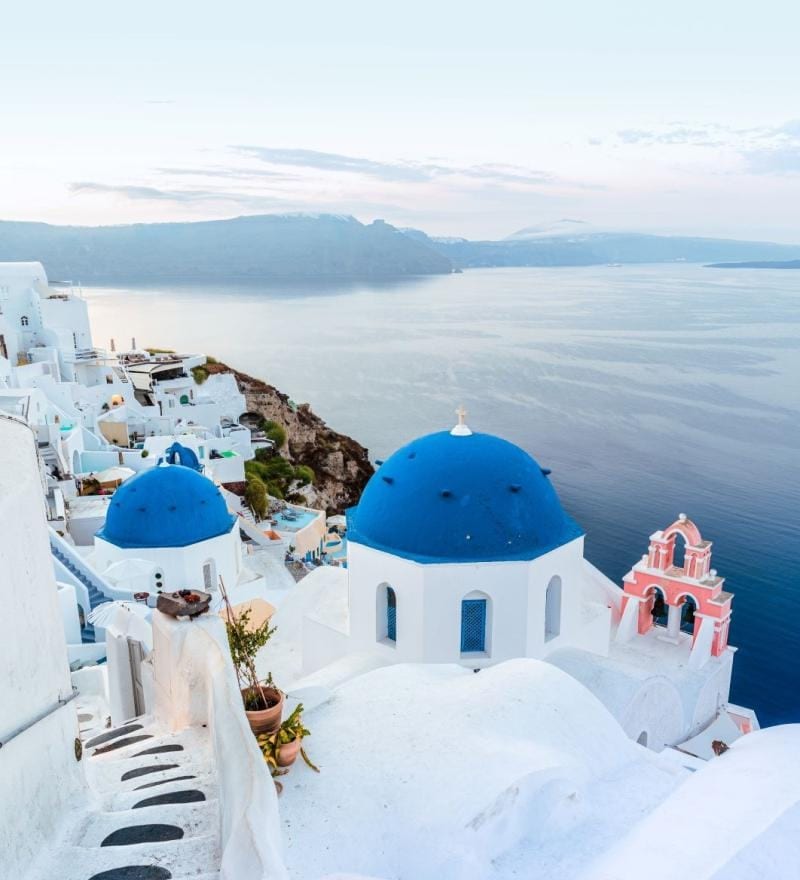
Oia
World’s most iconic sunset on this cliffside village of astounding beauty. Narrow alleys wind their way through whitewashed buildings adorned with blue-domed churches and vibrant bougainvillea, while the island’s caldera and the azure sea, stretching out as far as the eye can see, offer a dramatic backdrop to the scene. Visitors can explore the village's charming streets, lined with boutiques and cafes, and soak in the laid-back atmosphere. Oia was the first village in Greece to become a heritage site as its greatest part has been built below ground level partly hewn within the rock. As the sun sets, the sky transforms into a riot of colors, making for an unforgettable experience that will stay with visitors long after they've left this magical place.
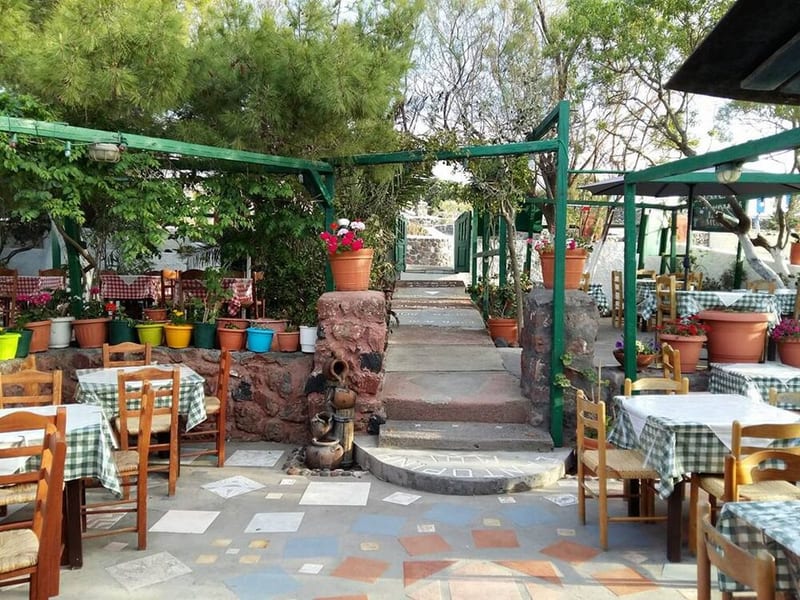
Santorini Mou
A family taverna in Finikia, a few minutes' walk below Oia, where dinner comes with live Greek music almost every night – the owner straps on his guitar around nine and the singing runs late. Checked tablecloths, a flower-filled courtyard, lamb and fish done simply and well. Book a table; the garden fills fast in summer.
SantoriniDay 2
The Caldera Walk & the Wineries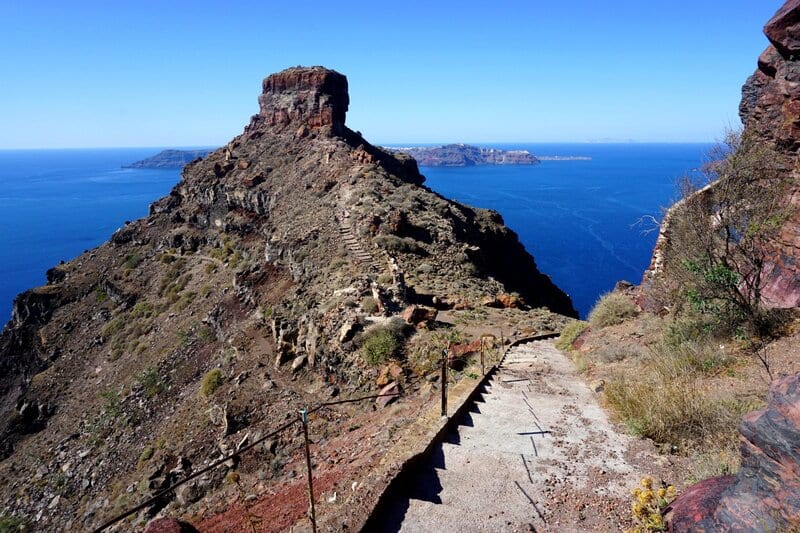
The Caldera Walk
Three kilometers along the volcanic rim – one of Europe's great walks. Fira through Firostefani to Imerovigli.
Wine Tasting Tour
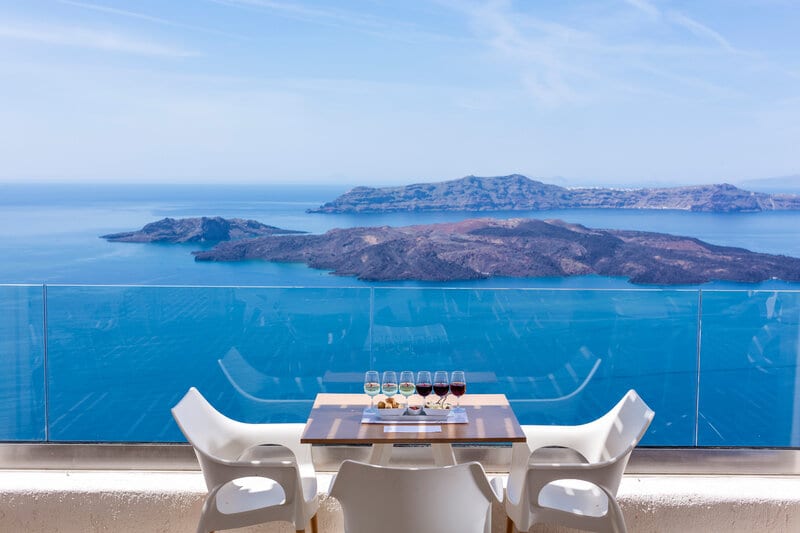
Volcanic soil, sea spray, and 3,500 years of winemaking – Santorini's vineyards produce whites unlike anywhere else. A half-day tour visits two or three estates, sampling Assyrtiko (crisp, mineral, electric), Nykteri (barrel-aged and honeyed), and Vinsanto (sun-dried grapes turned liquid amber). The vines grow pruned into low baskets – kouloura – to shield grapes from the Aegean wind. Santo Wines and Venetsanos have caldera-view terraces; Domaine Sigalas is the serious oenophile's pick. Most tours include local cheese and olive pairings. Book a sunset session if available – the caldera turns gold through a wine glass.
Le Moustache Pool Lounge
Caldera-edge cocktail bar and pool lounge – daybeds by the infinity pool, a DJ that starts slow and builds into sunset, a cocktail menu that takes Santorini's volcanic produce seriously. For that one evening you don't want to cook dinner with the rest of the island, just order another round and watch the colour change.
SantoriniDay 3
Red Beach, Akrotiri & Metaxy Mas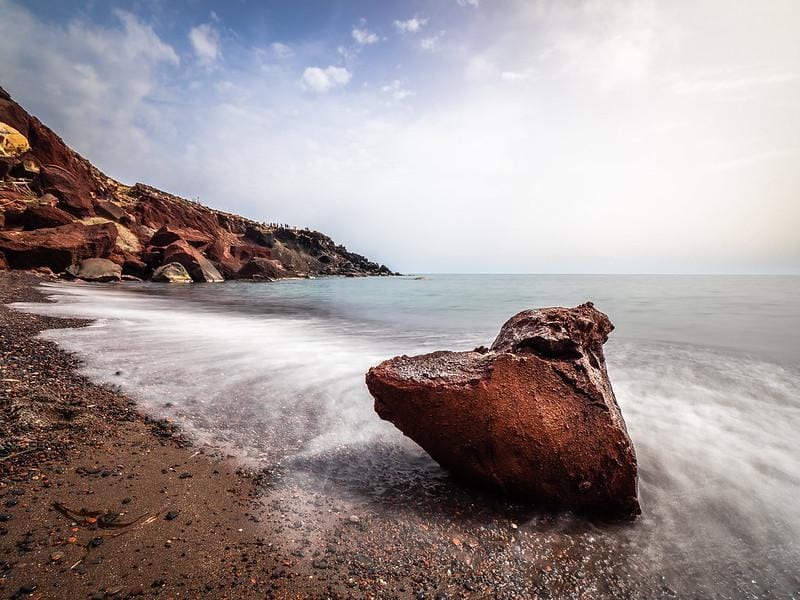
Red Beach
A huge attraction of the island and arguably the most famous beach lies on the southernmost part of Santorini. It is located in Akrotiri village, 12 kilometers south west of Fira. Red Beach is without a doubt worth a visit considering that it is a rare sight, probably unique in the whole world, where red is the dominant color. It is enclosed by steep red hills that create a captivating, wild scenery. If you stand on the top you will set eyes on enormous volcanic rocks situated in the sea, small pebbles and sand of various colors, mainly red, all along the beach and appealing dark blue waters. To reach the beach you have to walk a couple of minutes on a downhill path or you can access it by boat from Akrotiri port, Kamari or Perissa. The beach is semi-organized with white sunbeds and umbrellas. There are no facilities (make sure you provide yourself with the necessary supplies from the two canteens you can find right before the beginning of the path) or water sports on this small beach but you can take pleasure in snorkeling as there are interesting rock formations and rich marine life.
Ancient Akrotiri
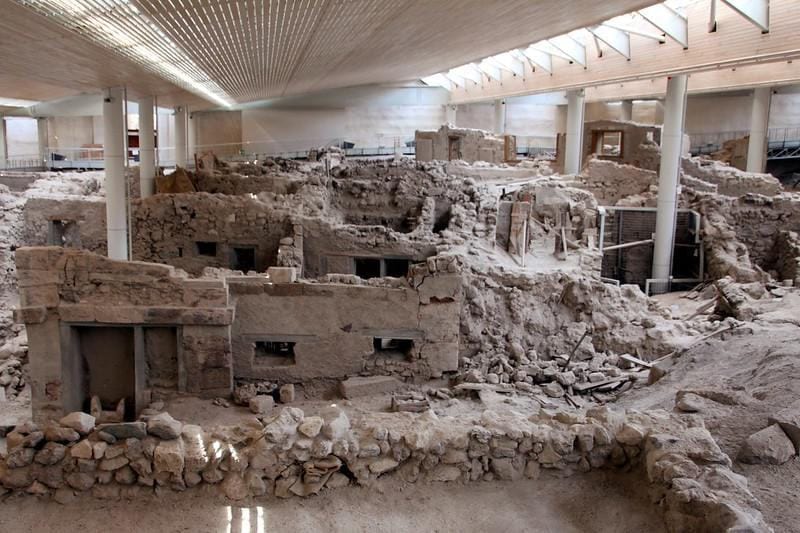
Close by picturesque village Akrotiri, you can visit one of Greece's most important archaeological sites, a Prehistoric settlement that was discovered buried under the ashes of the volcano. It was first inhabited in the Late Neolithic Period and prospered during the Bronze Age. Its architecture shares many common elements with that of the Minoan cities. Observe the multi-storeyed houses, stone-paved streets and squares, the sewerage network and murals.
Metaxy Mas
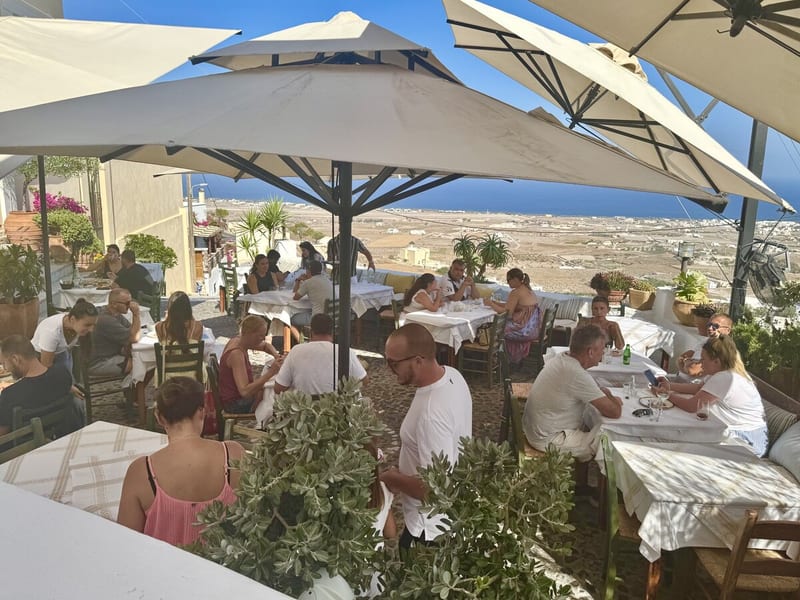
In a hospitable and relaxing space, reminiscent of an island house porch, and an atmosphere full of the Aegean Sea's colors and aromas, you will savour excellent dishes inspired by the islands of Santorini and Creta. Enjoy cool Cretan salads with dakos (barley rusk) and caper, as well as krasotigania and pork from Creta. The friendly staff here uses fresh ingredients from the restaurant's kitchen garden, refreshing raki (the iconic grape-based pomace brandy of Crete) and handpicked wines to ensure that, upon leaving Metaxy Mas, you have a full stomach, and sweet memories!
Paros
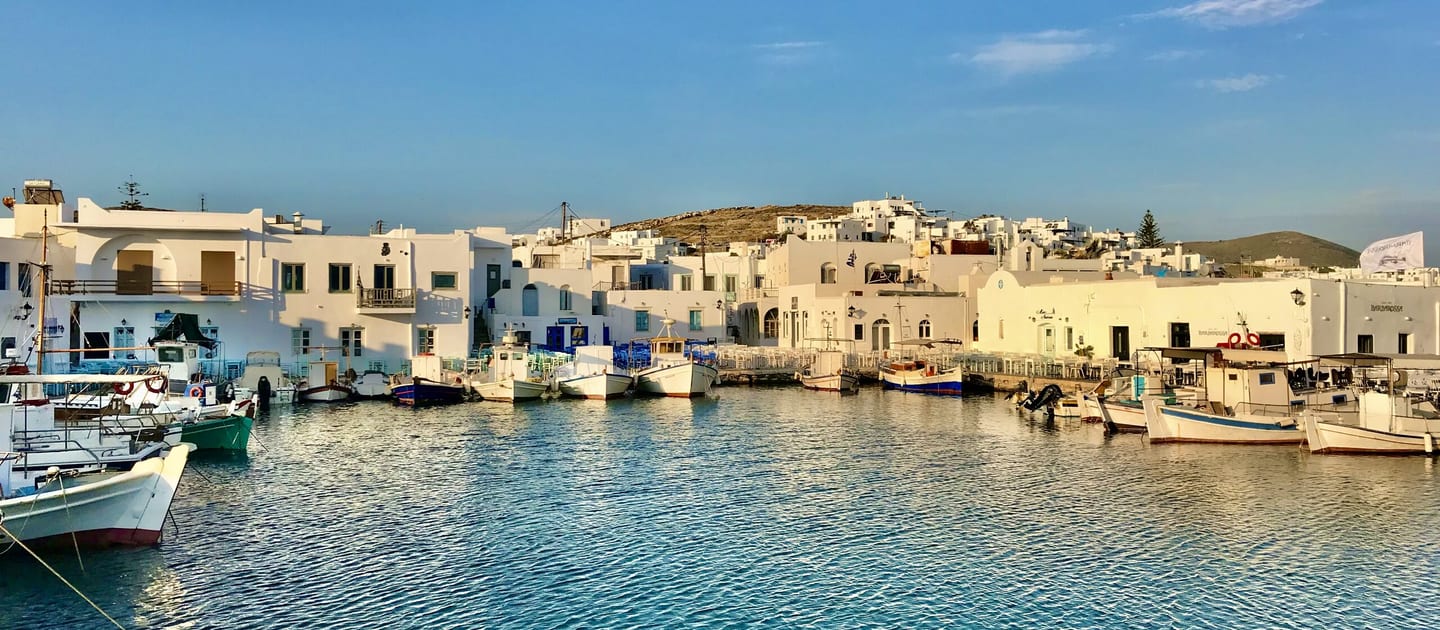
Days 7–9 of 10 · 3 nightsFor many people Paros is the perfect Greek island. Not too small nor too big, with something for everyone. It is also strategically located as one of the first ferry ports from Athens to the popular Cyclades islands and therefore a great place to access the mainland coming from the other direction. We like to stay in Naoussa which many say is like a small, cheaper version of Mykonos with a lively mix of tavernas, bars, and nightclubs as well as lovely whitewashed alleys full of great cafes and boutiques and gelati stores. The port town of Parikia is also nice and a little more affordable than Naoussa.
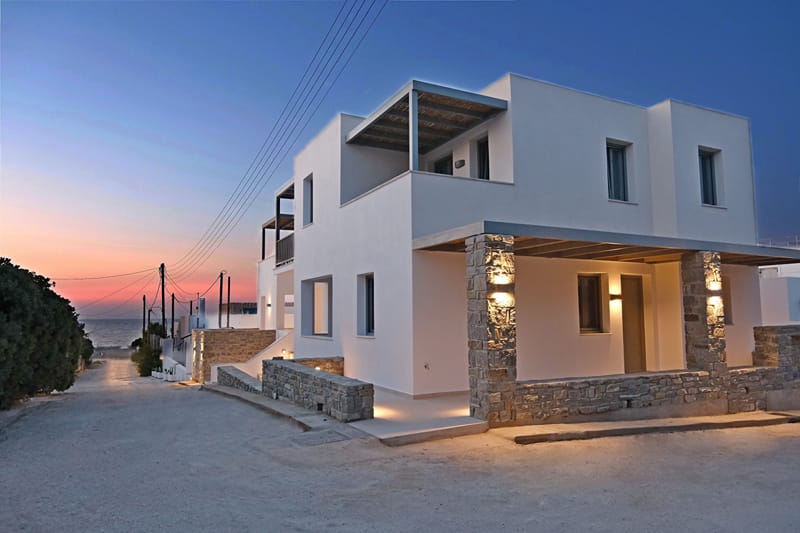
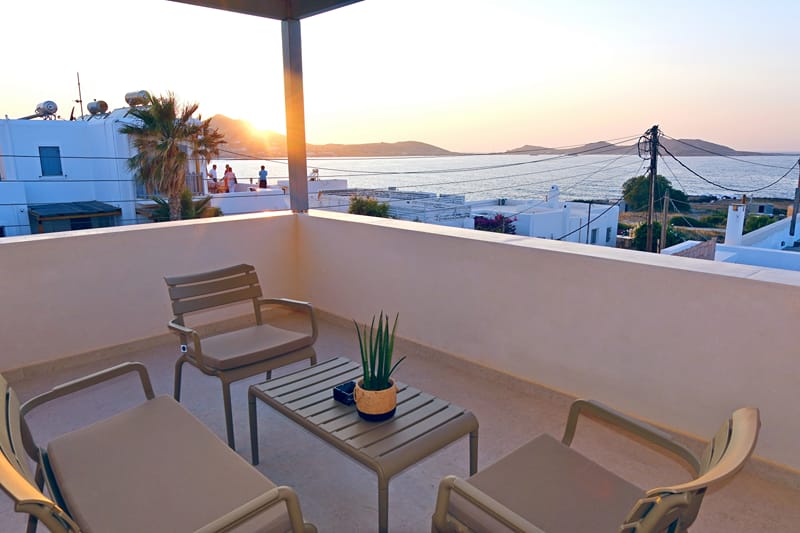
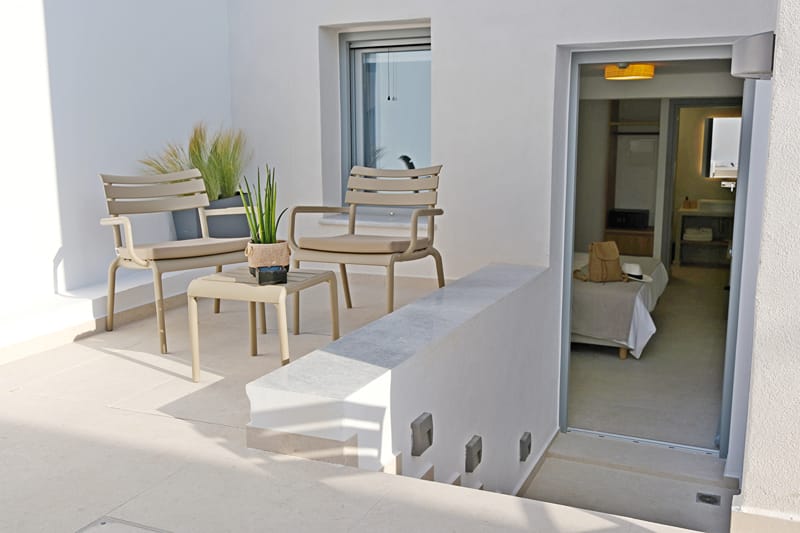
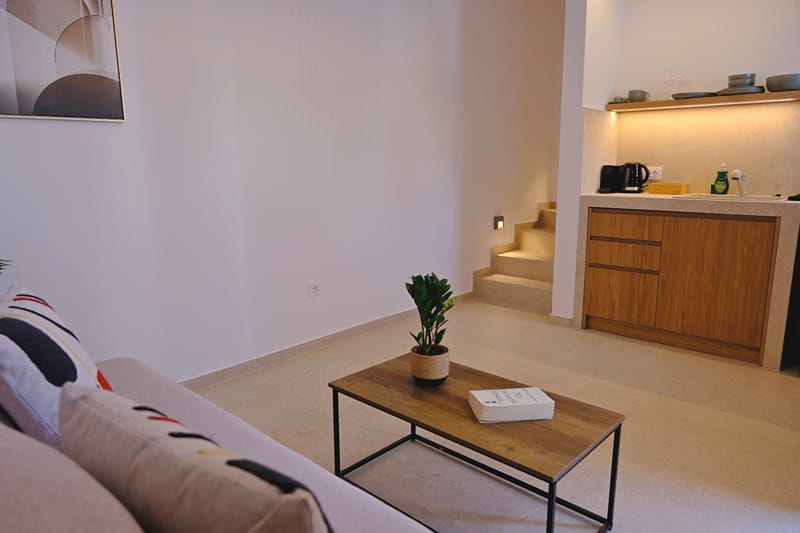
La Maltese Central
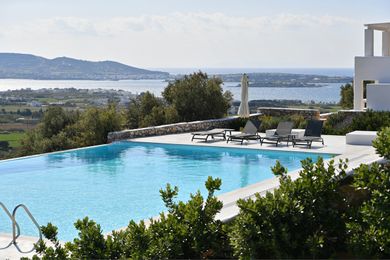
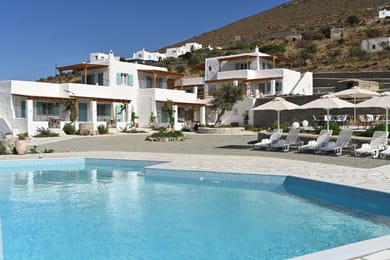
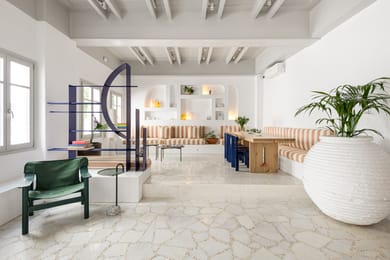
Bright, modern rooms two streets behind Naoussa's harbour – the fishing-boat quay and the tavernas on foot.
9.8 Alternative places to stay
ParosDay 1
Kolimbithres, Paros Park & Naoussa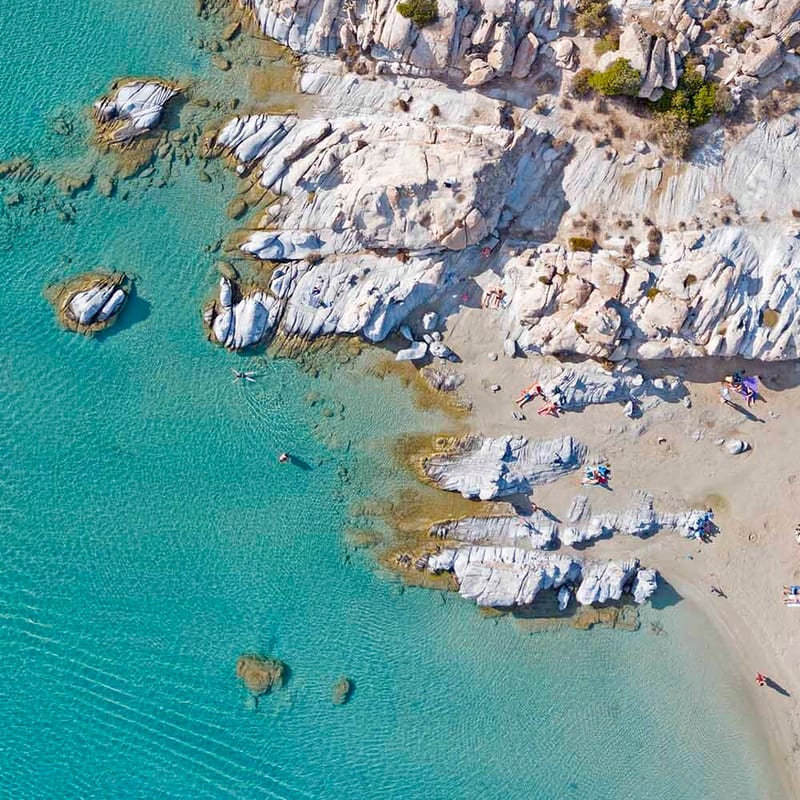
Kolimbithres Beach
Kolimbithres is Paros's most distinctive beach – granite boulders sculpted by wind and water into small coves on a turquoise bay, each pocket of sand its own private spot. Best done as a morning beach before the boats come in.
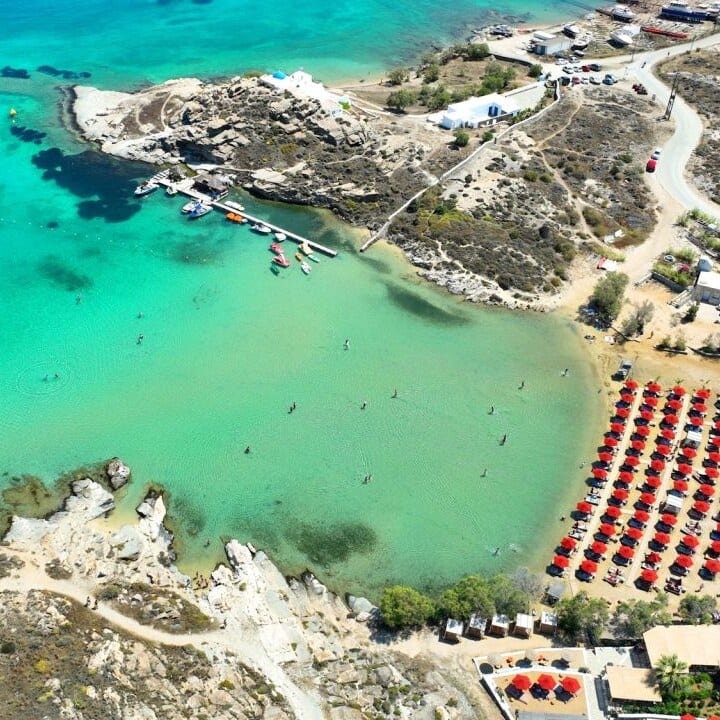
Monastiri Beach
Spend a few hours at Paros Park – a historic nature reserve on the peninsula past Naoussa, with a lovely beach and beach club. Monastiri is the park's sheltered cove: calm, clear water inside the bay, walking trails out to the lighthouse, and an open-air cinema on summer nights.
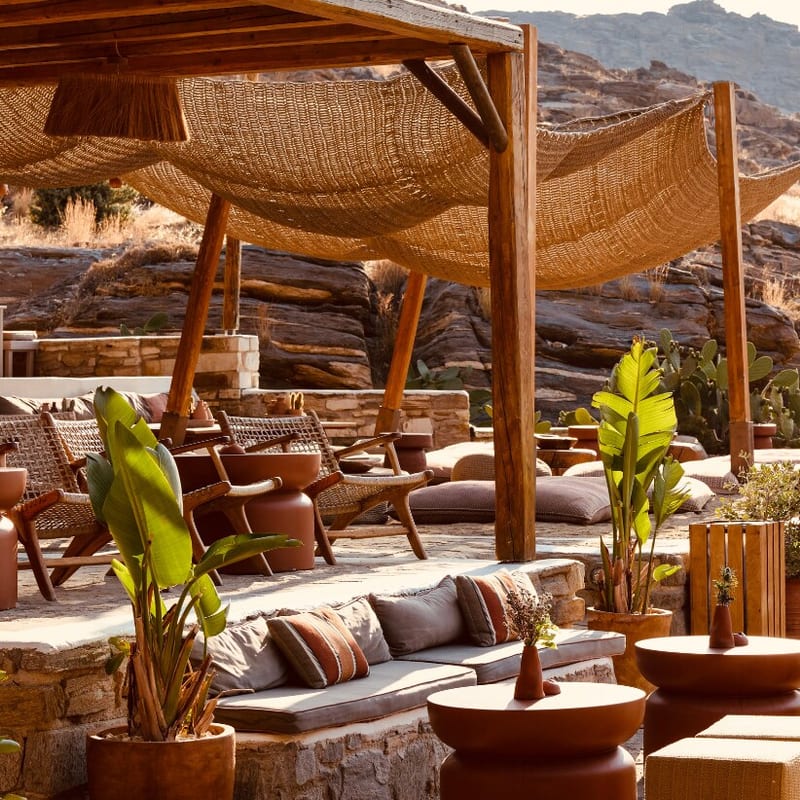
Monastiri Beach Bar & Restaurant
Sandy especially loves "the taverna and everything about Monastiri Beach" – and the all-day beach bar-restaurant IS the beach: service to the sunbeds and cabanas on the sand, a proper kitchen behind the bar, and tables that keep filling long after the swimmers leave. Book a front-row bed for the day, order lunch when hunger calls, and stay for the golden hour over the bay.
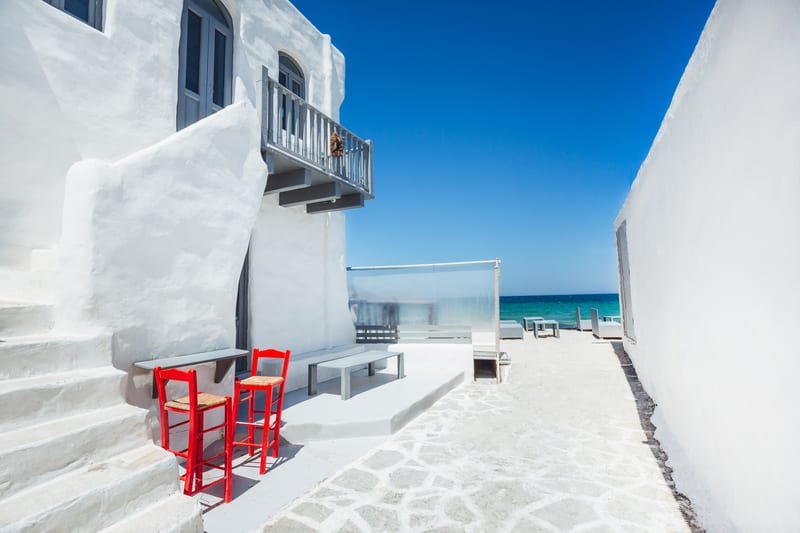
Naoussa
Many say Naoussa is like a small, cheaper version of Mykonos – a lively mix of tavernas, bars, and nightclubs as well as lovely whitewashed alleys full of great cafes and boutiques and gelati stores. Sandy's pick for where to base yourself on Paros. Park outside the centre and walk in; the streets are too narrow for cars.
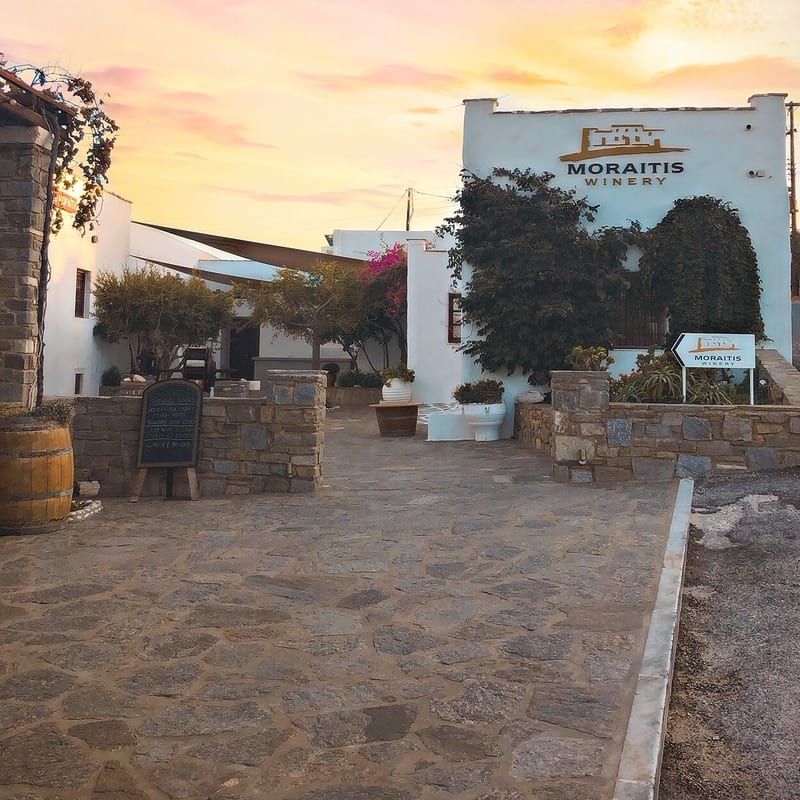
Moraitis Winery
Visit Moraitis Winery in Naoussa – the island's landmark winery, run by the Moraitis family since 1910. The stone-built estate at the edge of town works Paros's own grapes, Monemvasia and Mandilaria, and the tasting room pours them alongside a tour of the old cellars. The courtyard under the vine pergola is the spot for a late-afternoon glass before Naoussa's tavernas.
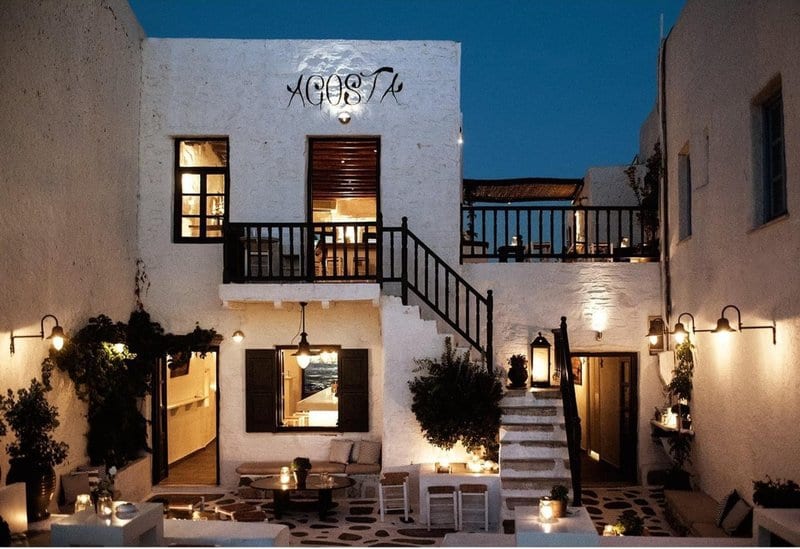
Agosta Bar
Right on the old port of Naoussa, Agosta is where the evening lingers after dinner – cocktails and good music with the fishing boats bobbing a few metres away. Tables spill onto the quay, the crowd mixes locals with the well-dressed drift from the restaurants next door, and nobody is in a hurry. Start with a spritz at dusk and see where the night takes you; its immediate neighbours are worth a look too.
ParosDay 2
Parikia & the Church with the 100 Doors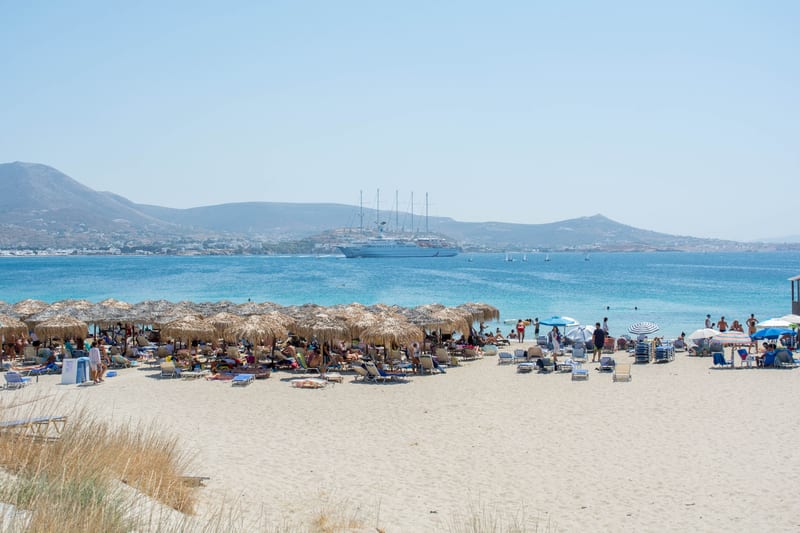
Martselo Beach
Across the bay from Parikia, four kilometres by road or ten minutes on the small boat that crisscrosses the harbour. Fine pale sand and water that stays shin-deep for what feels like a hundred metres before deepening. Half organised (sunbeds, volleyball, beach bar), half unspoiled – pick your side. Geographic shelter from the meltemi means it stays calm even on windy days, which is why locals come here when the rest of the island is white-capping.
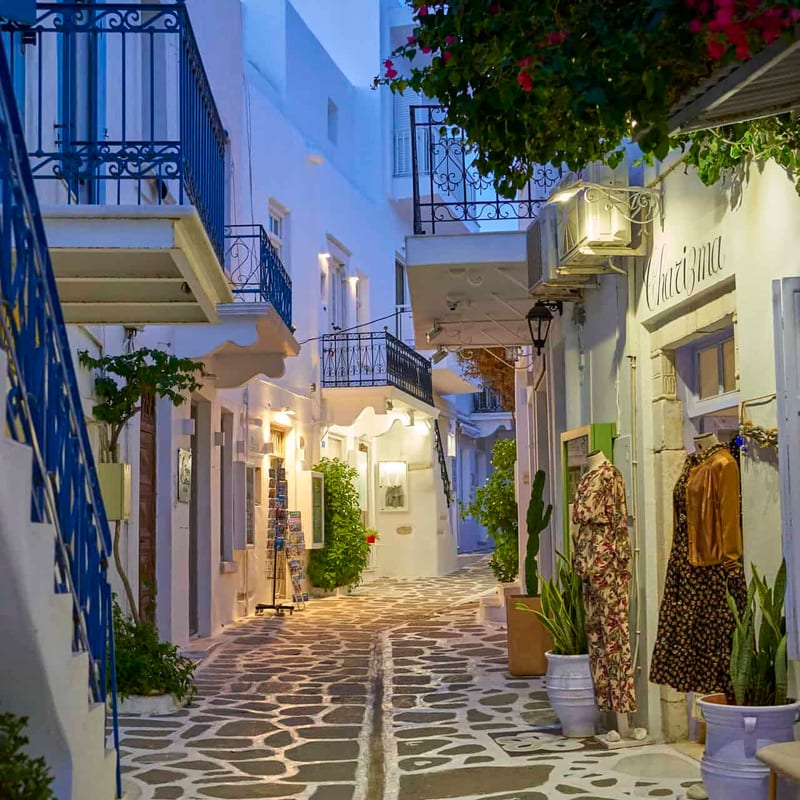
Parikia
The port town of Parikia is also nice and a little more affordable than Naoussa – and you can easily spend a day just wandering around and exploring. Whitewashed lanes wind back from a long seafront of cafes; the old Kastro quarter is built straight through with ancient marble column drums, and the windmill on the quay marks the spot where every Paros trip begins.
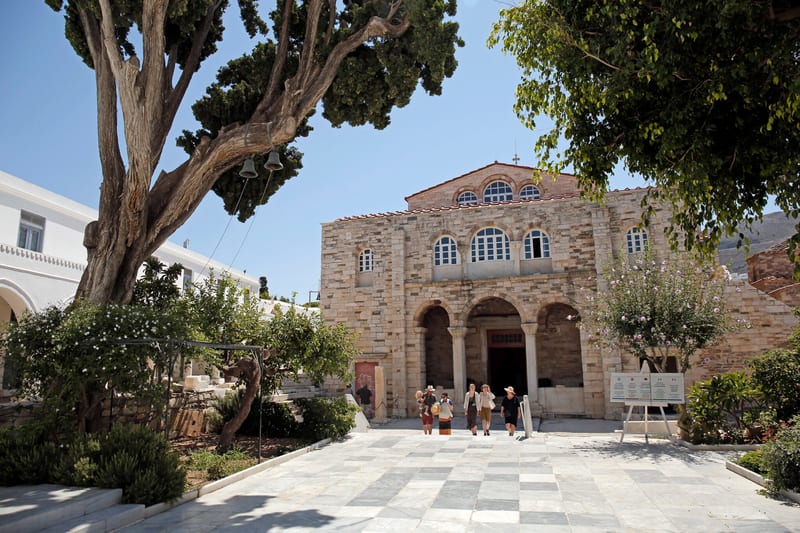
Panagia Ekatontapiliani
Aka The Church with the 100 Doors – Panagia Ekatontapiliani is one of the most important churches in Greece, and one of the oldest still in continuous use, with parts dating back to the 4th century. Legend counts ninety-nine doors found so far; the hundredth, they say, will open when Constantinople is Greek again. Quiet and cool inside; the icons and mosaics reward a slow visit. Free to enter; modest dress required.
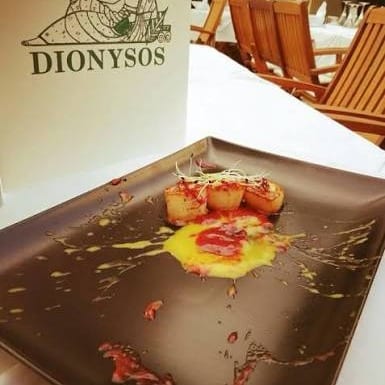
Dionysos Garden Restaurant
In Parikia, Dionysos Garden Restaurant is truly lovely – hidden in the courtyard garden of an old house just off Market Street in the Old Town. Candle-lit tables under the pergola and the trees, mussels and octopus done properly, and the kind of family hospitality that has guests booking the next visit before they leave. Reserve ahead in season; the garden fills early.
ParosDay 3
Golden Beach, Lefkes & the Quarries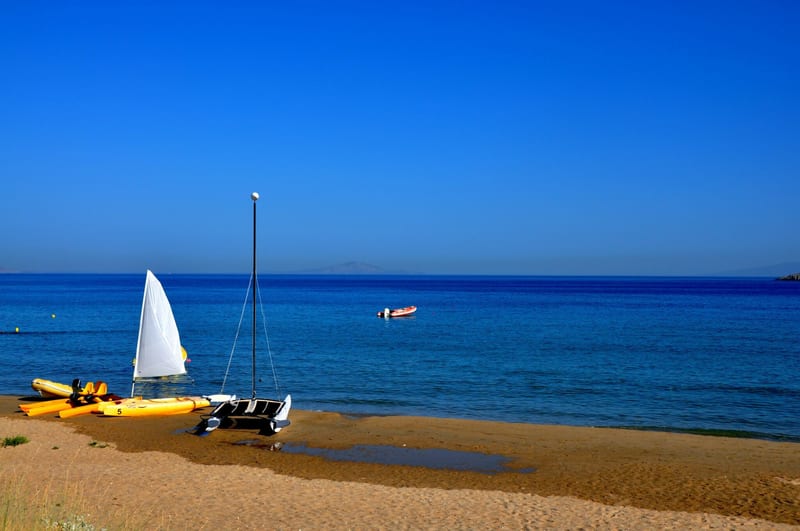
Golden Beach (Hrysi Akti)
A long, wind-blessed shore that hosts international windsurfing championships – Paros's sport beach with golden credentials.
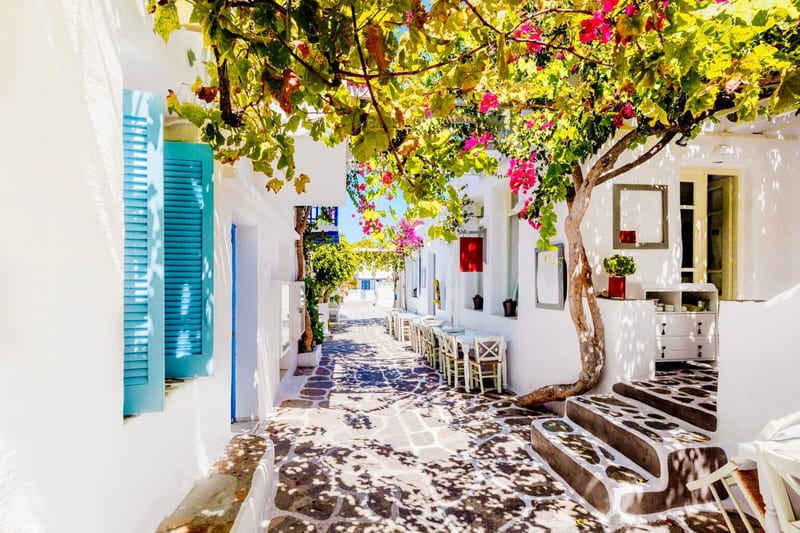
Lefkes
A whitewashed inland village in the centre of Paros, with marble-paved alleys, neoclassical mansions and a Byzantine path that drops down through olive groves toward Marpissa. The village kafenia stay open all day; the bell-tower view from the top of the path is the postcard.
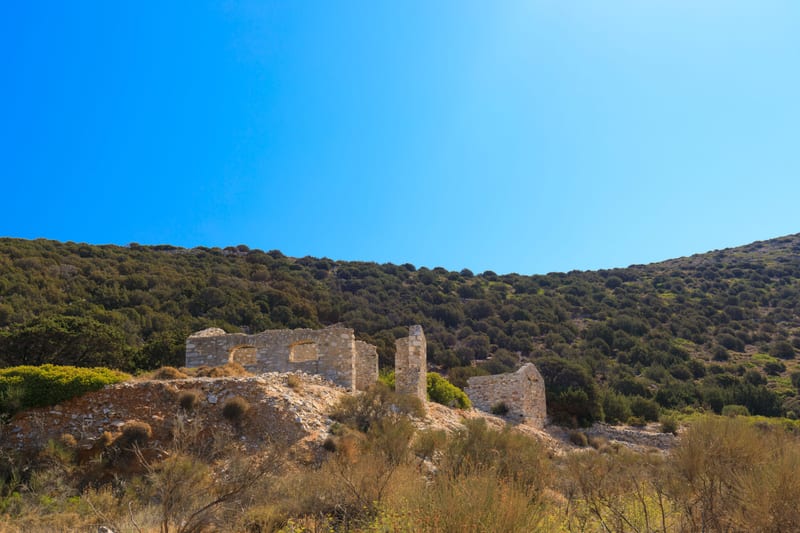
Ancient Marble Quarries
Visit the once famous Marathi Marble Quarries – marble for the Venus de Milo and Napoleon's tombstone came from here. Pure, fine-grained and almost translucent, Parian marble was the stone of choice for most of the great classical sculpture. The tunnels, a quiet 15-minute drive inland, still bear chisel marks from antiquity.
Rada
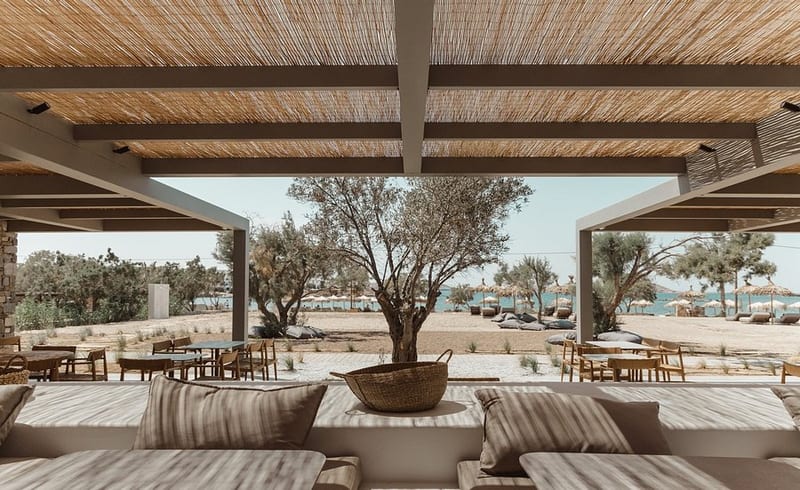
The gastronomic concept of Gikas Xenakis, one of contemporary Greek cuisine's celebrated chefs, set on Agioi Anargyri beach a short walk from Naoussa centre. Modern interpretations of seasonal Greek ingredients in small-plate format; floor-to-ceiling glass framing the sunset. Limited tables and an intimate room – book early, and dress for the occasion. The wine list pairs Greek varietals with the menu.
Athens (Rafina)
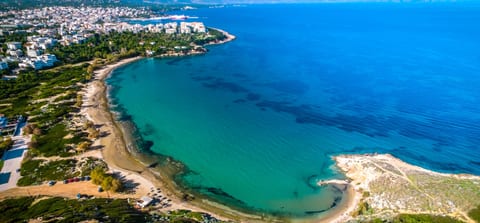
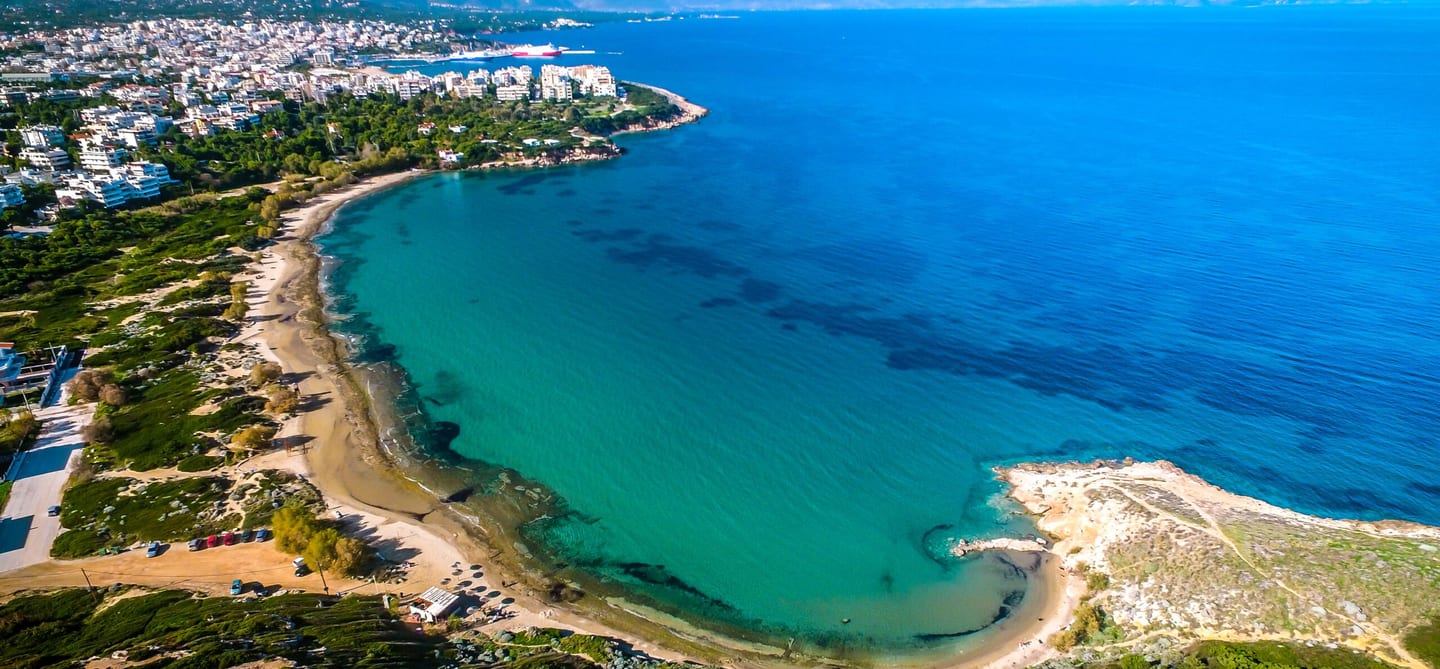
Day 10 · 1 nightIf you are heading to or from the islands serviced by Rafina Port, this is a nice place to spend a night or two, especially if it’s your last night in Greece before heading to the airport and your flight home. The airport is only 10 minutes away by car so it’s a great place to spend one last night by the sea, reflecting on your amazing trip ( and planning the next one).

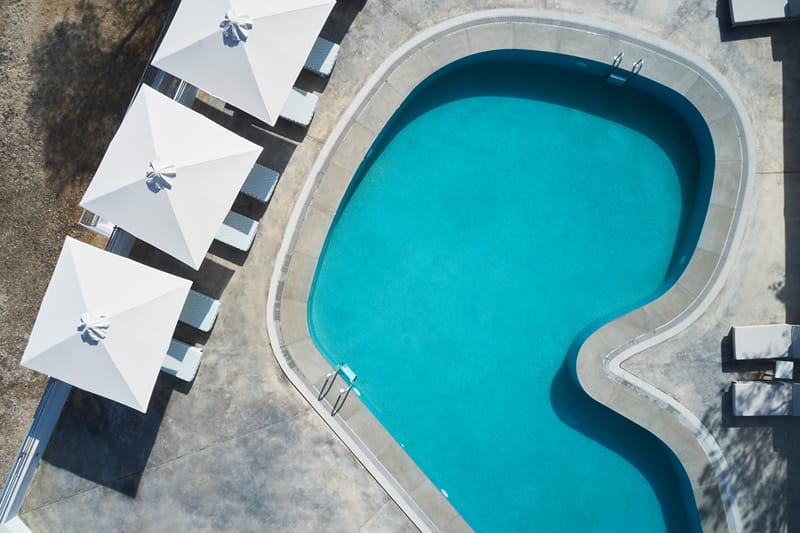
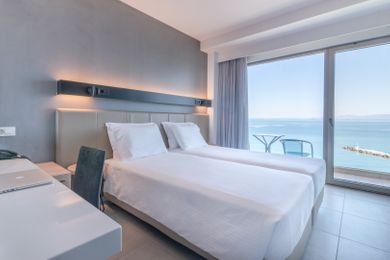
NLH Mati Seafront Hotel
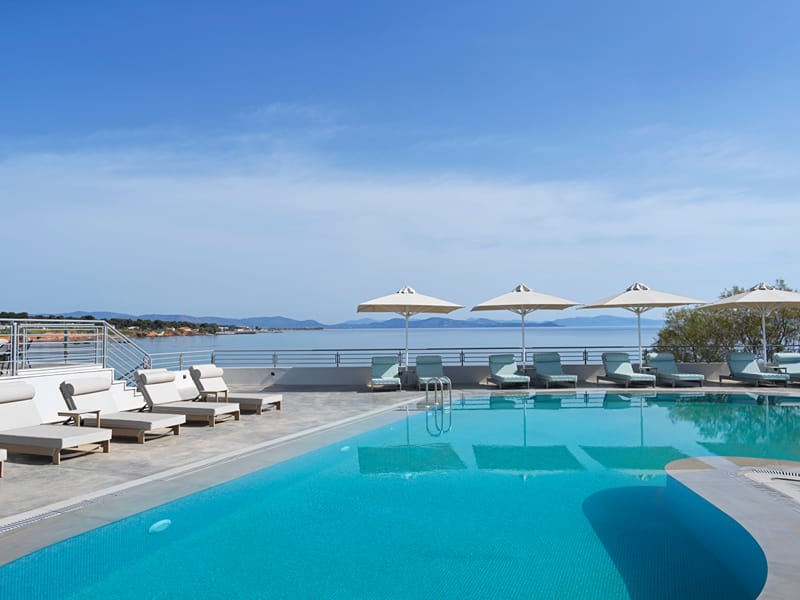
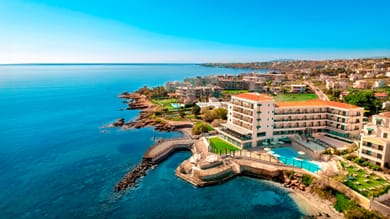
On the sea at Mati, 3 km up the coast from Rafina port – a seafront pool, sea-view rooms and a short drive to the airport for the flight home.
9.0 Alternative places to stay
Athens (Rafina)Day 1
Rafina Beach, the Harbor & Seirines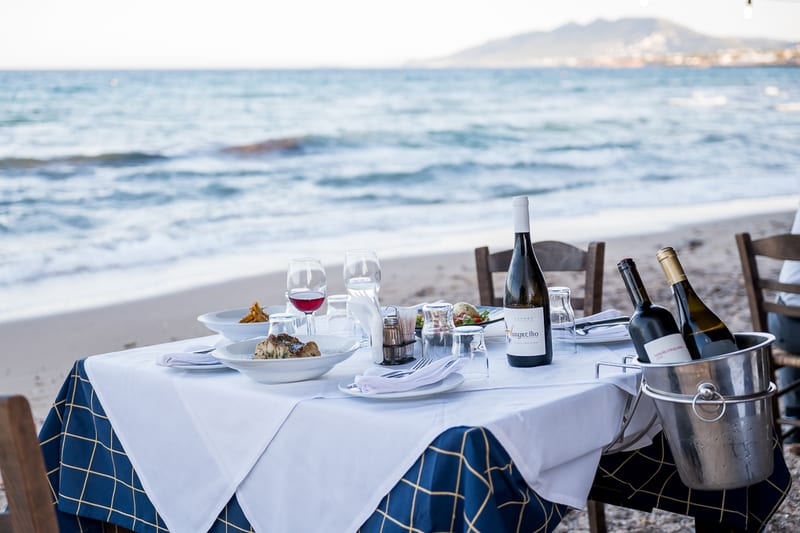
Arhontikon
There are a number of excellent tavernas around the bay – we love Arhontikon especially. A big, buzzing meze house on the Artemida seafront (Loutsa to locals), ten minutes' drive south of Rafina, it's an easy first stop off a flight or a ferry: tables right on the sand, grilled octopus and fried small fish, mussels, fritto misto, seafood pasta and a grill for meat-eaters. It's open from morning until late, seven days a week – ask for a table at the water's edge, and book ahead at weekends.
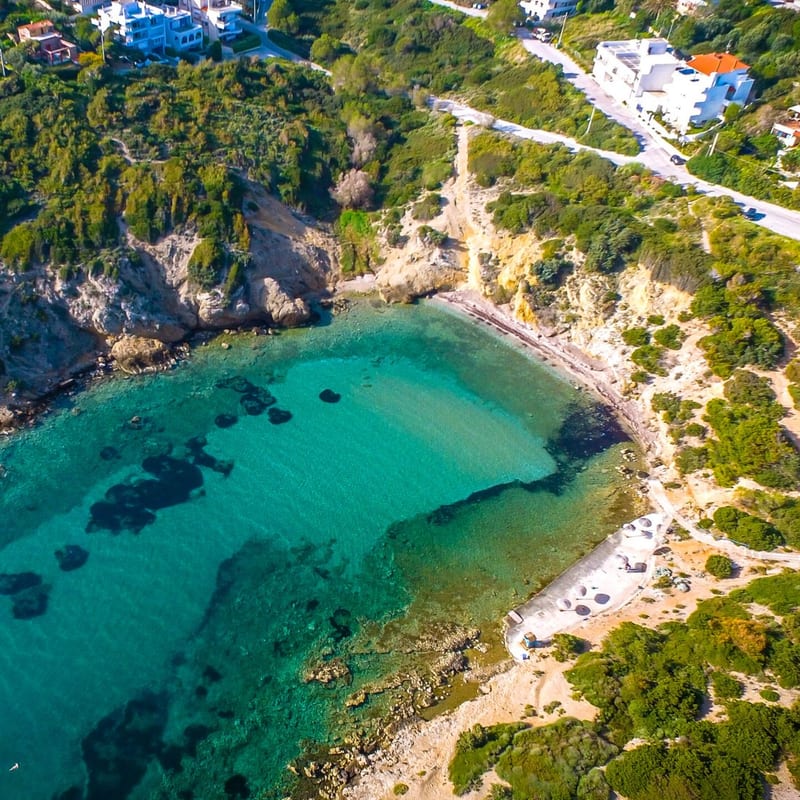
Rafina Beach
Rafina's town beach is a long curve of sand a few minutes' walk from the center, with Mount Penteli behind and the island ferries sliding past offshore. It's the easy swim at the end of a trip: most of it is open, free sand, one stretch is set with a beach bar's loungers (yours with a drink order), and there's a lifeguard tower in season. The coast faces east and takes the wind, so when the summer meltemi blows the water turns choppy and the windsurfers take over; on still mornings it's clear and shallow at the edge.
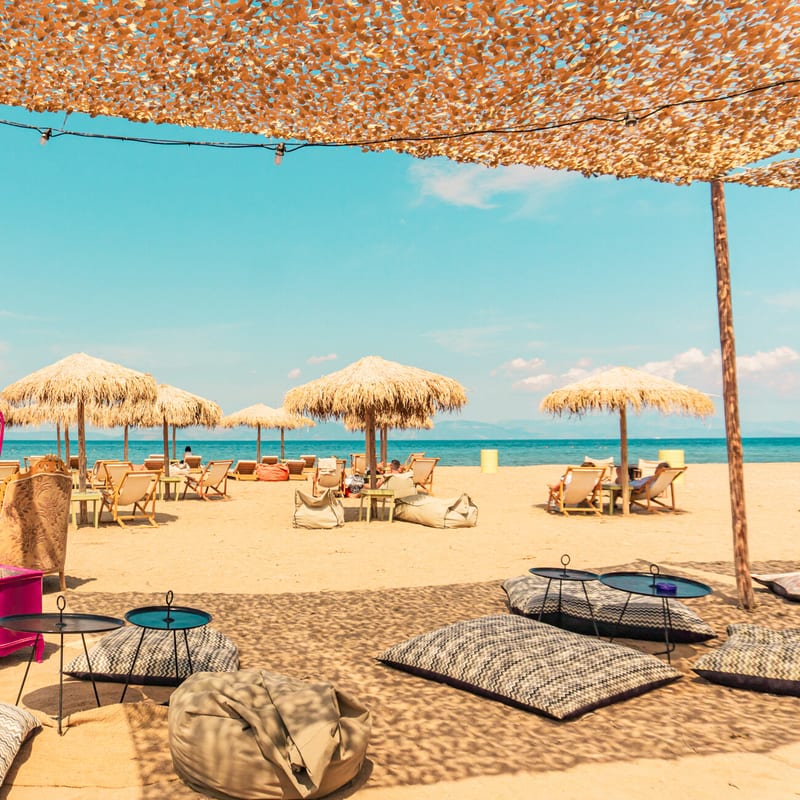
Kraken Beach Bar
You can also head down to Rafina Beach and Kraken Beach bar – an all-day beach bar right on the sand, with straw umbrellas, shade sails and cocktails into the night. Beach food with a Mediterranean twist (and proper vegan options) comes out all day, the cocktails are made by hand, and ordering something gets you a lounger for the afternoon. When the wind is up there's surfing, skimboarding and beach volley, and dogs are welcome. It's a summer place, so outside the warm months check it's open before you walk down.
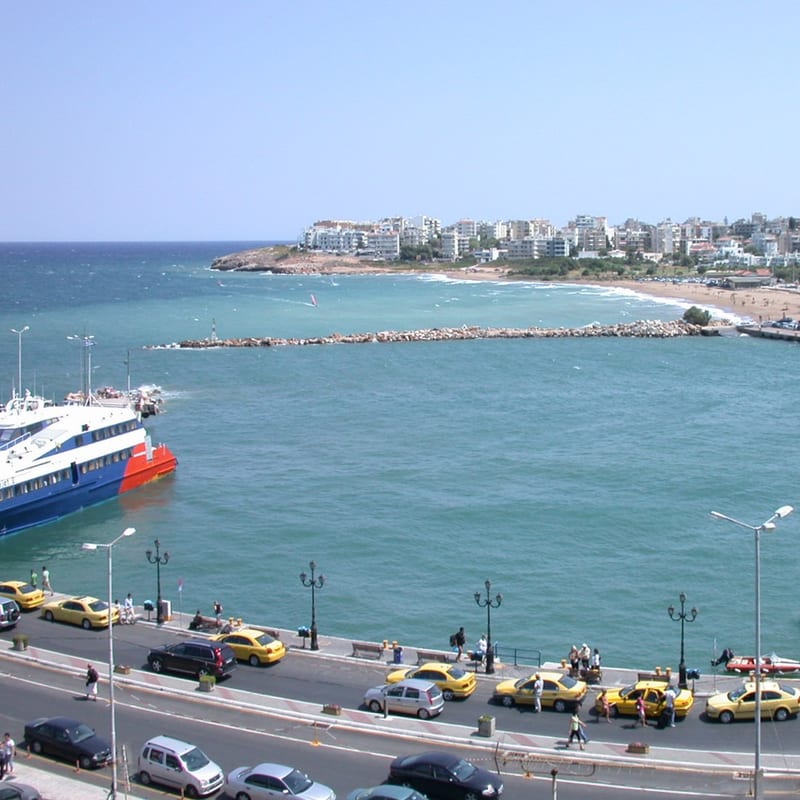
Rafina Harbor
Rafina is a charming seaside fishing village that also services some of the ferries to the Cyclades Islands such as Tinos and Mykonos – and the harbor is where the town gathers. A row of fish tavernas lines the harbor road below the main square, tables facing the fishing boats and the ferry quay; come in the early evening, when the ferries light up and the grills get going. If you're sailing from here, the terminal is compact and far calmer than Piraeus, but allow a good hour before departure.
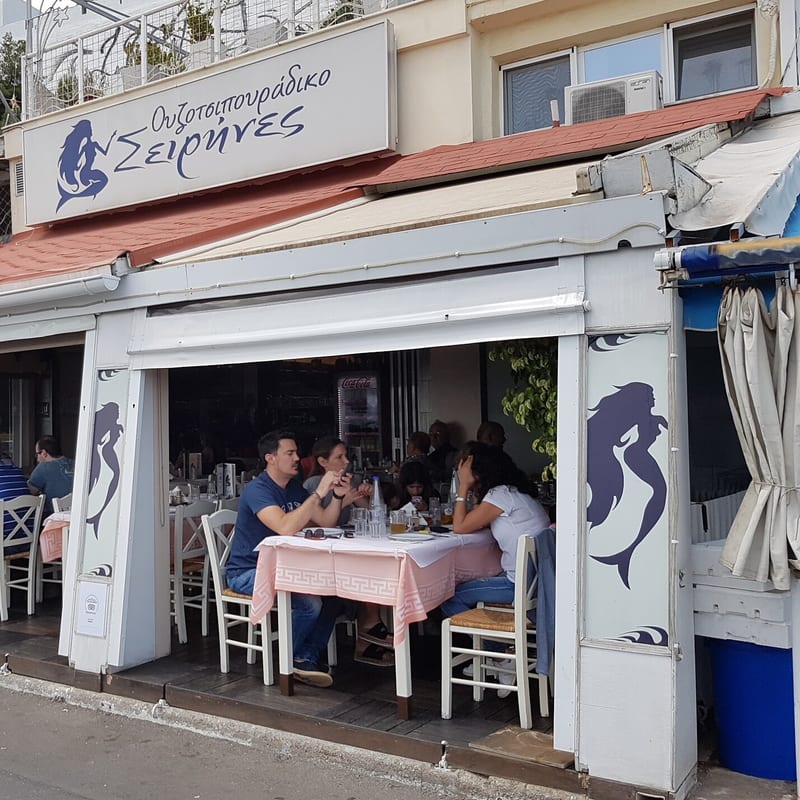
Seirines
It is hard to choose between legendary places like Seirines or Kavouria tou Asimaki, and Palia Rafina and Agoni Grammi are excellent too – these places have some of the freshest, and cheapest, seafood in the Mediterranean. Seirines, the Sirens (hence the mermaids on the sign), is one of the oldest on the harbor front, with a menu that has barely changed in years: ask what fish came in and have it grilled with lemon and oil, then add fava topped with herring and pickled cucumber, seafood fritters, crisp calamari or seafood spaghetti baked in parchment, with ouzo or tsipouro alongside. It's open every day from late morning to midnight, and the other three are a few doors along the same stretch (Agoni Grammi closes on Wednesdays).
Your whole trip in one booking
With WeAreTravelers – a licensed, Athens-based travel agency.
- Zero service fees. Same price as if you organized everything on your own.
- One booking and one payment for the whole trip (instead of separate bookings for each hotel, ferry and flight).
- One local point of contact, who has your back – before you travel, and while you're here.
- Covered by the EU package travel rules. Your payments are protected by law.