 ×Tzatchickie
 12 days in Greece itinerary – Santorini, Folegandros, Sifnos, Athens
 A trip by SophieTzatchickie
12 days in Greece itinerary – Santorini, Folegandros, Sifnos, Athens
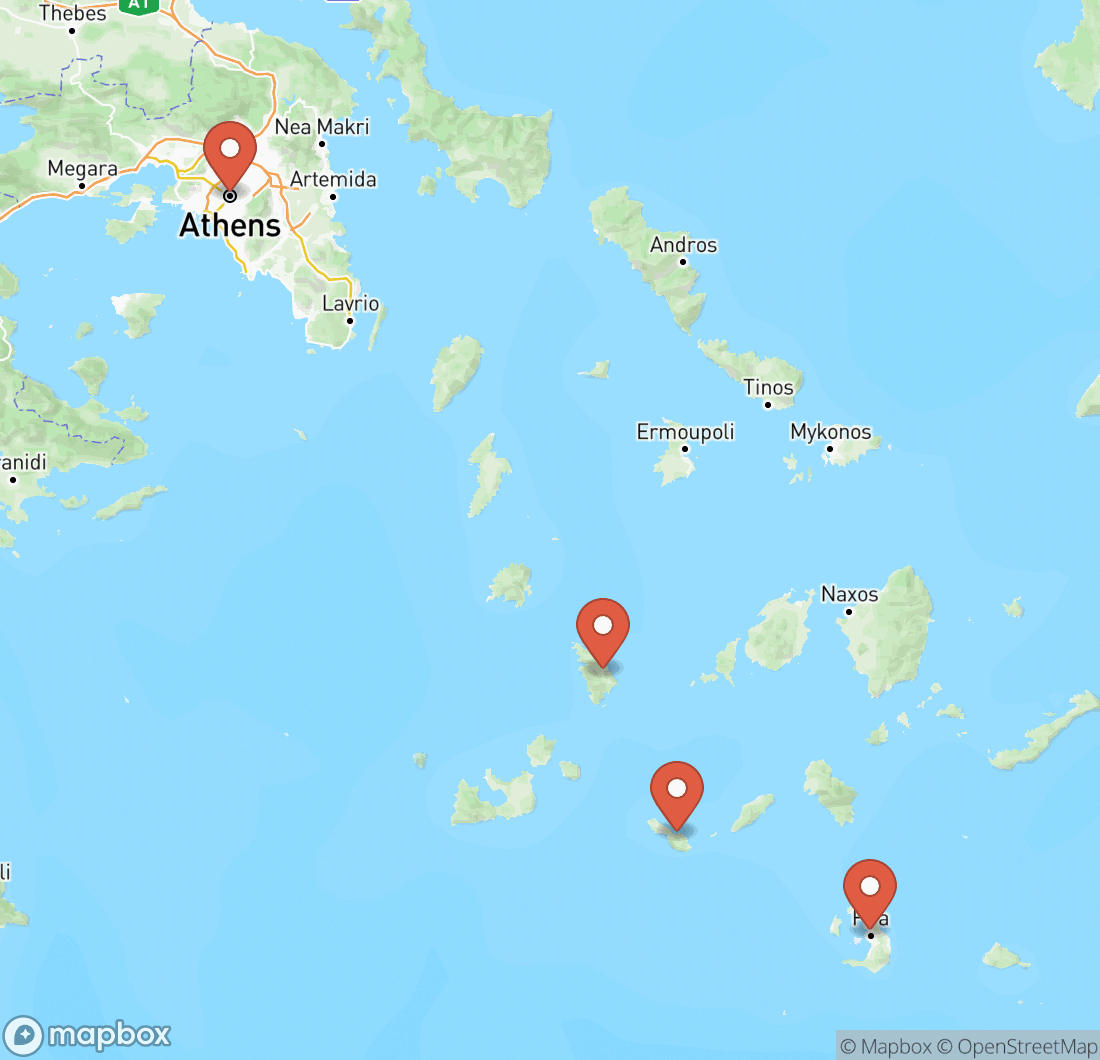
12 days across three islands and the city – domes and calderas in Santorini, hidden coves and a medieval Kastro in Folegandros, slow village days in Sifnos, and the Acropolis to close the trip.
Santorini
Days 1–3 of 12 · 3 nightsThree days on the iconic island – Fira, Imerovigli and Oia, the 10km caldera hike, the volcano cruise, the painted villages of Pyrgos and Megalochori, and a sunset to remember.
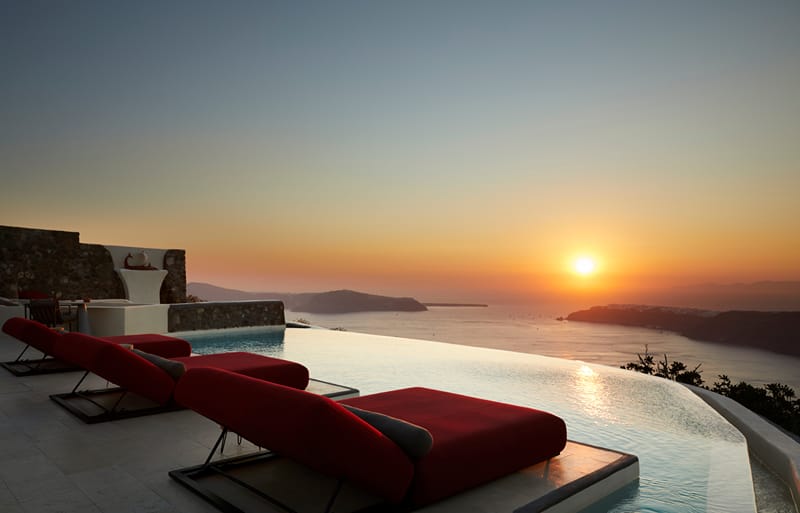
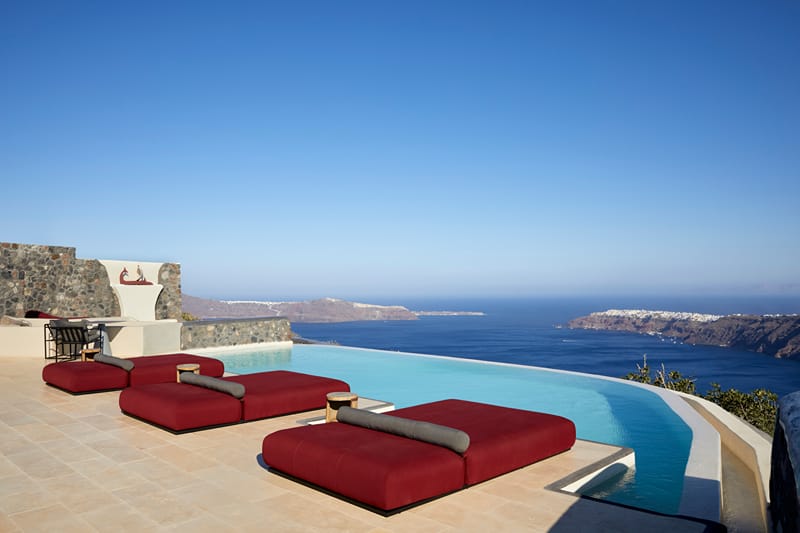
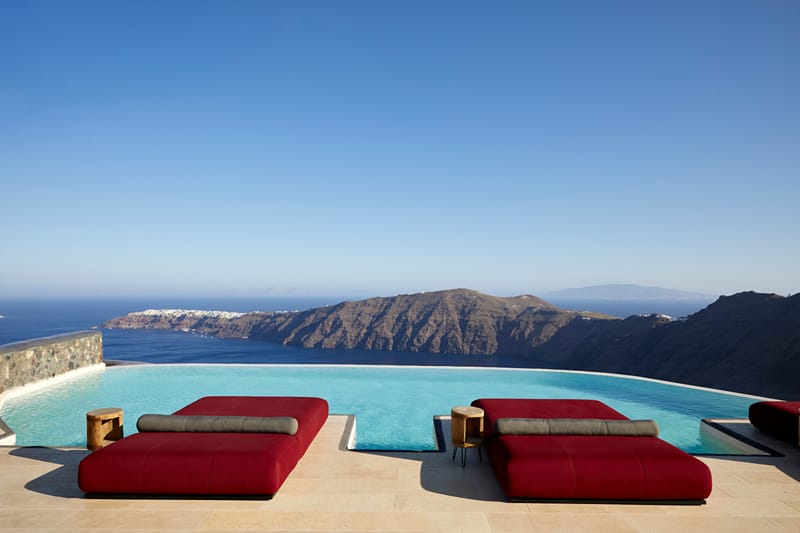
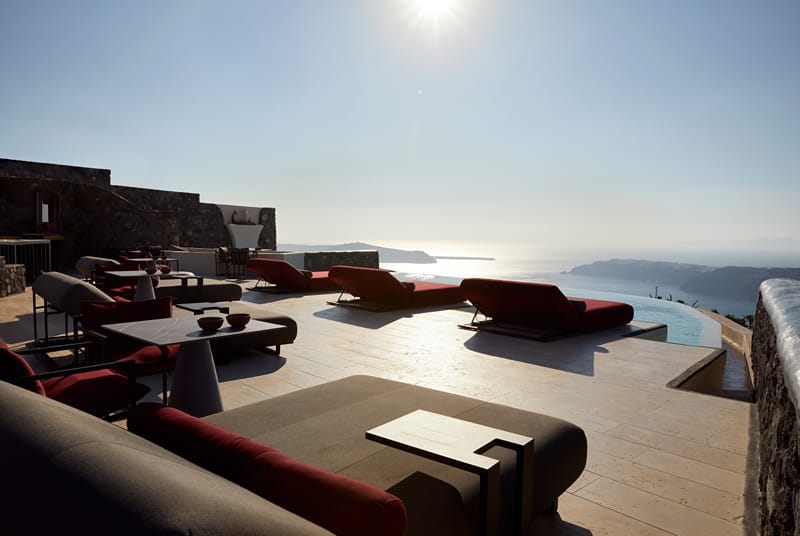
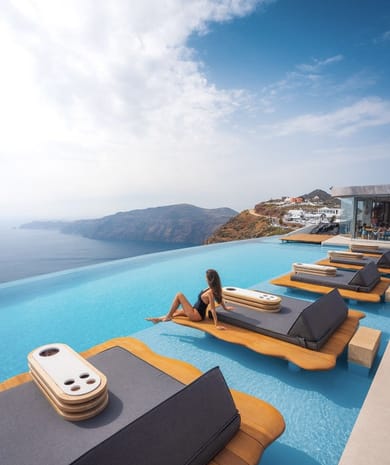
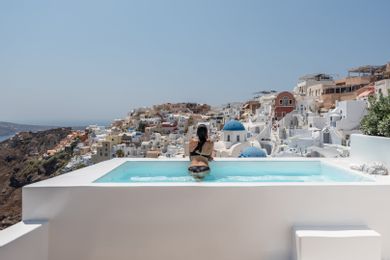
White Pearl Cavalieri Santorini Imerovigli
Restored wine canavas on the caldera rim in Imerovigli, turned into suites.
 9.8
9.8 Alternative places to stay
SantoriniDay 1
The caldera walk & Oia sunset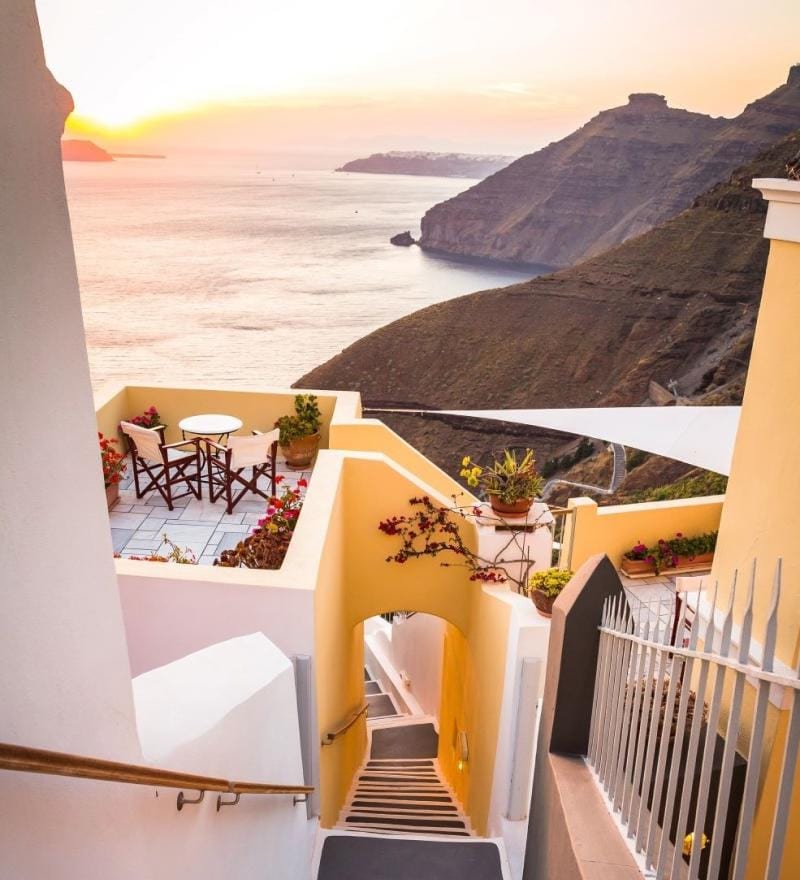
Fira
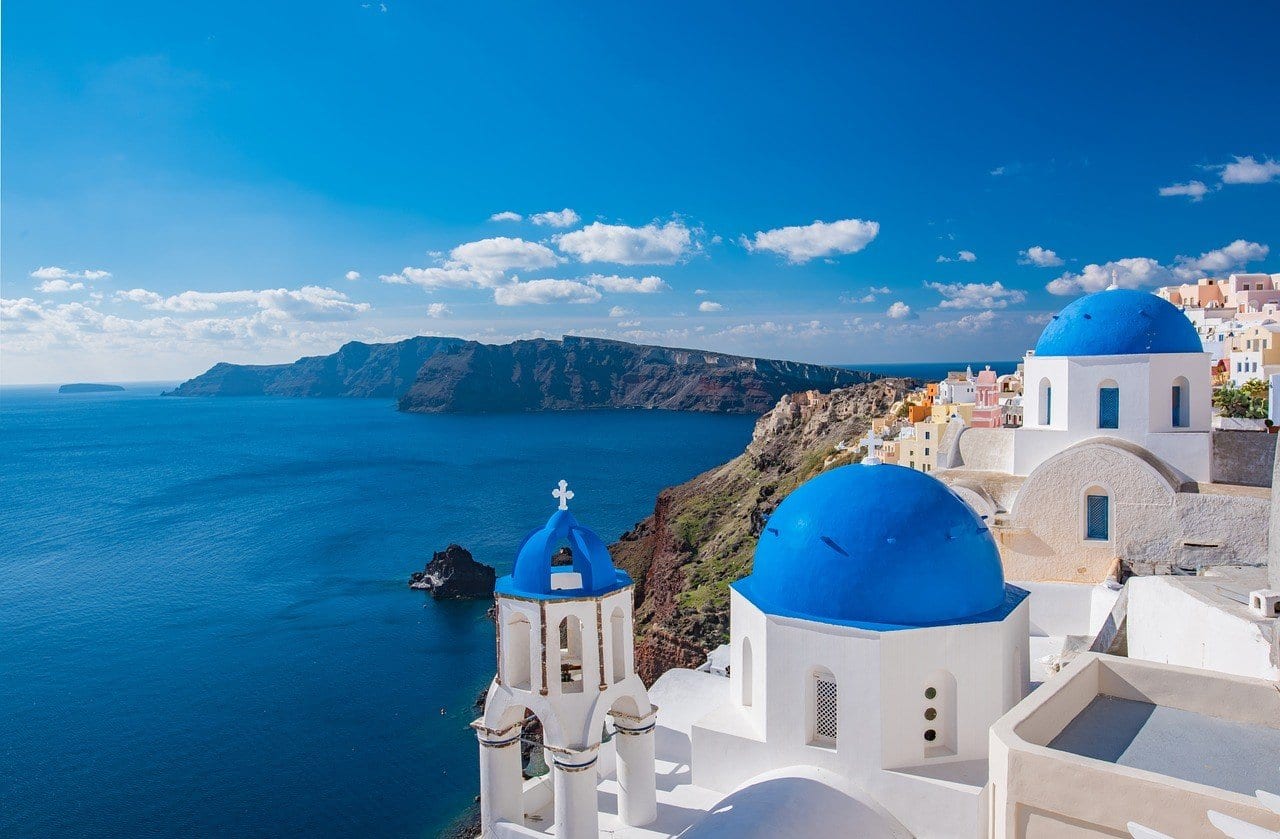
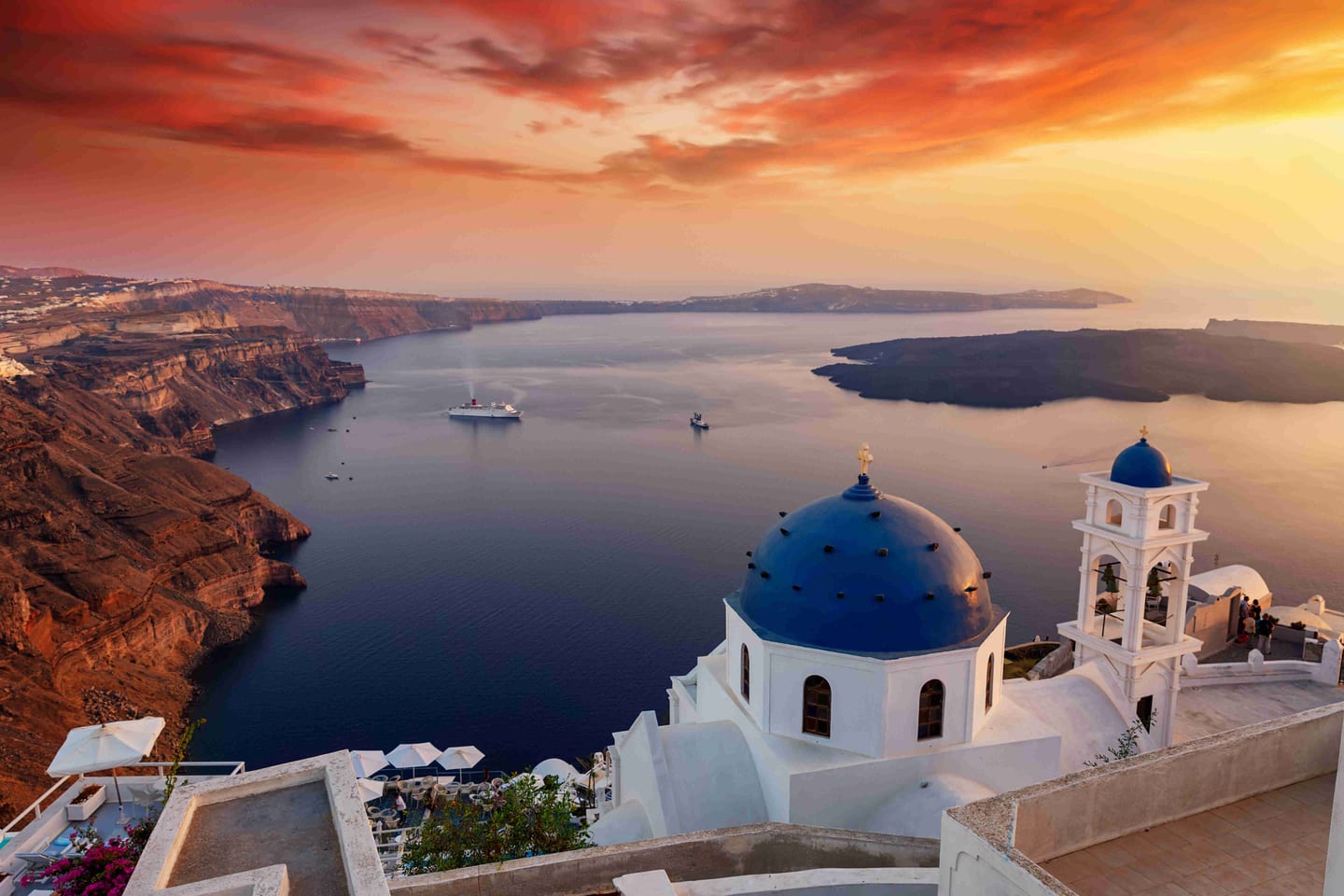
Fira is the capital town of Santorini and one of the most enchanting ones in Greece, built on an impressive location on top of steep cliffs. It was founded in the late 18th century, and has been built in the traditional Cycladic architectural style. A tour in Fira is a unique experience: picturesque neighbourhoods, snow-white houses, churches with light blue domes, busy alleys lined with shops, cafeterias and restaurants, offering - almost all of them - a breathtaking view of the caldera. Firostefani village is on the town's highest level, offering the visitor a truly breathtaking sunset view.
Imerovigli
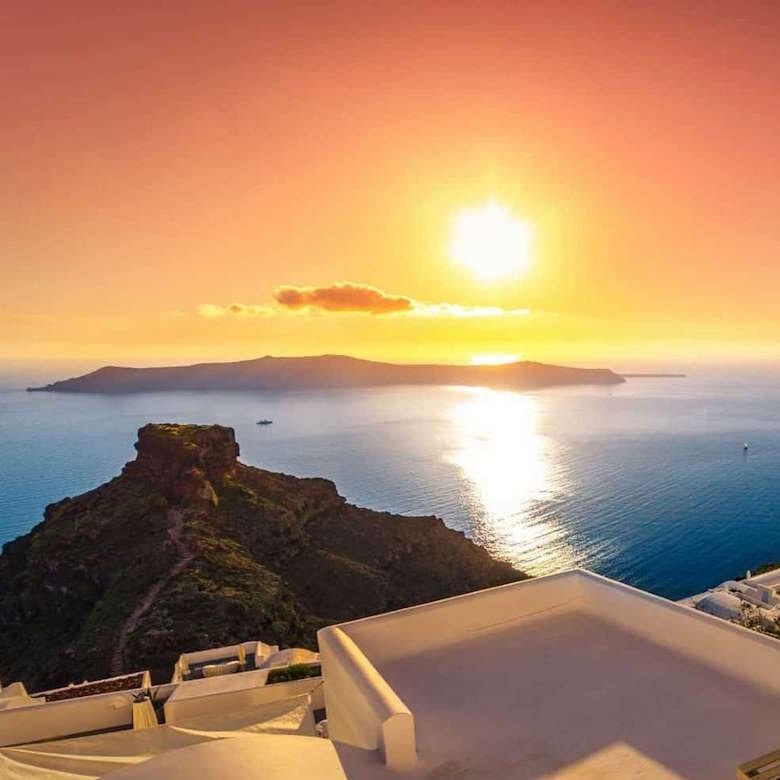
The highest village on the caldera rim – quieter than Fira, less posed than Oia, and arguably the best sunset spot on Santorini. Whitewashed houses cling to the cliff edge, the iconic Skaros Rock juts out below, and the path to it (about 30 minutes return) is one of the most photogenic walks on the island. Stay or eat here for a calmer night.
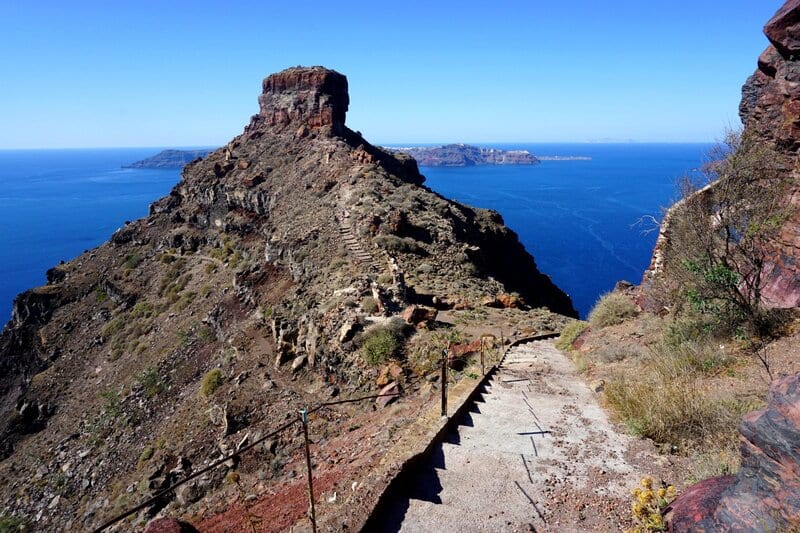
The Caldera Walk
Three kilometers along the volcanic rim – one of Europe's great walks. Fira through Firostefani to Imerovigli.
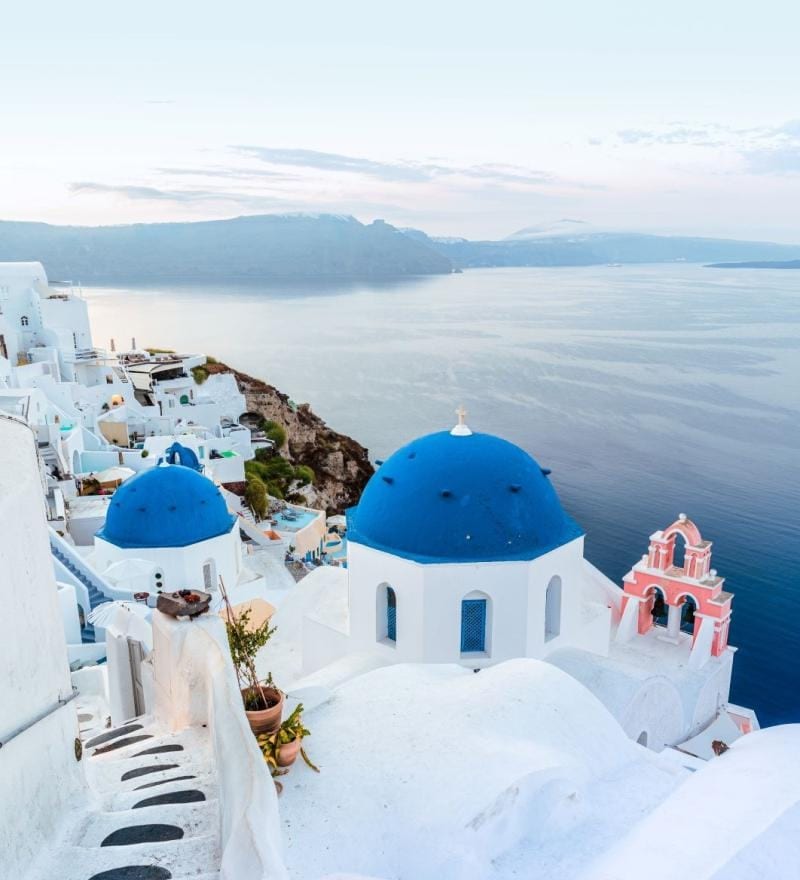
Oia
World’s most iconic sunset on this cliffside village of astounding beauty. Narrow alleys wind their way through whitewashed buildings adorned with blue-domed churches and vibrant bougainvillea, while the island’s caldera and the azure sea, stretching out as far as the eye can see, offer a dramatic backdrop to the scene. Visitors can explore the village's charming streets, lined with boutiques and cafes, and soak in the laid-back atmosphere. Oia was the first village in Greece to become a heritage site as its greatest part has been built below ground level partly hewn within the rock. As the sun sets, the sky transforms into a riot of colors, making for an unforgettable experience that will stay with visitors long after they've left this magical place.
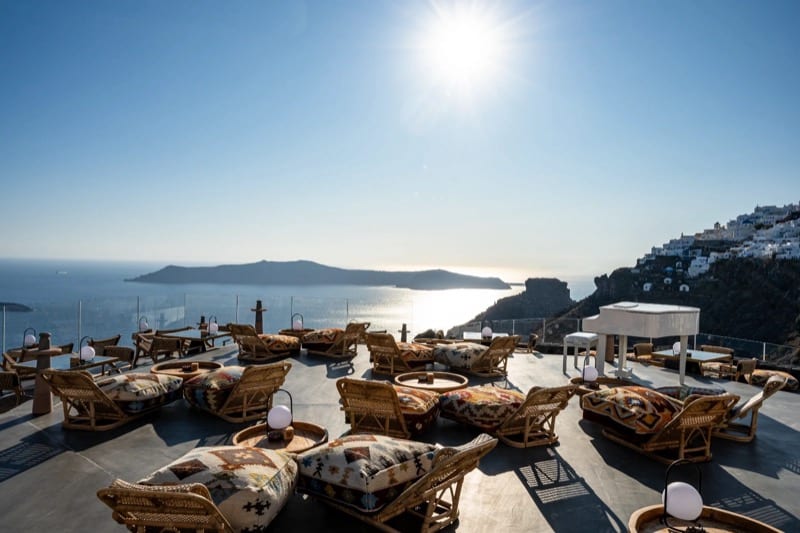
180° Sunset Bar
Built into the wall of an old Venetian castle on the caldera edge of Oia, with cocktails in your hand and the most famous sunset in the world a metre away. Yes, it's touristy. Yes, it's overpriced. And yes, when you're sitting there with the entire caldera blazing orange, none of that matters.
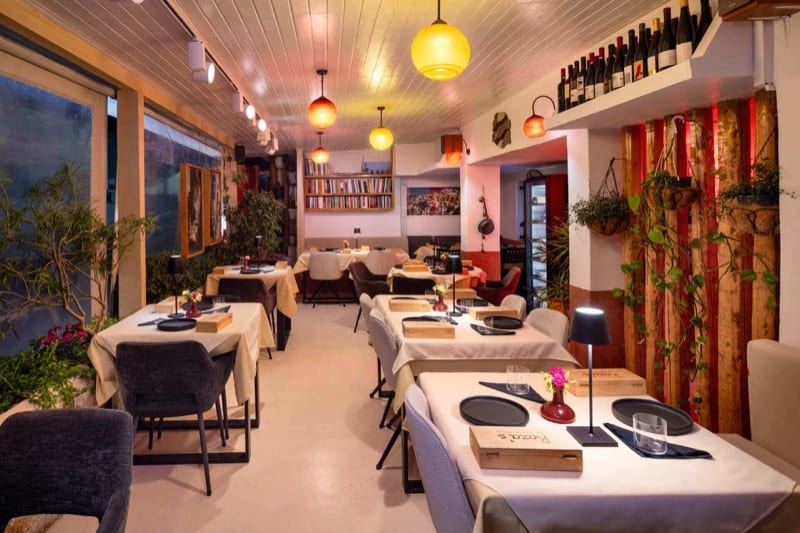
Rozas
A modern Greek restaurant in Imerovigli with a rare combination on Santorini – actually excellent food and not on a clifftop terrace. The chef sources Cycladic ingredients (sun-dried tomatoes from the island, fava from Santorini, fish from local boats) and presents them simply. Reservations essential in summer.
SantoriniDay 2
Akrotiri & Ancient Thera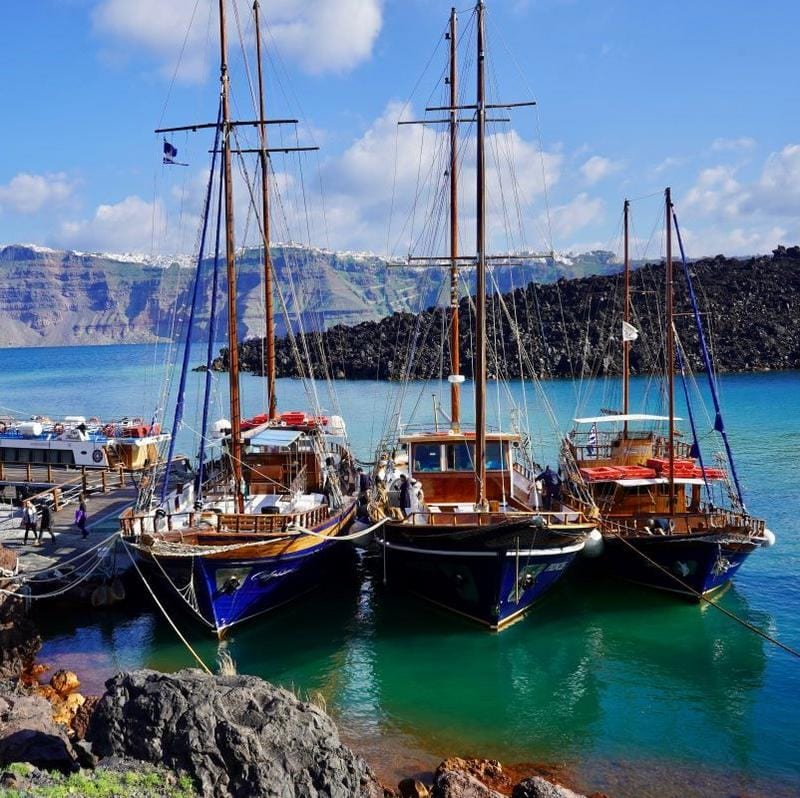
Santorini Caldera Cruise
A classic – Red Beach, White Beach, Hot Springs in Palia Kameni, Nea Kameni, swimming, snorkeling, volcanic bath (optional) and a greek meal with beer and wine included on this cruise on a modern catamaran yacht. Capture stunning panoramas of picturesque Santorini and its volcanic lagoon. Transfer from and to your hotel / vacation rental, as well as snorkeling equipment, also included. We will provide full details, and proceed to reservations if you wish, following your booking.
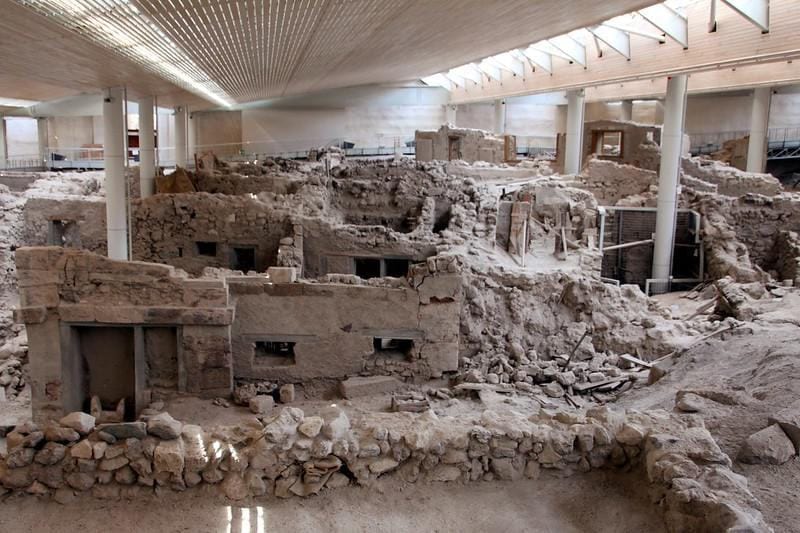
Ancient Akrotiri
Close by picturesque village Akrotiri, you can visit one of Greece's most important archaeological sites, a Prehistoric settlement that was discovered buried under the ashes of the volcano. It was first inhabited in the Late Neolithic Period and prospered during the Bronze Age. Its architecture shares many common elements with that of the Minoan cities. Observe the multi-storeyed houses, stone-paved streets and squares, the sewerage network and murals.
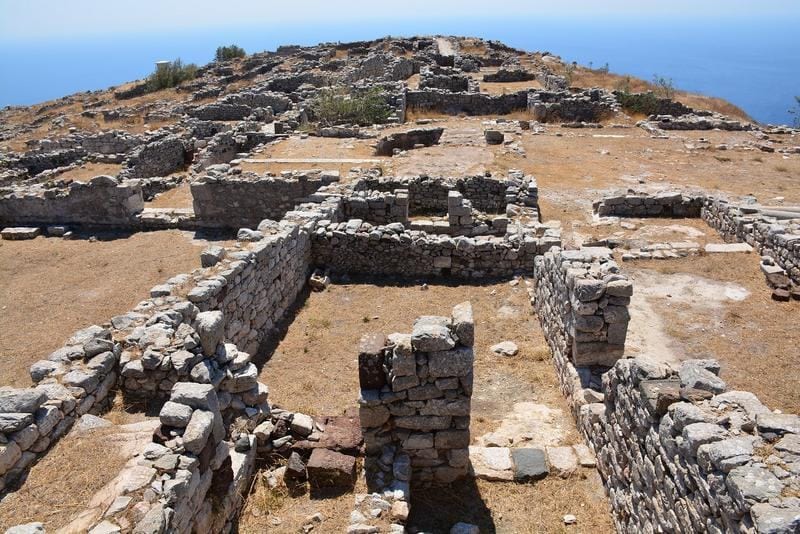
Ancient Thera
It was founded during the 9th century B.C. by Dorian colonists and has remained populated until the end of the Early Byzantine period. The archaeological site includes housing units, market places, thermae, theatres, sanctuaries, graves relating to various periods of time and Early Christian remains.
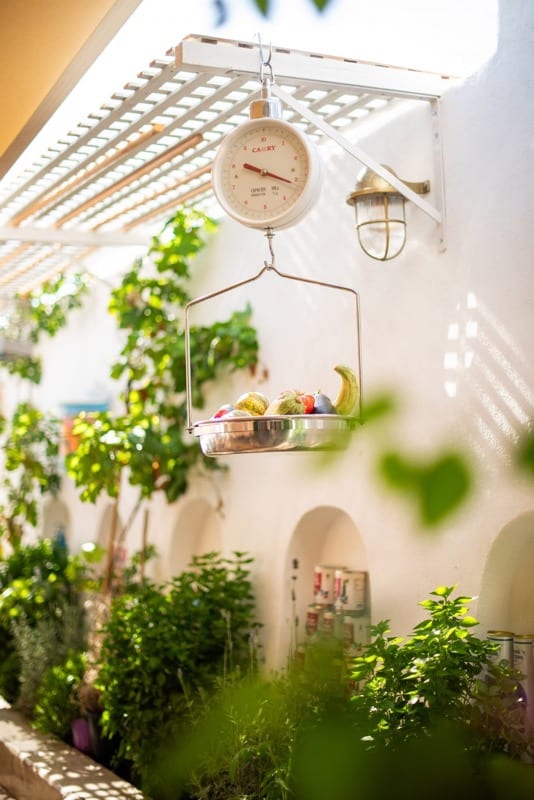
Santorinia
A caldera-view restaurant with a more honest kitchen than most of its neighbours – Cycladic dishes, a strong local wine list, and the full sunset show every evening. Book a table on the edge for sunset and arrive about an hour before to enjoy the light. One of the better food-with-a-view options on the island.
SantoriniDay 3
Pyrgos, Red Beach & the south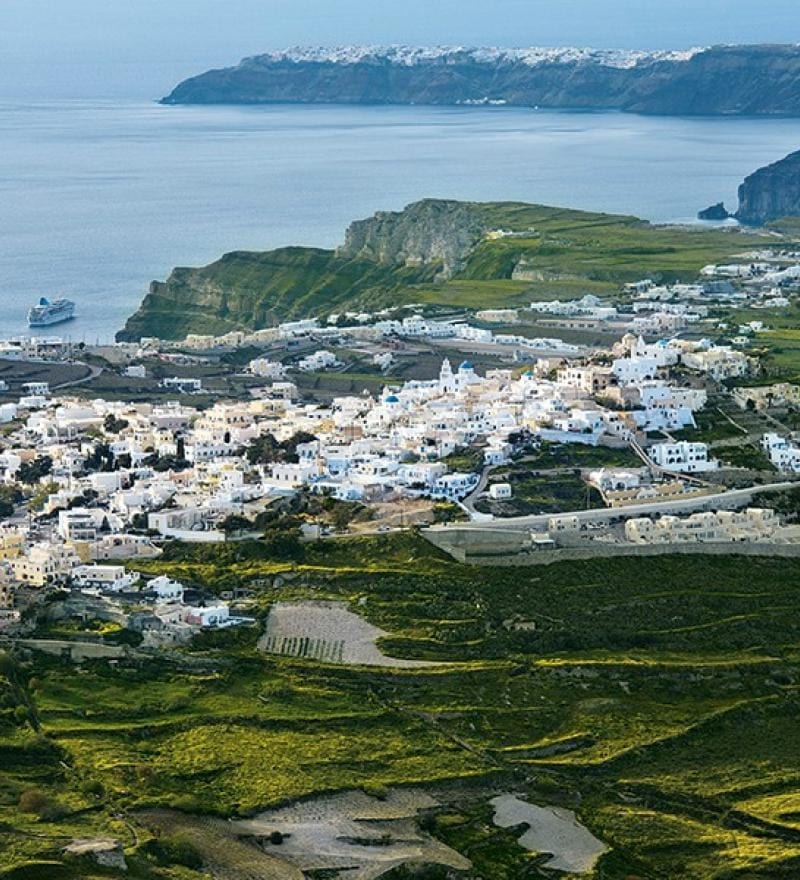
Pyrgos
Pyrgos is a big village, with many mediaeval houses and noteworthy churches offering an excellent view of the island
Megalochori
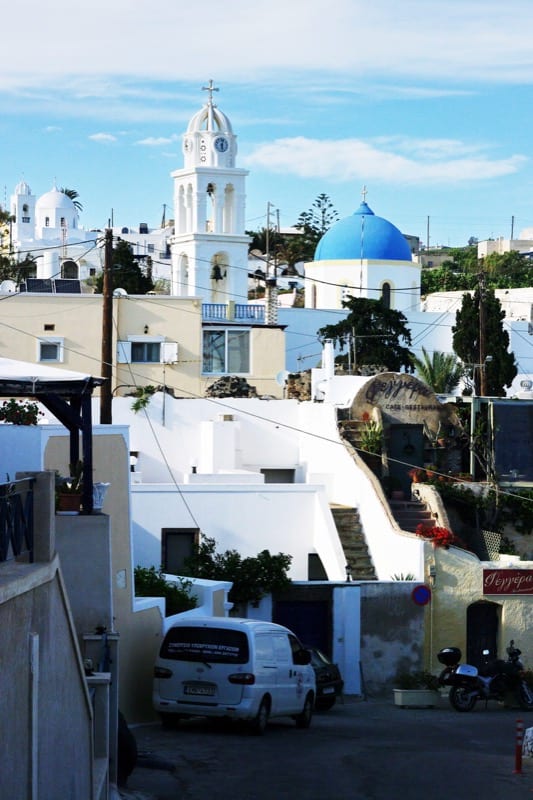
A traditional inland village with vine-shaded squares, neoclassical mansions, and almost none of the cruise-ship traffic of the caldera. The neighbouring wineries (Boutari, Gavalas, Hatzidakis) make Megalochori a natural lunch and tasting stop. A welcome breath of "old Santorini" between the postcard villages.
Red Beach
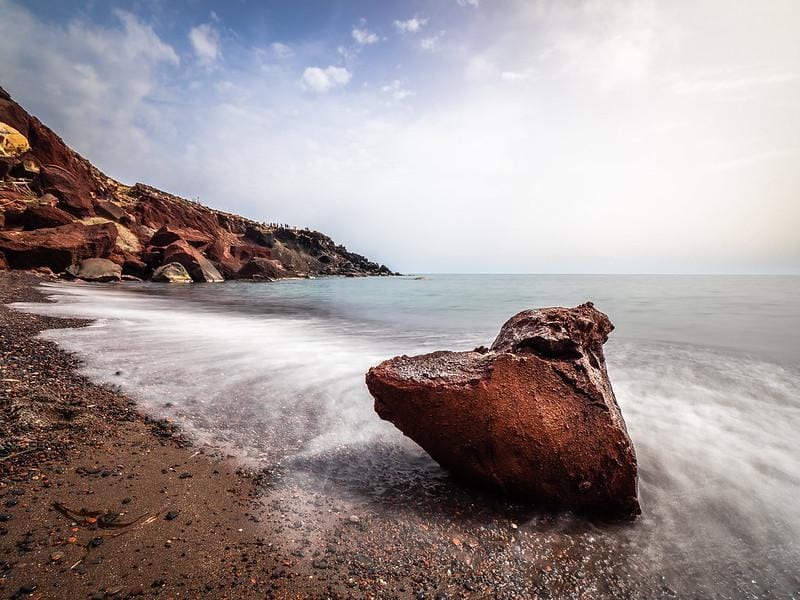
A huge attraction of the island and arguably the most famous beach lies on the southernmost part of Santorini. It is located in Akrotiri village, 12 kilometers south west of Fira. Red Beach is without a doubt worth a visit considering that it is a rare sight, probably unique in the whole world, where red is the dominant color. It is enclosed by steep red hills that create a captivating, wild scenery. If you stand on the top you will set eyes on enormous volcanic rocks situated in the sea, small pebbles and sand of various colors, mainly red, all along the beach and appealing dark blue waters. To reach the beach you have to walk a couple of minutes on a downhill path or you can access it by boat from Akrotiri port, Kamari or Perissa. The beach is semi-organized with white sunbeds and umbrellas. There are no facilities (make sure you provide yourself with the necessary supplies from the two canteens you can find right before the beginning of the path) or water sports on this small beach but you can take pleasure in snorkeling as there are interesting rock formations and rich marine life.
White Beach
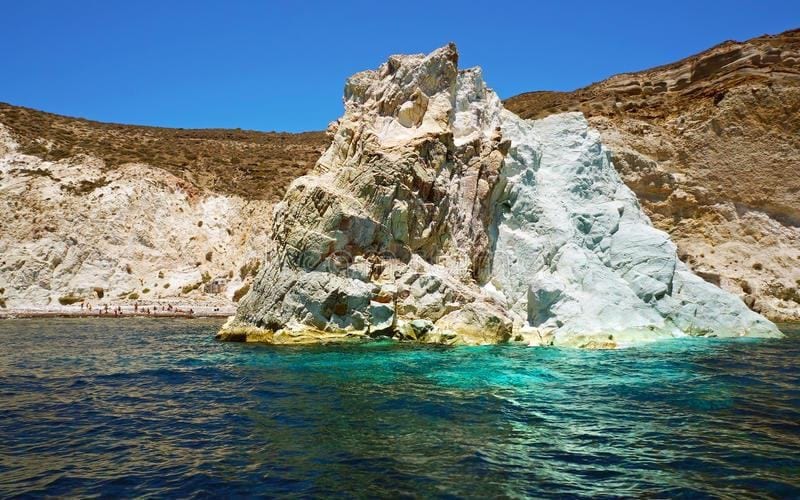
A small, dramatic beach on the south coast, accessible only by boat from Akrotiri or via a steep path from Red Beach. Sheer white-pumice cliffs above, dark pebbles below, and no facilities – bring everything you need. Less famous than Red Beach but, for many, more striking.
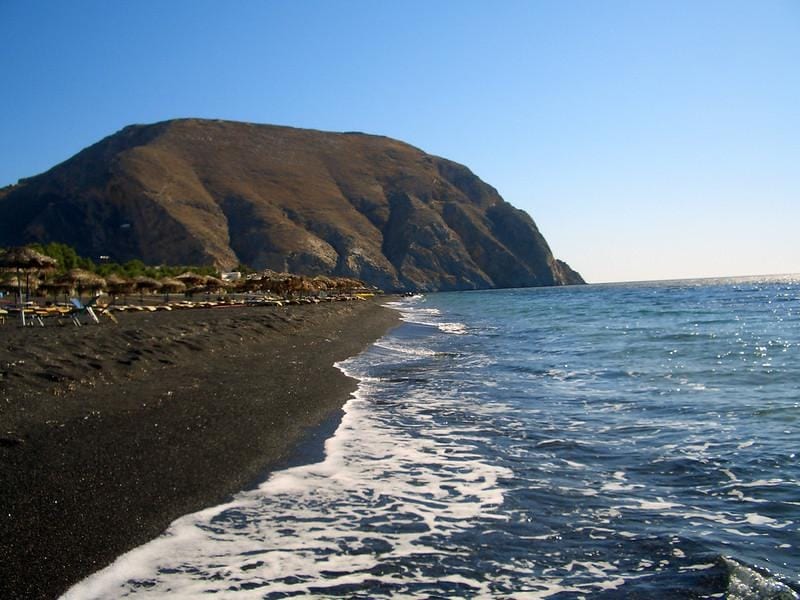
Perissa beach
The beautiful Perissa Beach lies at the base of Mesa Vouno Mountain that separates Perissa from Kamari and on its top you can admire the eminent archaeological site of ancient Thera and a superb view. The scenery that the black lava sand along with the sandy sea bottom and the dark blue, crystal clear waters compose is impressive. It is one of the longest and most famous beaches in Santorini, a characteristic sight of the volcanic island. It is a fully organized, cosmopolitan beach with an abundance of comfy lounging chairs, umbrellas and other amenities, like lifeguards, showers and a playground.
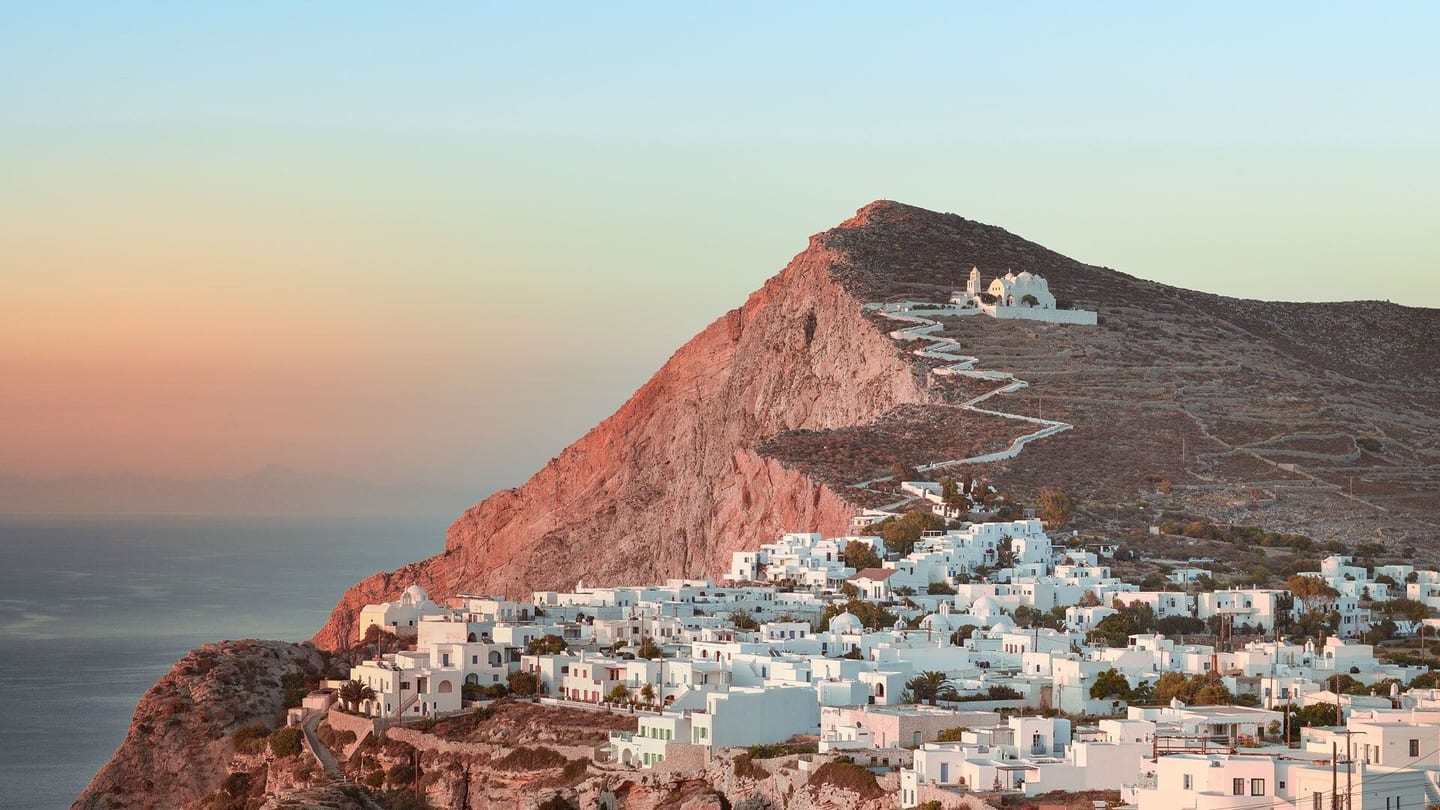
Folegandros
Days 4–6 of 12 · 3 nightsThree days on quiet Folegandros – Agali's coves, the medieval Kastro, sunset at the Church of Panagia, and a full-day boat to the hidden beaches around the island.
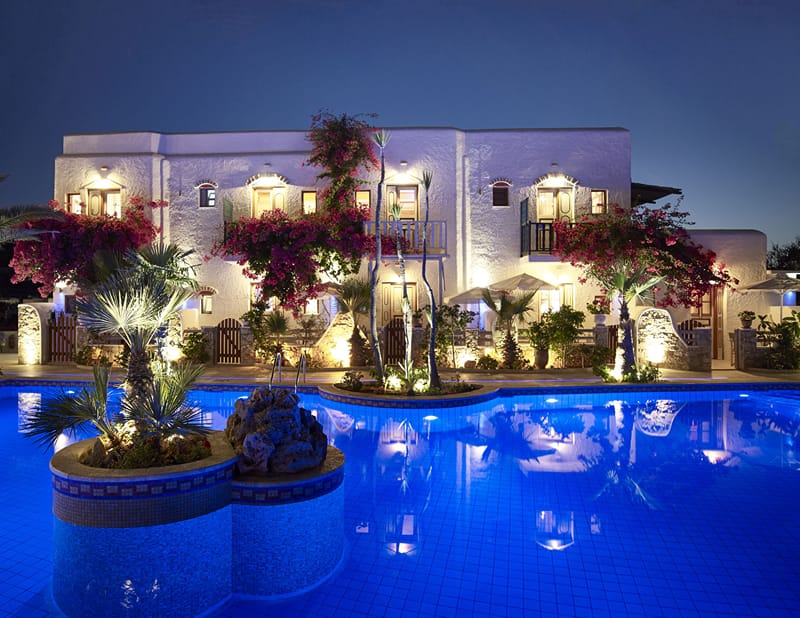
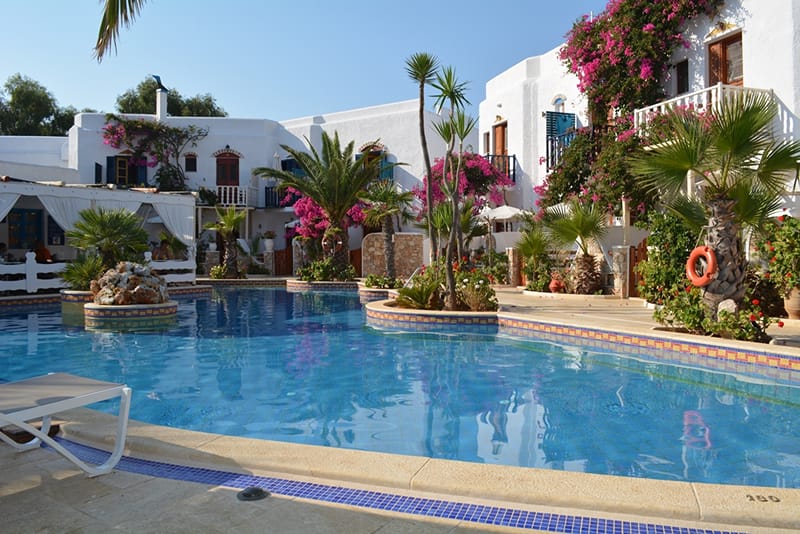
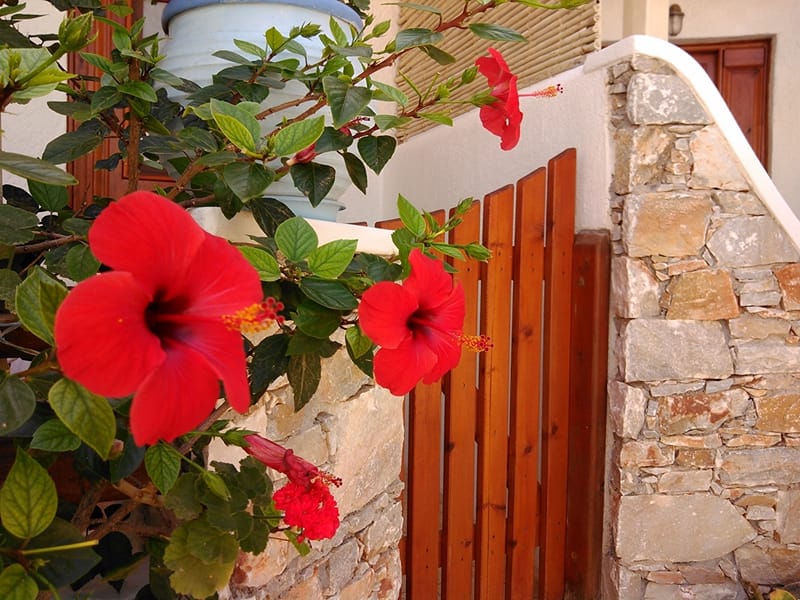
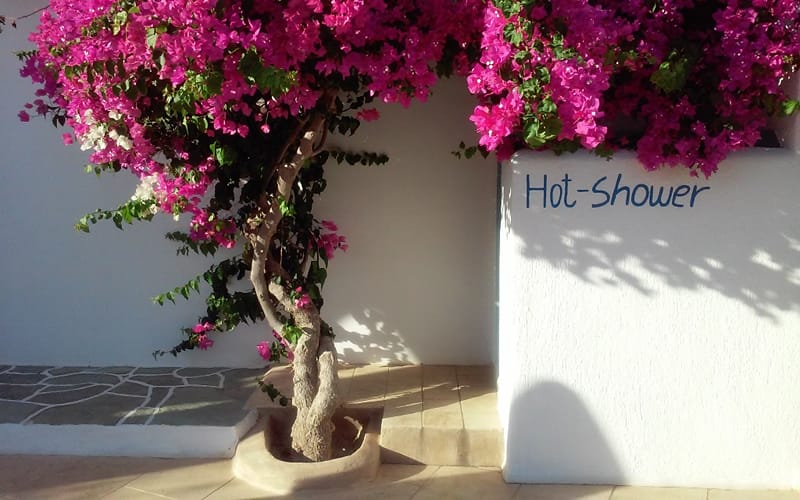
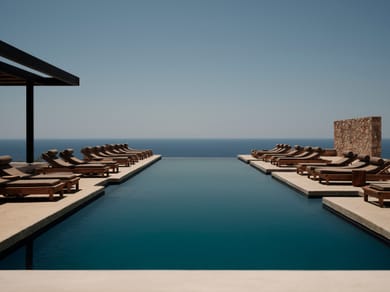
Polikandia Hotel Folegandros
Family-run rooms sixty metres from the lanes of Chora.
9.8 Alternative places to stay
FolegandrosDay 1
Agali beach & Pounta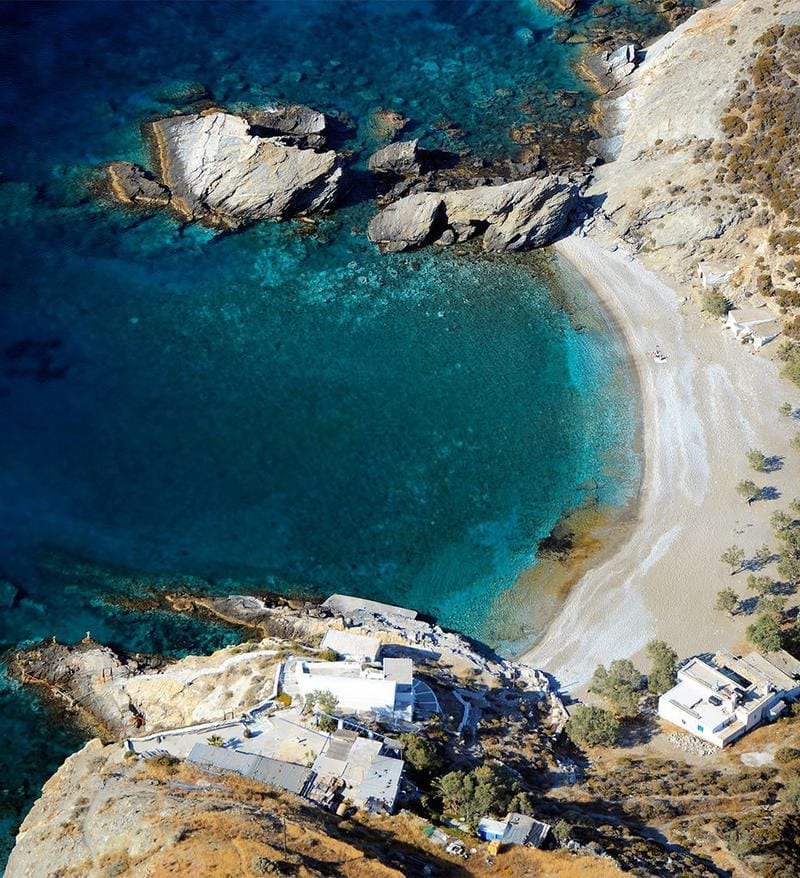
Agali Beach
The most accessible and popular beach of Folegandros, set in a sheltered bay with fine pebbles and emerald waters. A small cluster of tavernas and a beach bar line the shore. You can walk here from Chora in about 20 minutes via a scenic downhill path, or take the bus. From here, water taxis connect to the nearby beaches of Galifos and Agios Nikolaos.
Pounta
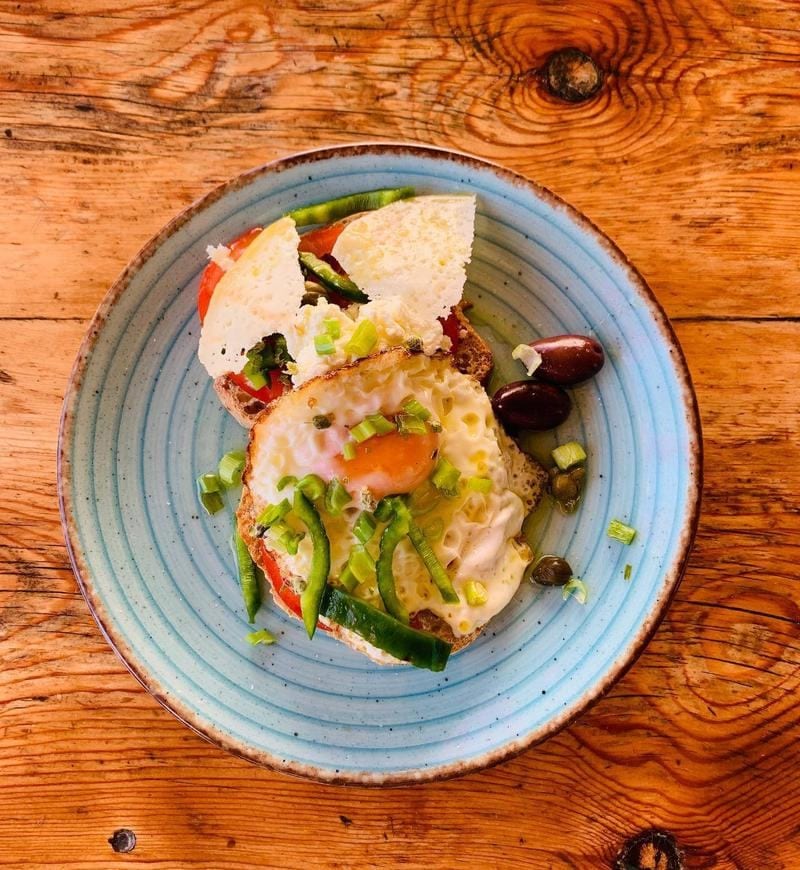
Set right on Chora's main square under a massive bougainvillea canopy, Pounta is the social heart of Folegandros. Traditional Greek dishes with a modern twist – excellent grilled octopus, local cheese pies, and fresh fish. The sunset light filtering through the square makes this the most atmospheric dinner spot on the island.
FolegandrosDay 2
Chora & the Panagia church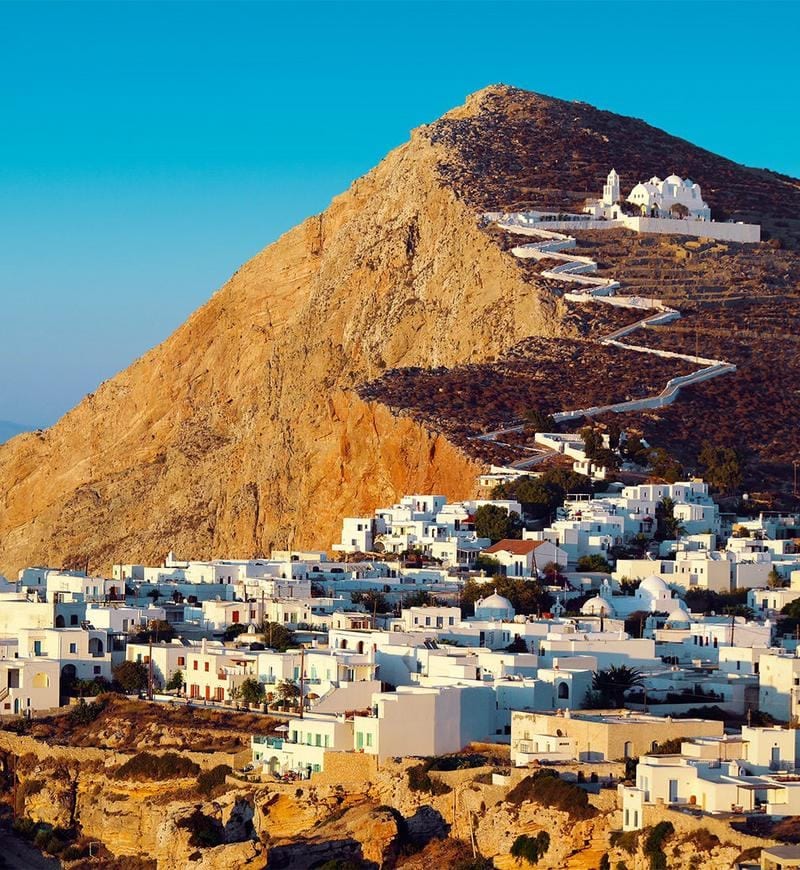
Chora
The main village of Folegandros is a stunning example of Cycladic architecture perched on a cliff edge 200m above the sea. Whitewashed houses with blue shutters line a series of interconnected squares shaded by bougainvillea. The central Pounta square is the heart of island life – perfect for a morning coffee or evening ouzo.
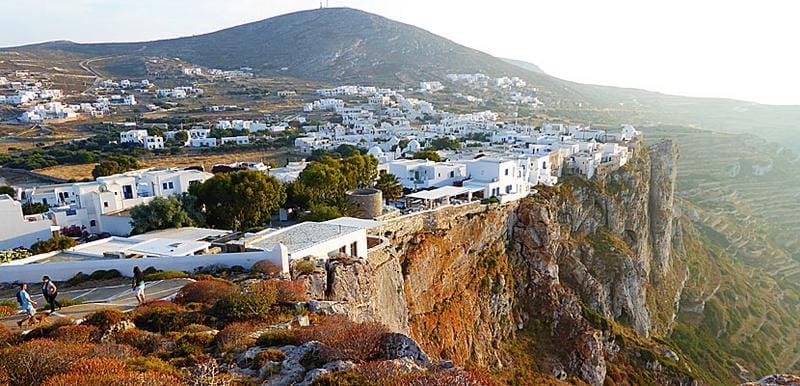
Kastro
The medieval fortified quarter of Chora, built in the 13th century by the Venetian Duke Marco Sanudo. Houses form a continuous outer wall with their back sides – a clever defense against pirates. Wander its narrow alleys barely wide enough for two people, wooden balconies draped with flowers overhead. One of the best-preserved medieval settlements in the Cyclades.
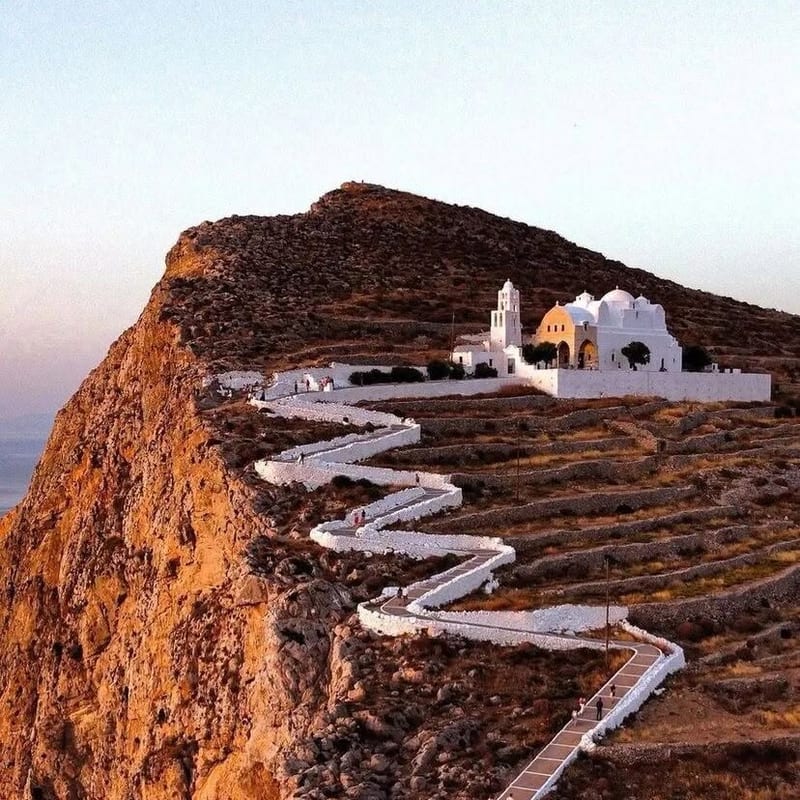
Church of Panagia
The iconic Church of the Virgin Mary sits dramatically atop a steep hill above Chora, reached by a zigzag path of whitewashed steps. The views from the top are breathtaking – the entire island, the surrounding sea, and neighboring islands spread out below. Come at sunset for an unforgettable experience. The church itself dates to 1687.
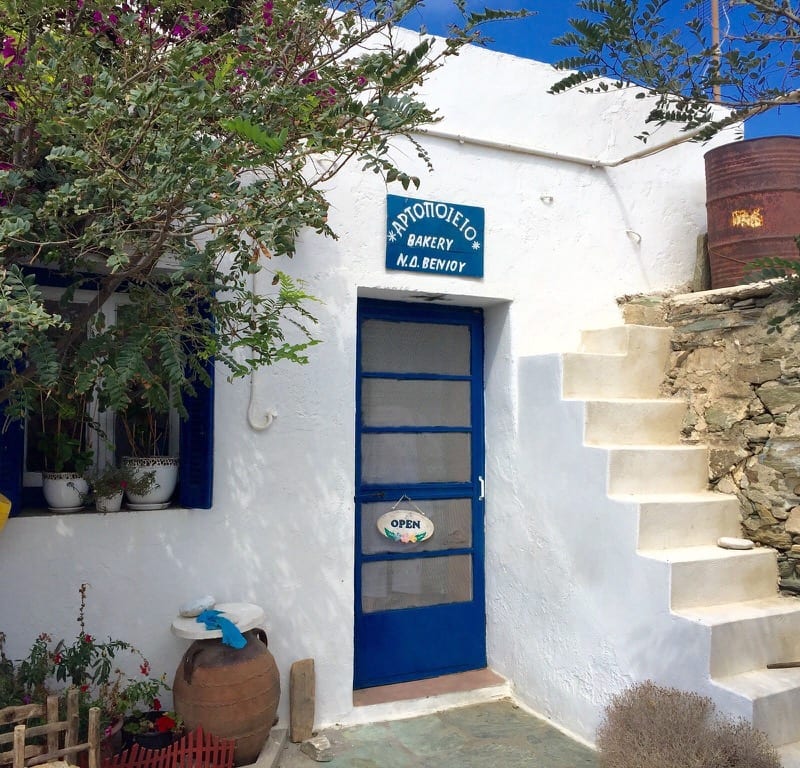
Bakery Panificio
A tiny bakery in the heart of Chora that turns out the best fresh bread on the island, alongside Folegandros classics – koulouri, spanakopita, and the orange-syrup portokalopita that Sifnos and Folegandros bakeries are quietly famous for. The kind of stop you make every morning of the trip.
FolegandrosDay 3
The island by boat & Ano Meria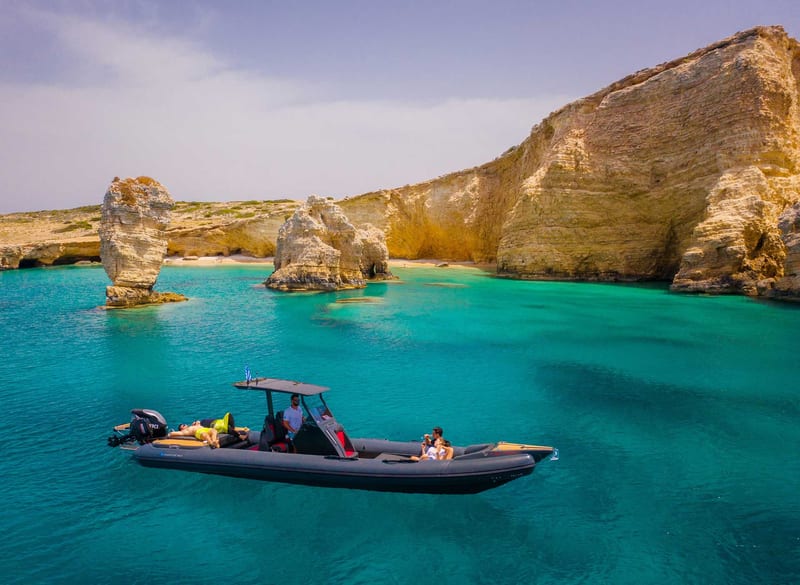
Folegandros Boat Tour
A full-day caïque trip around the island – the only way to reach the hidden coves on the north and west coasts. Stops typically include Livadaki, Ambeli, Serfiotiko and one or two beaches with no land access at all. Lunch is usually served on board. Book the day before, weather-dependent.
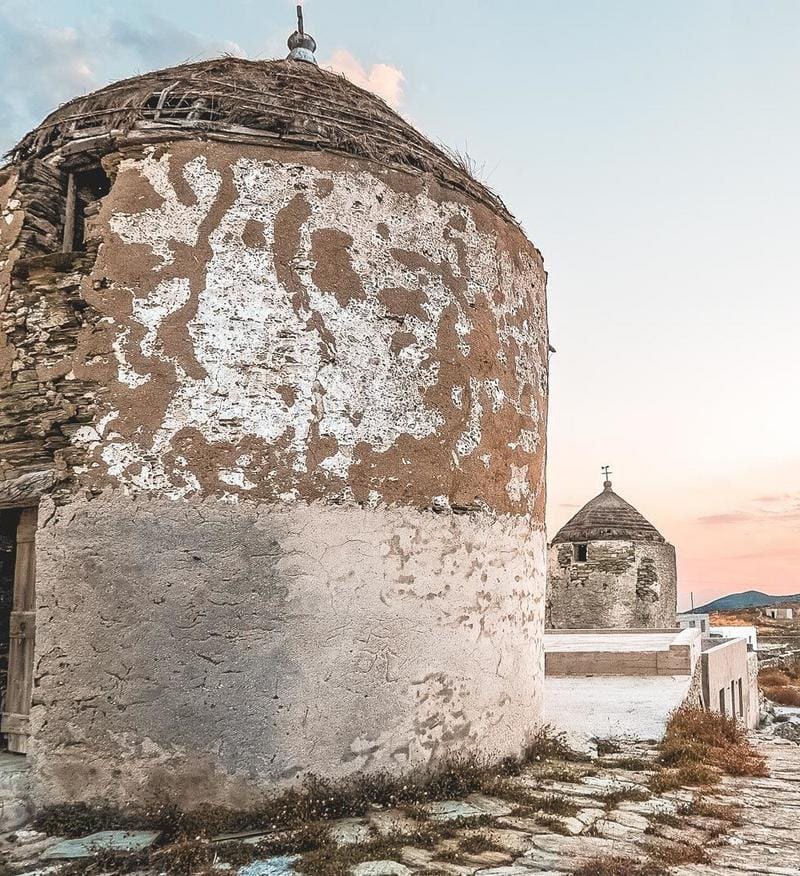
Ano Meria
The second settlement of Folegandros, spread across the northwestern part of the island. This is traditional Cycladic farming life preserved – stone walls divide small plots, old threshing floors dot the landscape, and a small eco-museum showcases island heritage. The walk from Chora (4km) is a beautiful introduction to the island's rugged countryside.
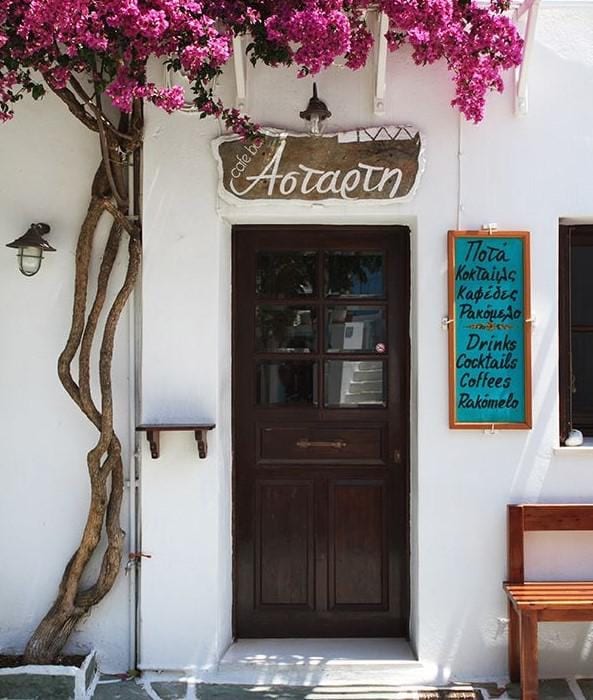
Astarti
A cafe-bar at the entrance of Chora with panoramic views over the port and the sea. Perfect for a morning coffee watching the ferries arrive, or a sundowner cocktail. The terrace is one of the most photogenic spots on the island.
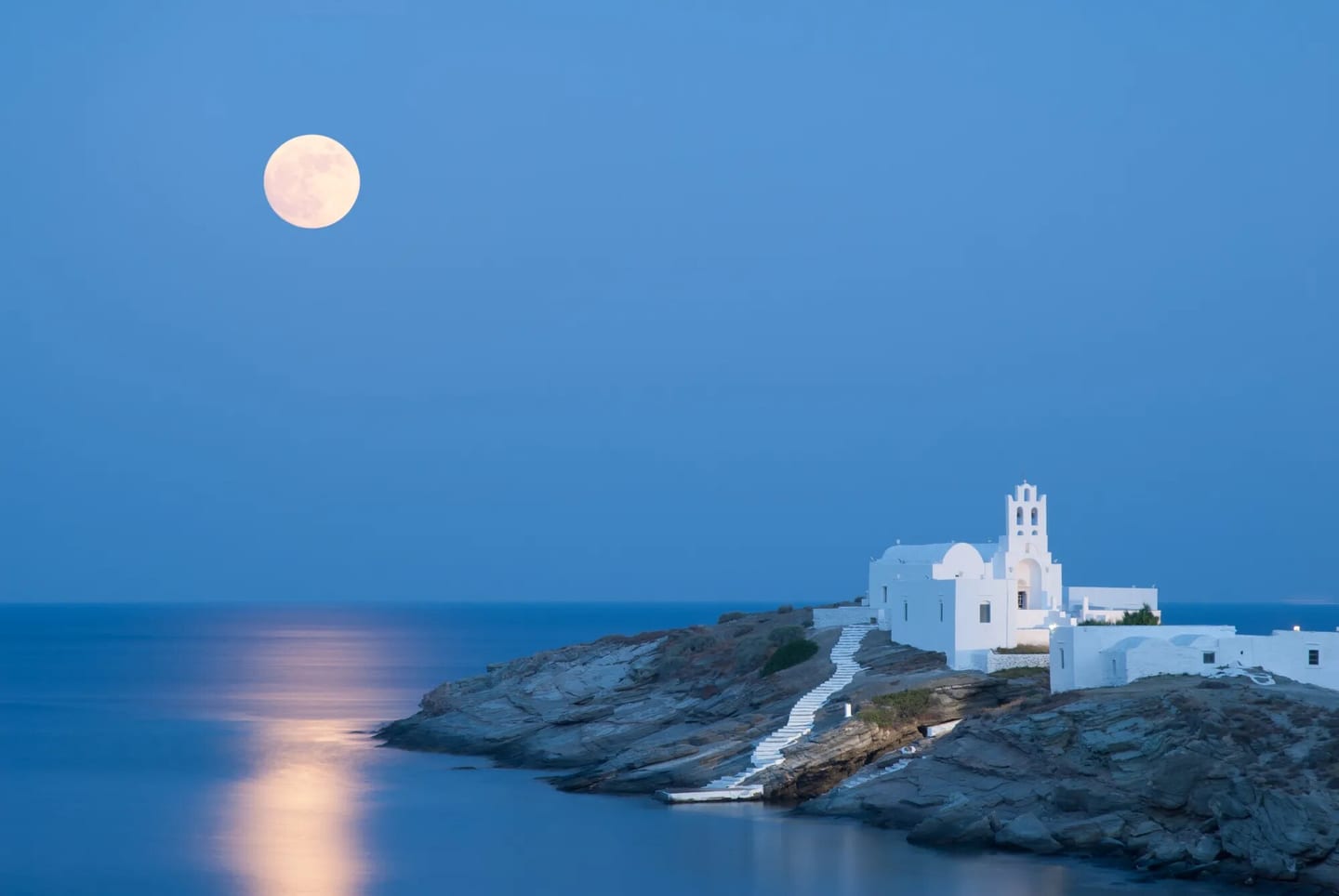
Sifnos
Days 7–10 of 12 · 4 nightsFour slow island days – sandy bays and cute villages. Apollonia, Artemonas and Kastro, beach time at calm Vathy with food on the sand, and a fish lunch at Cheronissos. Reserve the popular bars and restaurants early – yes, even in June or September.
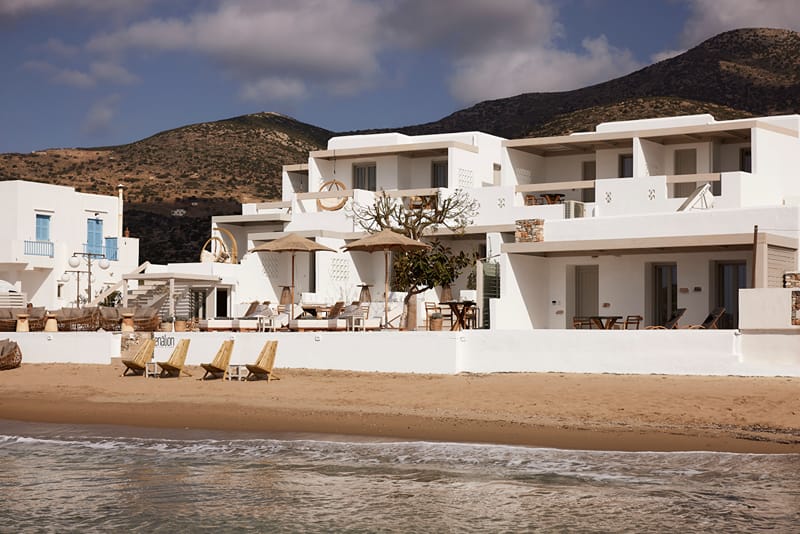
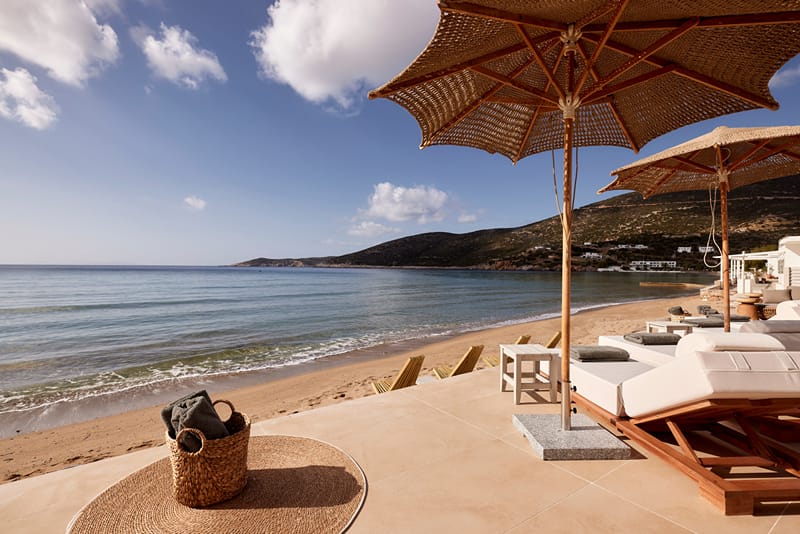
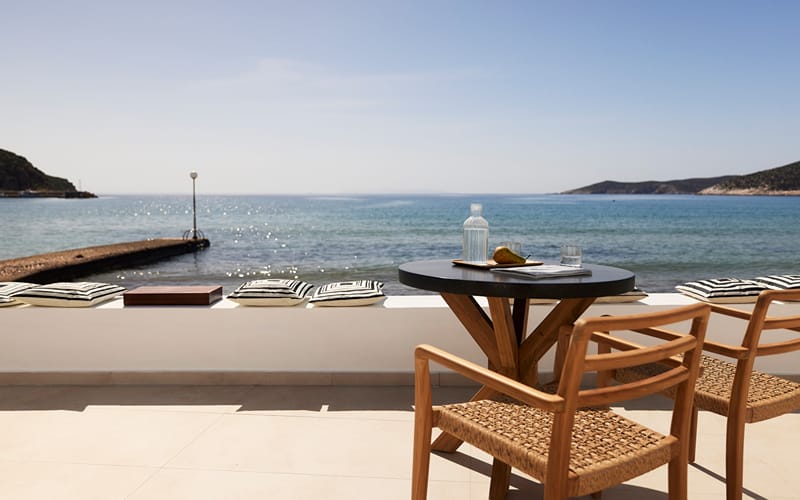
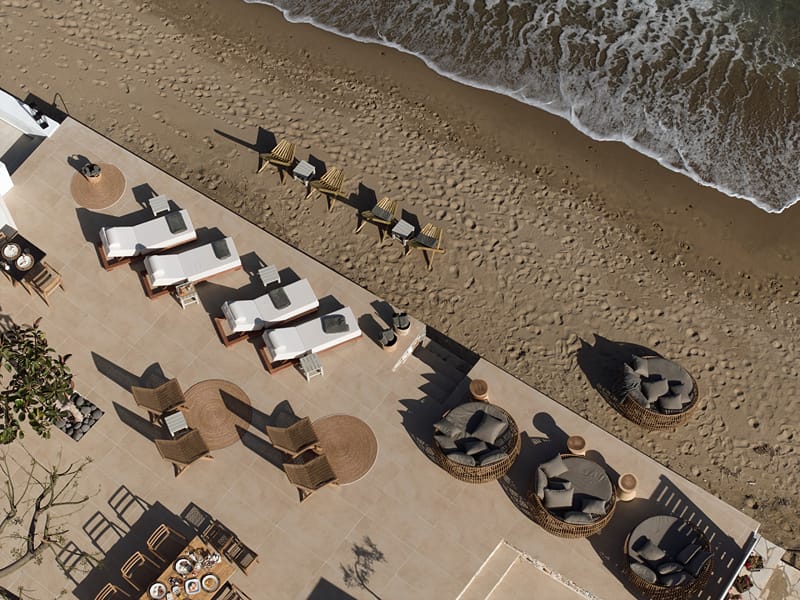
Enalion Suites Sifnos
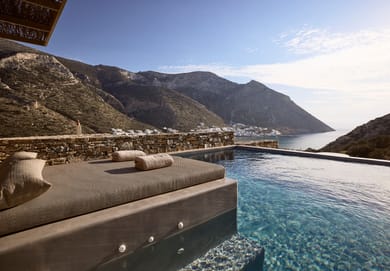
Suites right on the sand at Platis Gialos, Sifnos's long southern beach.
9.7 Alternative places to stay
SifnosDay 1
Kamares port & Apollonia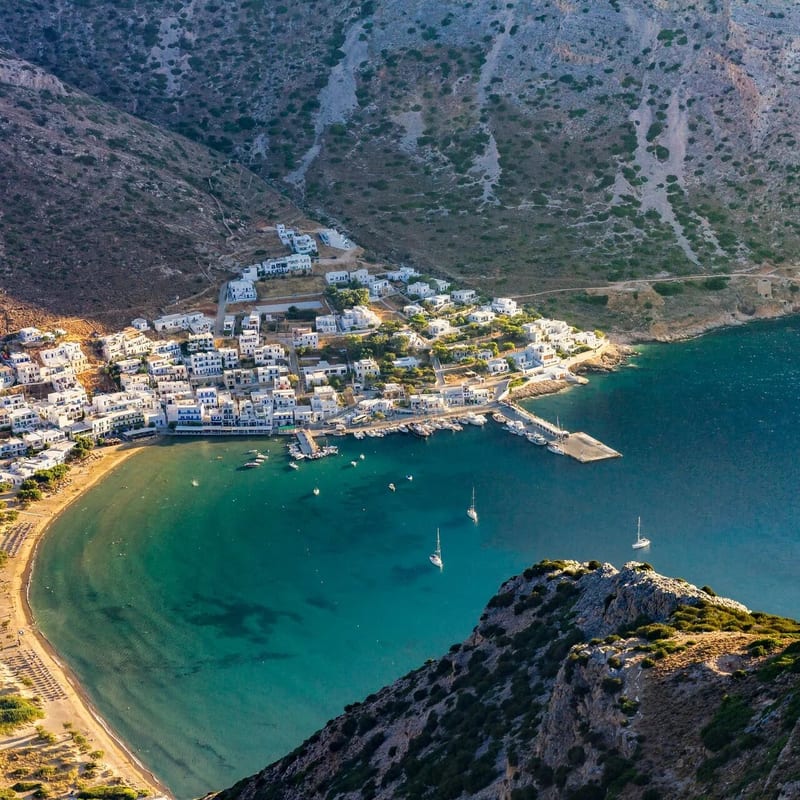
Kamares Port
The main port of Sifnos and the village where the ferries dock – a sweeping bay backed by mountains, a long sandy beach, and a row of tavernas and bars on the waterfront. Most travellers pass straight through on the way to Apollonia, but Kamares is worth a swim and a sundowner – especially on the last evening before the ferry out.
Apollonia
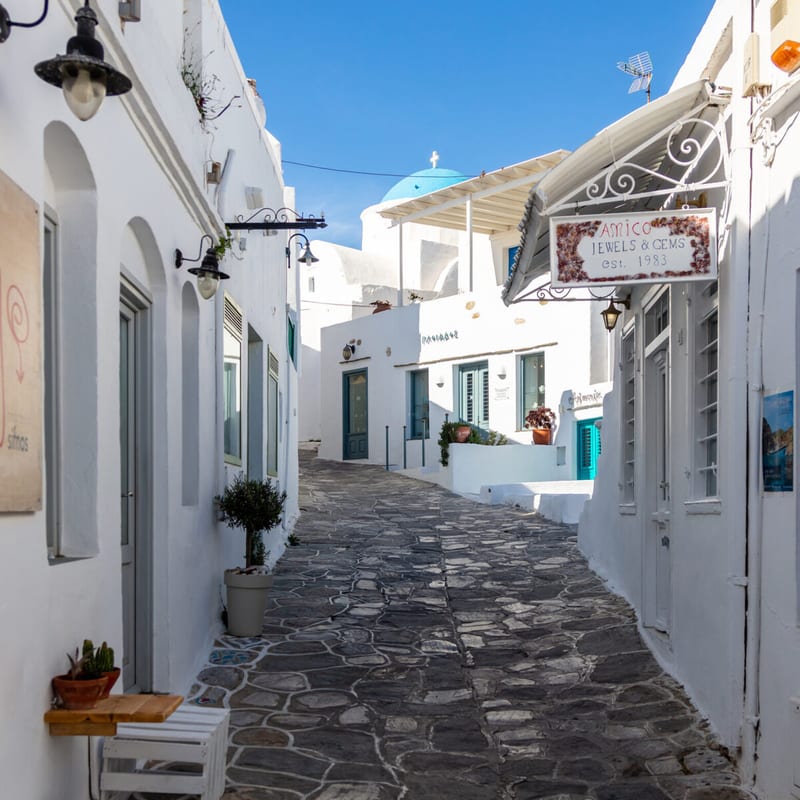
Sifnos's capital, a network of whitewashed lanes and bougainvillea-draped courtyards spread across three hills. The pedestrian "Steno" alley is the social spine – bars, tavernas, ceramic shops, and the tiny museum of folklore. The best base on the island for walks to the surrounding villages and the cleanest, most lived-in version of Cycladic chic.
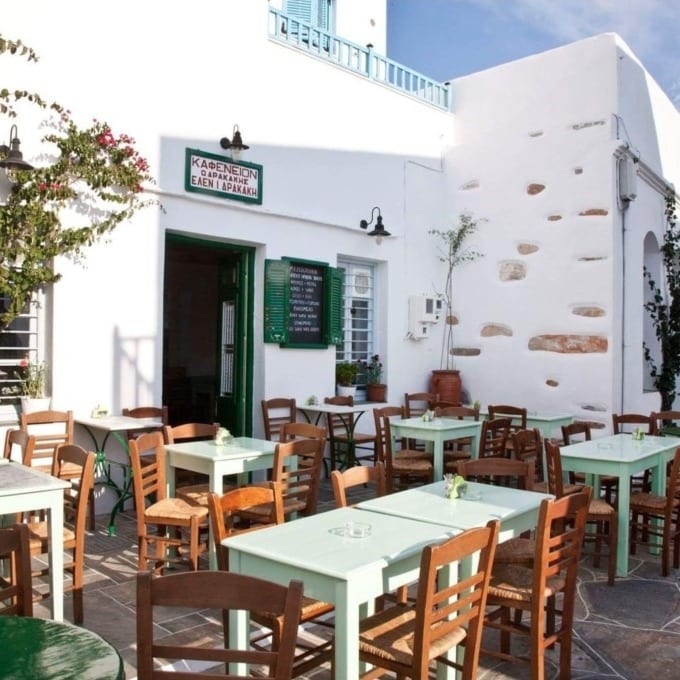
Drakakis Café
A historic kafeneion on the Steno alley in Apollonia – marble-topped tables, retsina by the carafe, locals playing tavli, and zero pretension. The kind of place that anchors a Cycladic village. Stop in for an afternoon ouzo on the walk between activities.
SifnosDay 2
Artemonas & the Kastro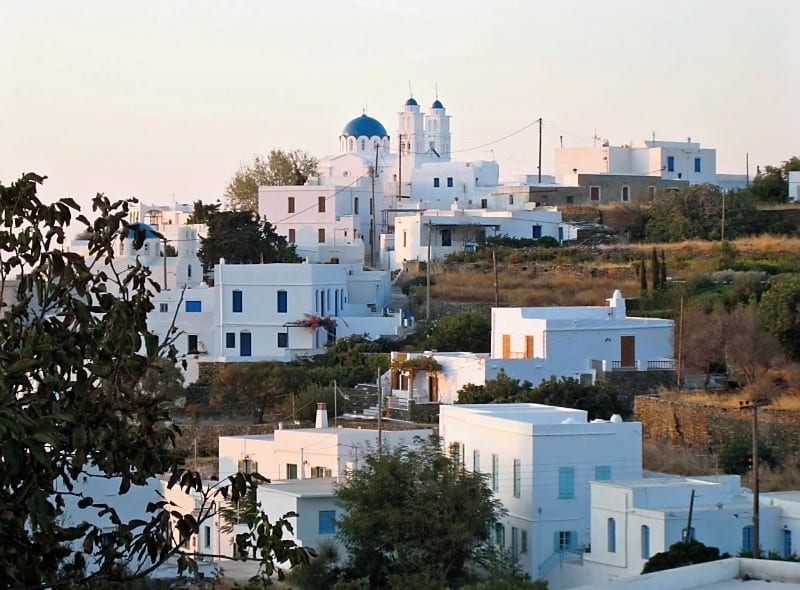
Artemonas
Sifnos's second village, twenty minutes' walk from Apollonia along a footpath through fields and olive groves. Larger neoclassical mansions, taller bell towers, and a more residential feel. Several of the island's best restaurants are here, plus a couple of historic cafés. The walk between Apollonia and Artemonas at sunset is quintessential Sifnos.
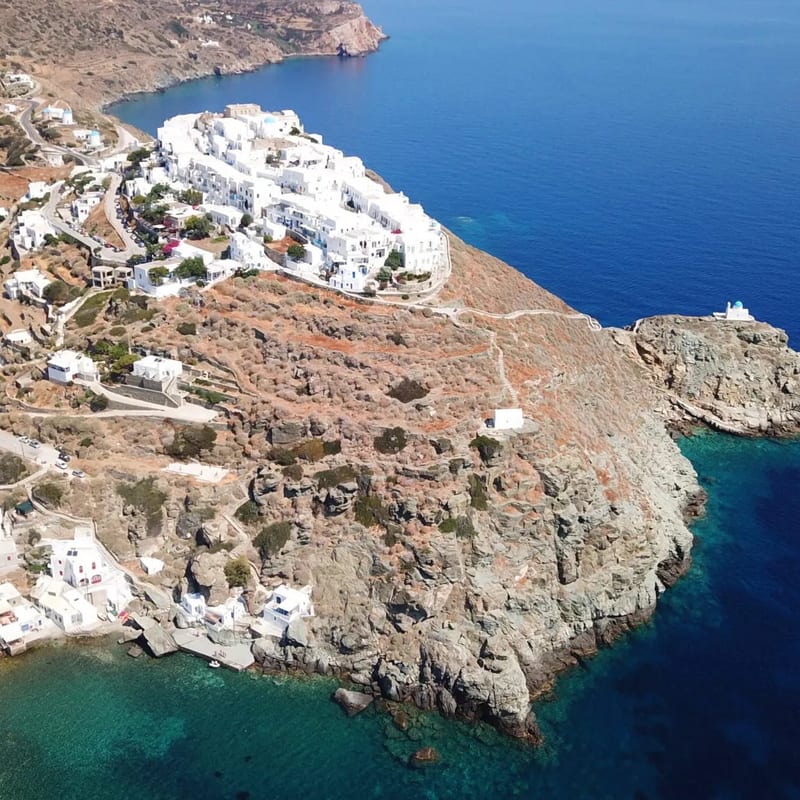
Kastro
The medieval fortified village of Sifnos, perched dramatically on a rocky promontory above the eastern coast. Houses form a continuous defensive wall with their back sides, narrow alleys barely wide enough for two people, and ancient marble columns built into doorways and walls. A small archaeological museum, two churches with stunning sea views, and the famous "Eptamartyres" chapel on a tiny islet just below.
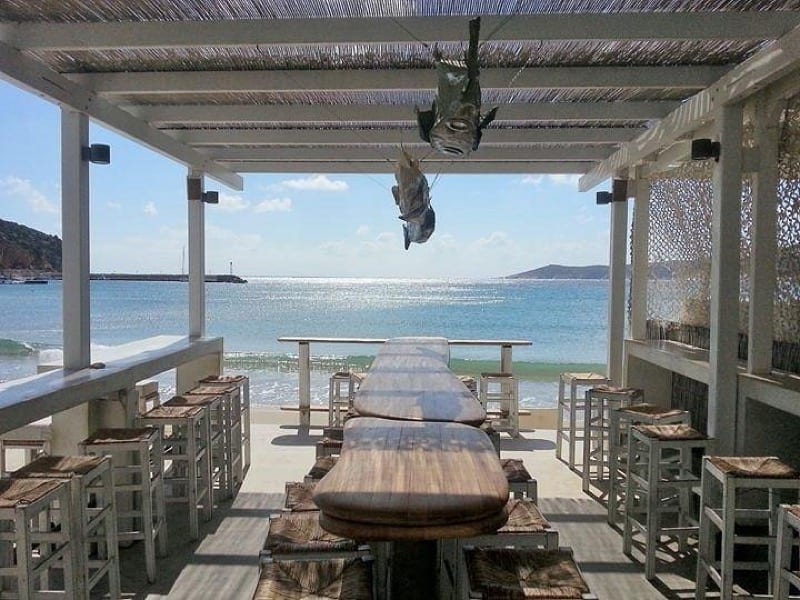
Omega3
A tiny seafood restaurant on the harbour at Platis Gialos – the chef-owner buys directly from the fishermen each morning and the menu changes by the day. Sashimi-grade tuna, octopus carpaccio, sea-urchin spaghetti when in season. Twelve tables. Reservations essential, often a week ahead in summer.
SifnosDay 3
Vathy's quiet bay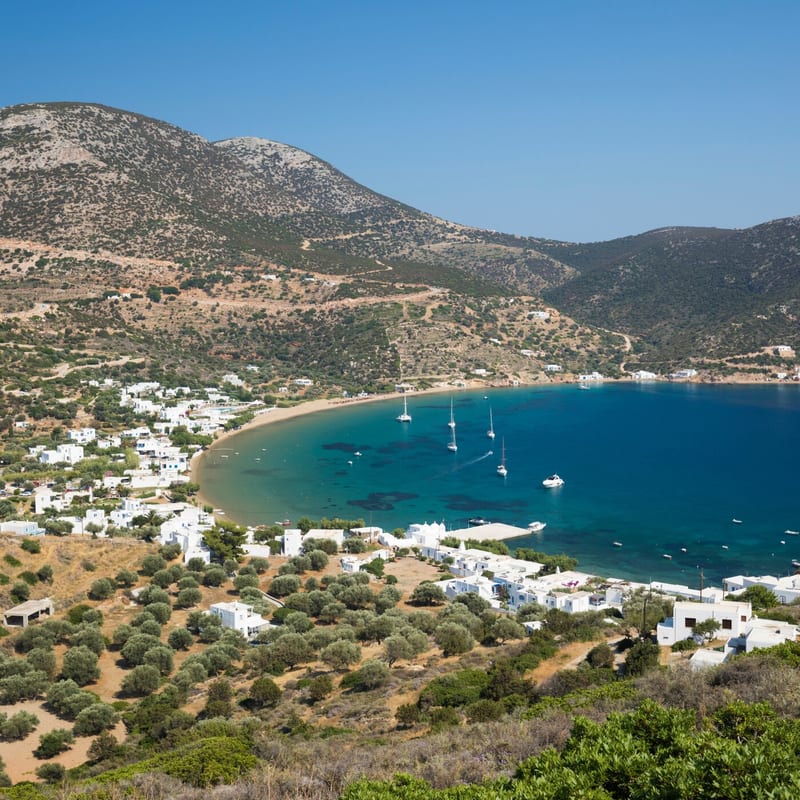
Vathy Beach
A horseshoe bay on the southwestern coast, known for the calmest swimming on Sifnos even when the meltemi is blowing elsewhere. Fine sand, shallow turquoise water, and a row of tavernas with tables literally on the sand – the local specialty is octopus, baked or grilled. The most relaxed beach day on the island.
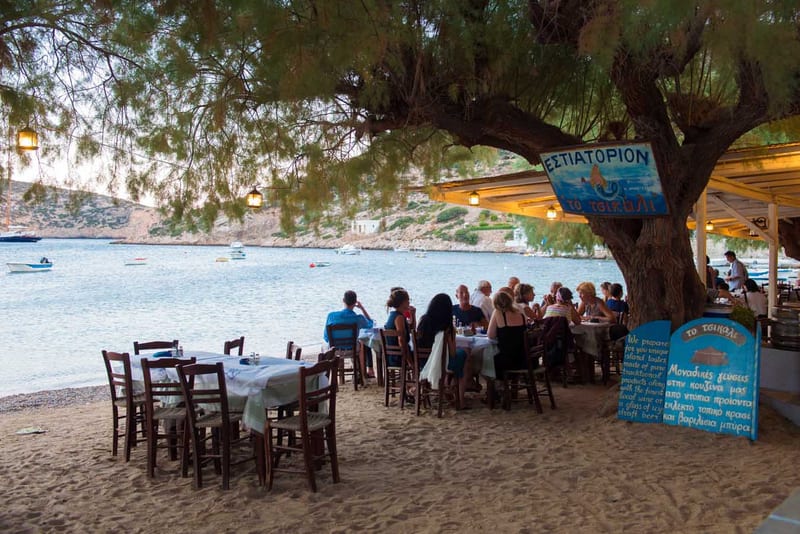
Tsikali Tavern
Tsikali at Vathi has been the family taverna of the Frazeskaros family since 1983 – a beach taverna in the sheltered bay where the tables sit feet from the sand. Sun-dried fish and octopus are the house specialty, alongside slow-cooked goat with Sifnos dill wine, oregano rabbit, and the traditional chickpea meatballs the island is known for. Open from lunchtime through the evening; the sunset light on Vathi is the reason to linger.
SifnosDay 4
Cheronissos & a last evening in Apollonia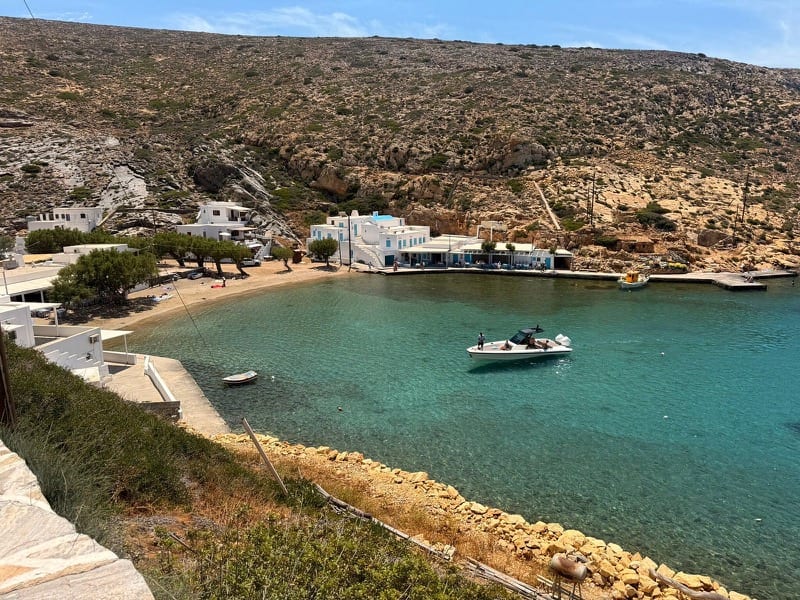
Cheronissos Beach
A tiny fishing-cove beach at the very northern tip of Sifnos, reached by a beautiful winding drive across the island's wild north. Crystal-clear water, a handful of fishing boats, and two excellent tavernas serving the freshest fish on Sifnos straight from the boats. Pair the swim with lunch and don't plan anything for the rest of the afternoon.
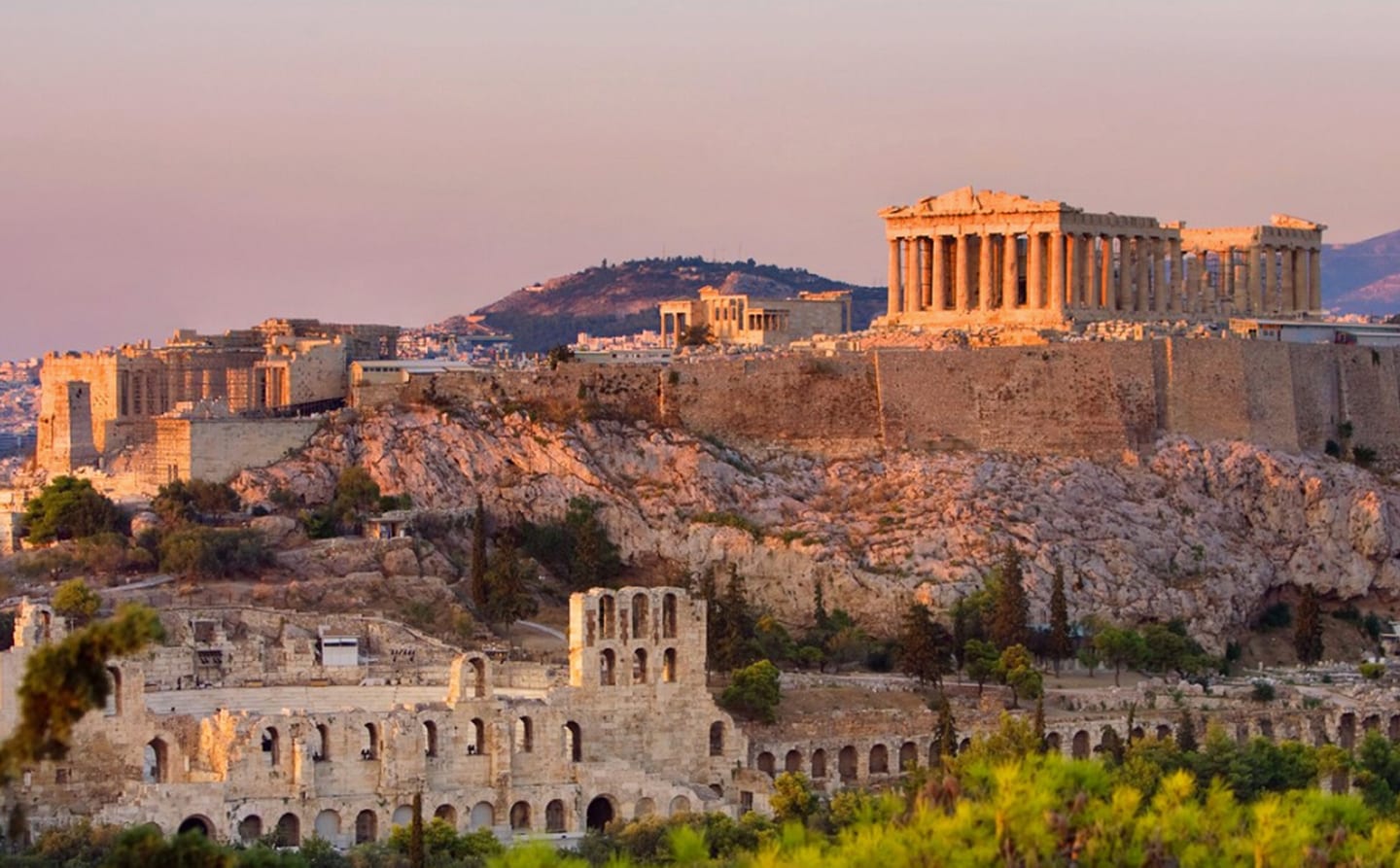
Athens
Days 11–12 of 12 · 2 nightsTwo days to land in Athens – book the Acropolis's 8am slot, walk down through Plaka and Anafiotika, catch the changing of the guards at Syntagma, and end at the Panathenaic Stadium.
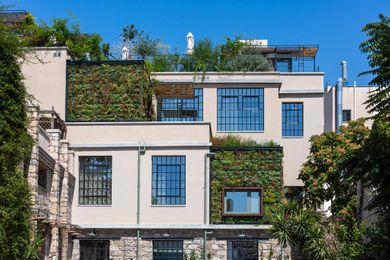
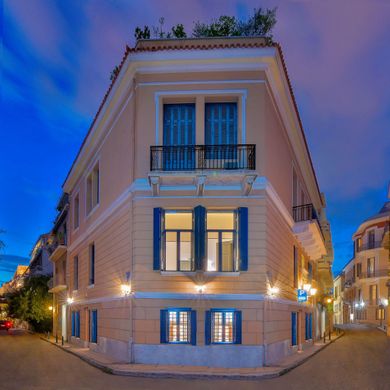
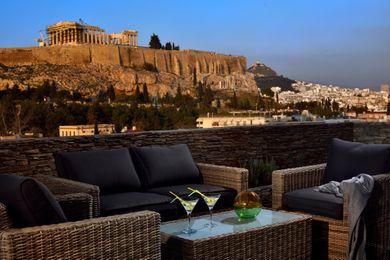
Noble Suites
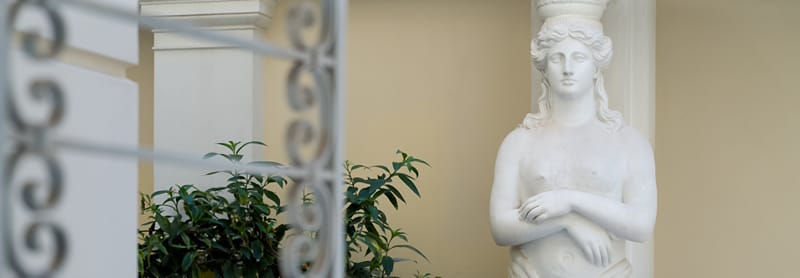
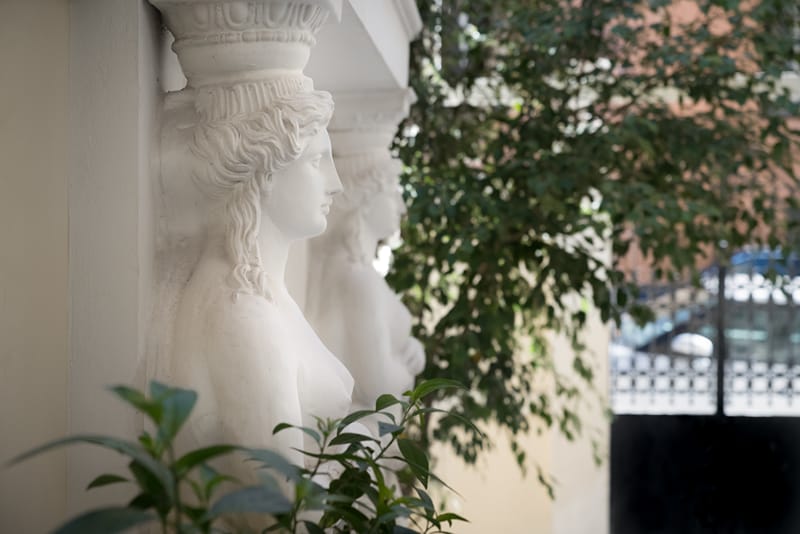
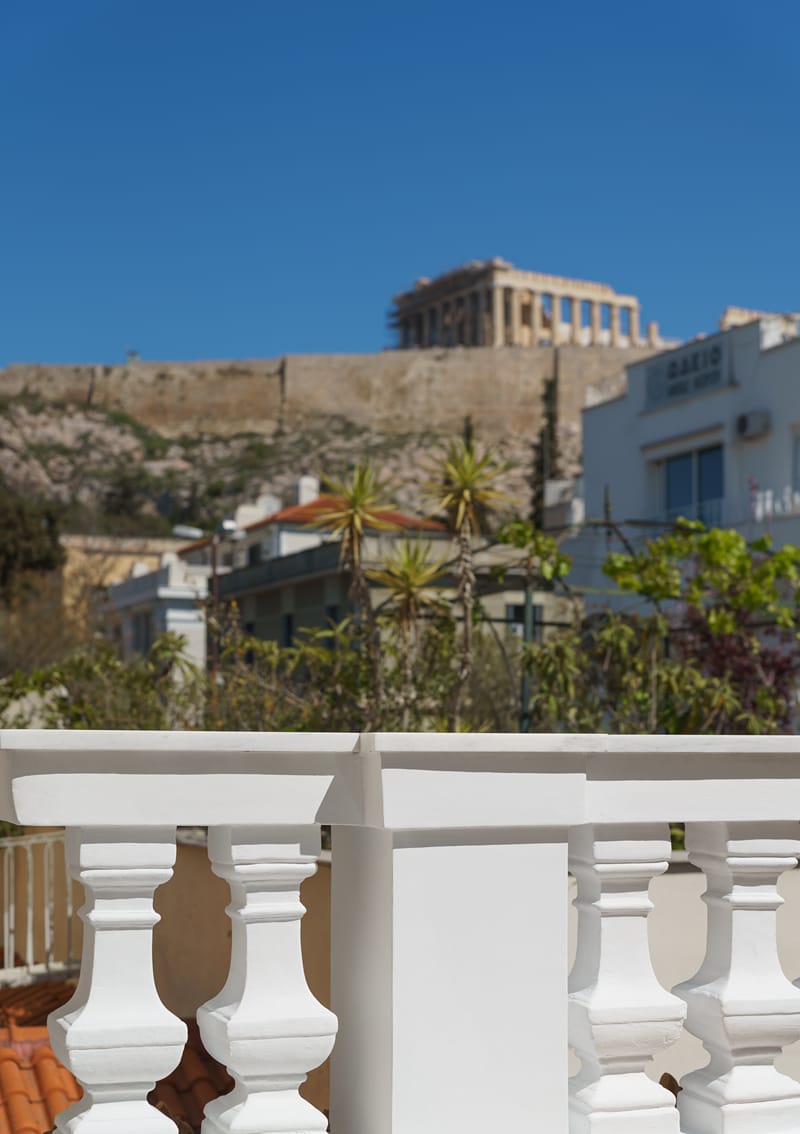
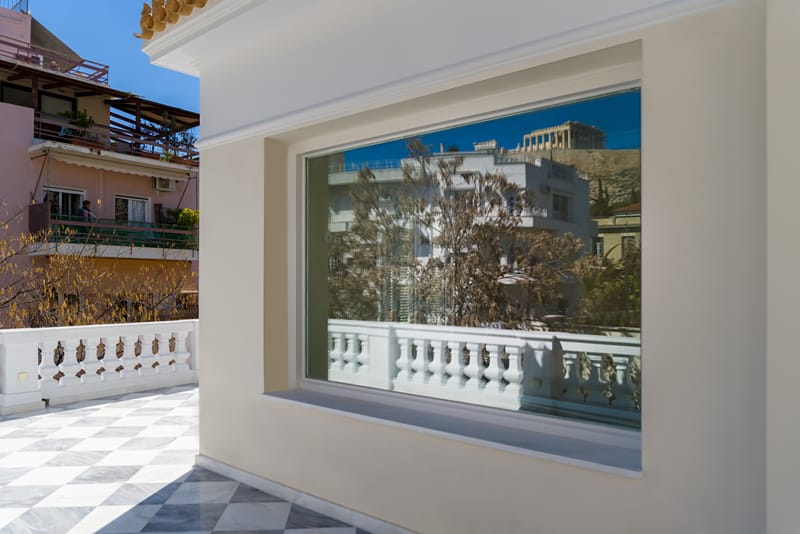
A 1901 neoclassical house under the Acropolis – four suites of marble and old wood.
9.7 Alternative places to stay
AthensDay 1
The Acropolis & Plaka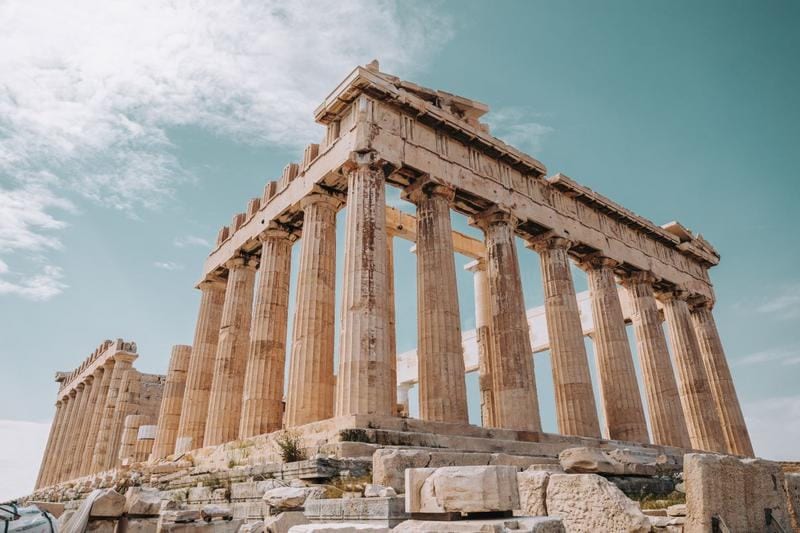
Acropolis
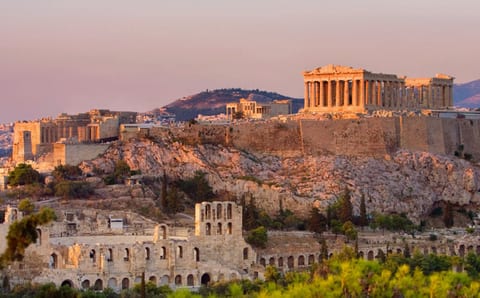
The Acropolis is the symbol of Athens, the sacred rock, linking the fabulous ancient civilisation with the modern city. The monuments on the Sacred Rock date back to the prehistoric era and antiquity. The grandeur and beauty of the Sacred Rock attract Greek and foreign visitors. A visit to the Acropolis is a unique experience.
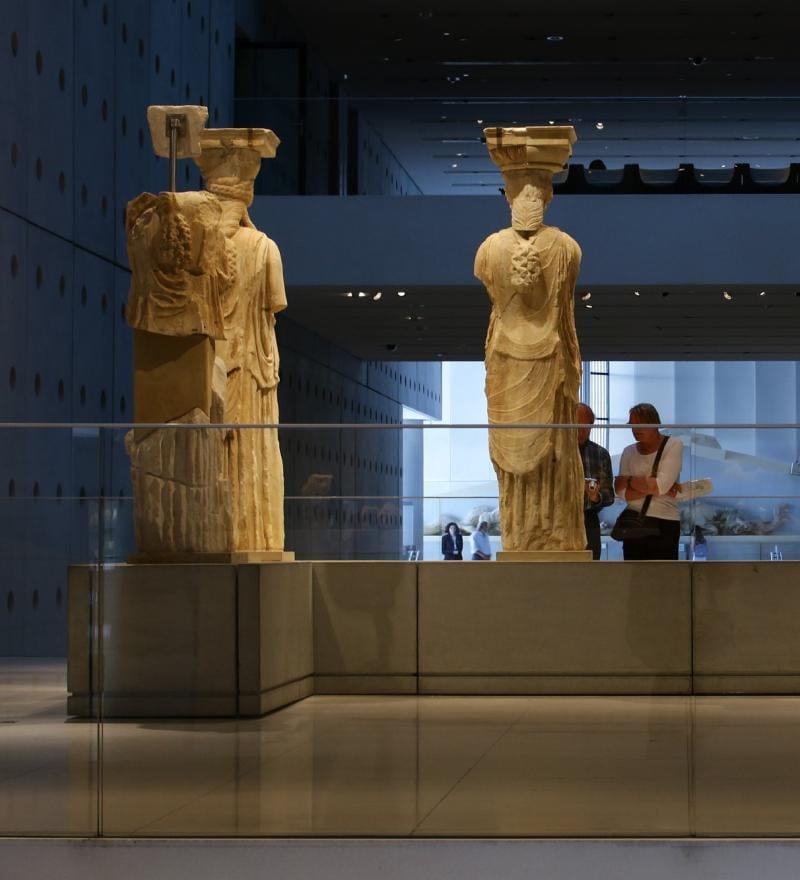
Acropolis Museum
It is one of the most important contemporary works of architecture in Athens. Its construction, designed by architects B. Tschumi and Mih. Fotiadis was completed in 2007. Standing only 300m away from the Acropolis, its total area covers 21,000 sq.m, while it offers a display area of 14,000 sq.m. It is made of steel, glass and concrete; it uses natural light efficiently so that its 4,000 exhibits would show off. The last level (The Parthenon room) has the dimensions and the direction of the Parthenon and it has been rotated by 23 degrees in relation to the rest of the building so that the visitor would have an immediate view of the monument. The surrounding area, visible from the glass floor of the ground level, functions as an openair museum-excavation. The main entrance is on Dionyssiou Areopagitou Street. In addition, the imposing Weiller building stands in the vicinity. Having been built by German architect W. Von Weiller, it combines Byzantine style masonry and neoclassical decorative patterns. Initially it was used as a military hospital and later as police unit headquarters, whereas since 1987 it houses the Acropolis Research Centre
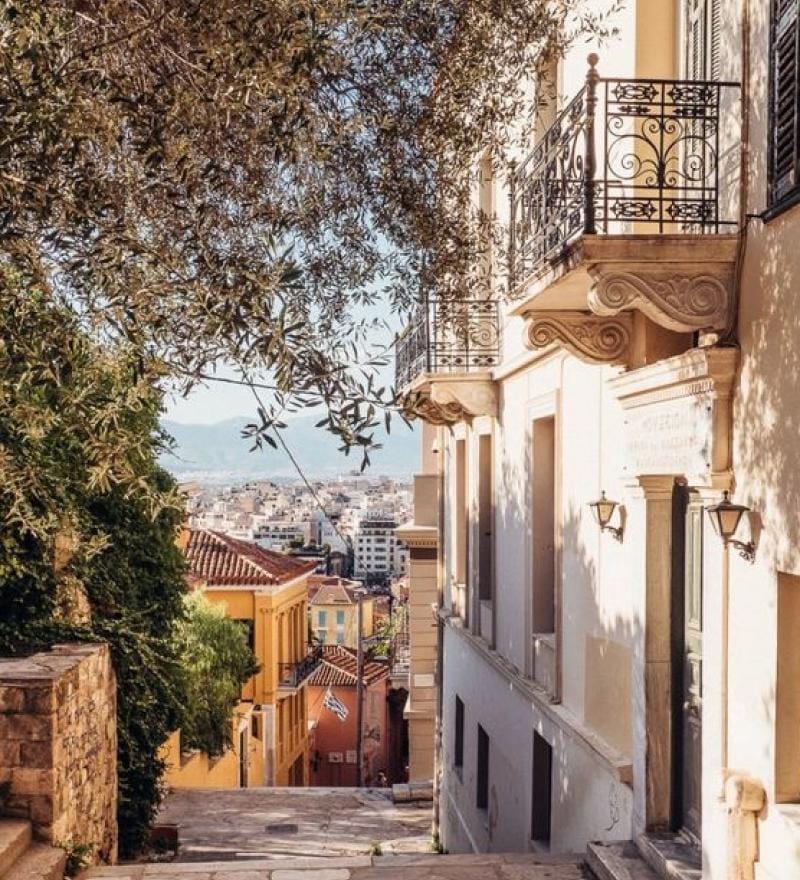
Plaka
Plaka, also known as the "neighbourhood of the gods," is the oldest neighbourhood of Athens. Walking on its paved narrow streets you get the feeling that you are travelling back in time. The origin of the name of the neighbourhood is unknown, although theories abound. According to popular belief, Plaka was named after a slab of stone that was found near the church of Ayios Georgios Alexandrias, in the vicinity of the theatre of Dionysos. The beautiful neoclassical style colour of the houses, the architecture, the well-kept gardens, and the beauty and atmosphere of the neighbourhood are enchanting. In Plaka the air you breathe is different; it is lighter, cleaner, and fragrant, like a gift of the gods. When you visit Plaka you should bring a map, because you might get lost in the labyrinth of narrow streets and alleys. In Adrianou Street, the central street of the neighbourhood, as in other streets in the area, you will find shops selling traditional products, souvenirs, Greek folk art and handicrafts, etc.
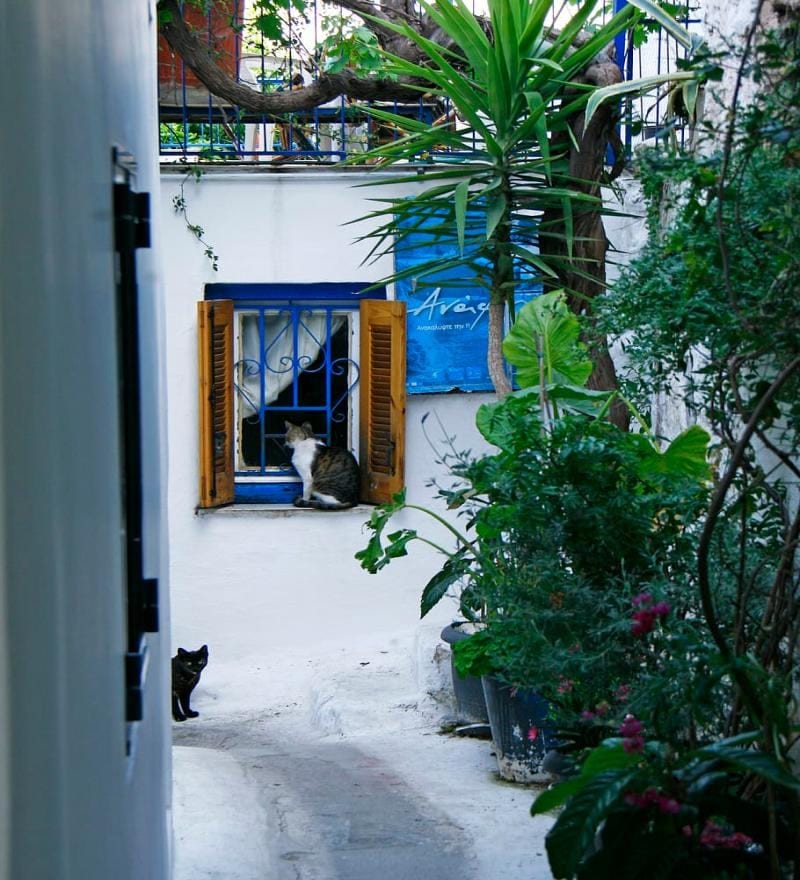
Anafiotika
On the foothills of the Acropolis, has the charm of a beautiful island village. It was built in the mid 19th century by the renowned builders of the Aegean island of Anafi, who were invited to construct the palace of the first king of the Hellenes, Otto. Feeling nostalgic for their birthplace in their long stay in Athens they recreated it in the upper area of Plaka. They built small, whitewashed houses, reproducing the architectural style of their village. We recommend that you visit Anafiotika, the neighbourhood of the Anafiotes
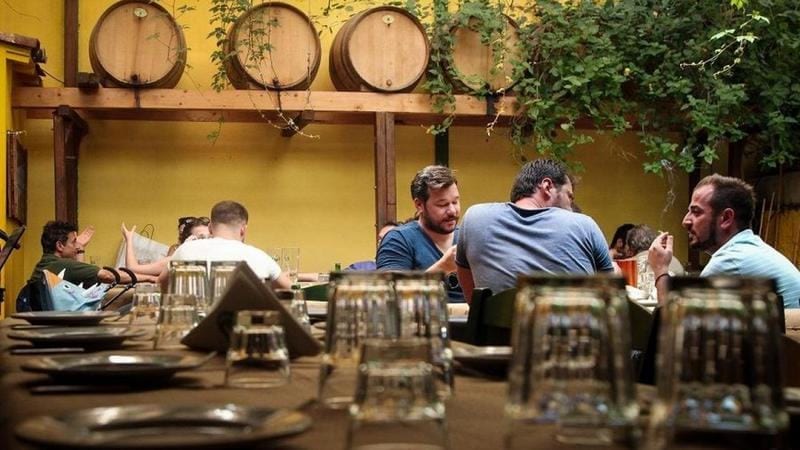
Klimataria Tavern
A century-old taverna in the Koukaki neighborhood at the foot of the Acropolis. Painted vine-leaf walls, live rebetiko on weekends, and the kind of meze plates – grilled octopus, fava, gigantes – that make travelers come back the next night. Order house wine from the barrel and let the kitchen send what's good.
AthensDay 2
Ancient Agora & Panathenaic Stadium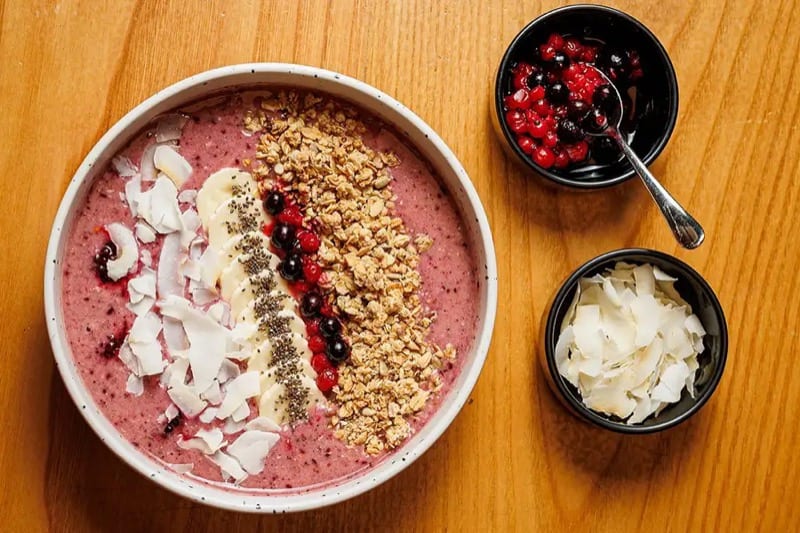
Picky Brunch
Athens' answer to a slow weekend morning – eggs done six ways, freshly baked bread, Greek-yogurt bowls with thyme honey, and excellent specialty coffee. A bright corner spot just off the Plaka tourist routes, popular enough to come early or wait. Sophie's pick for the brunch day in Athens.
Ancient Agora
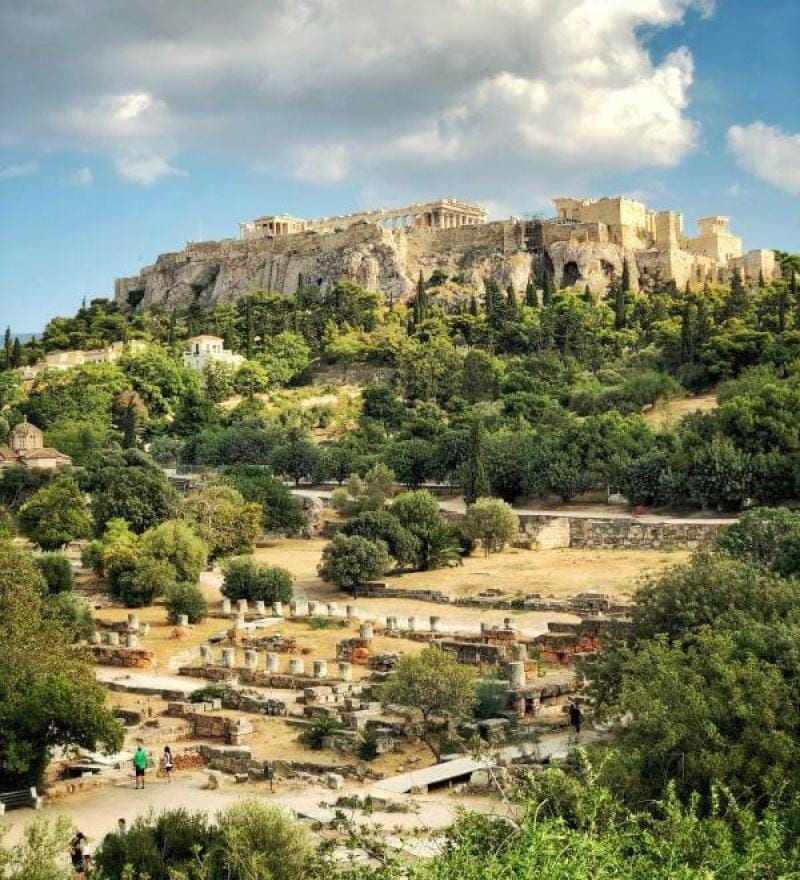
The archaeological area of the ancient Agora is located on the foothills of the Acropolis, near Thission Metro Station. In antiquity, the Agora was not solely a commercial centre. It was also an important political, cultural and religious centre. In the area of the agora were located administrative buildings, temples, public services and courts. The Athenians gathered here every day to buy and sell their goods, learn the current news, criticise the government, exchange ideas, or engage in discussion. The area was settled in the Neolithic age. The monuments located there were built in various historical periods: from the classical age to the 11th century AD. The church of Ayioi Apostoloi was built in the 11th century
Greek Parliament
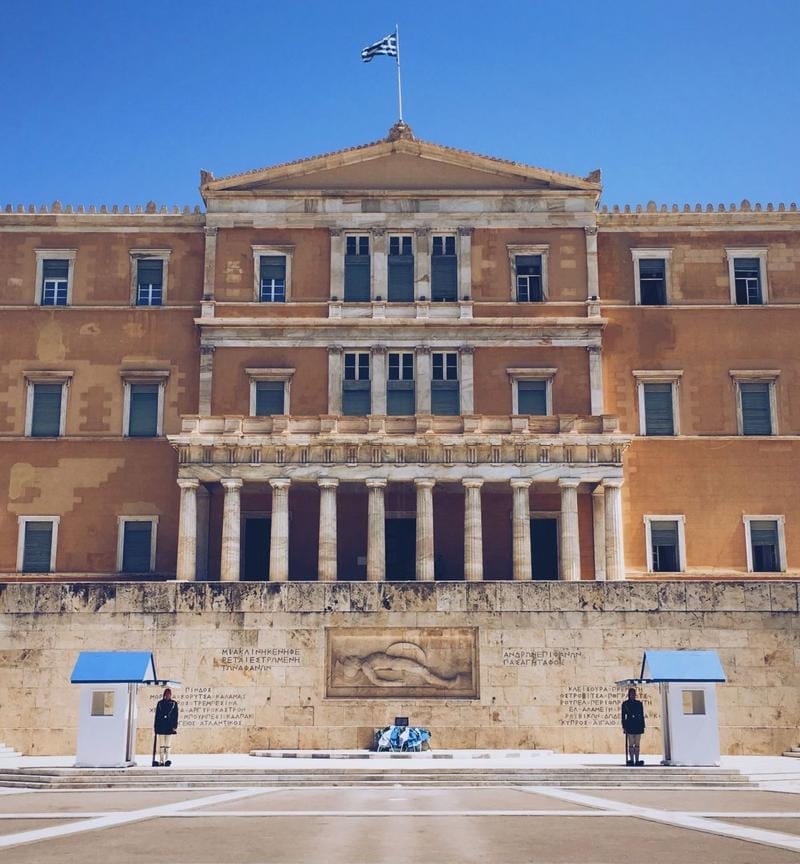
Dominating Syntagma Square, the building was the residence of the first king of Greece Otto. The building was constructed from 1836 to 1842. George A', who succeeded Otto on the throne, also resided in the palace. During his reign, two successive fires destroyed the building, making it unsuitable for use as a royal residence. In 1924 the government decided to situate Parliament in the building. Reconstruction work was completed in 1934. The interior was redesigned by architect A. Kriezis. In Parliament you will find national treasures, such as the first Greek Constitution, a collection of valuable paintings and a large library.
National Garden
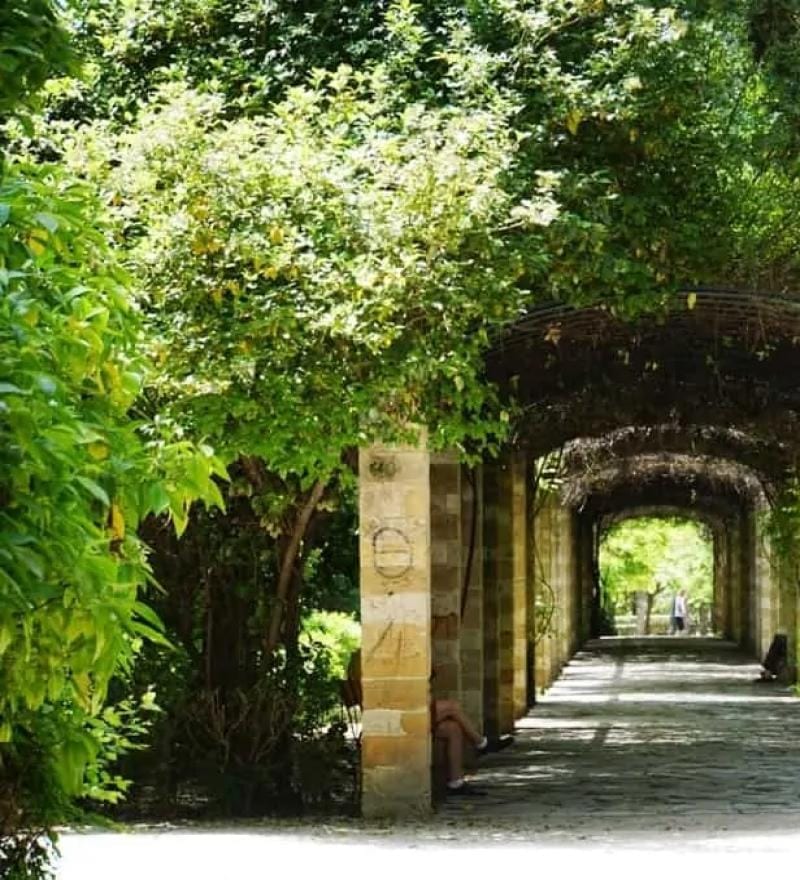
The National Garden, open from dawn to sunset, is an oasis in the centre of the city. It has a total area of 160,000 m2. Some five hundred different kinds of plants, bushes and trees from various locations around the world are grown here (in total, it has 7,000 trees and 40,000 bushes). At the same time, it comprises an important natural life reserve in Athens as many different species of birds, hedgehogs, turtles, ducks and even bats are gathered here. The National Garden – which was formerly the palace garden - was laid out from 1838-1860. There are six entrances: at Vasilissis Sofias Avenue, Irodou Attikou Str, Vasilissis Amalias Avenue, and two entrances connecting the National Garden to the Zappeion. You will also find here a small pond, a small zoo, the Botanical Museum, a traditional café, a children's library, a playground, various monuments of antiquity, and the busts of important personalities of modern Greece (among others, politicians and authors).
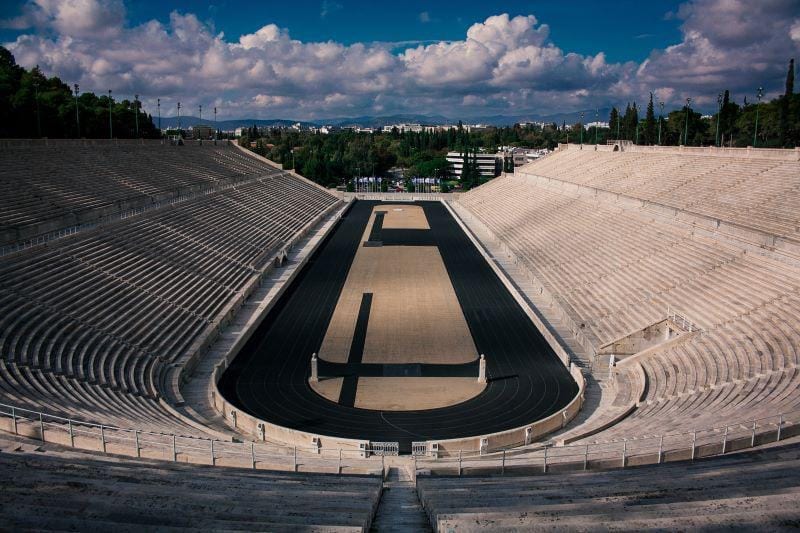
Panathenaic Stadium
Panathenaikon [Panathenaic] Stadium, a remarkable construction, was made of white marble. The horseshoe shaped stadium faces the National Garden. In 330 BC a stadium made of wood was built at this location. Herodes Atticus constructed a marble edifice, which was the model for the edifice of the stadium that stands today. It was used as a space for athletic competitions, which took place during the Panathenaea festival. The stadium that stands today has a capacity of approx. 60,000 spectators. It was built in 1869-1870 and it was the venue of the first Olympic Games in modern history (1896). Surrounding the stadium is the wooded Ardittos Hill, where locals love to go for a walk.
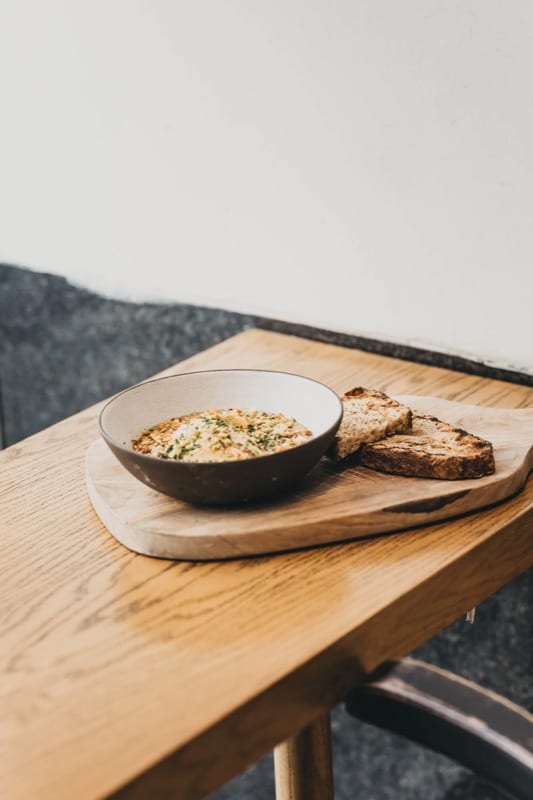
Taverna Ermou
A modern Greek taverna by Ergon House on the Ermou pedestrian street – the lively spine running between Syntagma and Monastiraki. Updated takes on the classics, an excellent Greek wine list, and a buzzy interior in the heart of the city. A reliable lunch or early dinner stop in the heart of Athens.
Your whole trip in one booking
With WeAreTravelers – a licensed, Athens-based travel agency.
- Zero service fees. Same price as if you organized everything on your own.
- One booking and one payment for the whole trip (instead of separate bookings for each hotel, ferry and flight).
- One local point of contact, who has your back – before you travel, and while you're here.
- Covered by the EU package travel rules. Your payments are protected by law.