 ×Tzatchickie
 Perfect 12-day Athens & Greek Islands itinerary – Athens, Milos, Crete (Agios Nikolaos)
 A trip by SophieTzatchickie
Perfect 12-day Athens & Greek Islands itinerary – Athens, Milos, Crete (Agios Nikolaos)
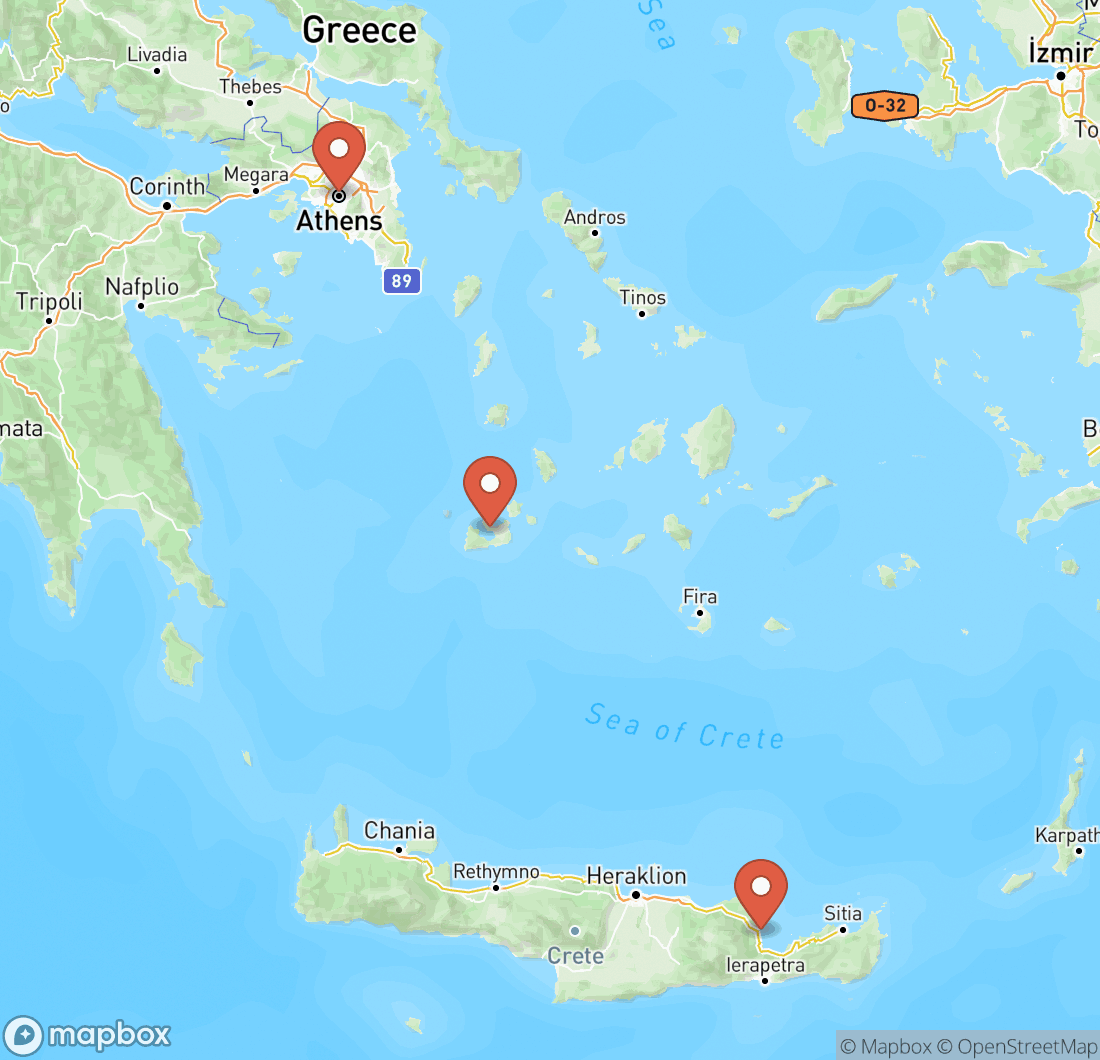
12 days across Athens, the volcanic landscapes of Milos, and Crete's most authentic side – history, white houses, dramatic coves, and the food and culture of the largest Greek island. A great mix of many sides of Greece.
Athens
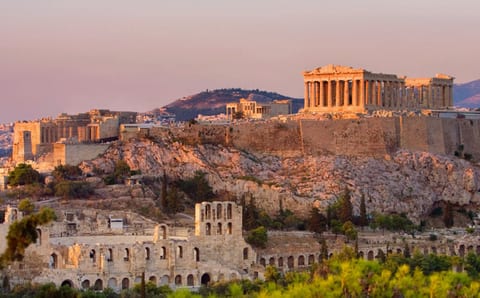
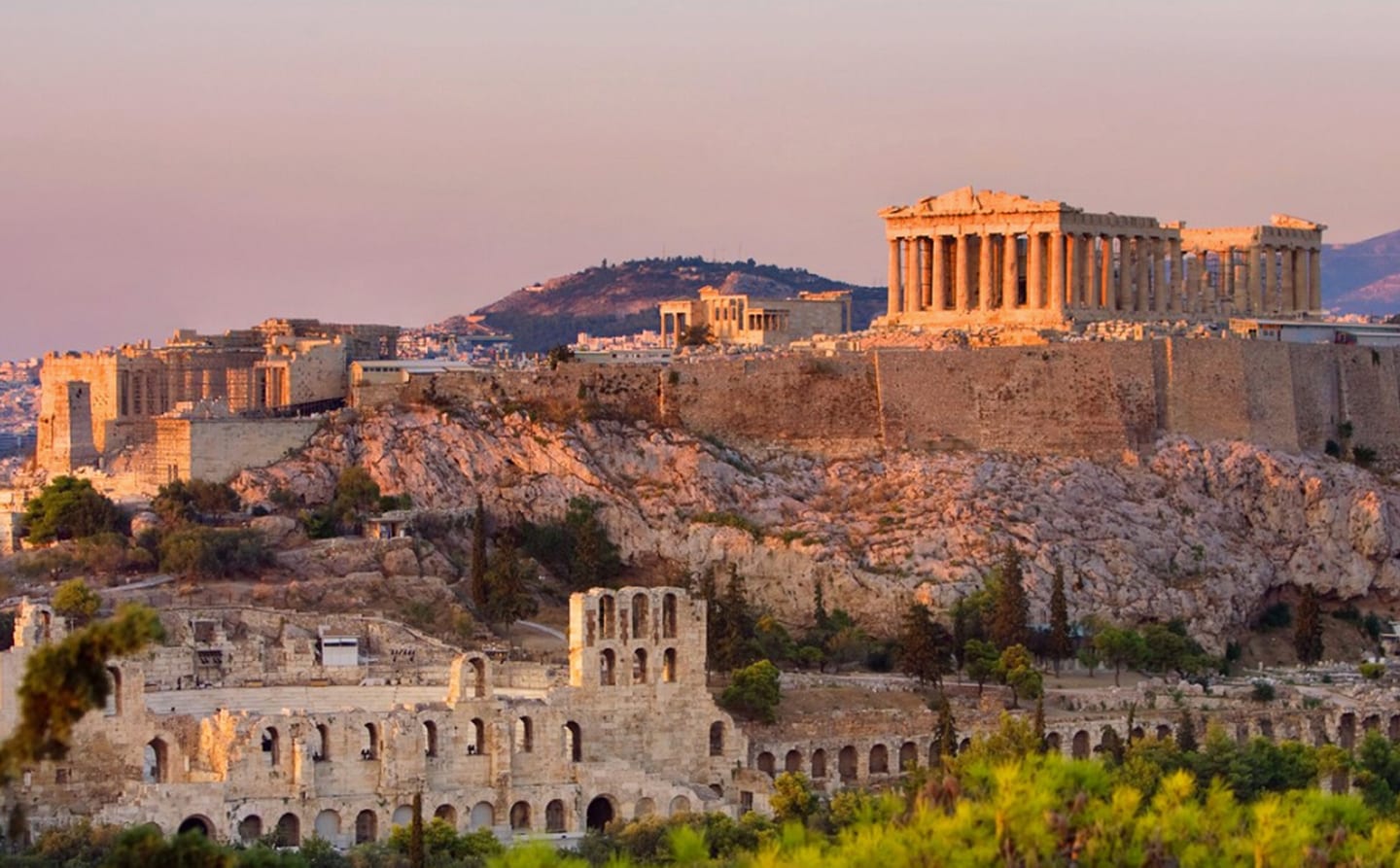
Days 1–2 of 12 · 2 nightsTwo days for the headline acts – the Acropolis, the Acropolis Museum, the lanes of Plaka and Anafiotika, the National Garden, and dinner at one of Athens' classic tavernas.
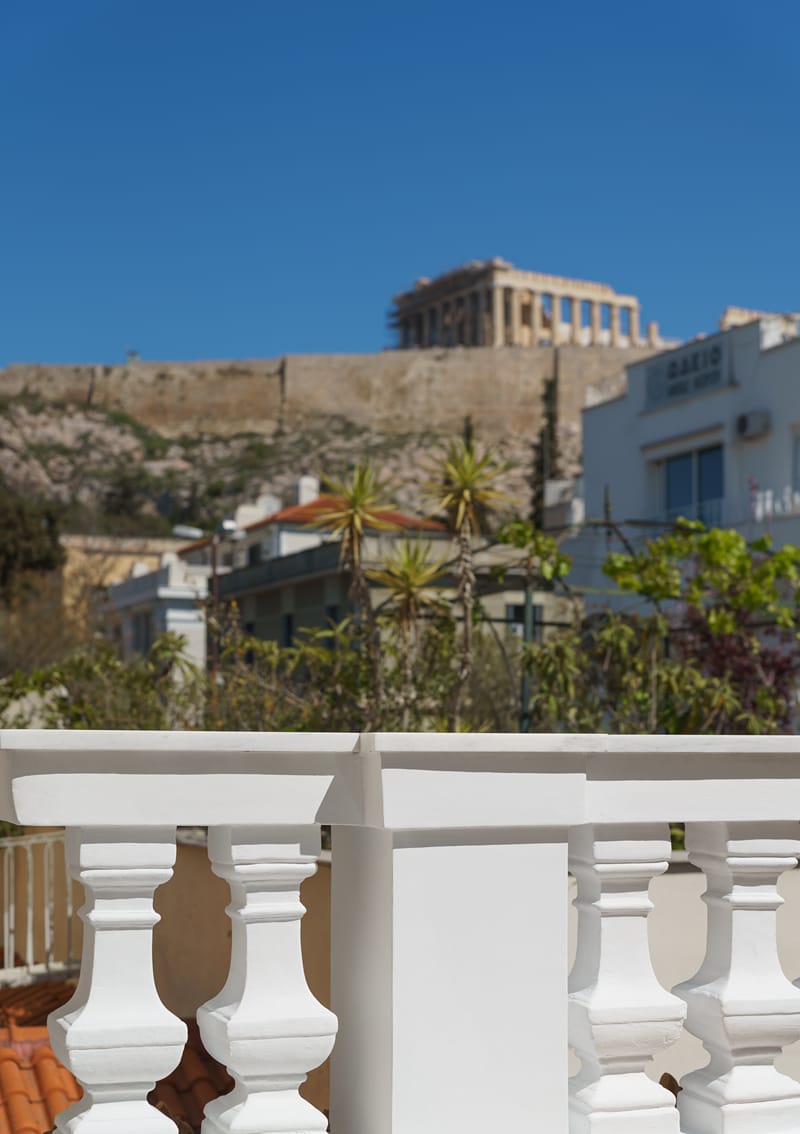
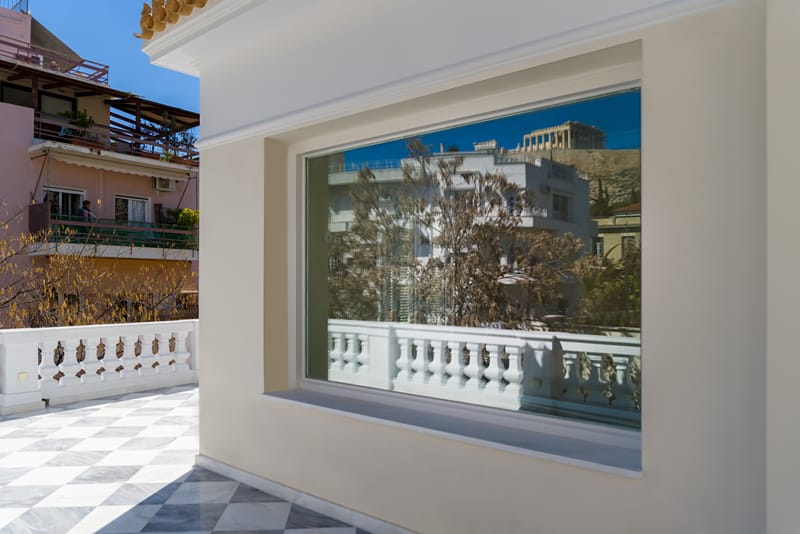
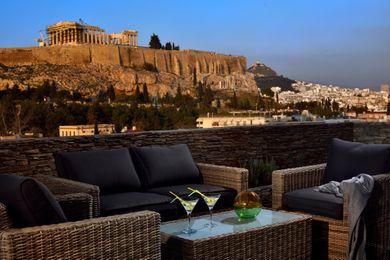
Noble Suites
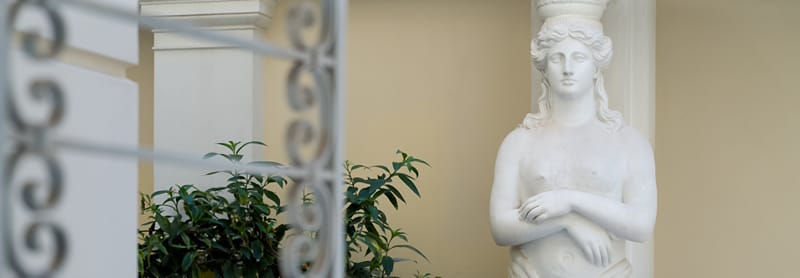
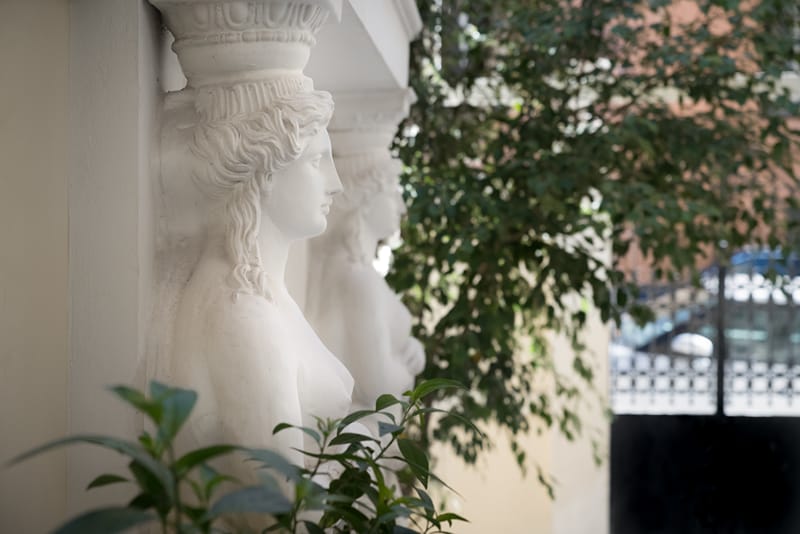
A 1901 neoclassical house under the Acropolis – four suites of marble and old wood.
 9.7
9.7 Alternative places to stay
AthensDay 1
The Acropolis & Plaka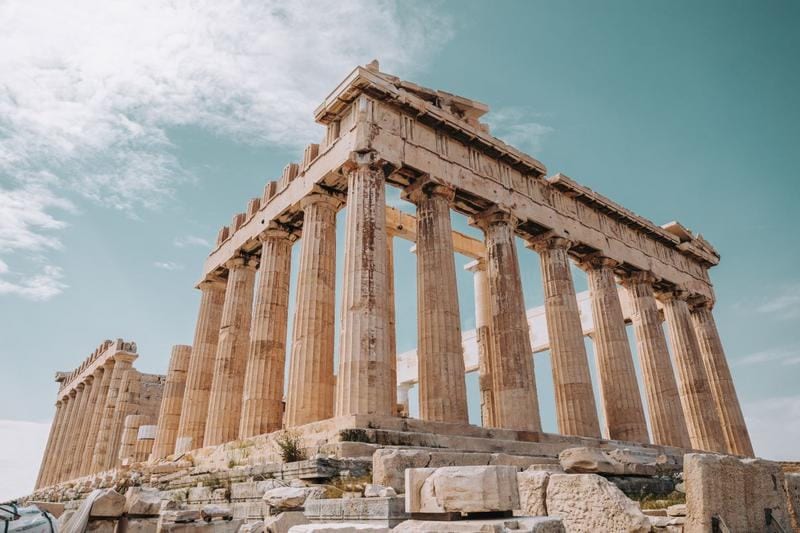
Acropolis
The Acropolis is the symbol of Athens, the sacred rock, linking the fabulous ancient civilisation with the modern city. The monuments on the Sacred Rock date back to the prehistoric era and antiquity. The grandeur and beauty of the Sacred Rock attract Greek and foreign visitors. A visit to the Acropolis is a unique experience.
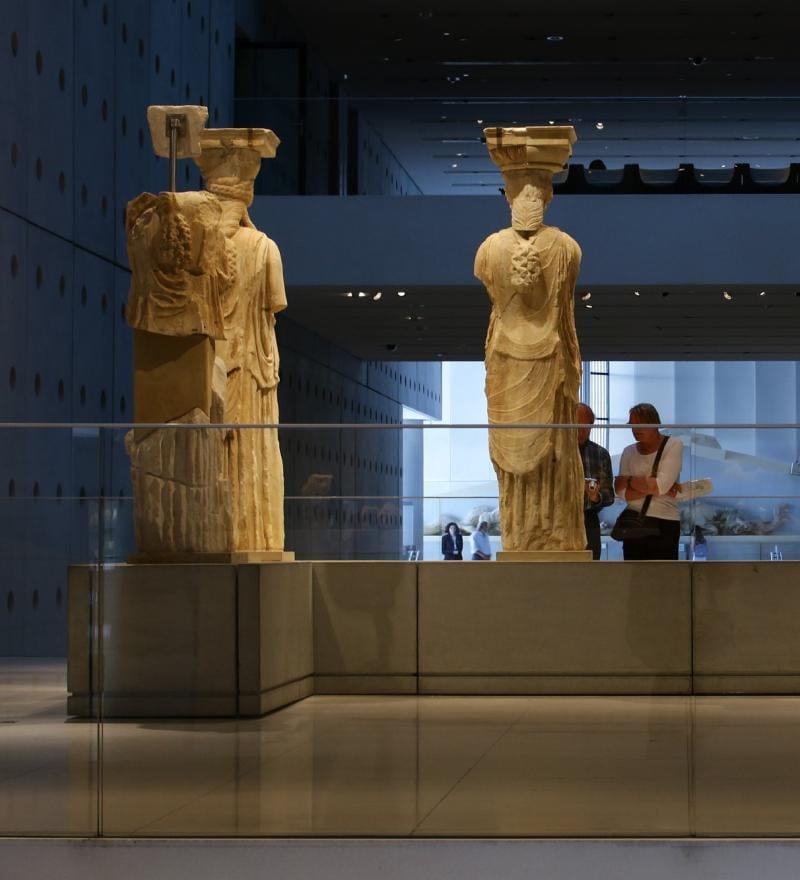
Acropolis Museum
It is one of the most important contemporary works of architecture in Athens. Its construction, designed by architects B. Tschumi and Mih. Fotiadis was completed in 2007. Standing only 300m away from the Acropolis, its total area covers 21,000 sq.m, while it offers a display area of 14,000 sq.m. It is made of steel, glass and concrete; it uses natural light efficiently so that its 4,000 exhibits would show off. The last level (The Parthenon room) has the dimensions and the direction of the Parthenon and it has been rotated by 23 degrees in relation to the rest of the building so that the visitor would have an immediate view of the monument. The surrounding area, visible from the glass floor of the ground level, functions as an openair museum-excavation. The main entrance is on Dionyssiou Areopagitou Street. In addition, the imposing Weiller building stands in the vicinity. Having been built by German architect W. Von Weiller, it combines Byzantine style masonry and neoclassical decorative patterns. Initially it was used as a military hospital and later as police unit headquarters, whereas since 1987 it houses the Acropolis Research Centre
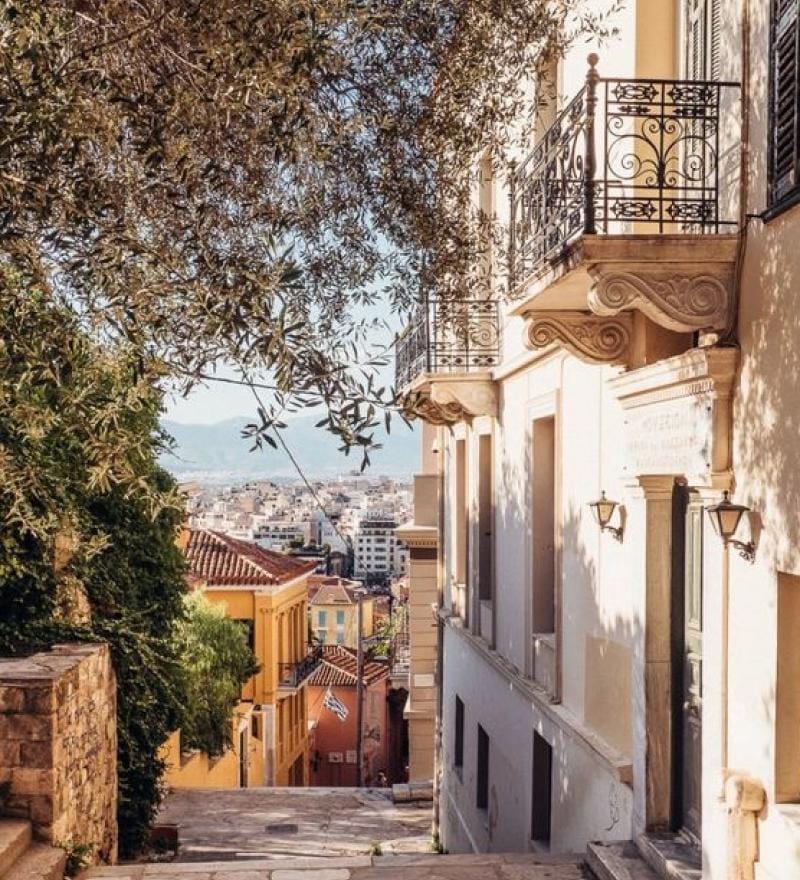
Plaka
Plaka, also known as the "neighbourhood of the gods," is the oldest neighbourhood of Athens. Walking on its paved narrow streets you get the feeling that you are travelling back in time. The origin of the name of the neighbourhood is unknown, although theories abound. According to popular belief, Plaka was named after a slab of stone that was found near the church of Ayios Georgios Alexandrias, in the vicinity of the theatre of Dionysos. The beautiful neoclassical style colour of the houses, the architecture, the well-kept gardens, and the beauty and atmosphere of the neighbourhood are enchanting. In Plaka the air you breathe is different; it is lighter, cleaner, and fragrant, like a gift of the gods. When you visit Plaka you should bring a map, because you might get lost in the labyrinth of narrow streets and alleys. In Adrianou Street, the central street of the neighbourhood, as in other streets in the area, you will find shops selling traditional products, souvenirs, Greek folk art and handicrafts, etc.
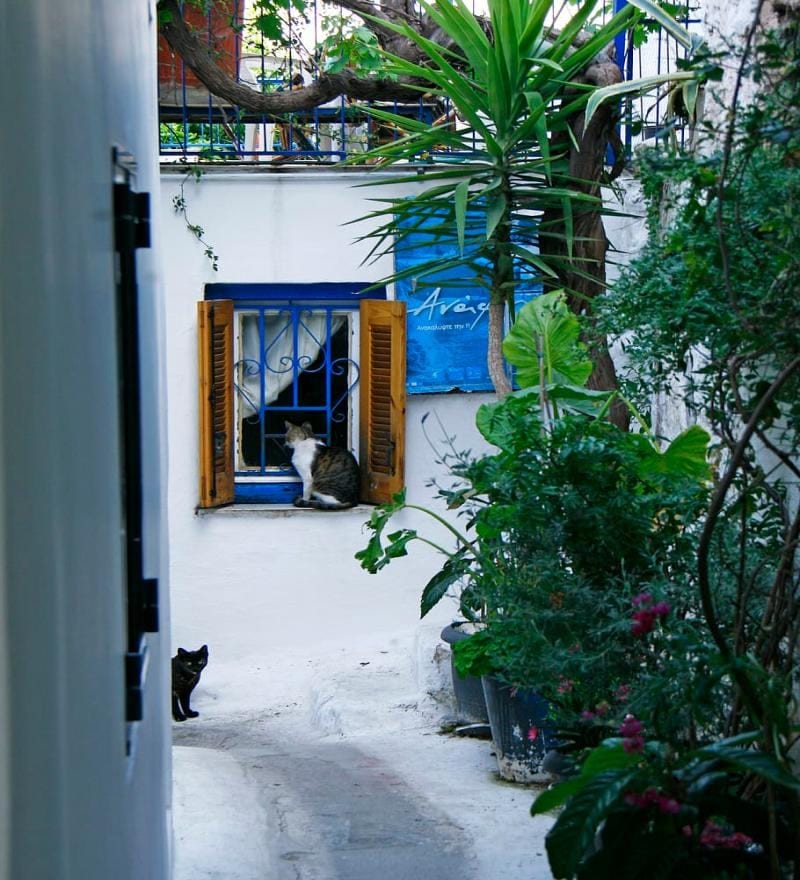
Anafiotika
On the foothills of the Acropolis, has the charm of a beautiful island village. It was built in the mid 19th century by the renowned builders of the Aegean island of Anafi, who were invited to construct the palace of the first king of the Hellenes, Otto. Feeling nostalgic for their birthplace in their long stay in Athens they recreated it in the upper area of Plaka. They built small, whitewashed houses, reproducing the architectural style of their village. We recommend that you visit Anafiotika, the neighbourhood of the Anafiotes
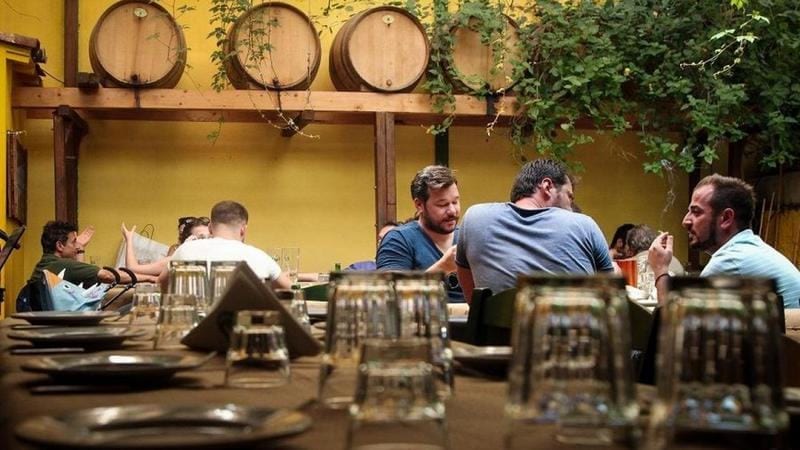
Klimataria Tavern
A century-old taverna in the Koukaki neighborhood at the foot of the Acropolis. Painted vine-leaf walls, live rebetiko on weekends, and the kind of meze plates – grilled octopus, fava, gigantes – that make travelers come back the next night. Order house wine from the barrel and let the kitchen send what's good.
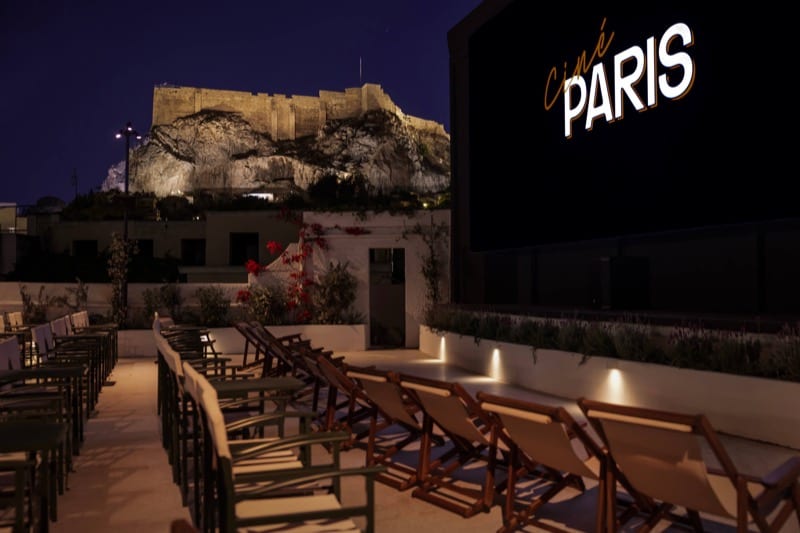
Cine Paris (Open-Air Cinema)
A Plaka rooftop cinema that has been screening films under the stars since 1920 – and from May to October, it has a head-on view of the floodlit Acropolis. Bring a glass of wine, settle into a folding chair, and let the city play behind whatever's on the screen. Buy tickets in advance on weekends.
AthensDay 2
Ancient Agora & Panathenaic Stadium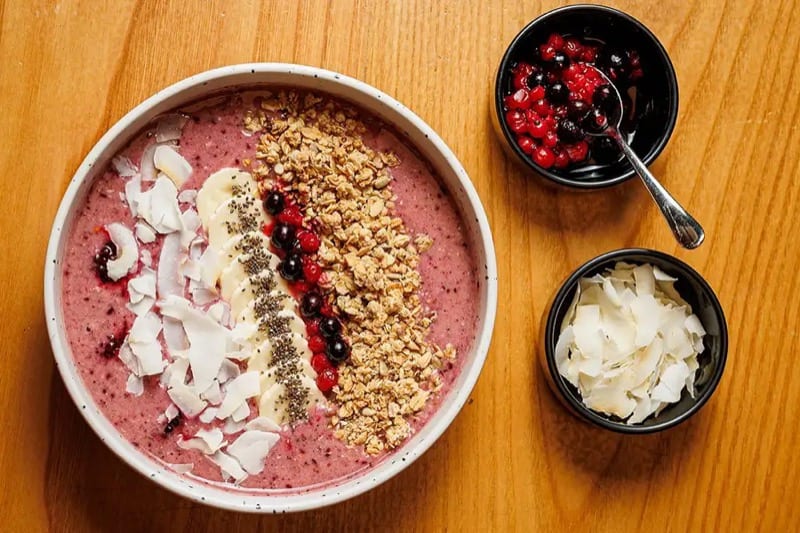
Picky Brunch
Athens' answer to a slow weekend morning – eggs done six ways, freshly baked bread, Greek-yogurt bowls with thyme honey, and excellent specialty coffee. A bright corner spot just off the Plaka tourist routes, popular enough to come early or wait. Sophie's pick for the brunch day in Athens.
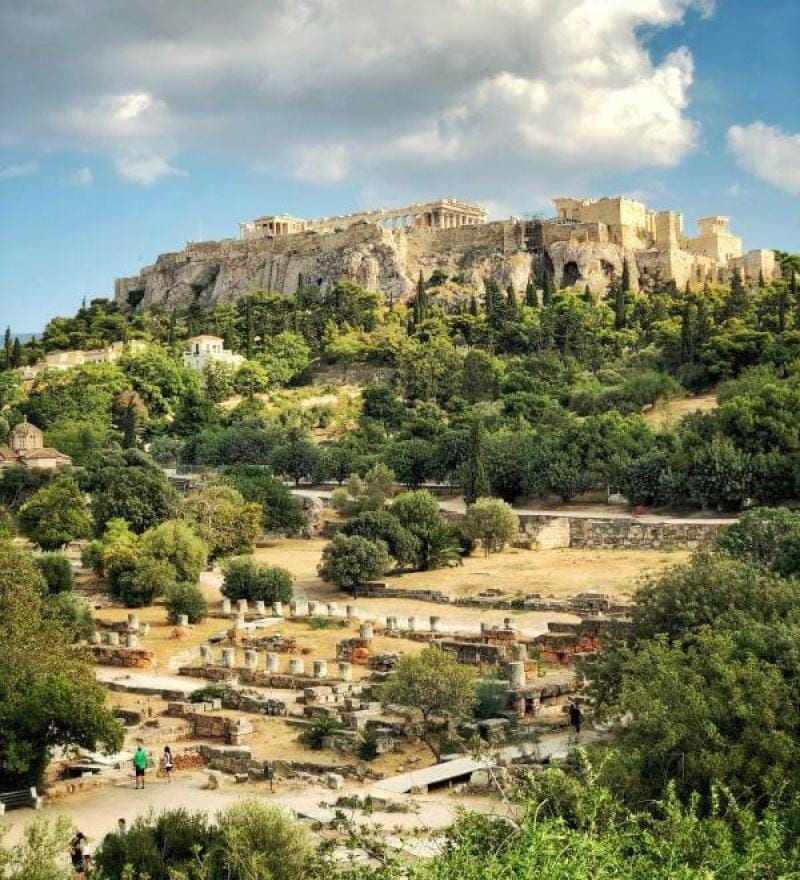
Ancient Agora
The archaeological area of the ancient Agora is located on the foothills of the Acropolis, near Thission Metro Station. In antiquity, the Agora was not solely a commercial centre. It was also an important political, cultural and religious centre. In the area of the agora were located administrative buildings, temples, public services and courts. The Athenians gathered here every day to buy and sell their goods, learn the current news, criticise the government, exchange ideas, or engage in discussion. The area was settled in the Neolithic age. The monuments located there were built in various historical periods: from the classical age to the 11th century AD. The church of Ayioi Apostoloi was built in the 11th century
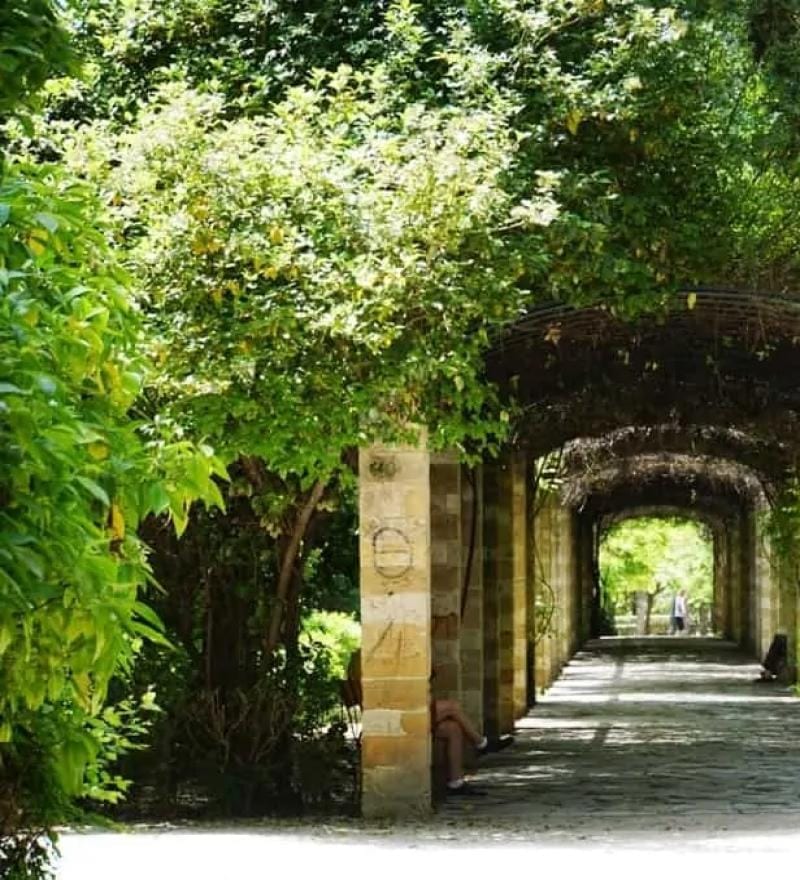
National Garden
The National Garden, open from dawn to sunset, is an oasis in the centre of the city. It has a total area of 160,000 m2. Some five hundred different kinds of plants, bushes and trees from various locations around the world are grown here (in total, it has 7,000 trees and 40,000 bushes). At the same time, it comprises an important natural life reserve in Athens as many different species of birds, hedgehogs, turtles, ducks and even bats are gathered here. The National Garden – which was formerly the palace garden - was laid out from 1838-1860. There are six entrances: at Vasilissis Sofias Avenue, Irodou Attikou Str, Vasilissis Amalias Avenue, and two entrances connecting the National Garden to the Zappeion. You will also find here a small pond, a small zoo, the Botanical Museum, a traditional café, a children's library, a playground, various monuments of antiquity, and the busts of important personalities of modern Greece (among others, politicians and authors).
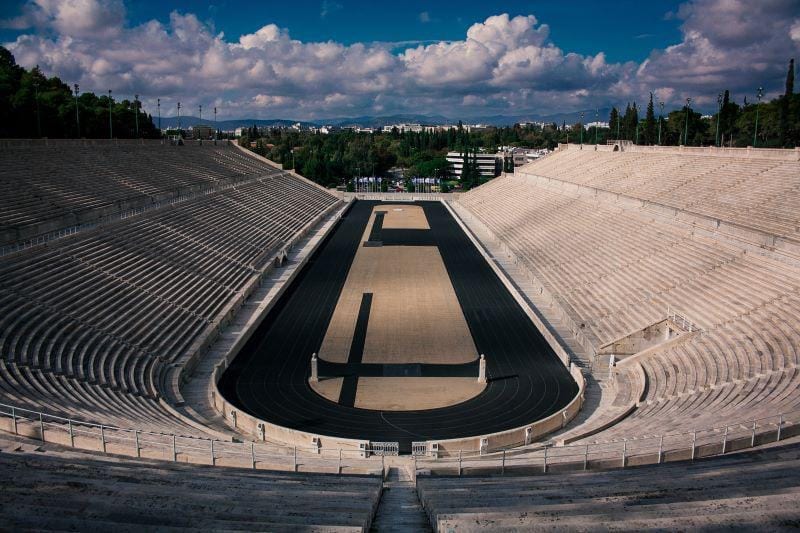
Panathenaic Stadium
Panathenaikon [Panathenaic] Stadium, a remarkable construction, was made of white marble. The horseshoe shaped stadium faces the National Garden. In 330 BC a stadium made of wood was built at this location. Herodes Atticus constructed a marble edifice, which was the model for the edifice of the stadium that stands today. It was used as a space for athletic competitions, which took place during the Panathenaea festival. The stadium that stands today has a capacity of approx. 60,000 spectators. It was built in 1869-1870 and it was the venue of the first Olympic Games in modern history (1896). Surrounding the stadium is the wooded Ardittos Hill, where locals love to go for a walk.
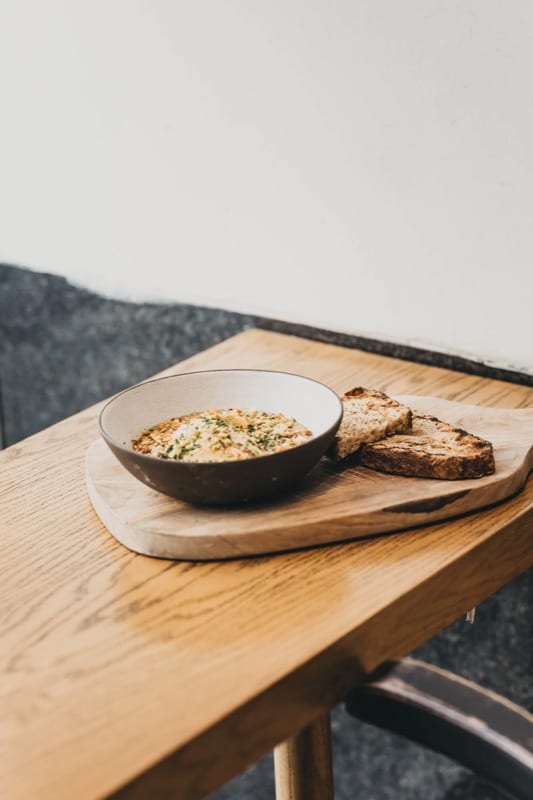
Taverna Ermou
A modern Greek taverna by Ergon House on the Ermou pedestrian street – the lively spine running between Syntagma and Monastiraki. Updated takes on the classics, an excellent Greek wine list, and a buzzy interior in the heart of the city. A reliable lunch or early dinner stop in the heart of Athens.
Ergon House Agora
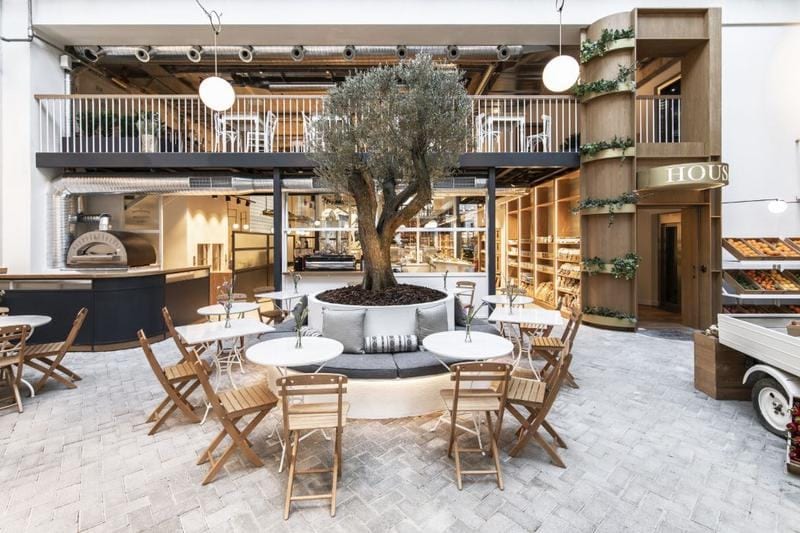
Situated at the foot of the Acropolis in the historical heart of Athens, Ergon House is a seventh heaven for food enthusiasts, complete with ‘rooms above the inn'. The famous owners have conceived a spectacular marketplace, a modern-day agora with a constellation of greengrocers, a butcher's, fishmonger's and bakery, a delicatessen and roastery, along with a bar and restaurant which celebrate the best of Greek cuisine culture. Ergon's farm-to-table seasonal produce is harvested within Greece, including from its own orchard, and its support of a curated community of artisans. The 25-metre glass atrium (featuring a 200-year olive tree, a sacred symbol of peace and friendship) flooded with natural light creates a unique setup for you to enjoy the refined Egon menu.
Milos
Days 3–7 of 12 · 5 nightsFive days on the Cycladic island whose volcanic past sculpted everything you see – Sarakiniko's lunar coves, the painted boathouses of Klima, and the white-sand beaches of the south coast. Book the Polyaigos boat trip early; the wind can cancel later sailings.
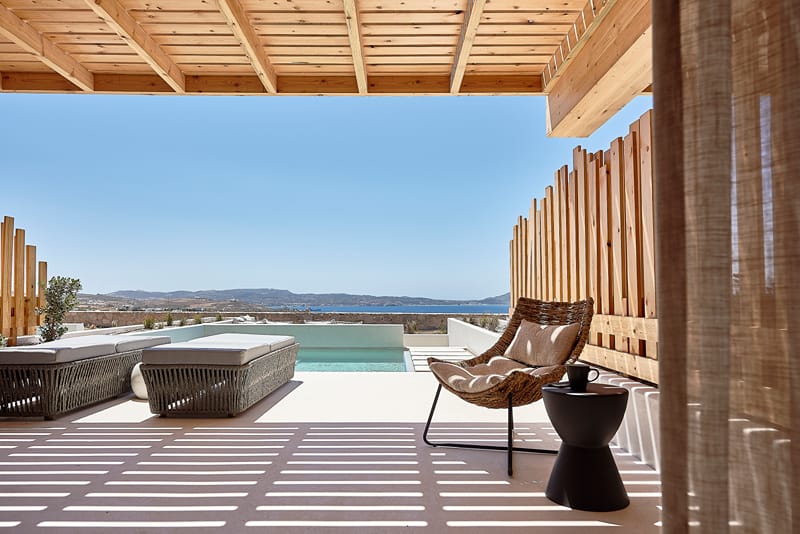
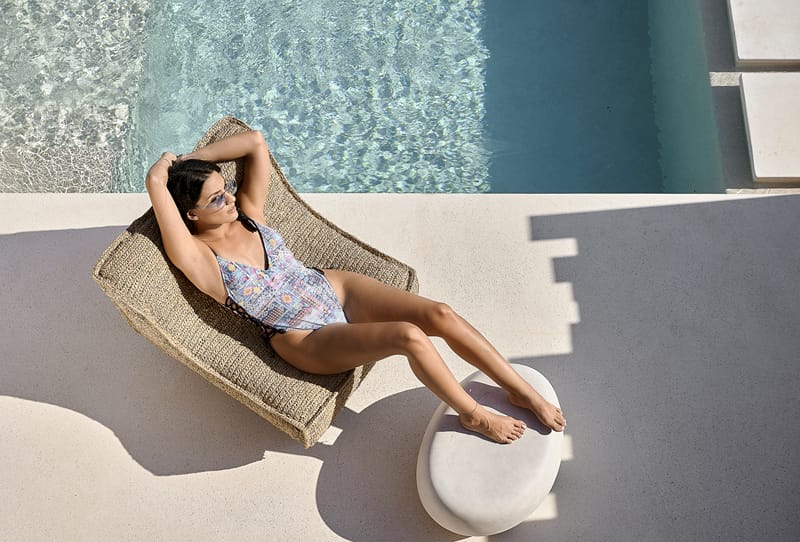
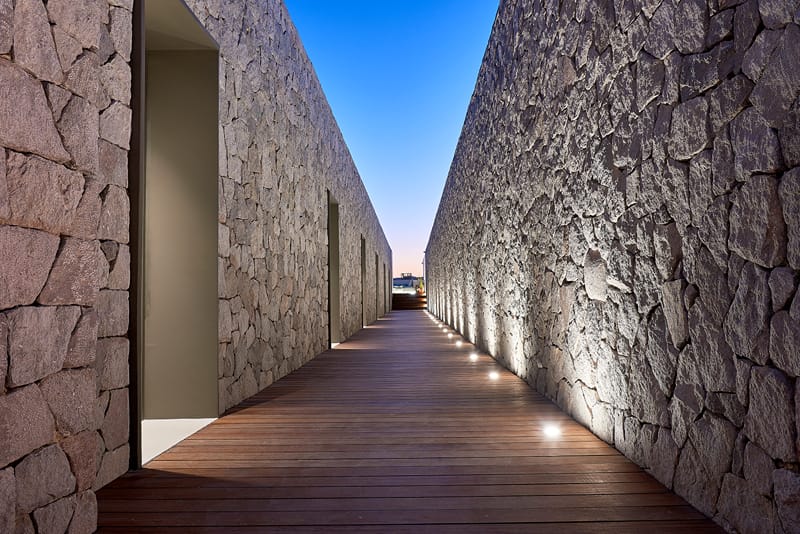
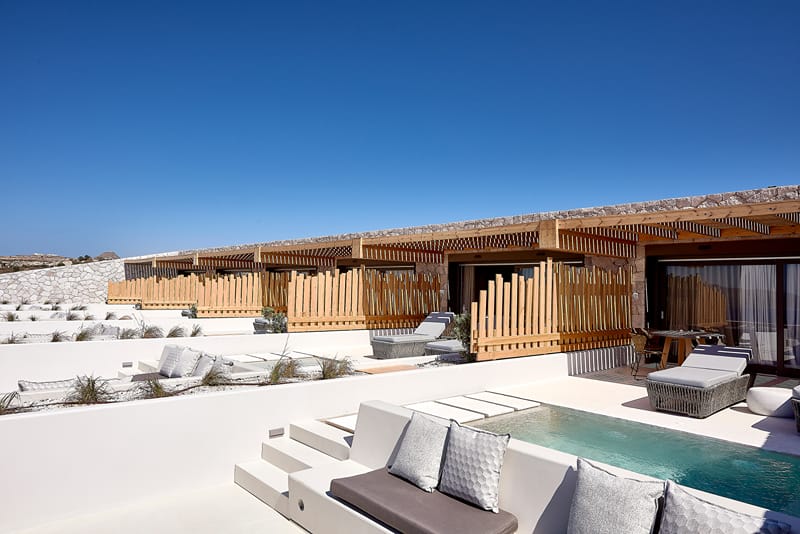
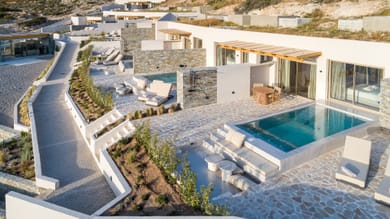
Cave Suites
Private-pool suites with wide sea views, built for quiet.
9.8 Alternative places to stay
MilosDay 1
Adamas & the Mining Museum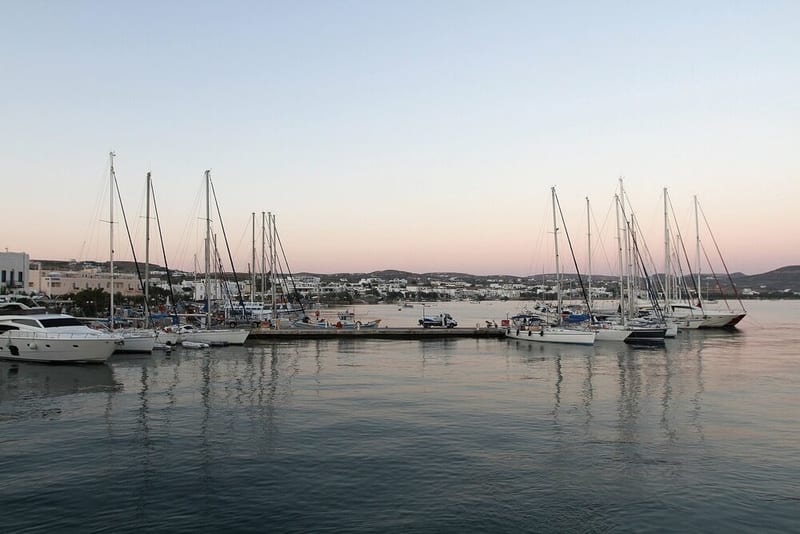
Adamas
Milos's port town and lively heart – where the ferries dock, the restaurants line the waterfront, and the evening passegiata happens. The Mining Museum on the eastern edge tells the volcanic-island story; the small chapels and the inland streets reward an hour of wandering. A natural base for the easy day in the middle of the trip.
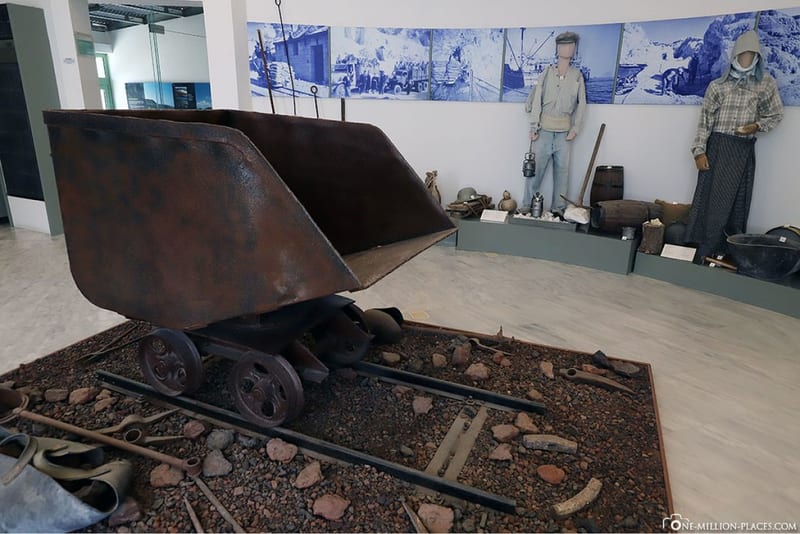
Milos Mining Museum
Exhibits chronicling the island's mining history, including photos, obsidian artifacts & videos.
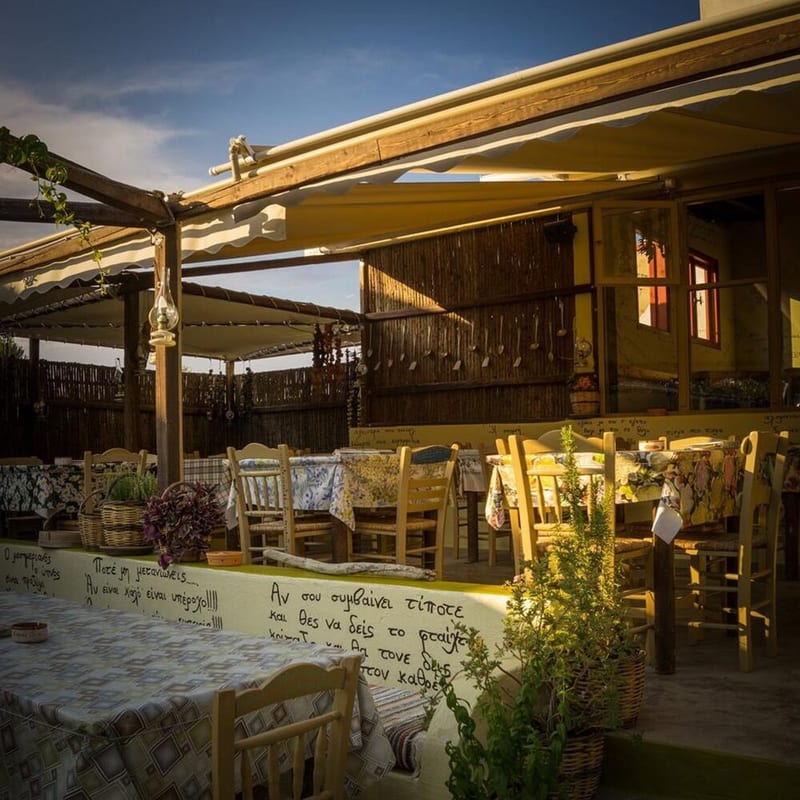
O Hamos Tavern
A garden courtyard buried in bougainvillea, clay plates with the restaurant's name fired into them, and kleftiko lamb that falls apart before you touch it. O Hamos is the kind of place that makes you wonder why restaurants anywhere else try so hard. The kitchen uses milk from the owners' own goats, cheese from their farm, and whatever the sea delivered that morning. The cheese pies are legendary; the fried artichokes appear only in season and disappear fast. Handwritten menu, no pretense, cash preferred. Just outside Adamas, a short walk from the port – arrive early or book ahead, because everyone on the island knows this place.
MilosDay 2
Kleftiko by boat & Plaka village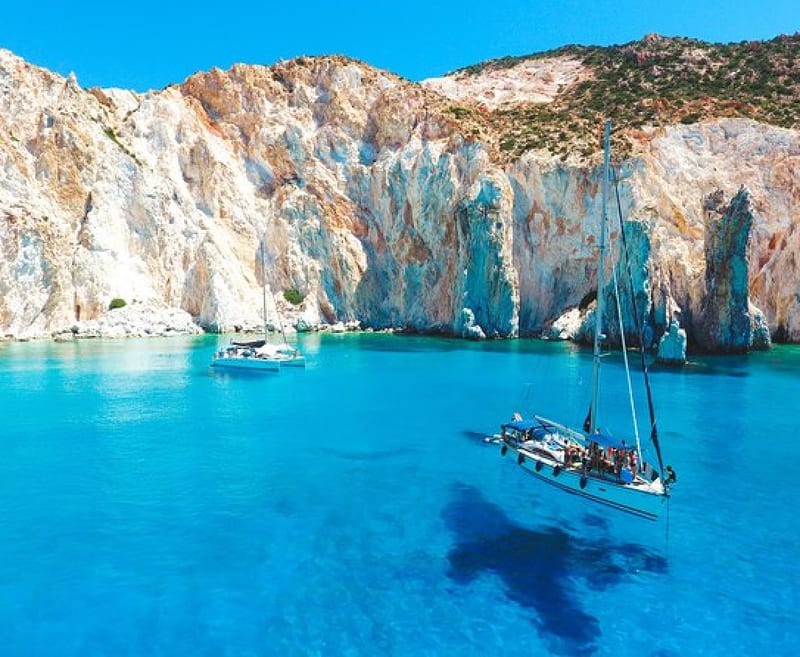
Daily Cruise to Kleftiko - Polyaigos
White rock formations rising from turquoise water, sea caves that once hid pirates, and an uninhabited island with the clearest swimming in the Aegean. The full-day cruise from Adamas is Milos's signature experience – Kleftiko's sculpted cliffs are only reachable by boat, and the caves reward those who swim inside. The stop at Polyaigos island brings you to Galazia Nera (Blue Waters), where the color is almost synthetic. Most boats include lunch, snorkeling gear, and six to eight swimming stops along the coast. Sailboat tours are smoother than speedboats. Book well ahead in summer – the trip sells out fast.
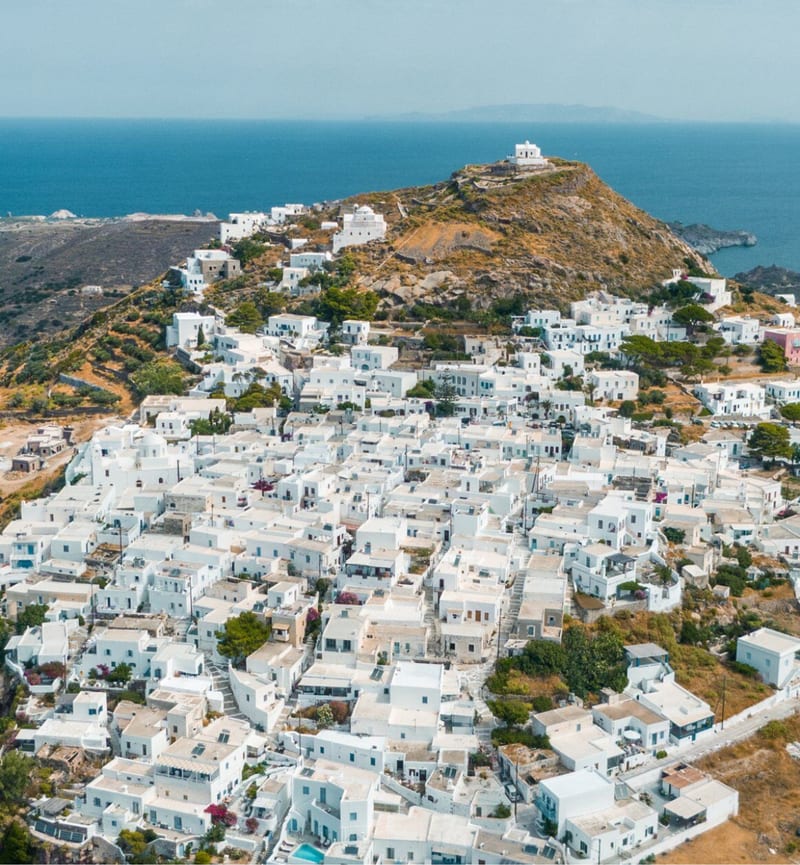
Plaka Village
Plaka is the chief town in Milos, a Greek island in the Cyclades group. It is perched on the top of large rock, overlooking the gulf of Milos. No cars can enter the village because of the narrow spaces between walls and buildings. Motorbikes, mopeds and the like are the only usable vehicles.
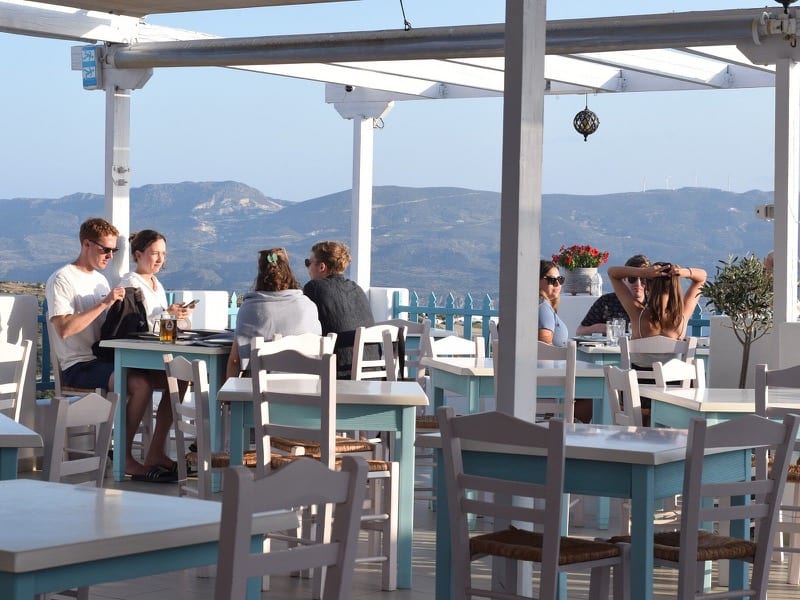
Ergina
A long-running family taverna in Plaka village, perched right where the sunset light hits the whitewashed alleys. Greek classics done well – moussaka, lamb in vine leaves, fresh fish – and the kind of view that makes you stay for one more glass of wine. Sophie's sunset dinner pick.
MilosDay 3
Sarakiniko & Klima village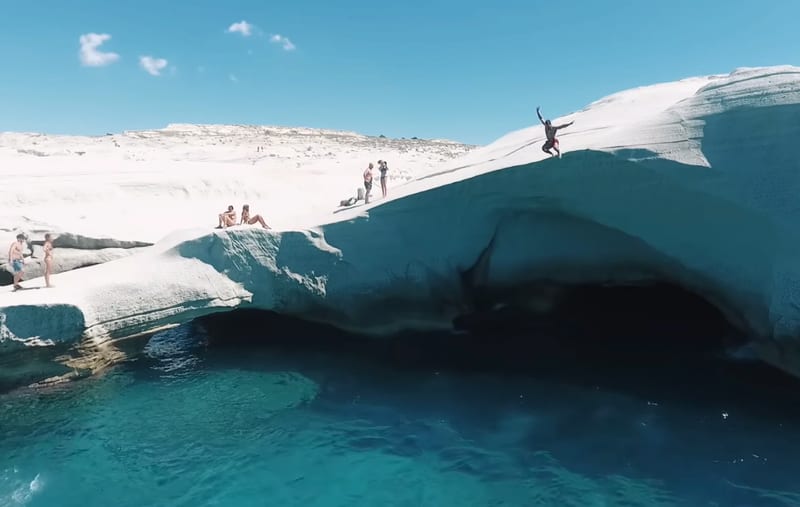
Sarakiniko Beach
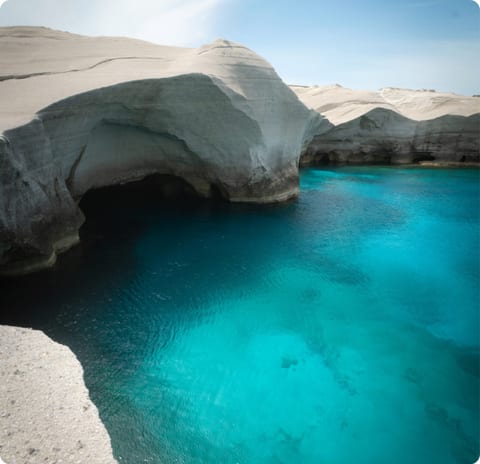
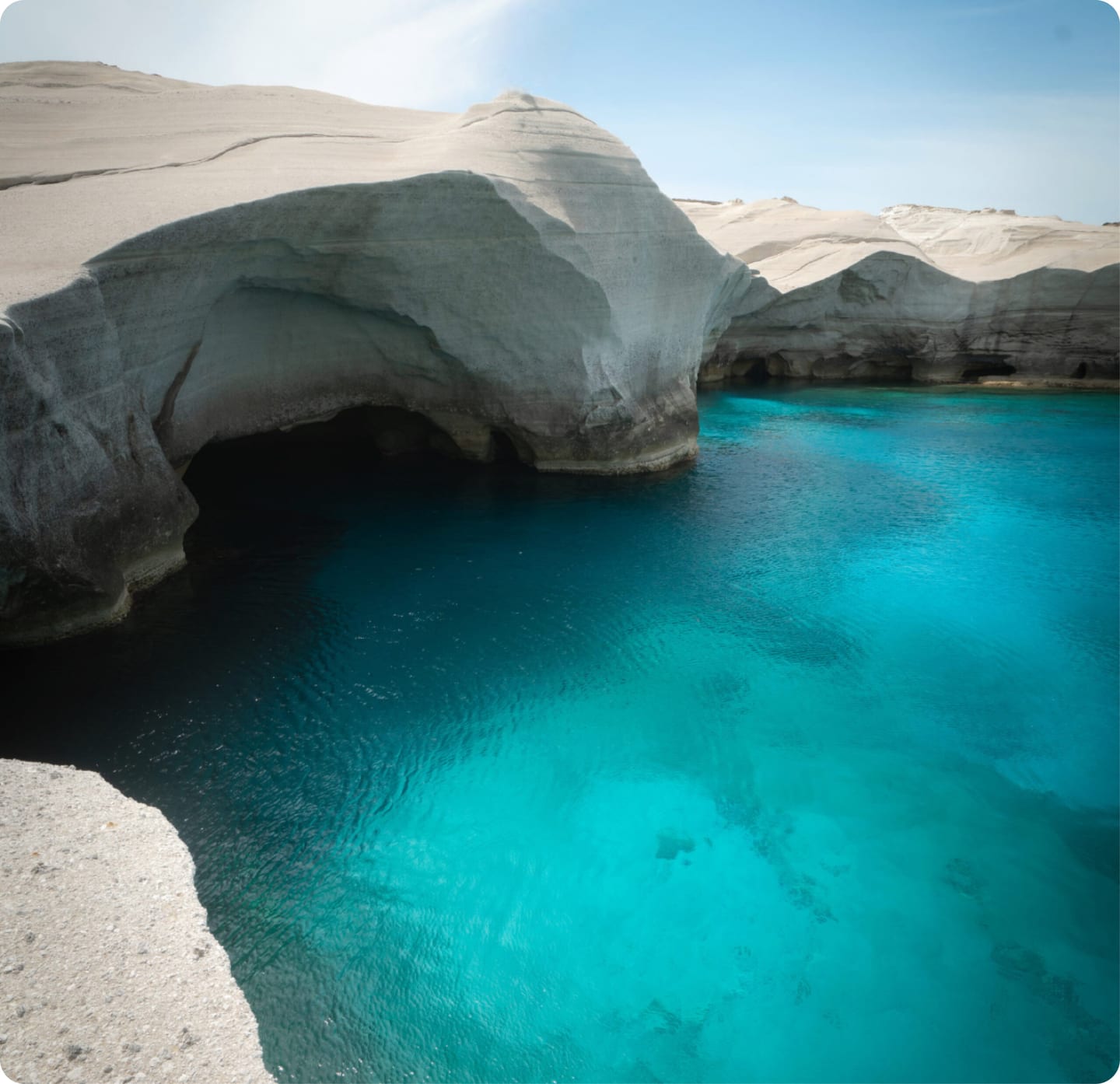
Sarakiniko with its grayish-white, “sculpted” volcanic rocks is famously described as lunar. These amazing formations have been shaped by the waves driven by the north winds, creating a setting often compared to a moonscape. Photo opportunities abound!
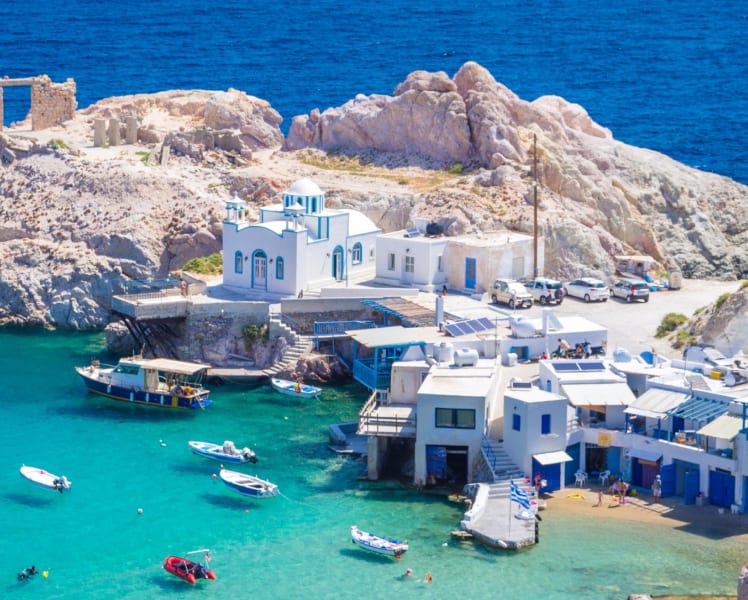
Fyropotamos Beach
Beautiful and tranquil, with transparent water of welcoming temperature. Very safe and great for kids, but also romantic and a great fit for couples. Make sure to get there early to snag one of the few available beach chairs. Parking is a bit tight and you have to walk down a hill to get to the beach. There are loungers and umbrellas you can pay for, but there are also a couple of trees for shade. A bar is also available to quench your thirst or get something to eat. Yes, the toilet is very basic and yes you need to be careful on the drive down, but the beach experience itself is what will remain with you for years to come. Make sure you take the time to go to the end of the road where the church is and look back – the view from there is stunning. Fyropotamos beach is only a few minutes away from Mandrakia and Sarakiniko, another do-not-miss spot.
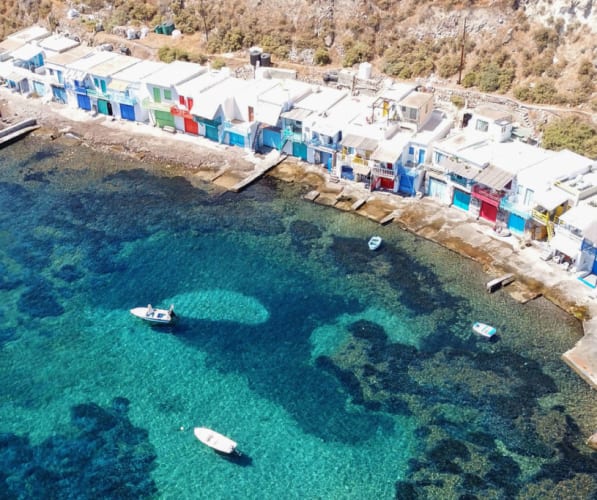
Klima Beach
On the north peninsula of Milos on the inner harbour is the colourful town of Klima Milos. If you are staying in the hilltown town of Plaka Milos, you can reach Klima village Milos in 10 minutes flat.
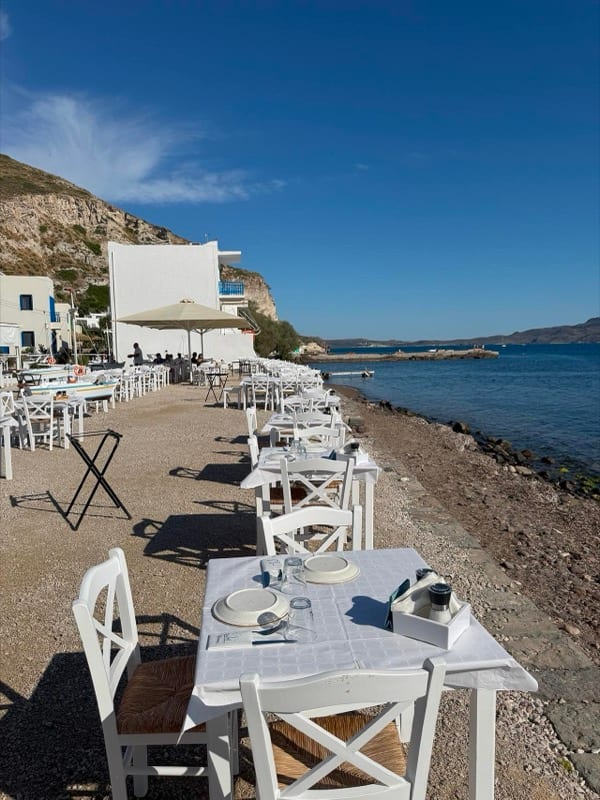
Astakas
Sophie's lunch pick in Klima – a tiny taverna on the seafront with tables almost in the water, painted boathouses behind, and a kitchen that does seafood right. Order the lobster pasta if it's on, otherwise grilled octopus and a tomato salad. Book ahead, especially in August.
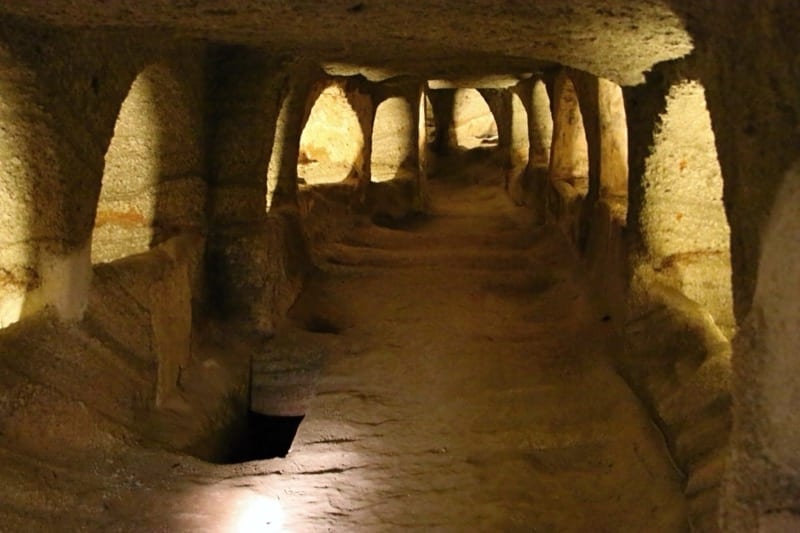
Catacombs of Milos
One of the most important early-Christian monuments in the world – a 2nd-century underground burial complex carved into the volcanic hillside above Trypiti. Three connecting galleries, hundreds of arched tombs, and traces of original wall paintings. A short, atmospheric visit and an unexpected counterpoint to the island's beach reputation. Closed Tuesdays.
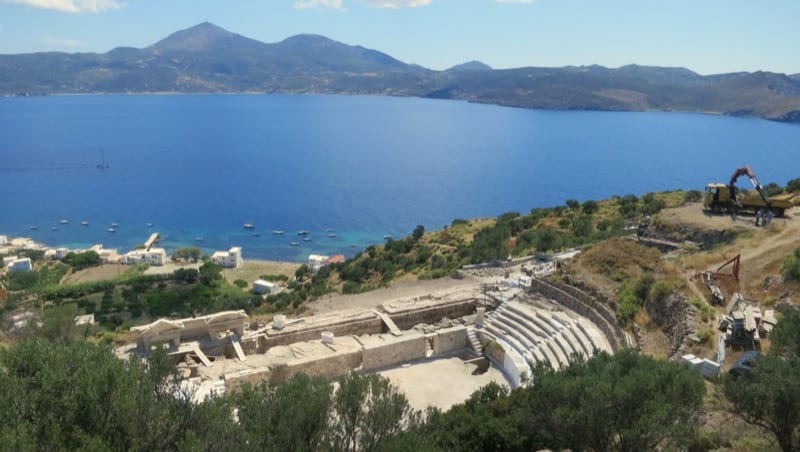
Ancient Theatre of Milos
A small but beautifully preserved Roman theatre cut into the slope above Klima, with the Aegean spreading out below the marble seats. Built in the Hellenistic period and rebuilt by the Romans, it's a five-minute walk from the spot where the Venus de Milo was discovered in 1820. The view alone is worth the climb.
MilosDay 4
Fyriplaka & Paliochori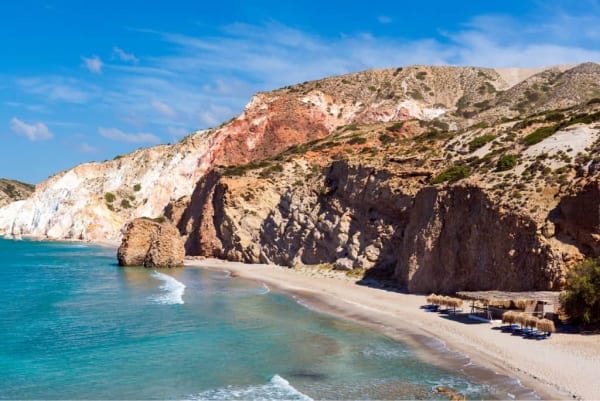
Fyriplaka Beach
Firiplaka with its towering volcanic cliffs, snow-gray fine sand, white pebbles and shallow turquoise waters is situated between the beaches of Provatas and Tsigrado. The extensive beach has umbrellas, sunbeds and a bar hut. There is also a cave under a huge rock in the water near the shore carved out of a volcano a long time ago. Access to the beach is possible by your own vehicle, taxi, bus or even by boat which goes around the island, starting from the port of Adamas. While most of the road is asphalt, the last part of it is a gravel paved driveway.
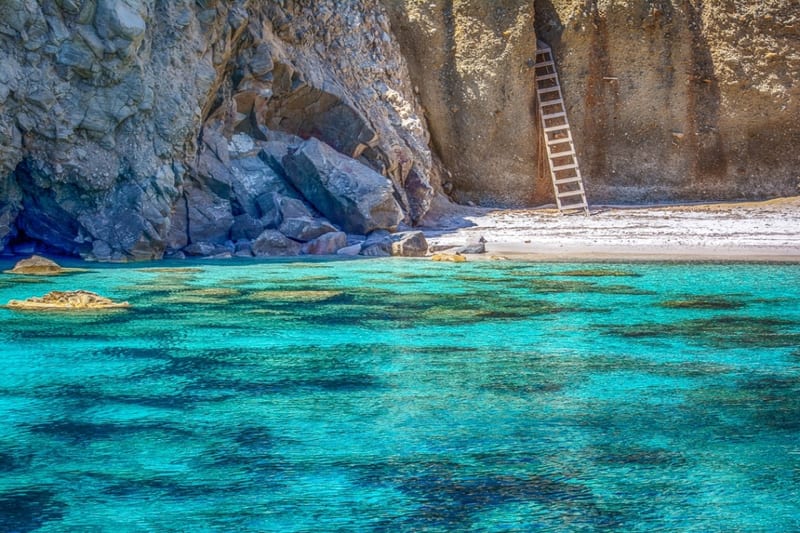
Tsigrado Beach
Follow the amazing paddling trail to Tsigrado. Visit the famous beach of Tsigrado the easiest way possible! Get a kayak or stand-up-paddle (SUP) from Fyriplaka beach and reach Tsigrado through the water. Have fun paddling and discoverevery hidden place!Do you want to visit Tsigrado without worrying about the tiring and sometimes dangerous climbing that is otherwise required? You can rent a kayak or stand-up-paddle (SUP)from our kiosk at Fyriplaka beach. Paddle along the shore for approx.1km (0.62 miles) and reach Tsigrado beach within 15 minutes. Not only is this the easiest and safest way to reach Tsigrado, but also during your paddling route you will come across many points of interest. You will have the chance to visitwonderful places that are accessible only through the water, swim in the unique clear-blue waters and explore hidden caves!
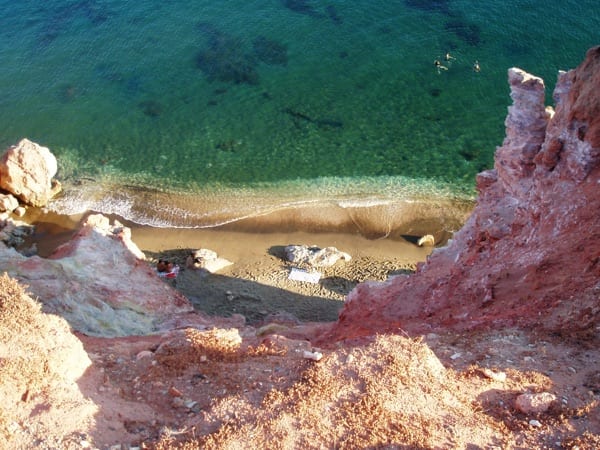
Paliochori Beach
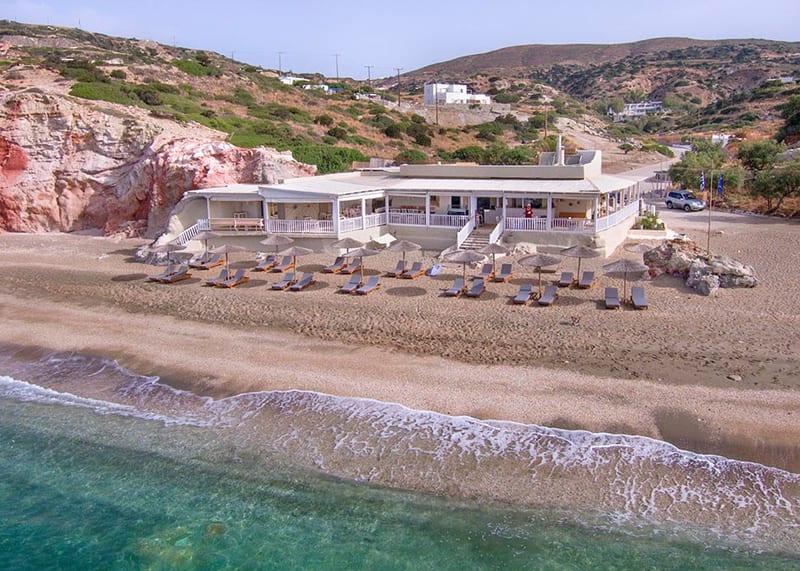
Volcanic colors you won't find on any other shoreline – dark sand giving way to red and yellow cliffs that still vent heat from below. Paliochori stretches across three coves on Milos's south coast, each with its own character. The central section is where beachside tavernas grill fish over geothermally heated sand – order the baked tomatoes, cooked in the earth itself. Hot mineral springs bubble up through the seafloor in the shallows, warming patches of water to almost bath temperature. The multicolored rock formations behind the beach shift from ochre to green to rust, proof of the island's volcanic restlessness. Sunbeds available in the main cove; the western section is quieter.
Sirocco Restaurant
A Paliochori beach taverna with one trick no one else can copy – they cook in the volcanic sand. Lamb wrapped in vine leaves, octopus, baked tomatoes, even bread, all slow-cooked in the geothermally hot earth right behind the dining tables. Book ahead and stay for a swim afterward in the warm-water shallows.
MilosDay 5
Kimolos & Prassa beach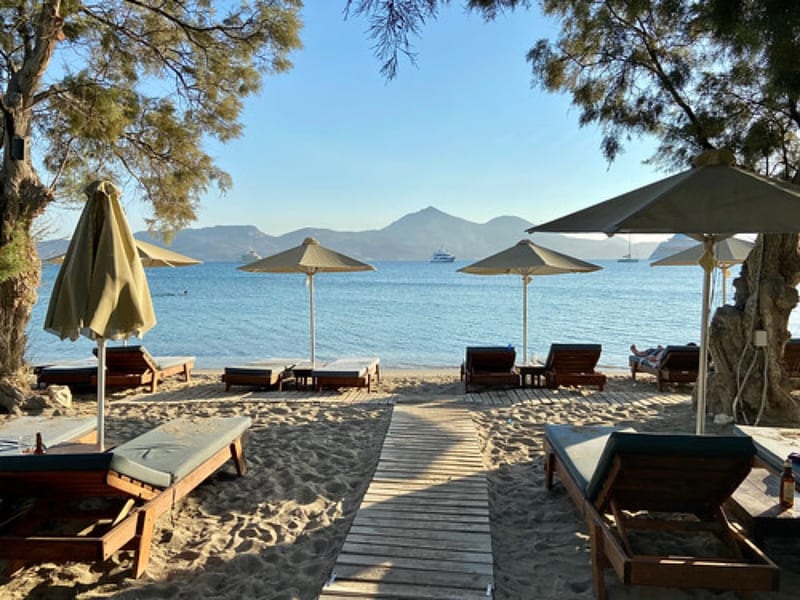
Papikinou Beach
The closest swim to the port – a long pebble-and-sand strip on the bay just east of Adamas, with shallow turquoise water, a few tavernas at the back, and easy parking. Not the most dramatic beach on Milos, but the easiest one for an "easy day" between the boat trips and the long beach drives.
Karras Beach - Kimolos
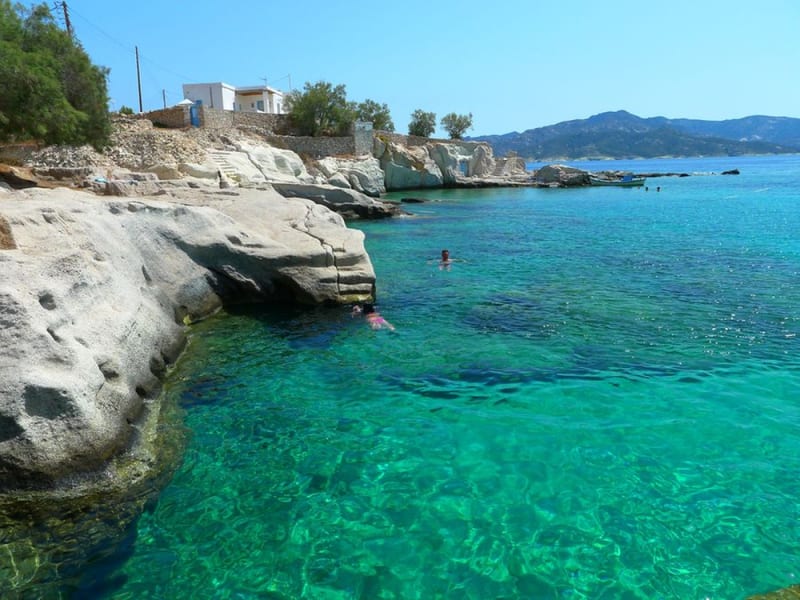
To the north of Psathi-Kimolos, you will find Karras Beach, an ideal place for swimming and a spot of sun bathing on the rocks. The rocks are totally worth exploring and seabed is good for snorkeling. The beach has lovely views and clear water for jumping in and swimming. Karras is accessible by 15-minute walk from the town (Chorio). If you visit the beach, do not miss to walk or swim to Goupa which is right next to it. It is not a place you would spend too much time but well worth for a couple of hours. There is no shade or any facilities so, bring a hat, sun cream, water and some snacks to eat. Apart from some rooms to let, there is no real infrastructure for tourists.
Prassa (Agios Georgios) Beach - Kimolos
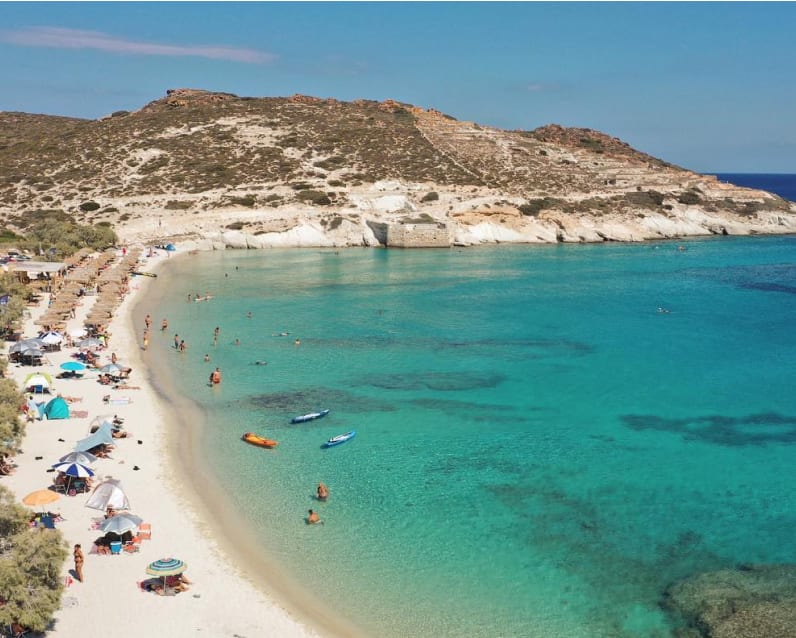
Prassa is a coastal area on the Northeast part of Kimolos, overlooking a small island called Prasonisi. Its fame comes from the same-named white beach (or Agios Georgios beach) that is situated in the northeastern part of the bay. Prassa is arguably the most stunning beach of Kimolos. It has never seized to amaze visitors with its brilliant light blue – sapphire waters and its powder-like white sand. The vivid blue color against the white sand creates an amazing Caribbean-like scenery, excellent for swimming. The waters are so clear that you can see the interesting underwater life, spot corals and sea urchins as well as colorful reef fish. Prassa is accessible by car and by bus through a good-condition dirt road and currently has a small beach bar and a few umbrellas. In August, Prassa can be quite busy with sailboats and small yachts, but it still worths a visit.
Agios Nikolaos
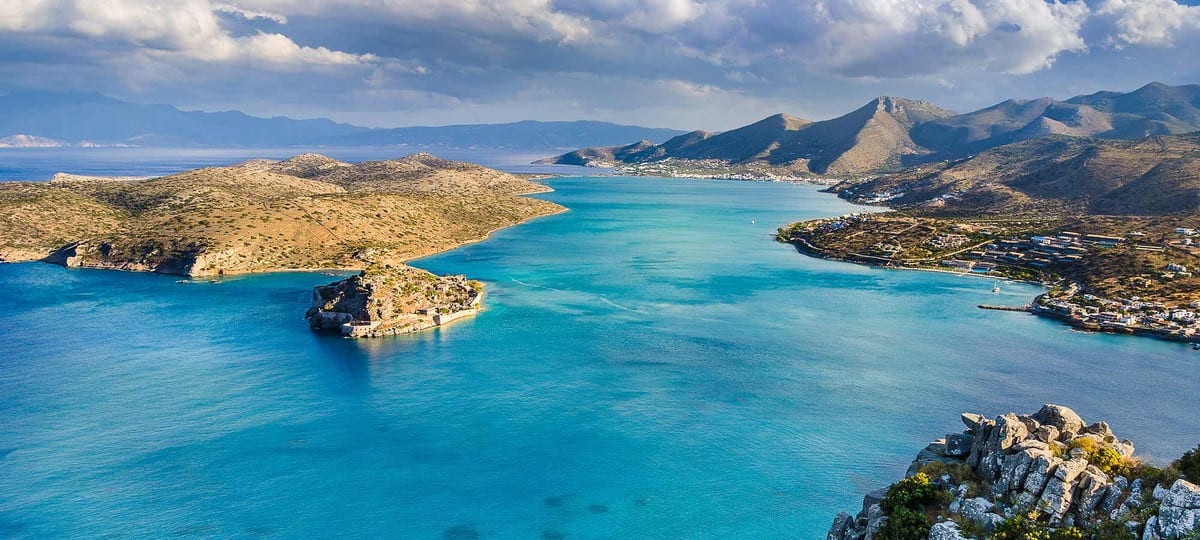
Days 8–12 of 12 · 5 nightsFive days based in Agios Nikolaos – Crete's most authentic side. Day trips to Kritsa's mountain village and gorge, a guided BBQ boat to Spinalonga, the long drive south to Ierapetra and a full-day boat to Chrissi Island, and finally a history day with Knossos and the heart of Heraklion.
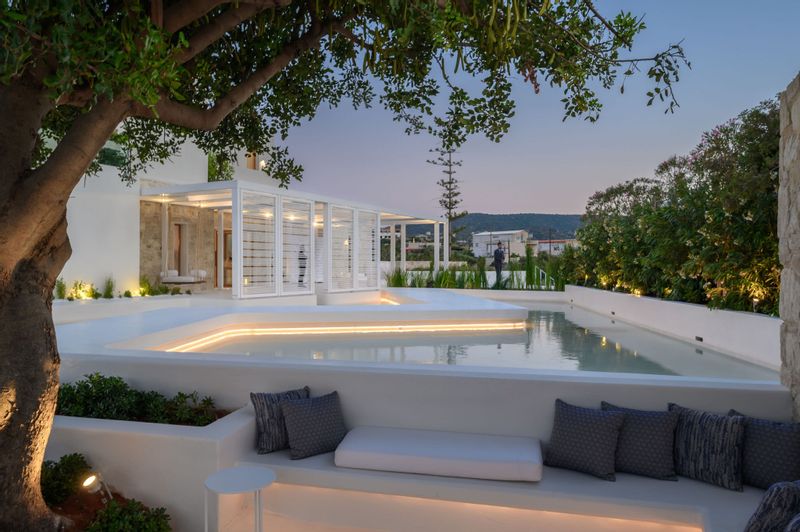
The Island Concept
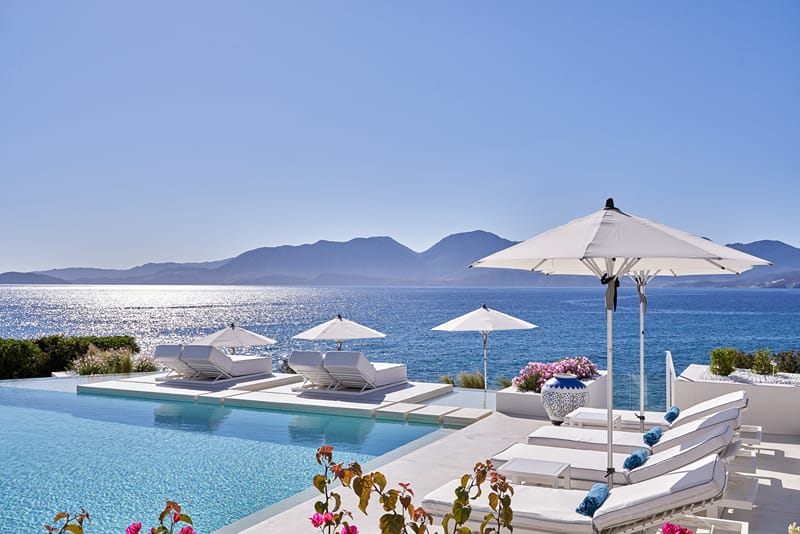
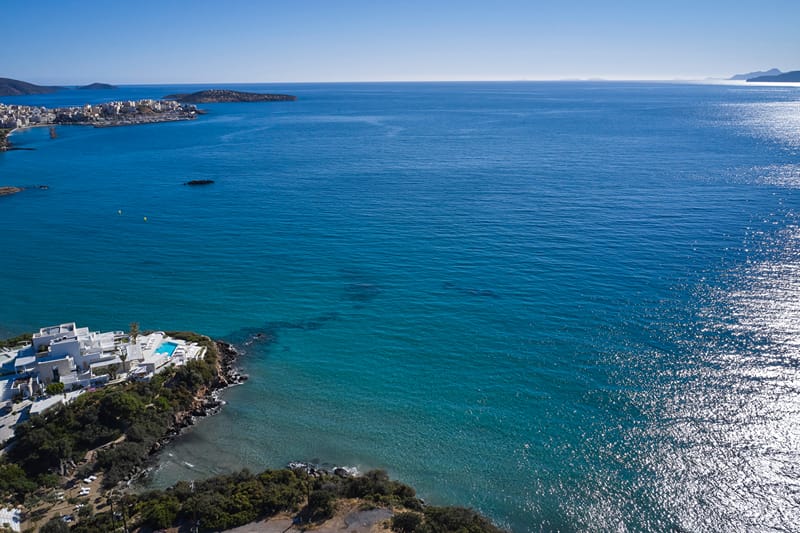
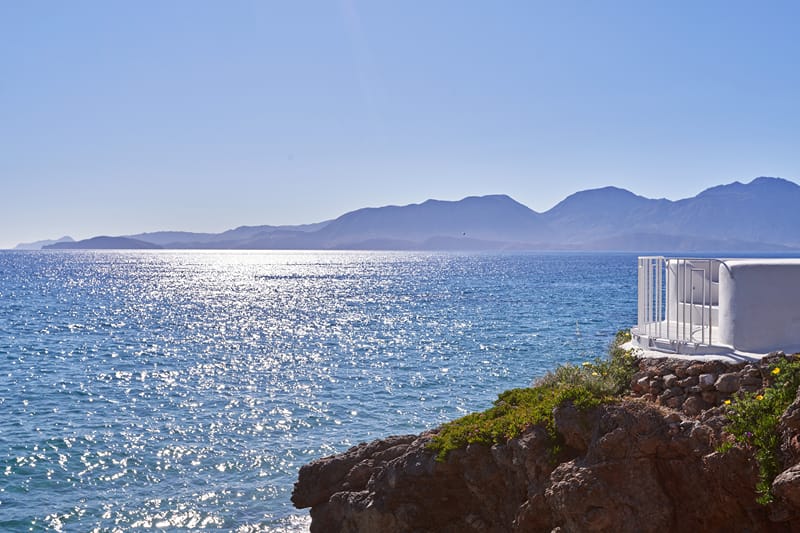
A seaside boutique retreat on its own quiet corner of Mirabello Bay.
9.3 Alternative places to stay
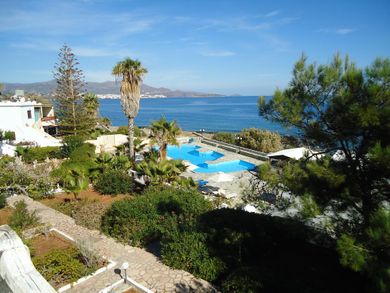
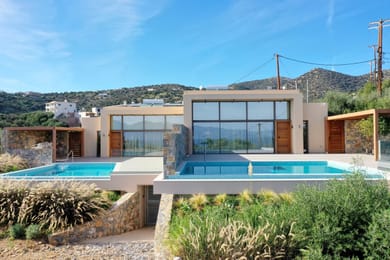
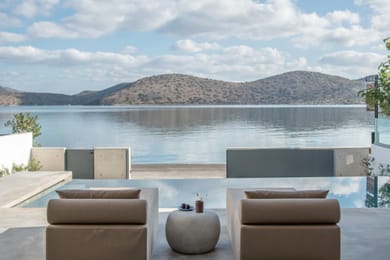
Agios NikolaosDay 1
Voulisma at Istron Bay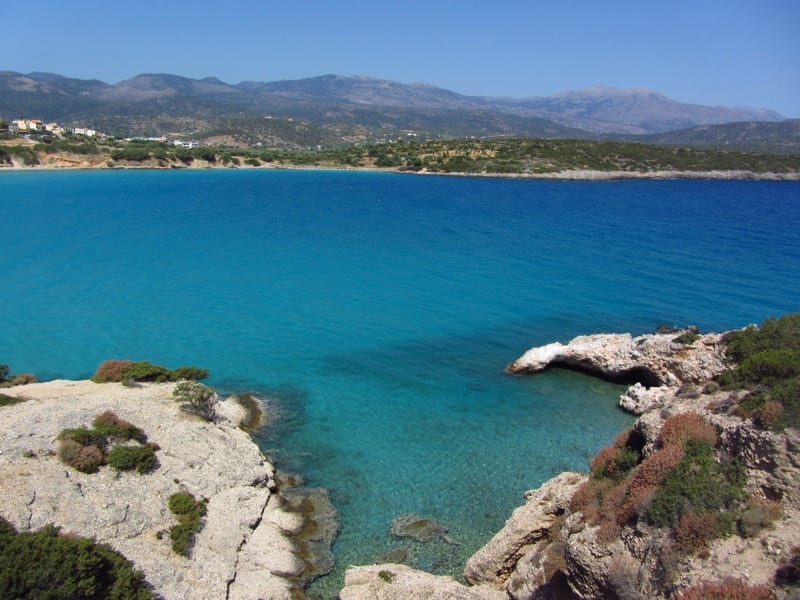
Voulisma Beach (Istron Bay)
The "Caribbean of Crete" – a curving white-sand beach in the bay of Istron, twenty minutes east of Agios Nikolaos, with shallow turquoise water and small tavernas at the back. Crowded in August but unforgettable. Pair with the smaller, quieter neighbouring coves of Karavostasi and Big Bay if you want to escape the crowds.
Agios NikolaosDay 2
Kritsa village & its gorge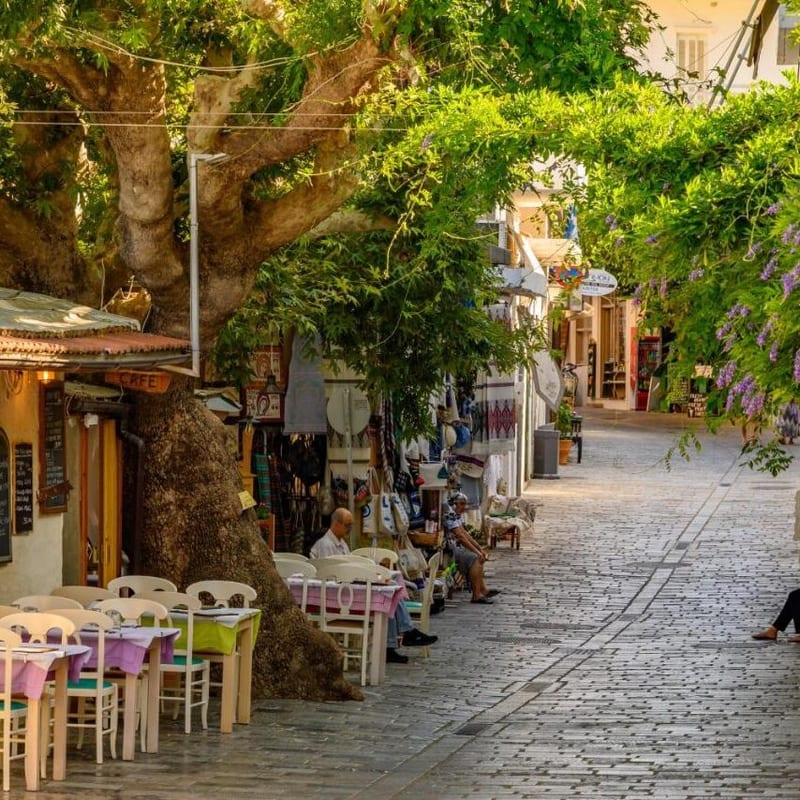
Kritsa Village
One of Crete's most photogenic mountain villages – a steep cluster of whitewashed houses, narrow stone alleys, and a famous co-op of weavers selling handmade textiles from doorways. Eleven kilometers inland from Agios Nikolaos, perched in the foothills of the Lasithi mountains, with views all the way down to Mirabello Bay. The 13th-century Panagia Kera church on the way is one of the most important Byzantine churches in Crete.
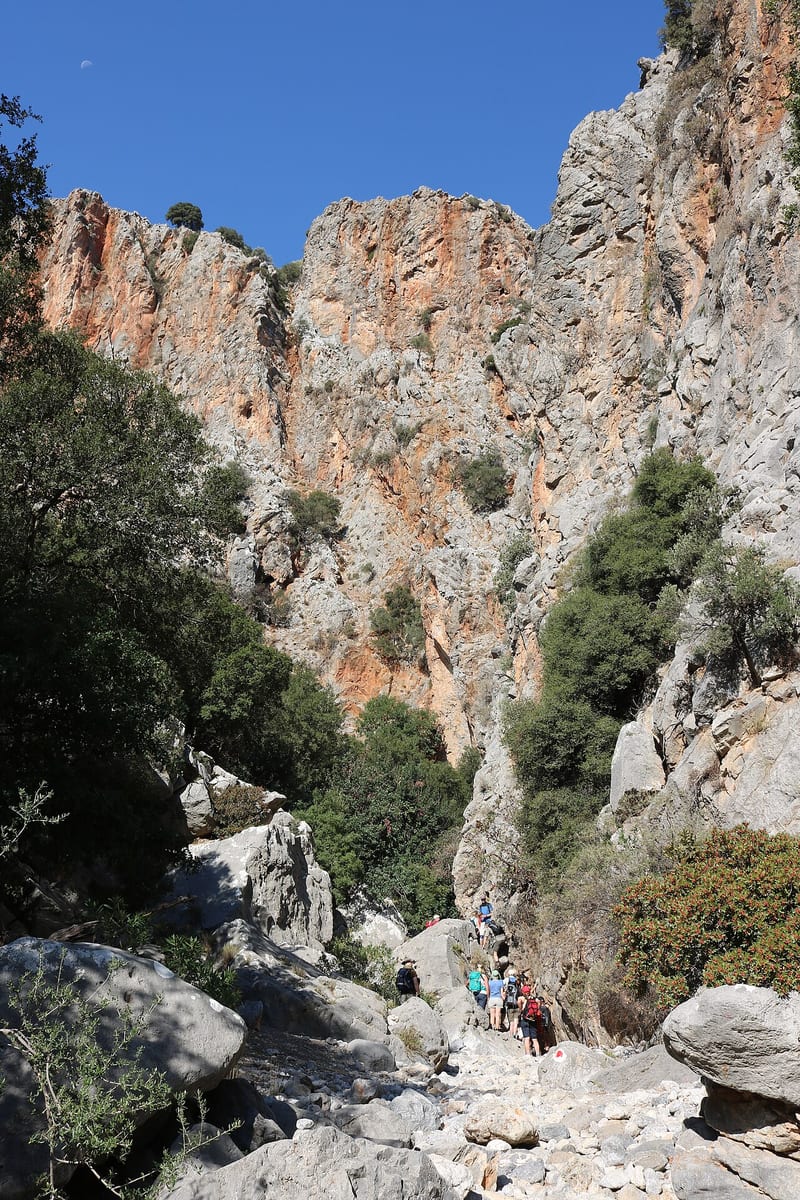
Kritsa Gorge
A short, dramatic gorge starting just above Kritsa village. Towering limestone walls, wild oleanders along the path, and a relatively easy 2-hour hike (one way) that ends at a small chapel. The gorge can be done as a half-day from Agios Nikolaos and pairs naturally with a stop in Kritsa village. Bring water, decent shoes, and start early in summer.
Agios NikolaosDay 3
Spinalonga by boat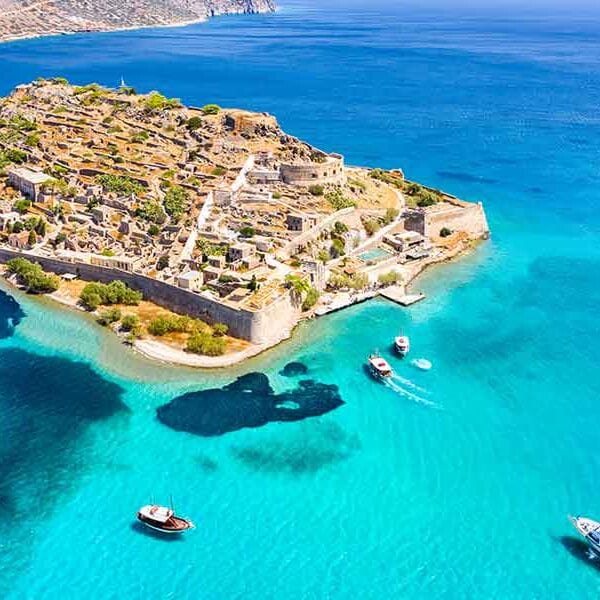
Spinalonga Boat Tour with BBQ
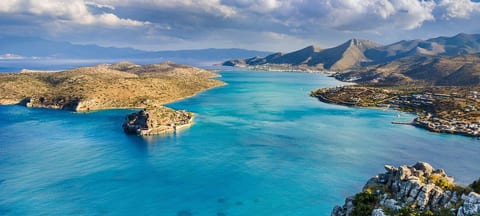
A guided full-day boat tour from Agios Nikolaos or Elounda to Spinalonga – the small fortified island that served as a Venetian fortress and, later, Greece's last leper colony until 1957. The story is haunting; the walk through the abandoned village and around the fortifications is powerful. Most boats include a stop for swimming in the protected bay and a Cretan BBQ lunch on board.
Agios NikolaosDay 4
Heraklion & Knossos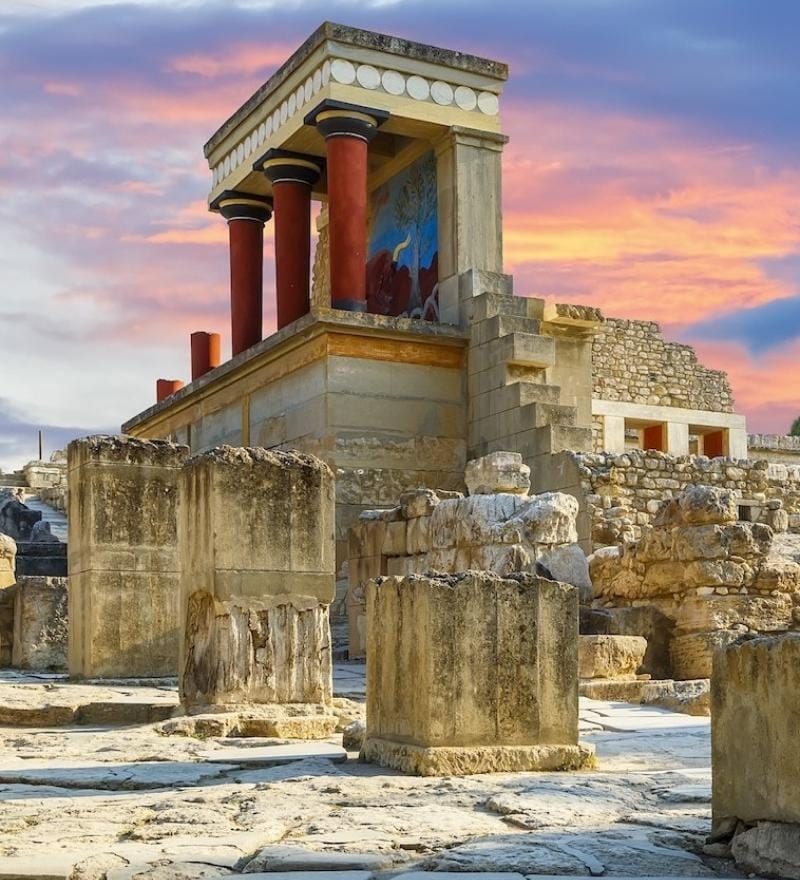
Knossos Palace
Crete's biggest and best-preserved Minoan site lies just five kilometers southeast of Heraklion. It is one of the most important tourist attractions on Crete. A vast monumental palace, with four wings built around a spacious central courtyard, Knossos is believed to have been the mythical Labyrinth of King Minos. Remarkably sophisticated, it included ceremonial spaces, living areas, storage rooms, elaborate decoration, and a complex drainage system. Although excavations show that there was a palace here as early as 2000 BC, what you see today dates mainly from 1450 BC. Take into consideration when touring the site that some slightly over-imaginative reconstruction from the early 20th century has taken place. The frescoes you see are replicas; the originals are in Heraklion Archaeological Museum. Buses from the Old Town leave every 15 minutes for Knossos during the summer season, making it extremely easy to visit. If you have your own car, parking is free.
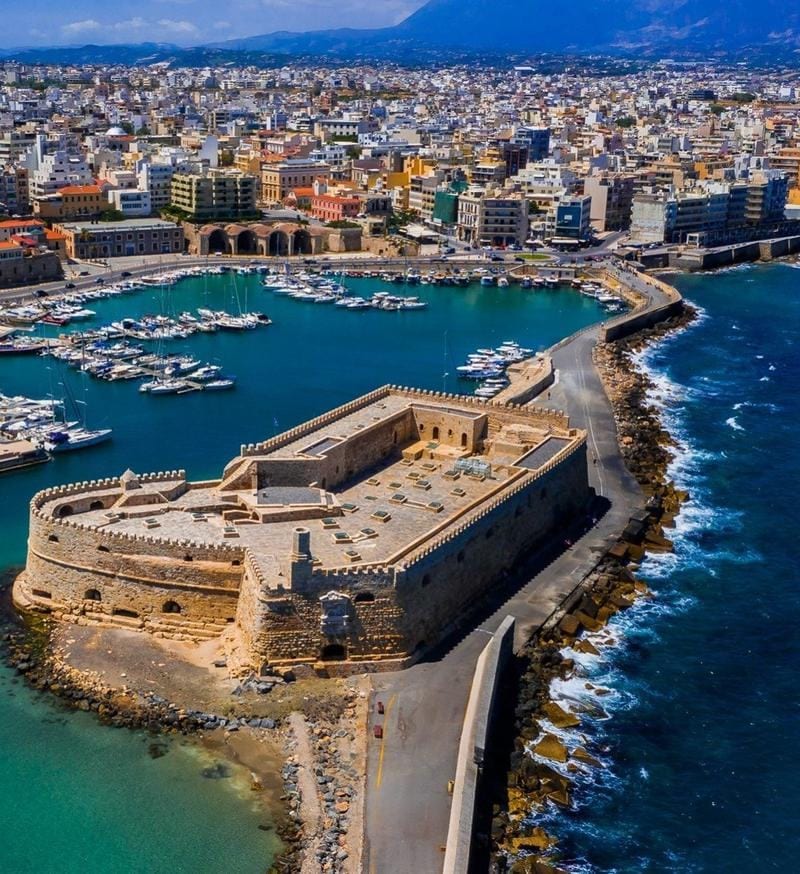
Koules Fortress
Guarding the Venetian harbour is a square-shaped fort built when the island was under the control of the Republic of Venice in the 16th century. Koules Fortress went up between 1524 and 1540 and took the place of an earlier fort built after the Venetians first took Heraklion in the 1200s. It’s no mystery why Koules Fortress has stood the test of time, as it was built to last, and has external walls up to 8.7 metres thick. The building was involved in the second-longest siege of all time, during the Siege of Candia (Heraklion), when the Ottomans were at the gates for 21 years from 1648 to 1669 before the city finally fell. The fort’s upper level has a clear view of the harbour, while in the vaulted passageways below are cannons, hundreds of cannonballs, piles of amphorae, information panels and a brief film about the history of the fort.
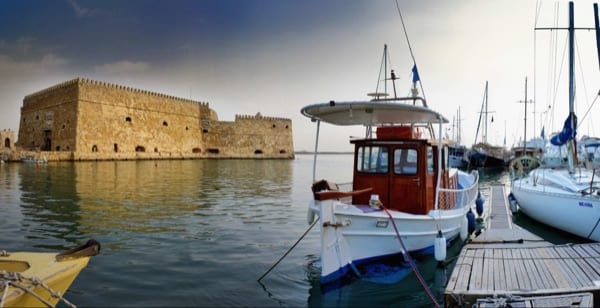
Old Harbor
Where Heraklion's story begins – Venetian arsenals, fishing boats, and the silhouette of Koules framing the waterfront. The old harbor has anchored city life since the Venetians built it in the 13th century, and the promenade still draws the evening crowd. Stone arsenals line the eastern quay – once shipyards for the Venetian fleet, now atmospheric shells catching golden light. Cafés and fish tavernas spill onto the waterfront, and the view toward Koules fortress at the breakwater's tip is the most photographed angle in the city. Walk the full arc from the arsenals to the lighthouse for the best perspective. Morning light is softest; sunset is when the harbor earns its postcards.
Agios NikolaosDay 5
Chrissi island & Ierapetra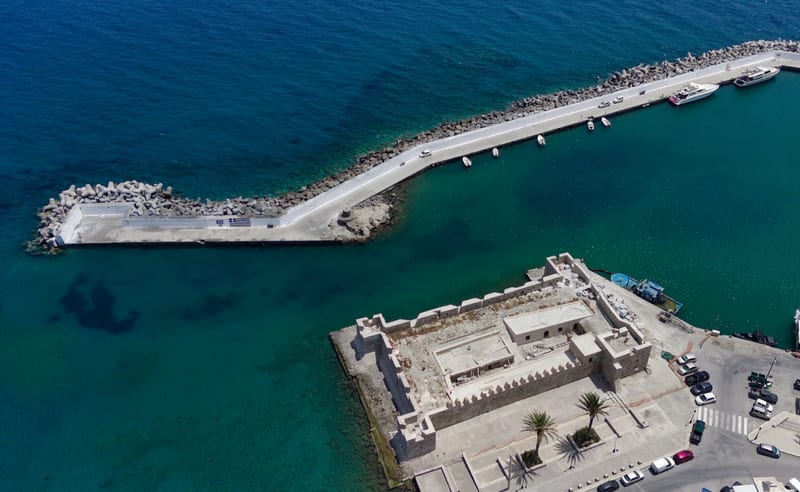
Ierapetra
Europe's southernmost town and Crete's south-coast hub – a Venetian fort on the harbour, a long sandy beach, and the launching point for boat trips to Chrissi (Golden) Island. About an hour's drive south from Agios Nikolaos through the mountains, ideal as a starting point for a south-coast day. Pair with dinner in Myrtos on the way back.
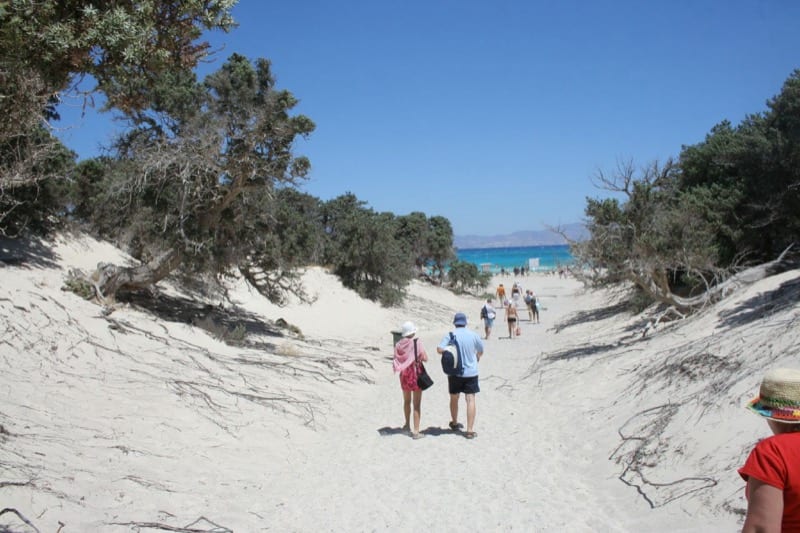
Chrissi (Golden) Island
A protected nature reserve nine miles south of Ierapetra, reached by a daily caïque from the harbour. Powder-white sand, water so clear you forget what depth means, an ancient cedar forest in the middle, and almost no infrastructure. Bring water and an umbrella – the island has just one small canteen. The boat trip is full-day; you'll want every minute of it.
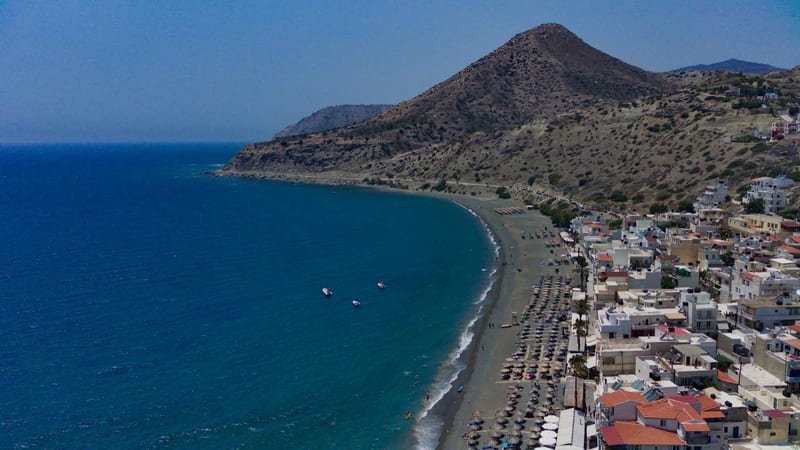
Myrtos
A laid-back fishing village on the Cretan south coast, fifteen minutes west of Ierapetra. Whitewashed houses tumbling toward a long pebble beach, half a dozen tavernas right on the water, and exactly the right late-afternoon energy after a day on Chrissi Island. A favourite dinner stop on the way back to Agios Nikolaos.
Your whole trip in one booking
With WeAreTravelers – a licensed, Athens-based travel agency.
- Zero service fees. Same price as if you organized everything on your own.
- One booking and one payment for the whole trip (instead of separate bookings for each hotel, ferry and flight).
- One local point of contact, who has your back – before you travel, and while you're here.
- Covered by the EU package travel rules. Your payments are protected by law.